
OUR TRAVELS
Photos of sightseeing enthusiasts

A TRIP ROUTE

IT IS WORTH SEEING
In Stavanger, a visit to the Canning Museum , located in the oldest part of Gamle Stavanger, is a must. There used to be several dozen plants producing canned fish and processing fish. All the exhibits presented in the museum are original and until recently were used in the production process. At the end of the tour, you can taste sprats smoked in a traditional way in a wood stove. An interesting fact is that canned sardines are labeled in Poland.

IT IS WORTH KNOWING
In Hafrsfjord, on the outskirts of Stavanger, stands the remarkable monument Sverd i fjell (Swords in the Rock). Three 10-meter-long swords embedded in the rock of a small hill next to the fjord commemorate a historic battle that took place here in 872. One of the local Norwegian rulers, Harald Fairhair, defeated a coalition fleet of four kingdoms: Agder, Rogaland, Telemark, and Hordoland. With this victory, Harald united the southwestern parts of modern Norway and became its first king. The ruler divided the country into districts and appointed a governor (jarl) in each, simultaneously implementing numerous administrative reforms. He entrusted the jarls with overseeing the local justice system and developed a system for regulating the number of men provided for the royal retinue. He died in 933 and was buried in pagan fashion in Hauge (wikipedia.org).

INTERESTING FACTS
Stavanger is home to Rune Holta, a speedway rider with dual Norwegian and Polish citizenship. Born in the city in 1973, the athlete obtained Polish citizenship in 2002. The Norwegian has played for numerous clubs in the Polish league, with his longest spell, seven seasons, at Włókniarz Częstochowa. In 2005, 2007, and 2010, he represented Poland in the Team World Cup, winning three gold medals. He is the Norwegian Individual Champion (in 1994, 1996, 1997, and 2000), a two-time Polish Individual Champion (in 2003 and 2007), and the Polish Individual Vice-Champion (in 2004). In 2003, he won the Polish Team Championship title with the Częstochowa team, and in 2004 and 2005, he won bronze medals at the Polish Speedway Championship. In 2006, he announced that he would compete in the 2007 Grand Prix as a Pole, which the Polish Automobile and Motorcycle Federation (PZM) agreed to. In 2023, the Norwegian competed in the Polish speedway league for the last time, and in 2024, he became manager of the Norwegian national speedway team (www.wikipedia.org).

Norway - Rogaland
August 2013

After two weeks of lazing around in hot Tunisia, I felt like climate change. The choice fell on Norway, which I was planning on in the spring, but due to the uncertain weather, I gave up on the trip. Contrary to appearances, August turned out to be not much better in this respect, but at least it was warmer.
Due to the nature of the trip, I took a backpack and a tent with me. I had a lot of concerns about whether I would be able to do it alone, but fortunately, on the first day I met a very nice couple of Poles. New friends became my travel companions when it turned out that we had very similar sightseeing plans and we were returning at the same time. According to the guidebooks, Norway is actually very clean, and the streets and houses are neat and tidy. And the Norwegians themselves are kind and hospitable and a bit too gullible, but that is not a disadvantage. But I don't know what trolls arebecause I haven't met any of them. These malicious creatures, straight from Scandinavian folk beliefs, live only in hard-to-reach mountains and forests in the far north of the country.
Stavanger

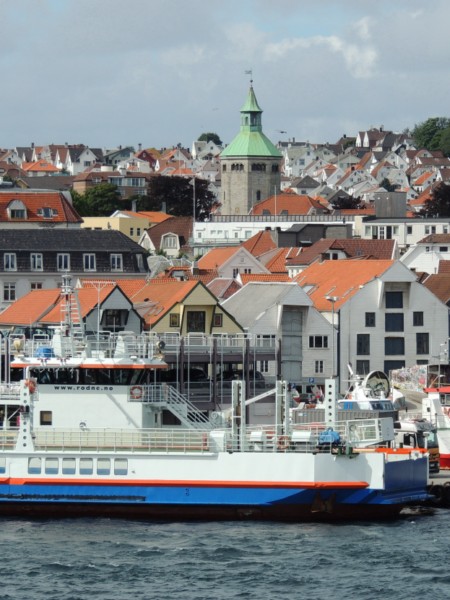


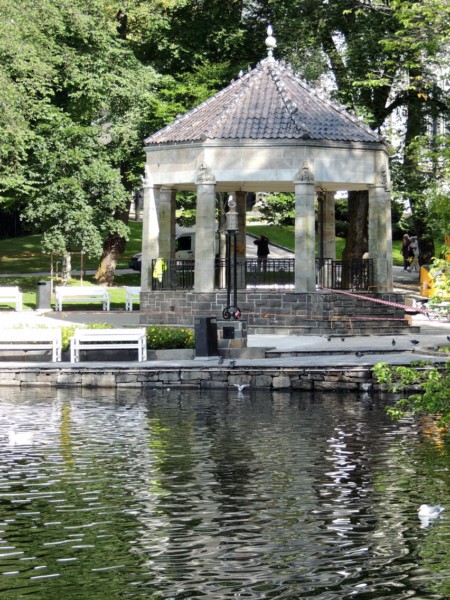


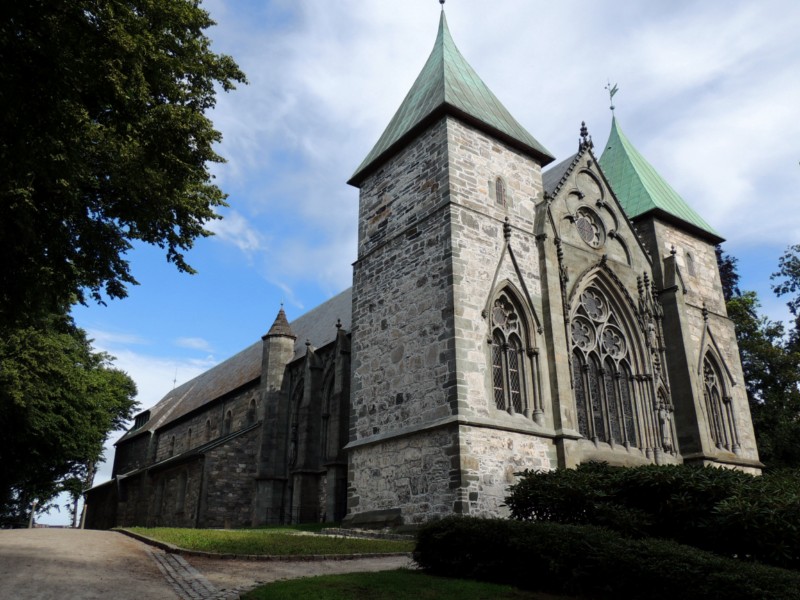


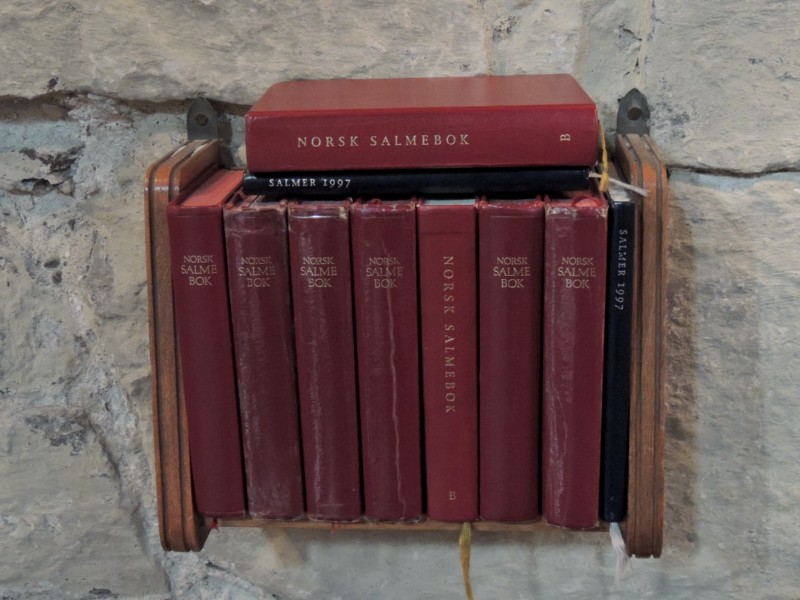
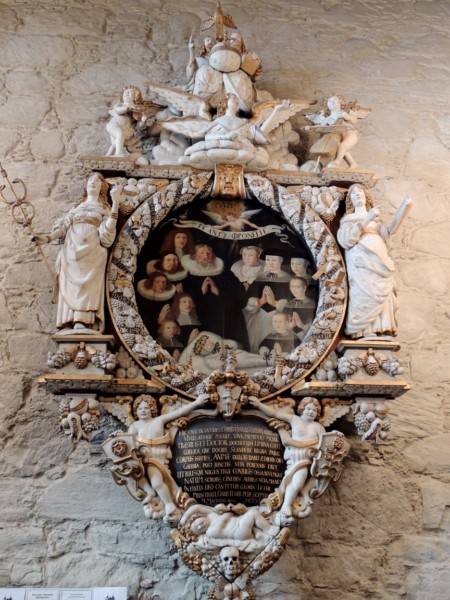


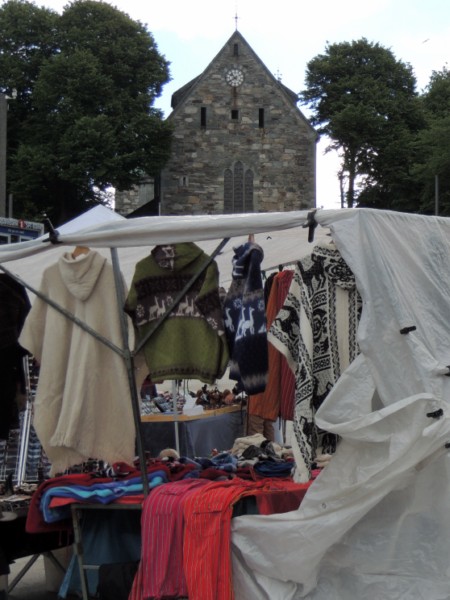

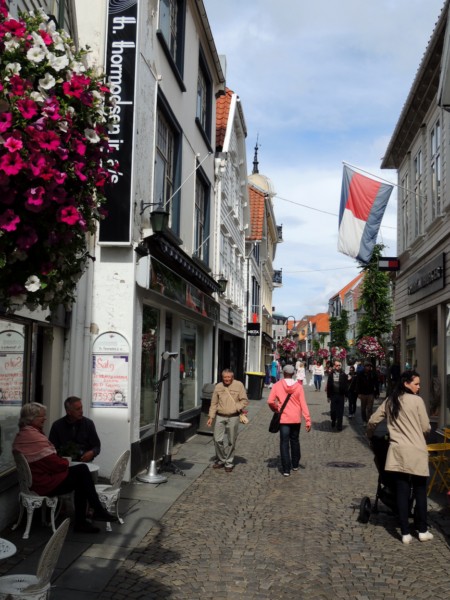

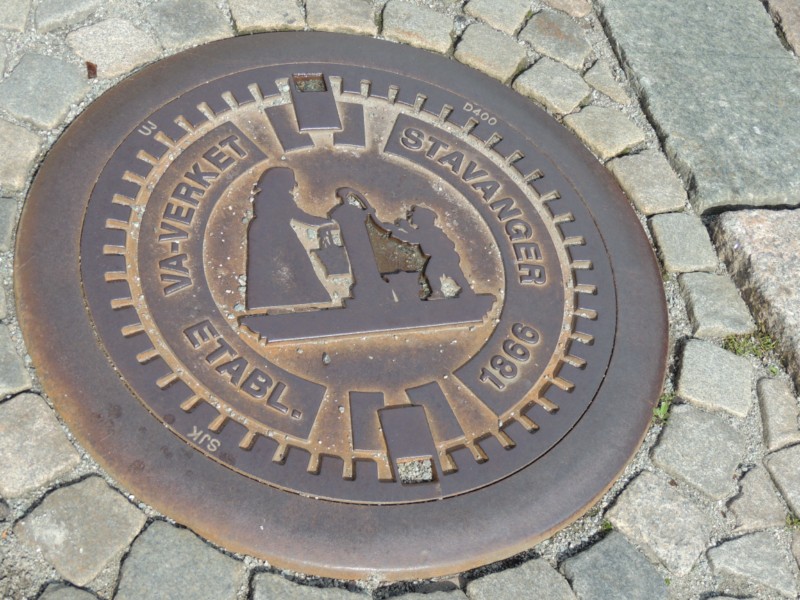

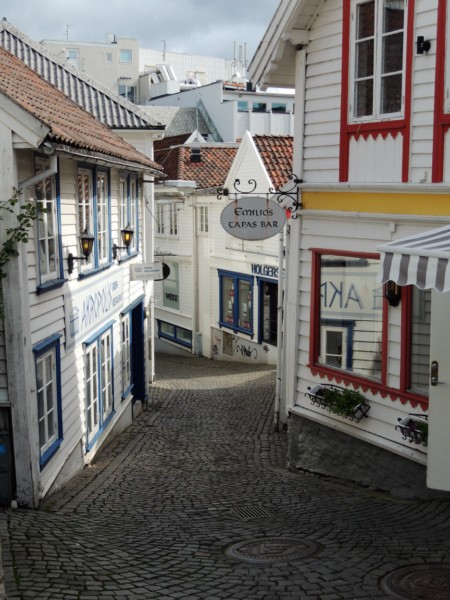


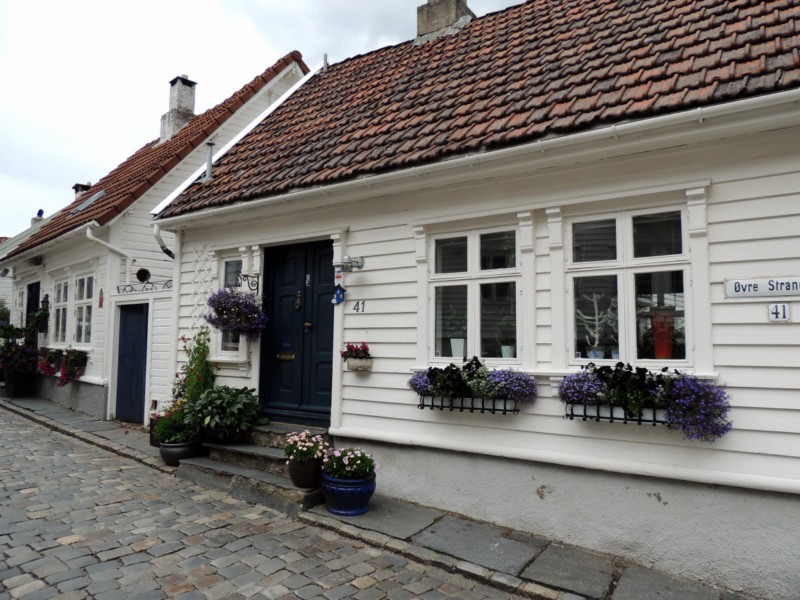


Stavanger, as befits a port city, is fully cosmopolitan. Lots of all kinds of rovers, beggars and sellers of everything. We often met our compatriots who came to Norway for work or, like us, for tourists. The city itself is not big, but you can spend the whole day here without being bored. The oldest part of the museum, Gamle Stavanger, is beautiful, although it looks like an open-air museum. The transatlantic cruise ships mooring next to the old town make an amazing impression. The one we saw looked like a ten-story apartment block.
Lysefjord


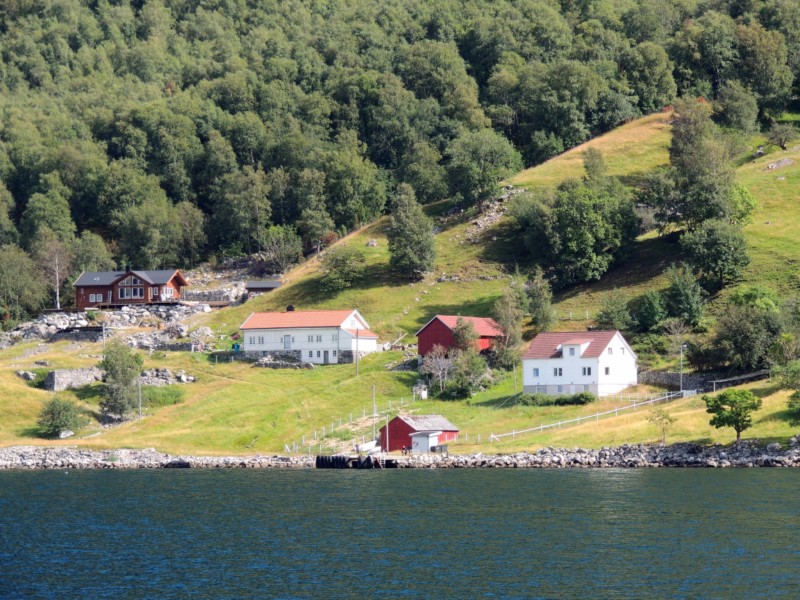
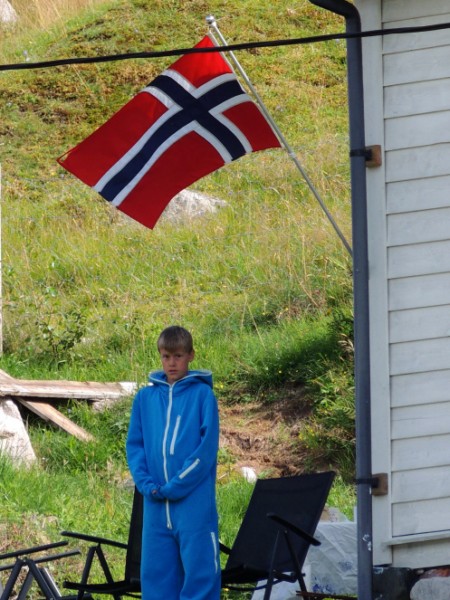


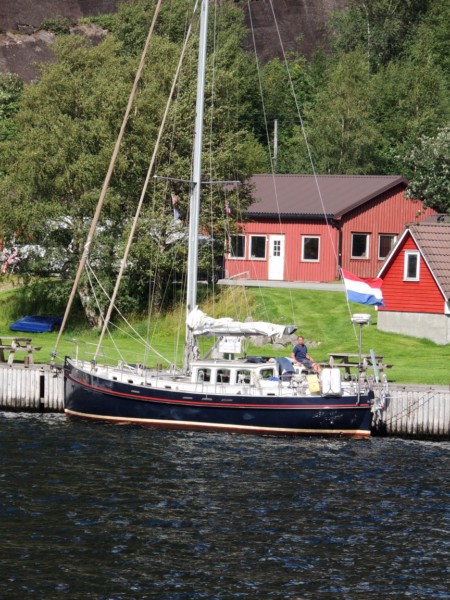
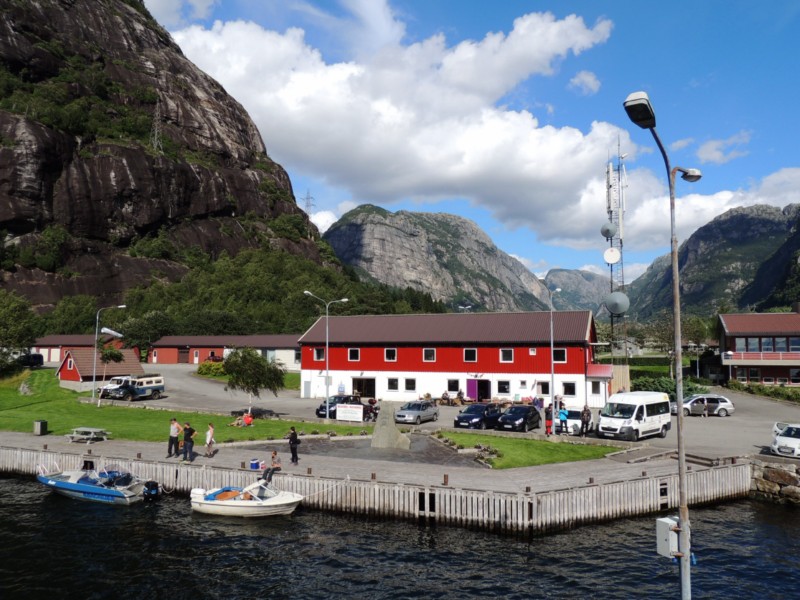


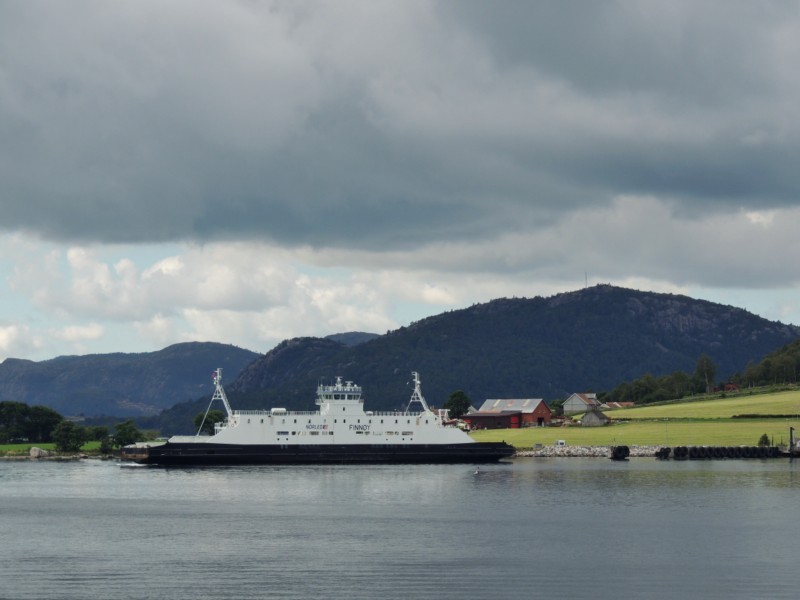


The journey into the Lysefjord did not start very fortunately. The direct ferry from Stavanger was canceled so we went to the village of Louvika. The several-hour waiting was fully rewarded with fantastic views during the 42-kilometer fjord cruise. The weather was good that day, so we took a lot of photos. On the way back, for a change, the sky was covered with heavy, rainy clouds. So we could admire the Lysefjord under different weather conditions and various moods associated with it.
Kjeragbolten

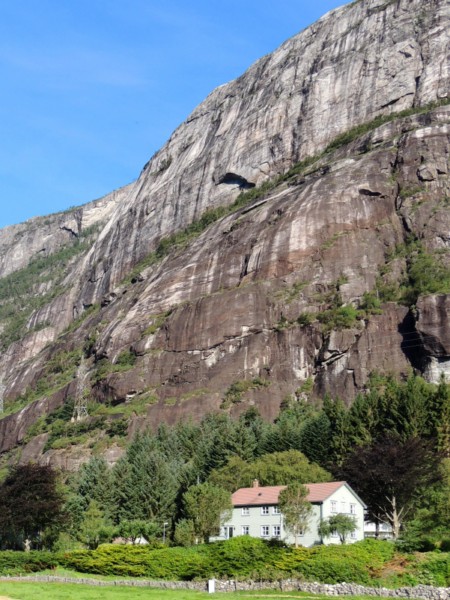


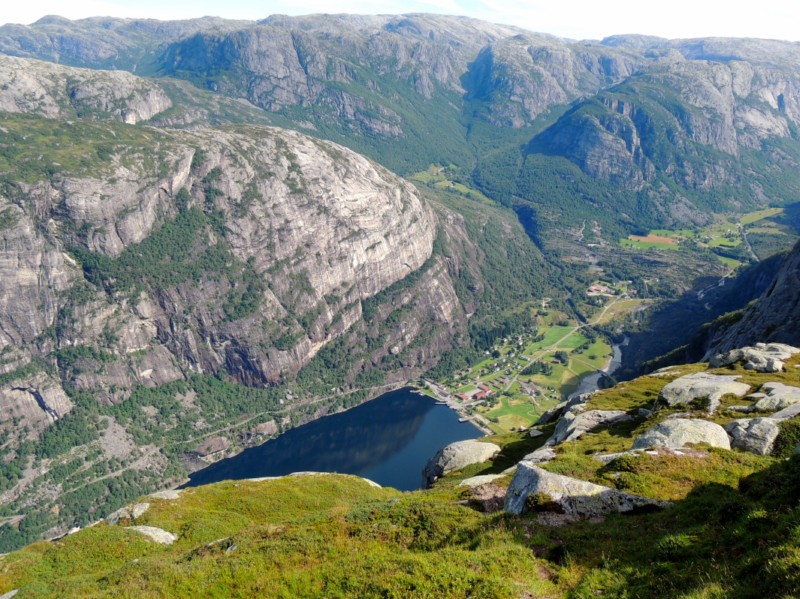


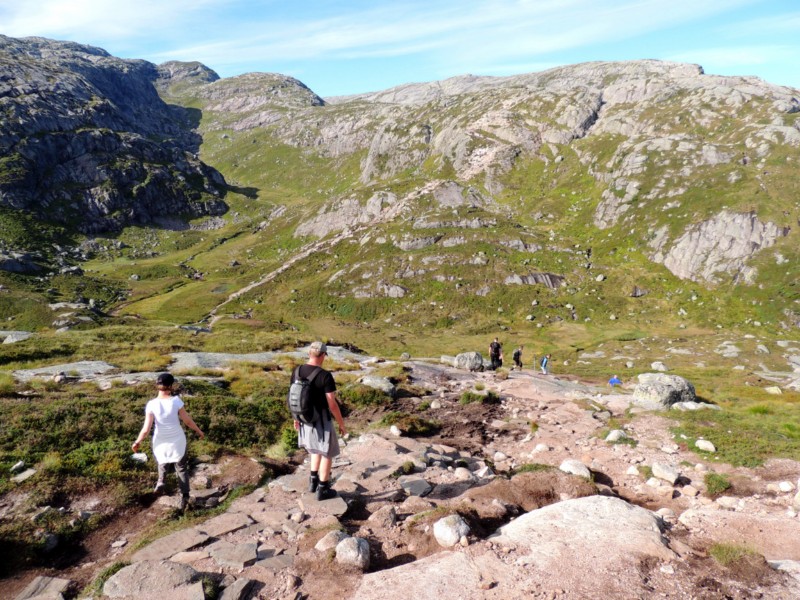


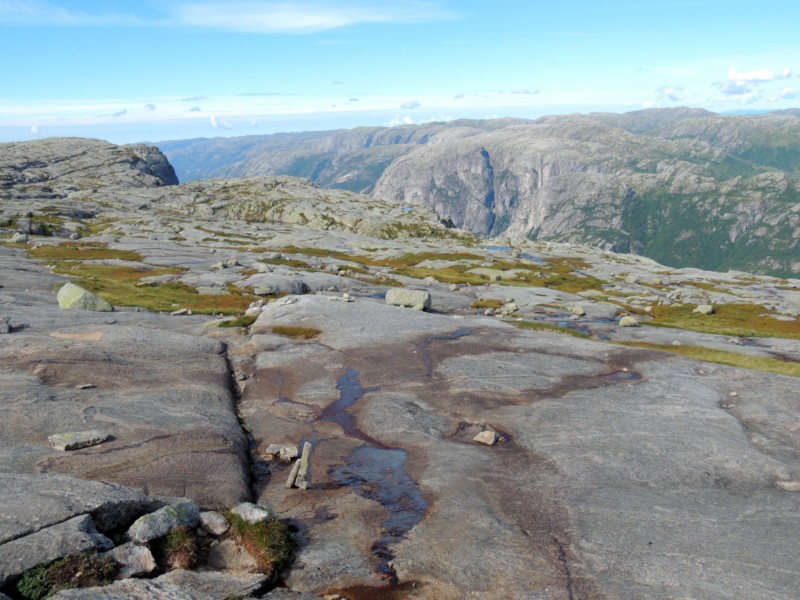


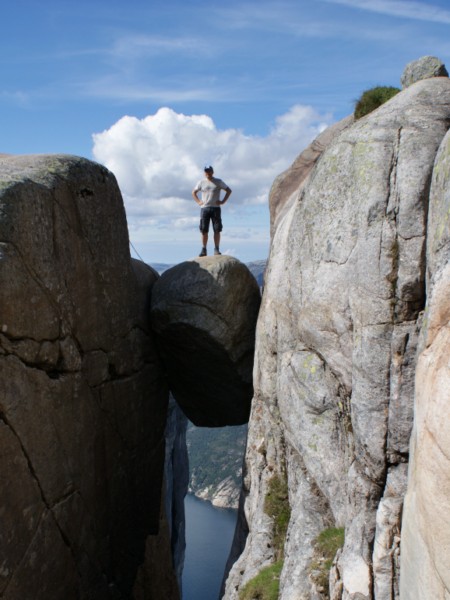


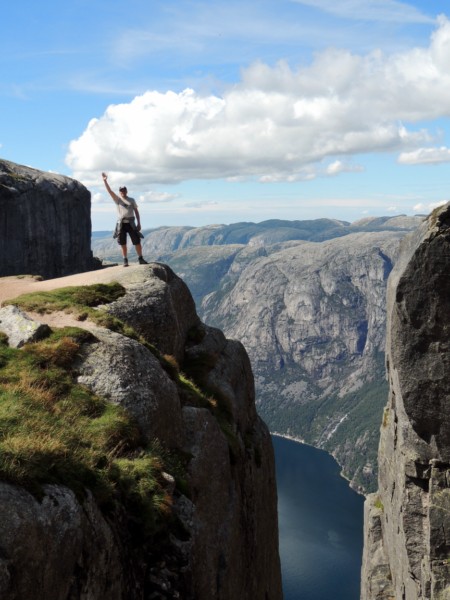


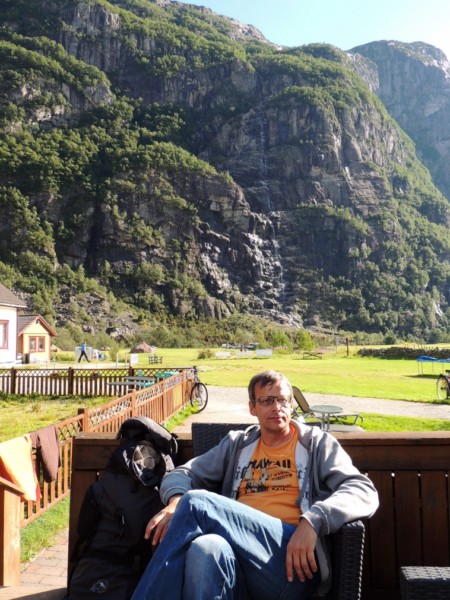

The road to Kjeragbolten was not as difficult as we expected. During the trip, we were accompanied by crowds of tourists, because it was just a weekend, and the Norwegians like to relax actively. The queue in which you had to stand for over half an hour to take a picture on the famous boulder wedged between two rocks looked very comical. Prices in Norway are horrendous for our earnings. That's why, while sipping a beer at the Lysebotn campsite in the evening, we did not focus on counting, but on the experiences and emotions associated with the trip to Kjeragbolten.
Preikestolen

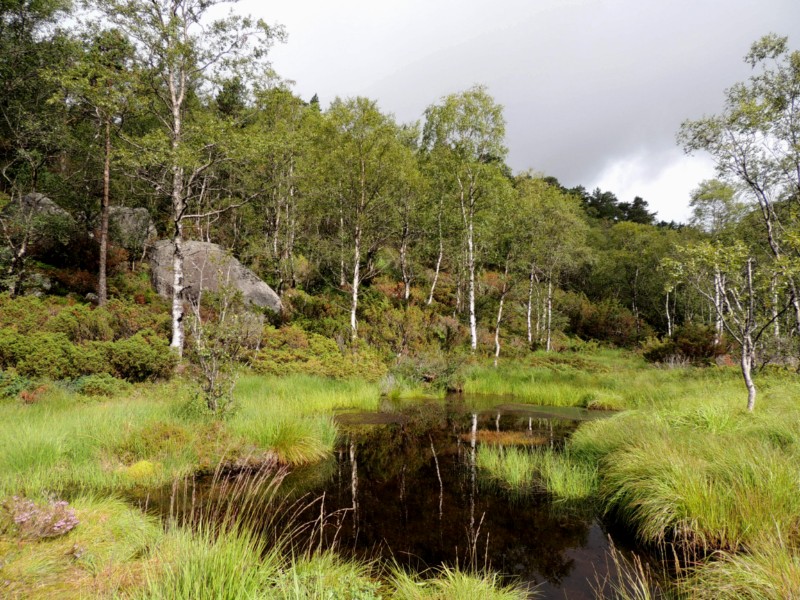


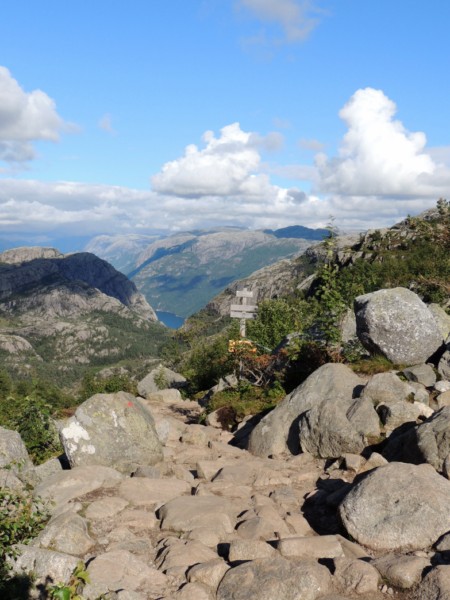


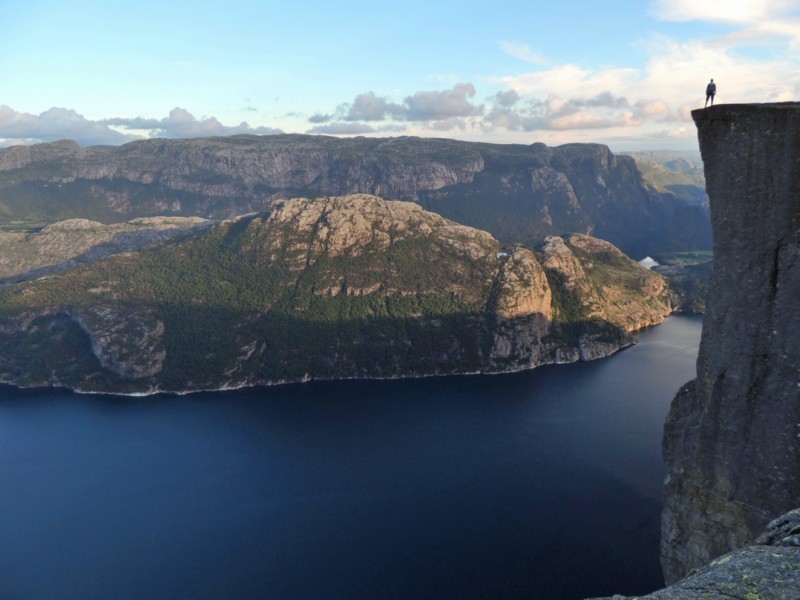
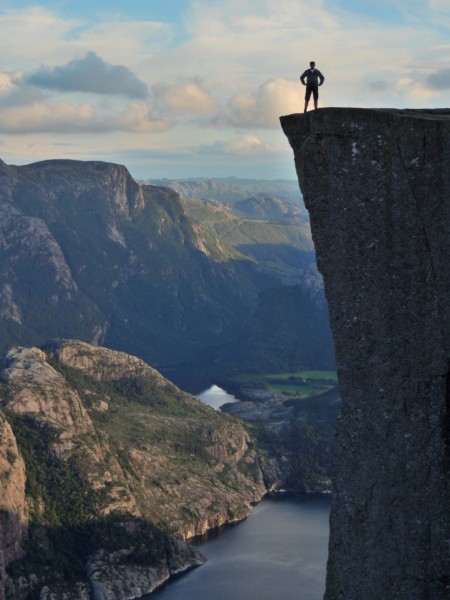


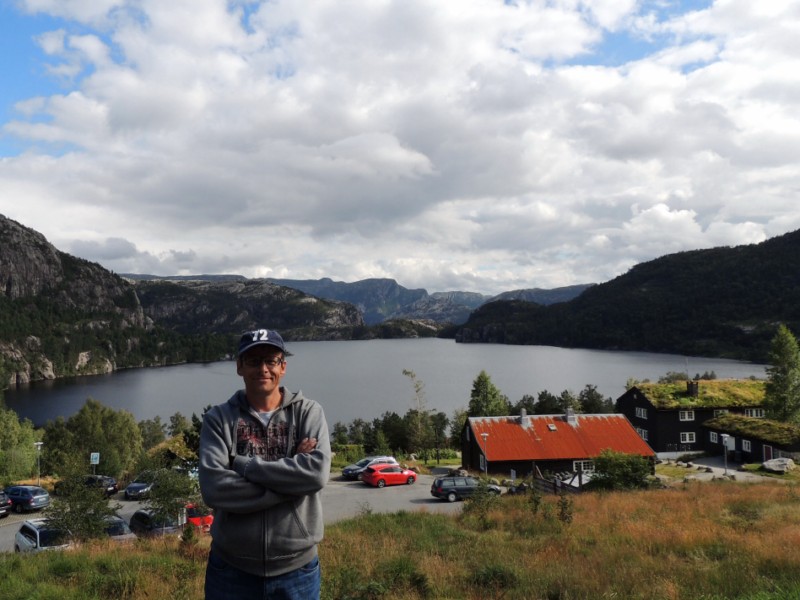


When we took the ferry to Louvika it was cloudy and rainy. There was no sign of a change in weather, so we postponed the entry to Preikestolen until the next day. Unexpectedly the sun cleared and the sun came out, so despite the late hour we made a quick decision and went on tour. We arrived at Preikestolen before sunset, so we still managed to take pictures and fill our eyes with breathtaking views. Full of positive energy, we spent the night in the mountains, but in the morning it was raining again and there was fog over the fjord. It was time to go back to Preikestolhytta.

Your comments:
