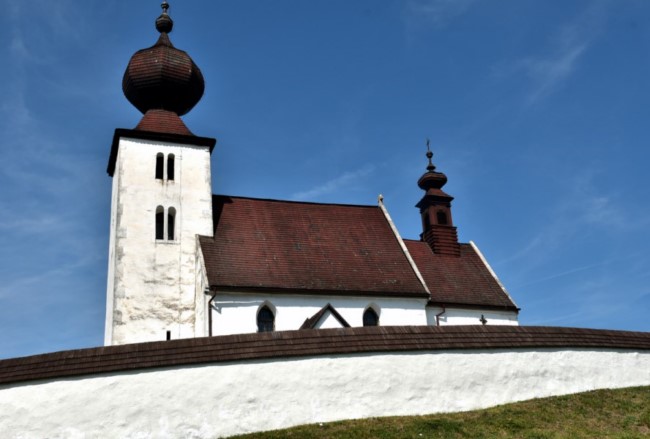
OUR TRAVELS
Photos of sightseeing enthusiasts

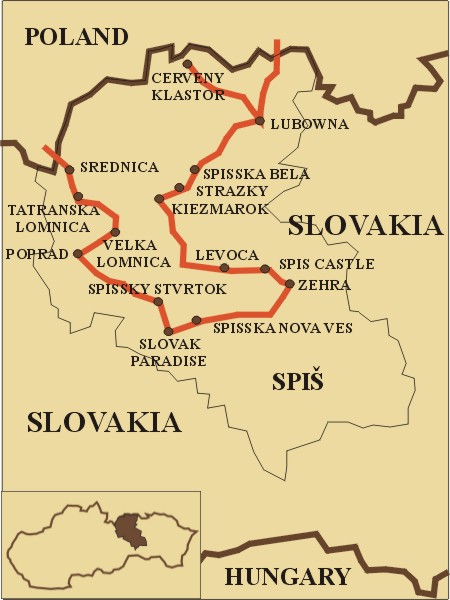
A TRIP ROUTE
INTERESTING FACTS
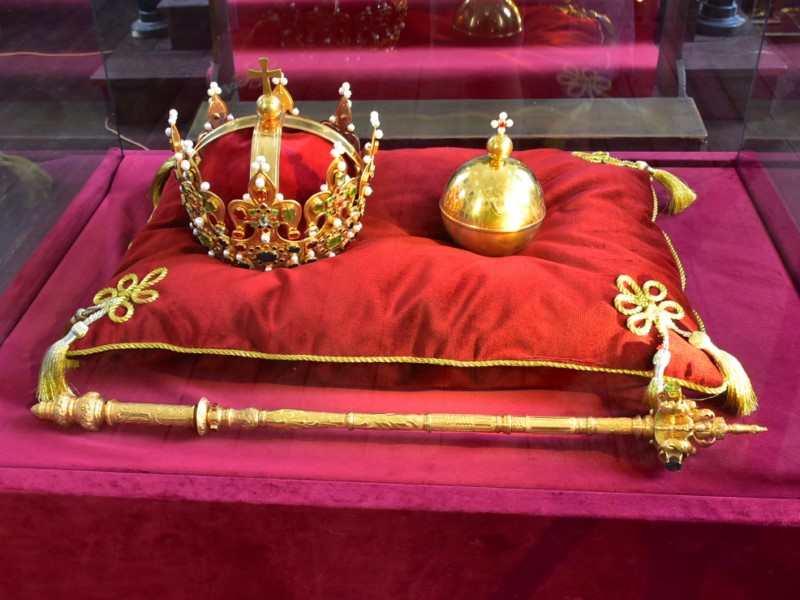
In 1412, the Hungarian King Sigismund of Luxembourg and the Polish King Władysław Jagiełło met at Lubovla Castle to sign a pact of peace and friendship. During the meeting, in exchange for a loan of 37,000 Czech groszy (approximately 7.5 tons of pure silver), the Luxembourger pledged the castles of Lubovla, Podoliniec, and Gniazda, as well as 13 Spiš towns and 15 villages, to the Polish king. The castle itself became the administrative center of the pledged lands and the seat of Spiš starosts. These positions were held by, among others, Zawisza Czarny, Piotr Kmita, and Jan Boner. In 1553, a serious fire broke out, but the stronghold was rebuilt by King Sigismund Augustus. In the 17th century, during the Lubomirski family's term, the Polish crown jewels, endangered during the Swedish Deluge, were deposited in the castle. King John II Casimir also stayed here for a time, as described in Henryk Sienkiewicz's "The Deluge." In 1683, King John III Sobieski visited the castle. In 1768, Maurycy Beniowski, a Hungarian nobleman, soldier, traveler, memoirist, and later King of Madagascar, was imprisoned here. In the spring of 1769, a detachment of the Bar Confederates, commanded by Józef Bierzyński, made an unsuccessful attempt to seize the castle in Lubowla, owned by Kazimierz Poniatowski. He then asked the Austrians to occupy the Spiš district. After Maria Theresa retook Spiš from Poland in 1772, the fortress's importance diminished significantly. Until 1945, the fortress remained in the hands of the Zamoyski family, and later it was taken over by Czechoslovakia.
IT IS WORTH KNOWING
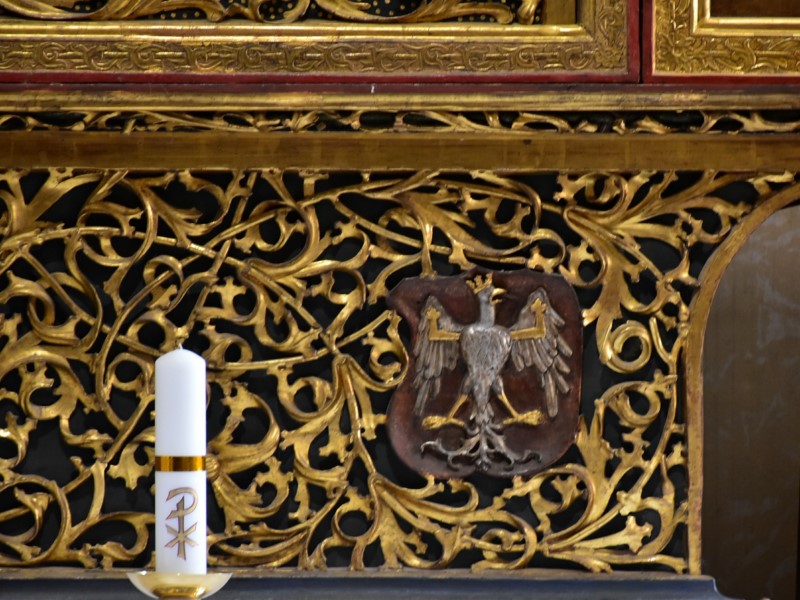
Levoča witnessed the historic meeting of the four Jagiellonian brothers. From April 6 to May 7, 1494, Władysław, King of Bohemia and Hungary, John Albert, King of Poland, Sigismund, the future King of Poland, and Frederick, later Cardinal, held a secret dynastic council here. They were accompanied by, among others, Piotr Kmita, the starost of Spiš, Frederick, Margrave of Brandenburg and husband of Zofia Jagiellonka, Štefan Zápolya, the Župan of Spiš, and several bishops. At that time, the Tatars and Turks were constantly causing unrest on the southeastern borders of the Kingdom of Poland. The issue of joint defense against them and the recovery of the Black Sea ports of Kilia and Akerman (Bilhorod) occupied by Turkey were to be the main topics of the talks. The initiative for the meeting came from Władysław, who needed support in solving internal problems in Hungary. This meant that the talks ended in failure for the younger brothers. Given the problems in his own country, Władysław had no intention of a war with the Ottoman Empire. Although no agreement was reached on the most important issue, the congress played a significant propaganda role. It was a kind of show of strength and unity, even if only an apparent one, of the Jagiellons - at that time the dynasty dominating Central and Eastern Europe. To commemorate this event, an altar of Our Lady of the Snows was erected in the northern nave of St. James's Church in Levoča. The coat of arms of Poland visible on it reminds us of the power of the Jagiellons.
INTERESTING STORIES
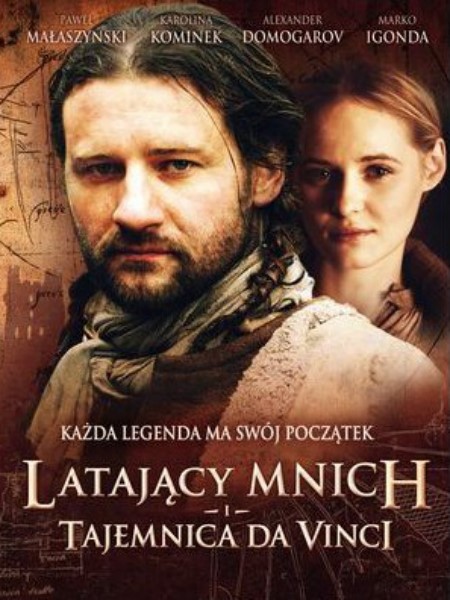
An extraordinary legend associated with the Red Monastery is the story of Brother Cyprian. This monk lived in the years 1724-1775 and his real name was Frantz Ignatz Jaschke. He graduated from medical studies in Wroclaw and probably joined the Camaldolese monastery at Three Crowns around 1756. In the monastery, he served as a doctor and pharmacist, but his greatest passion was botany. He left behind an impressive herbarium, in which he collected about 280 specimens of Pieniny and Tatras plants. He also studied learned books, thanks to which he built wings. He soared on them over the Pieniny mountains, arousing fear among the local residents. Then Brother Cyprian had a dream in which two angels forbade him from flying and ordered him to burn his sinful wings. However, the monk did not listen to the warning, climbed Three Crowns peak and set off on another flight. He soared all the way to the Tatras, but when he was flying over Sea Eye lake he was struck by lightning, which turned him into a rock. This is how the famous Tatras peak, called Monk from then on, was created, intended as a warning against human pride and opposing the will of God. In 2010, based on the true biography of Brother Cyprian, a movie drama was created in Polish-Slovak-Czech-Hungarian co-production entitled "The Flying Monk and the Secret of Da Vinci" (source: www.pieniny.net).
Slovakia - Spiš
August 2024

At the end of the holidays there was an opportunity to go on one more trip, so I took advantage of it. However, there was too little time to prepare an air trip, so I decided to travel by car to our southern neighbors. The choice turned out to be a bull's eye, and an additional advantage was the sunny weather.
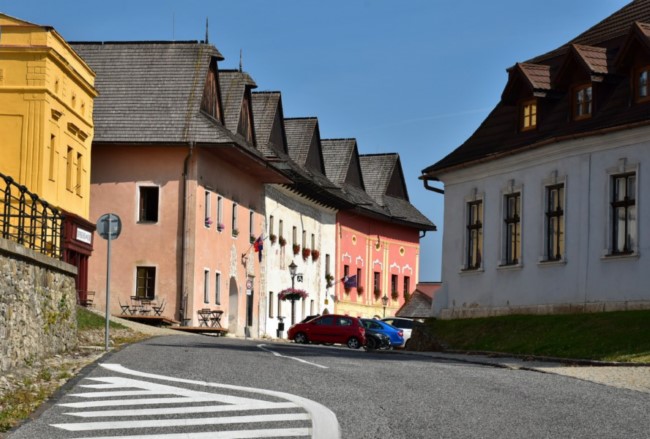
Spiš, which has centuries-old ties with Poland, simply enchanted me. I didn't realize that so close to our border there were such picturesque towns and romantic castles. The churches there are full of medieval frescoes, beatiful altar sculptures and panel paintings, many of which have been entered on the Unesco World Heritage List. Few tourists come here, the accommodation base is not among the largest, and Slovakia is definitely not well-advertised. The only inconvenience for motorized travelers is the rather restrictive speed regulations, much more stringent than in our country.Lubovna
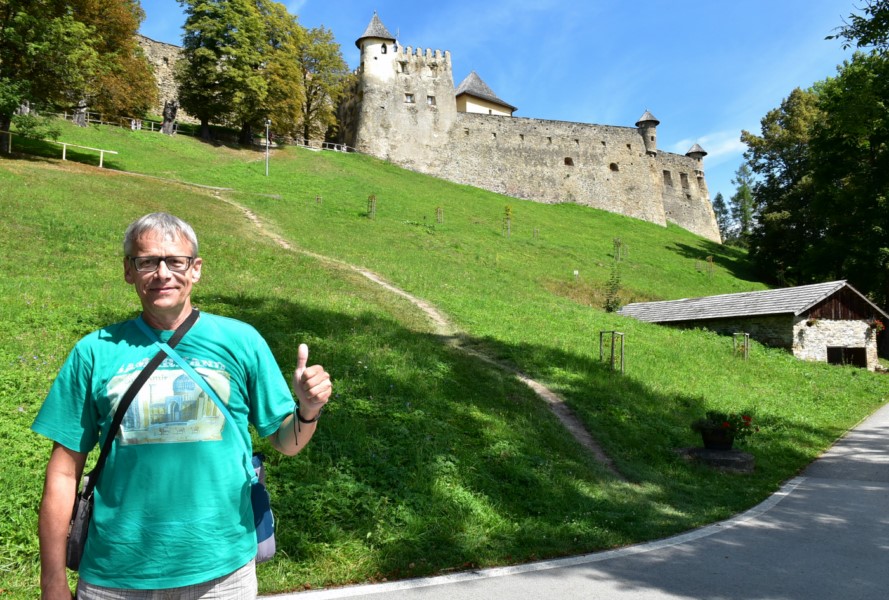
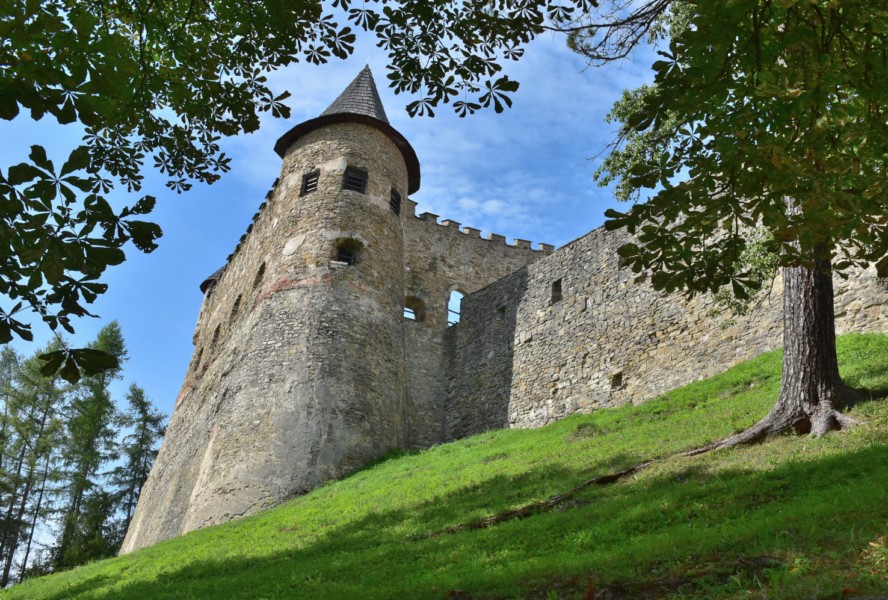
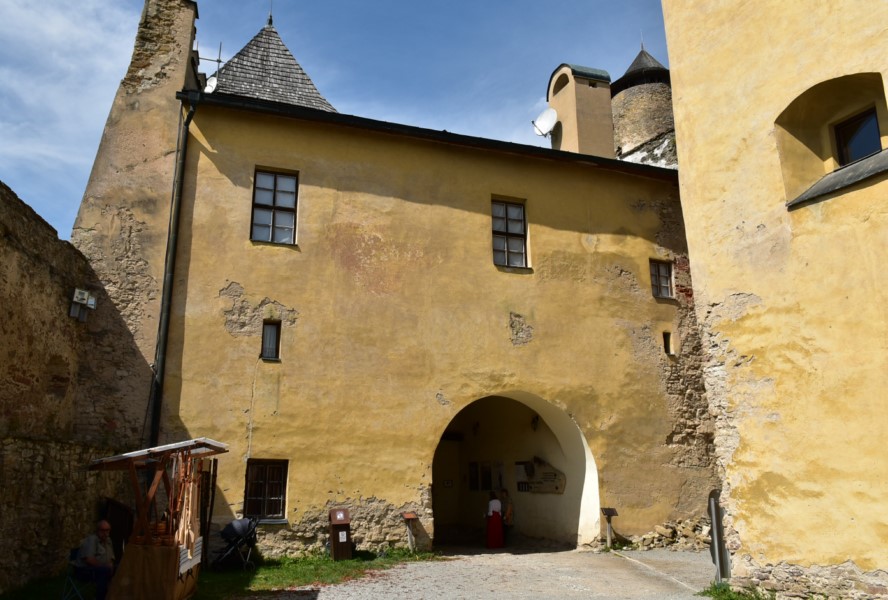
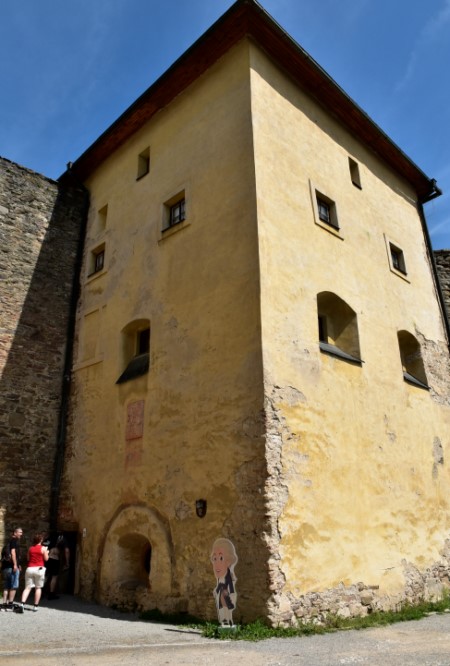
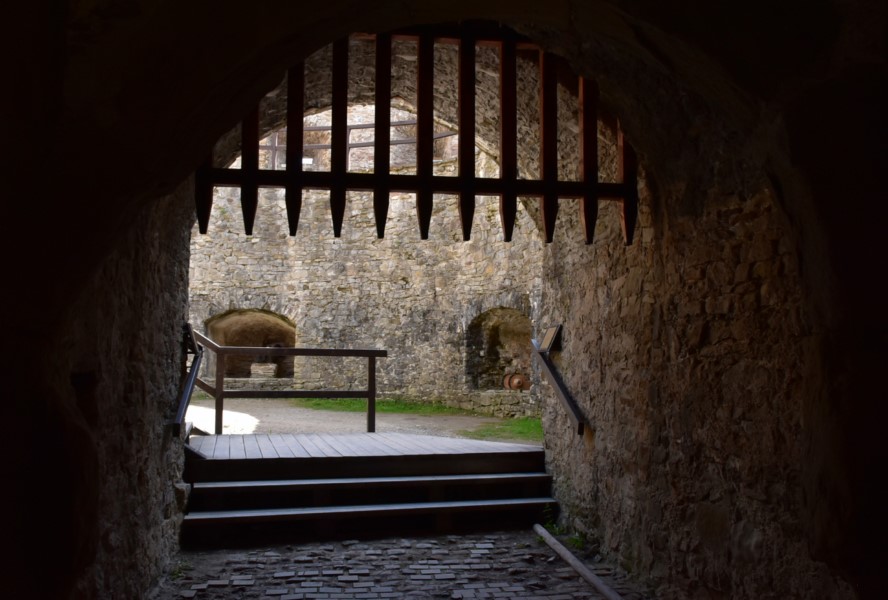
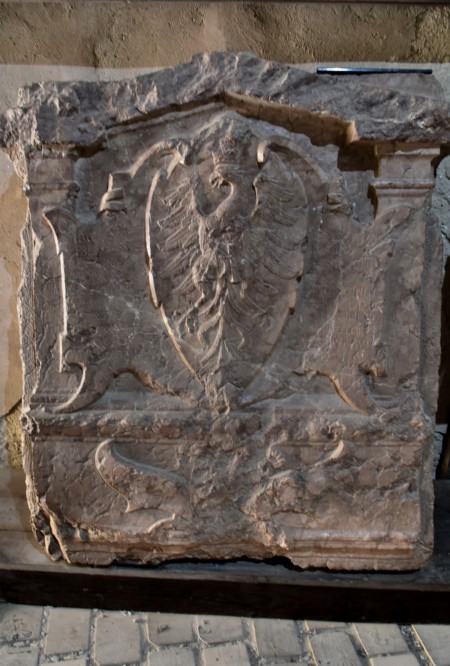
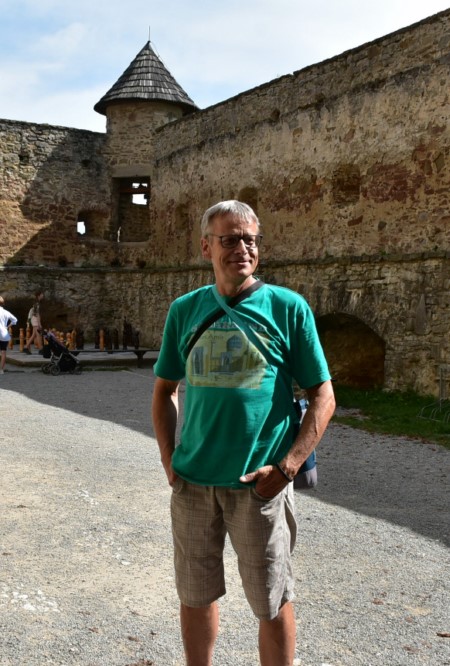
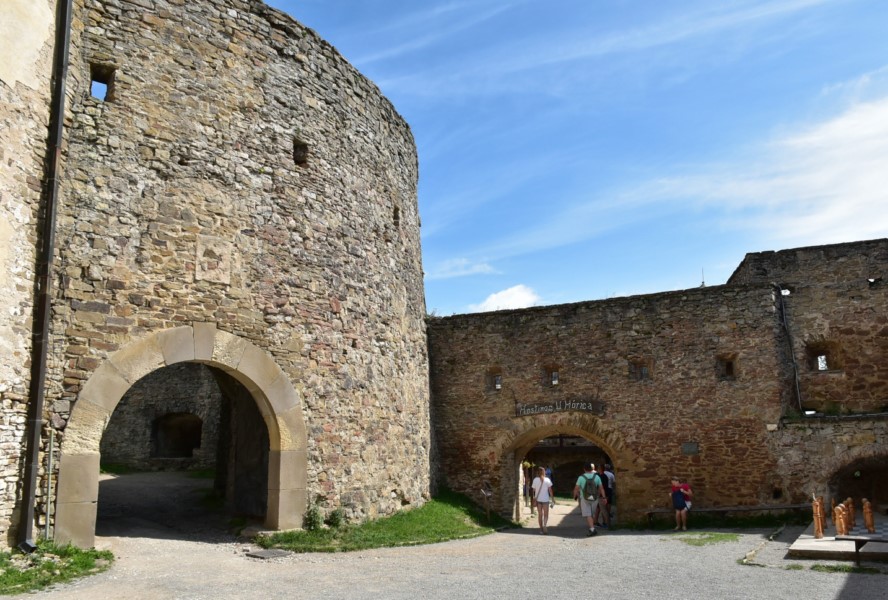
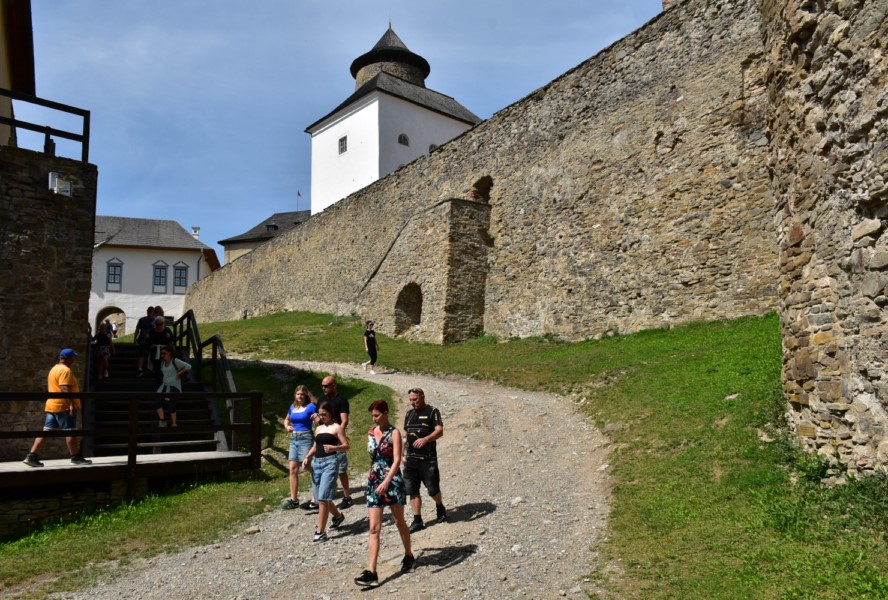
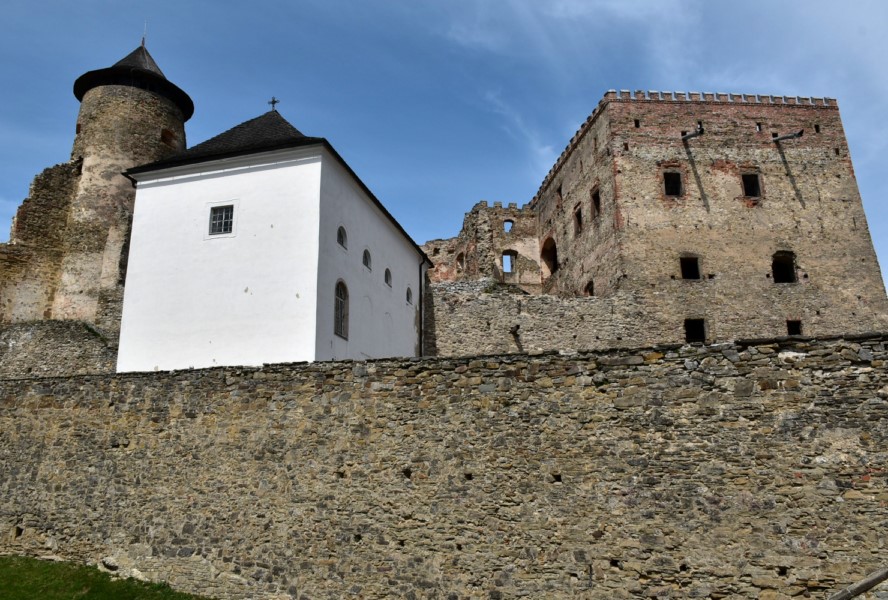
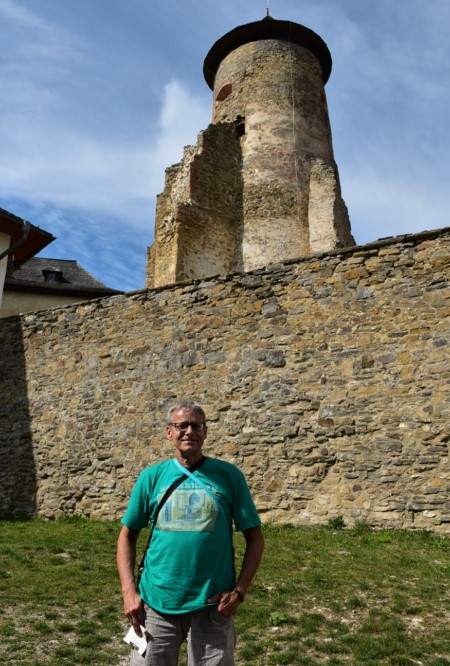
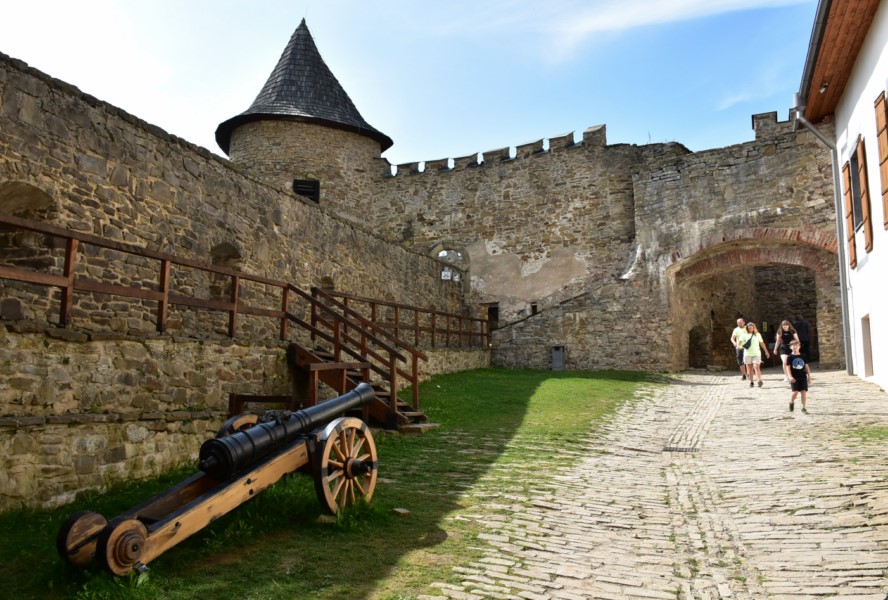
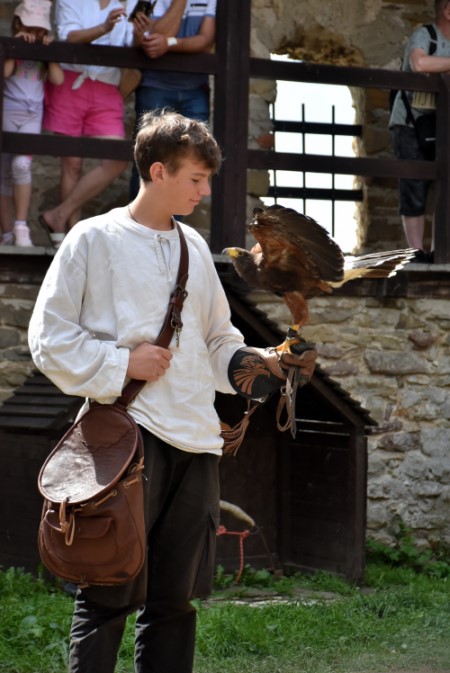
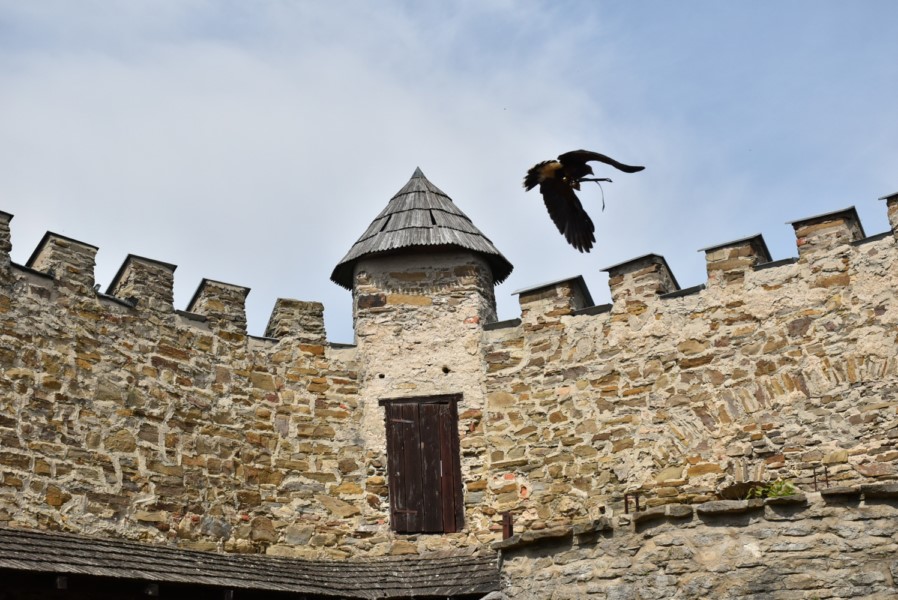
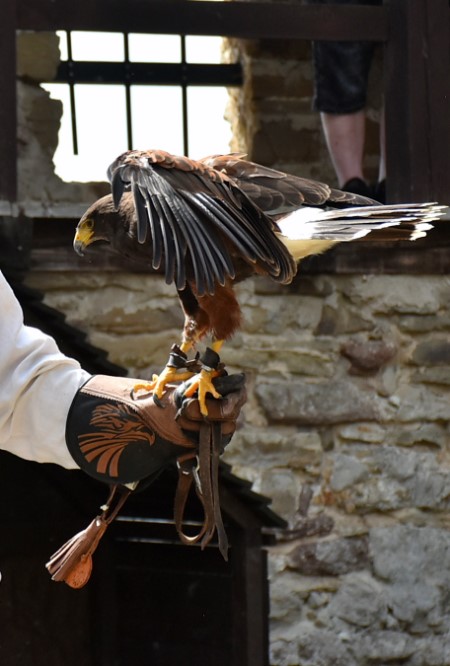
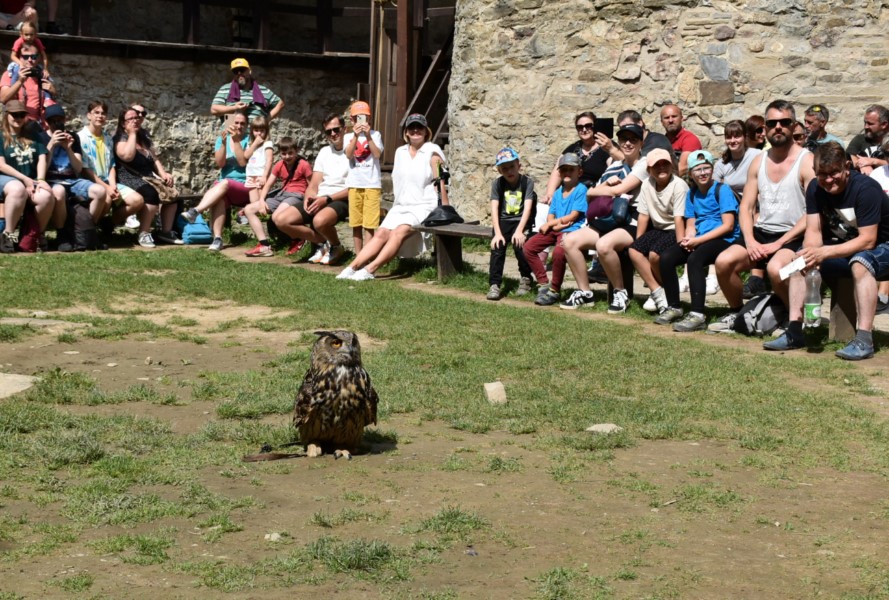
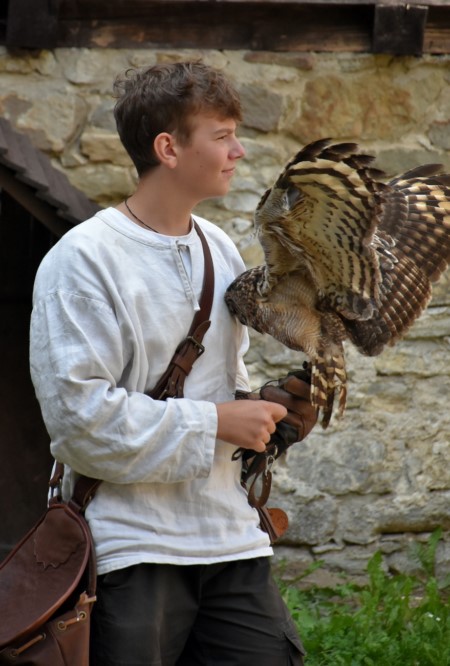
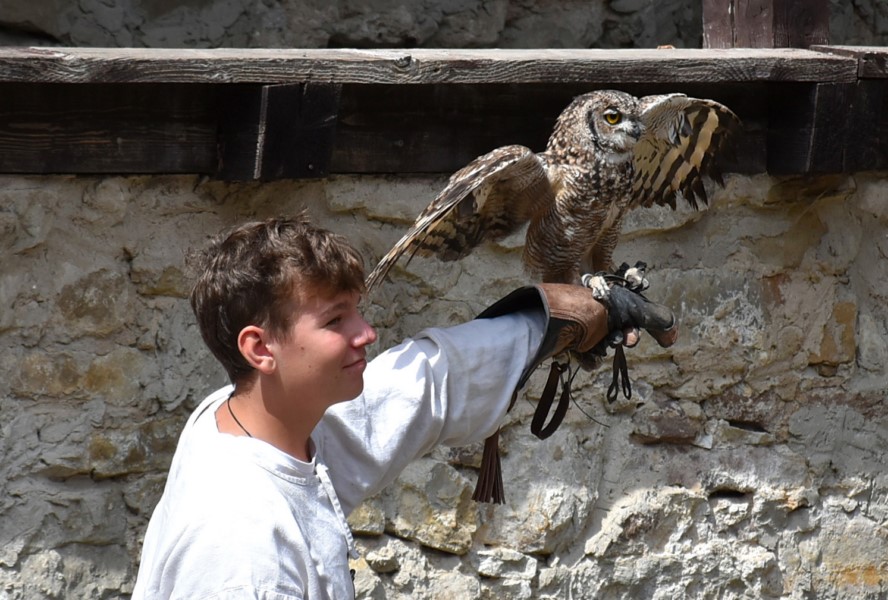
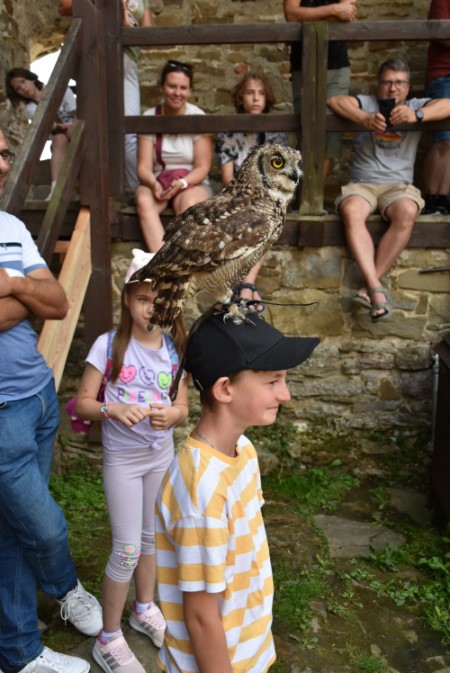
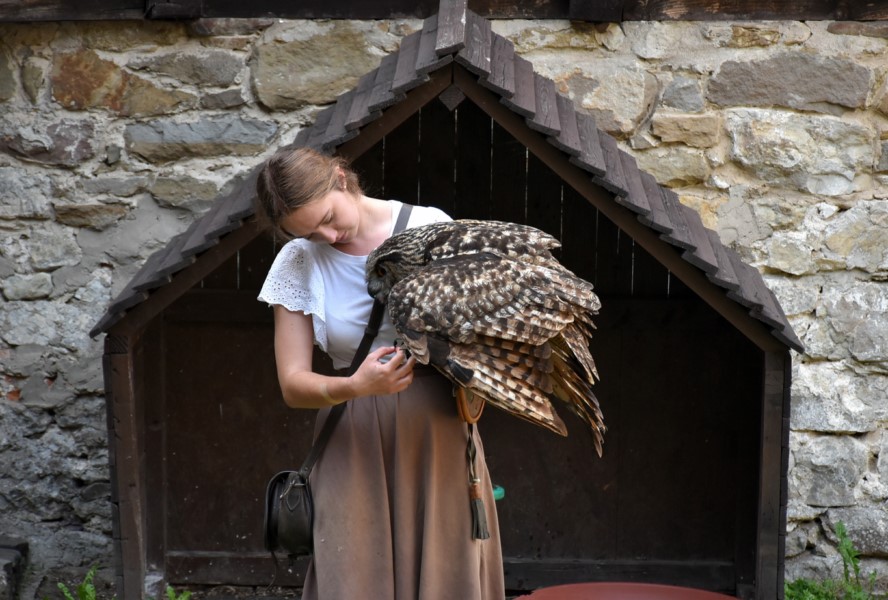
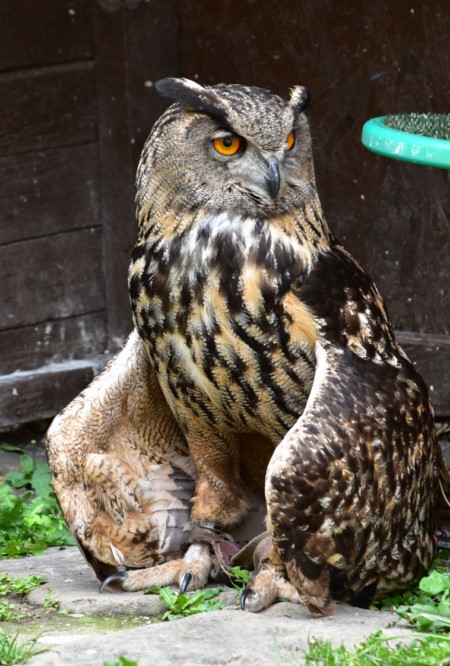
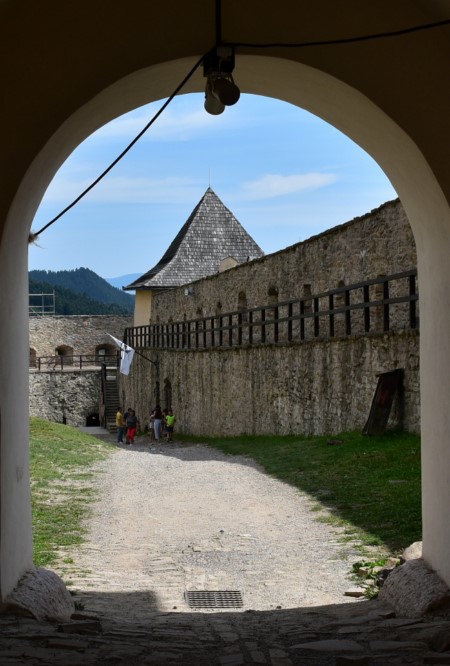
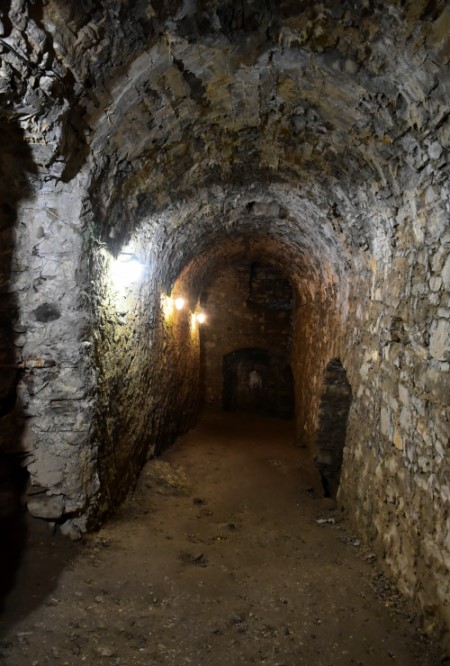
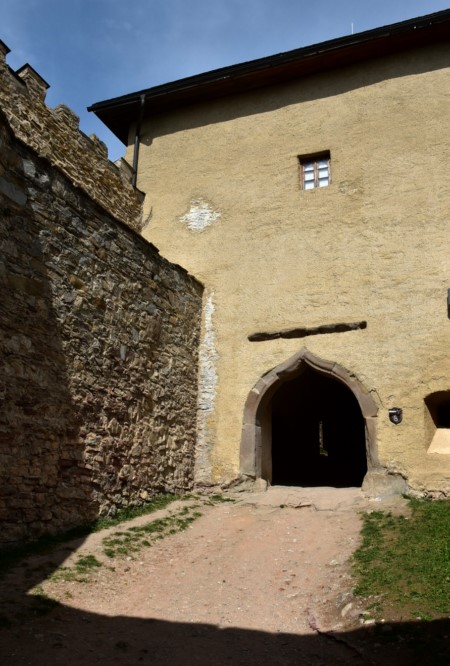
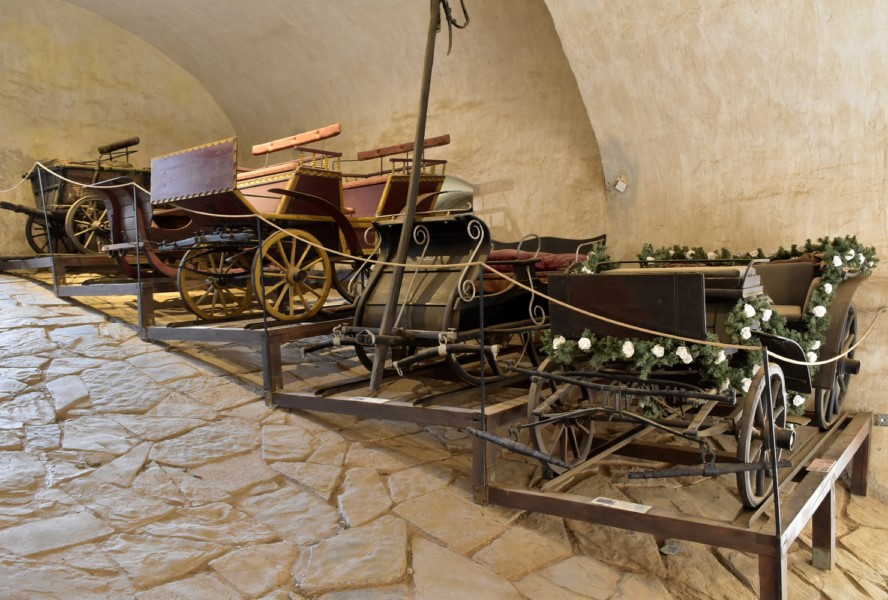
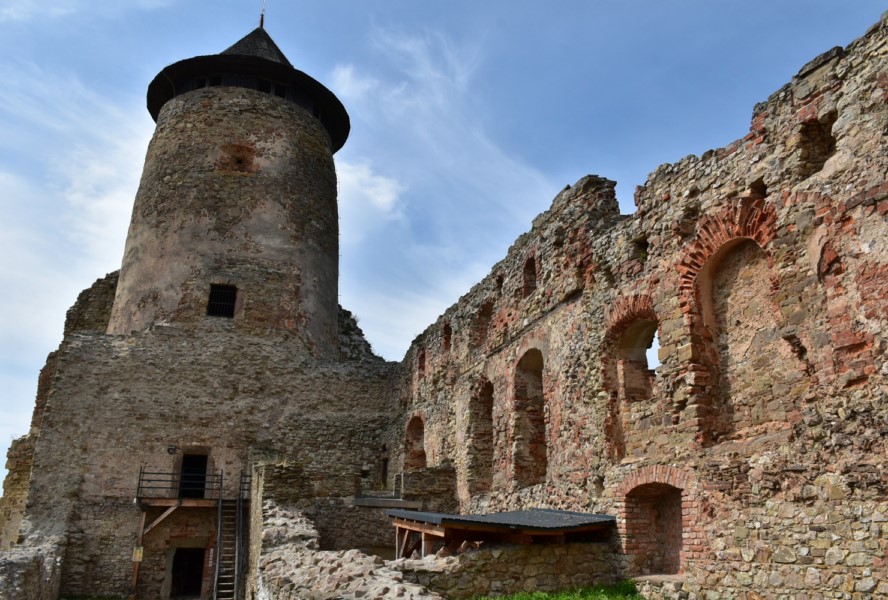
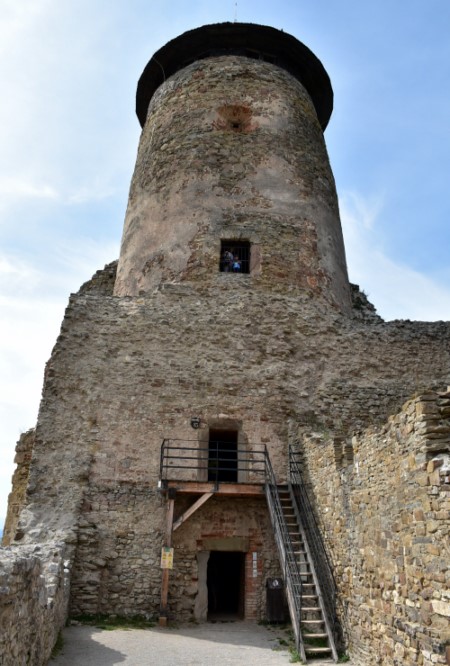
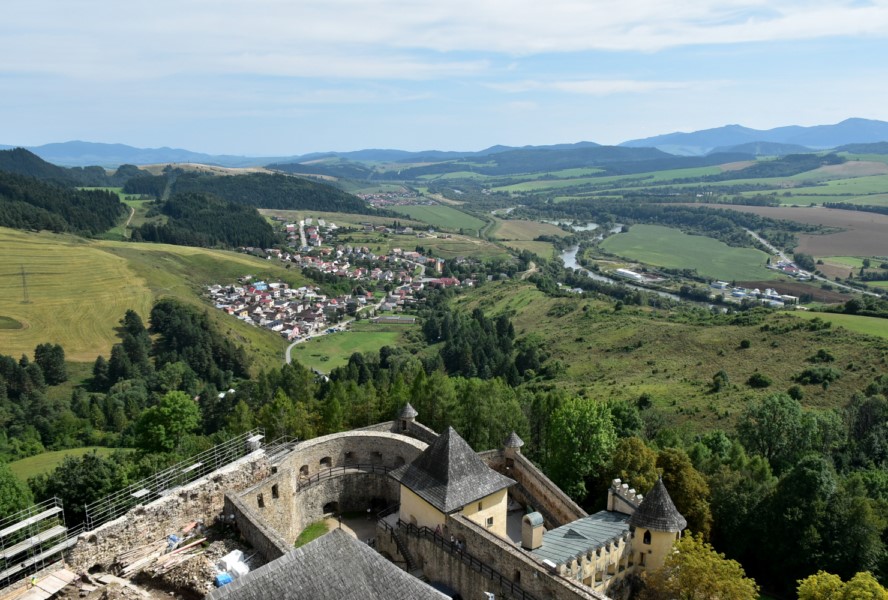
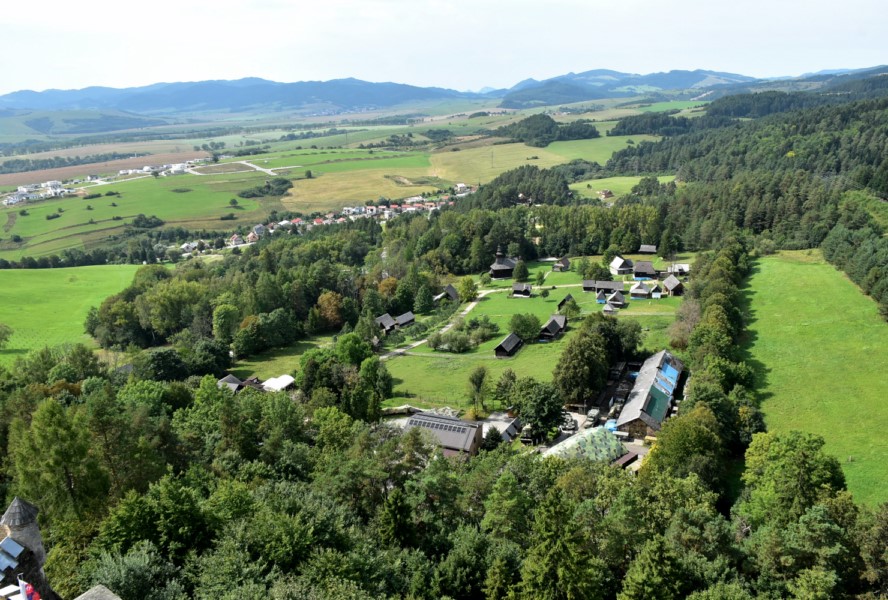
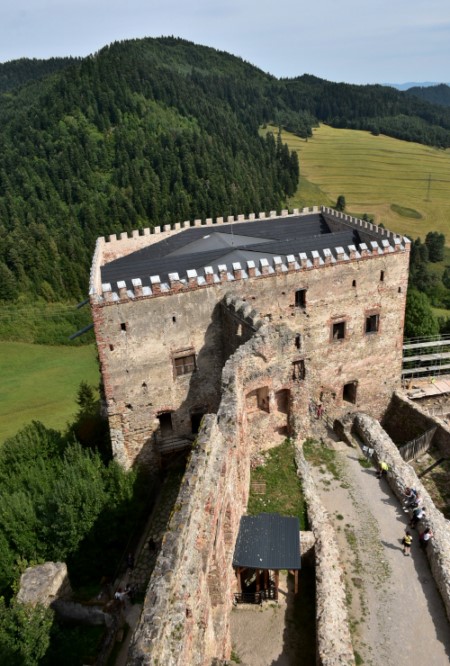
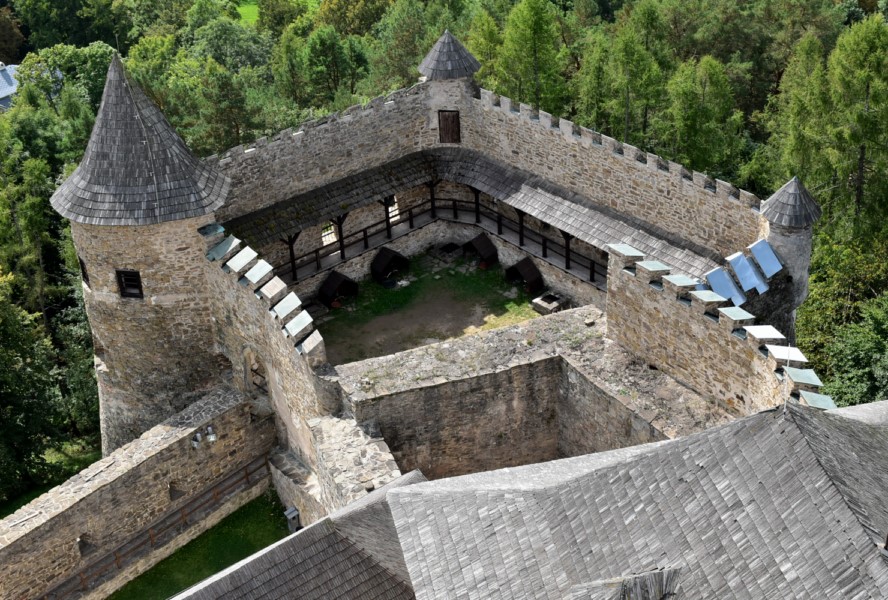
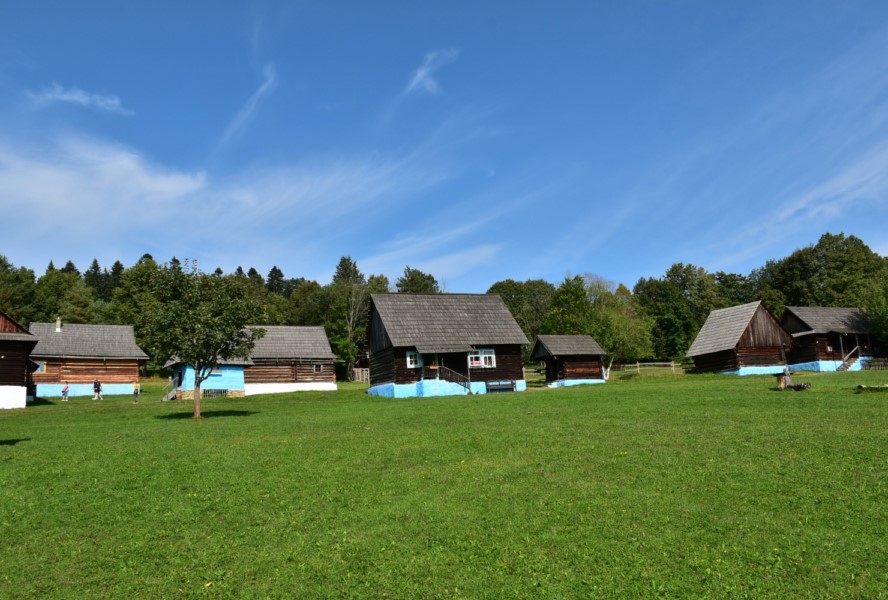
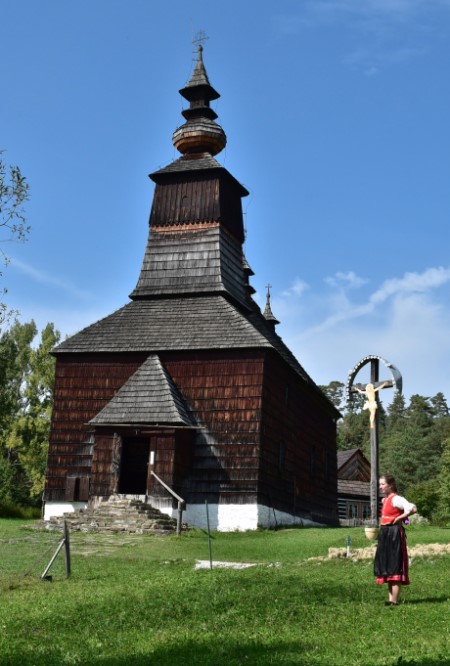
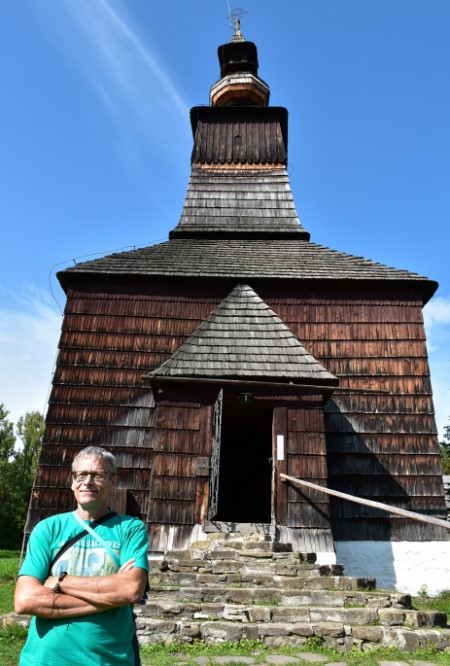
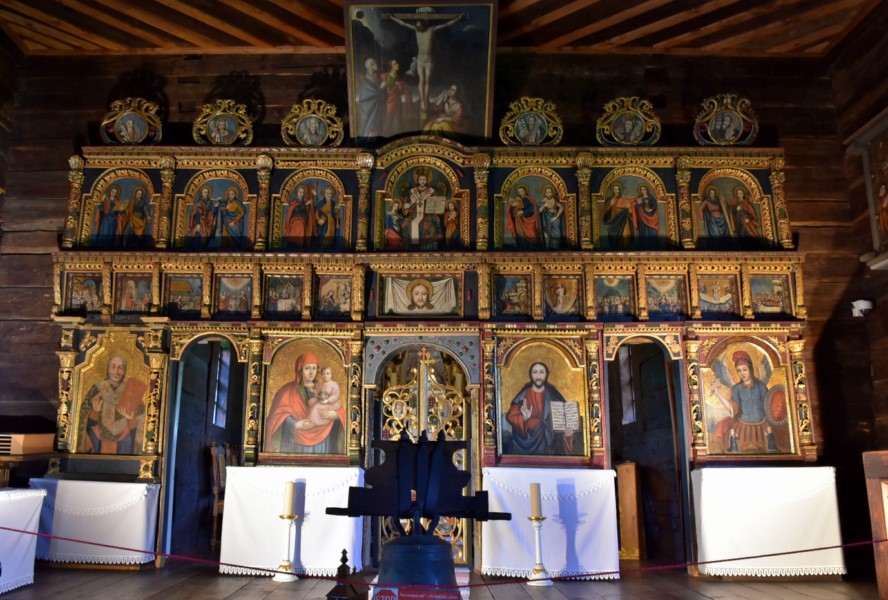
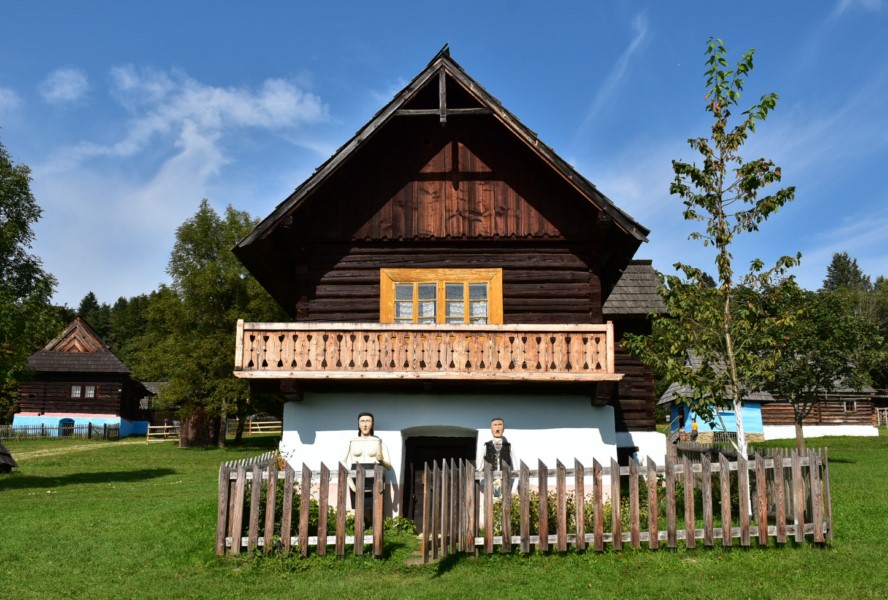
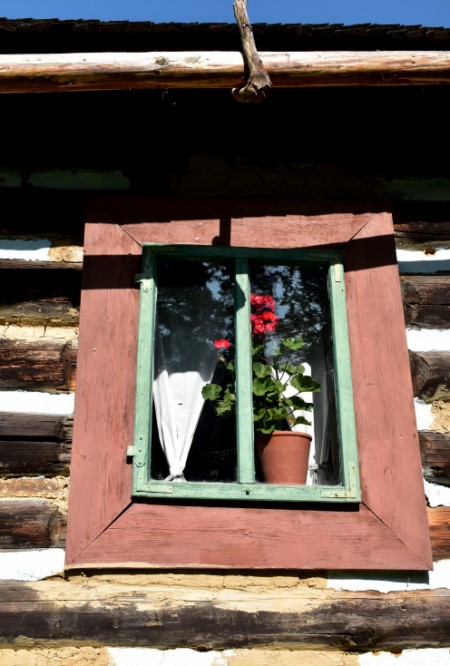
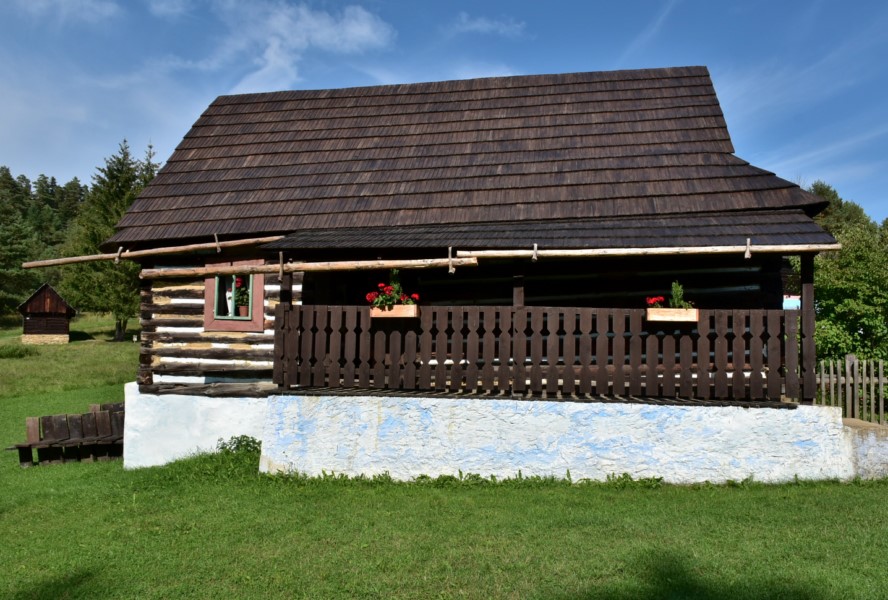
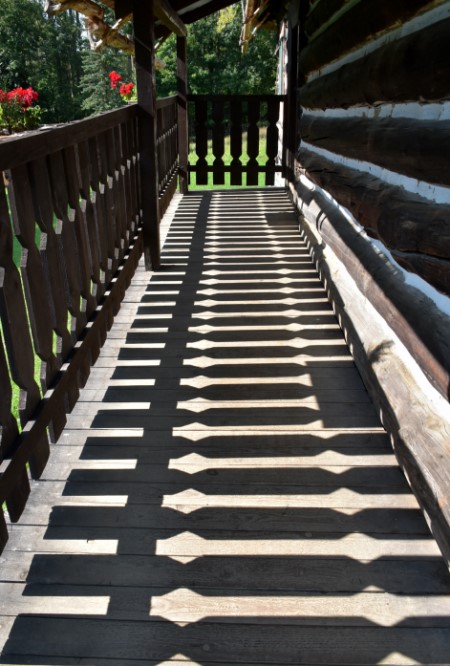
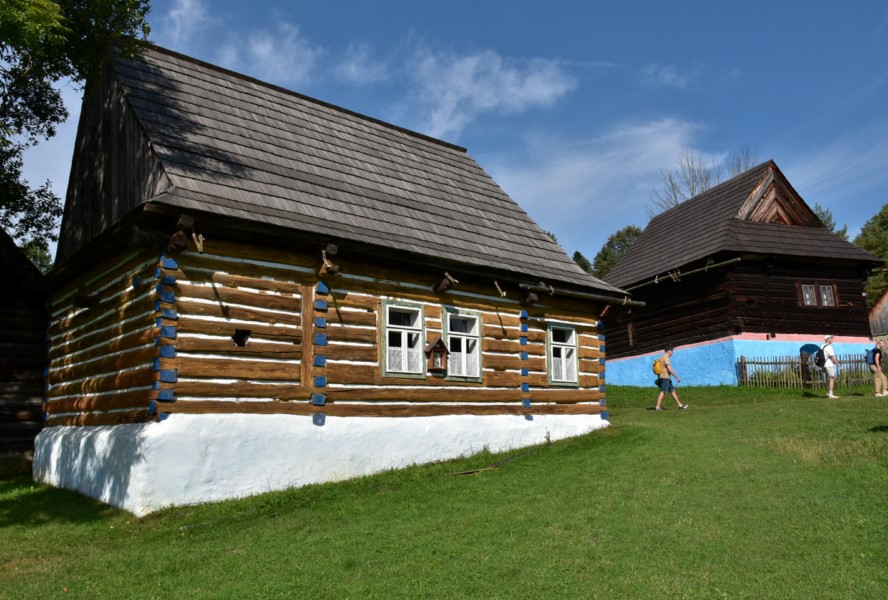
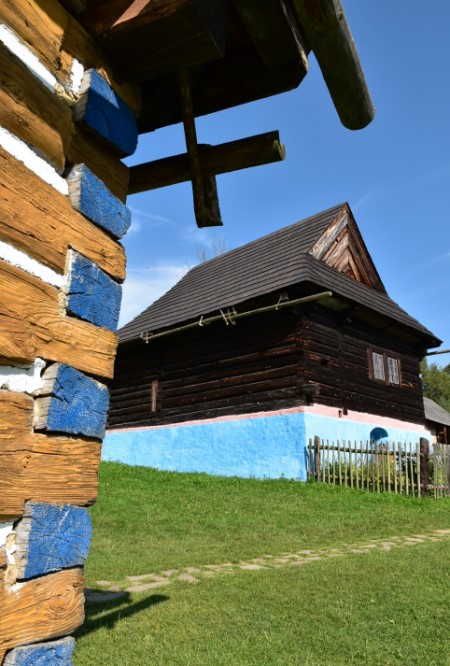
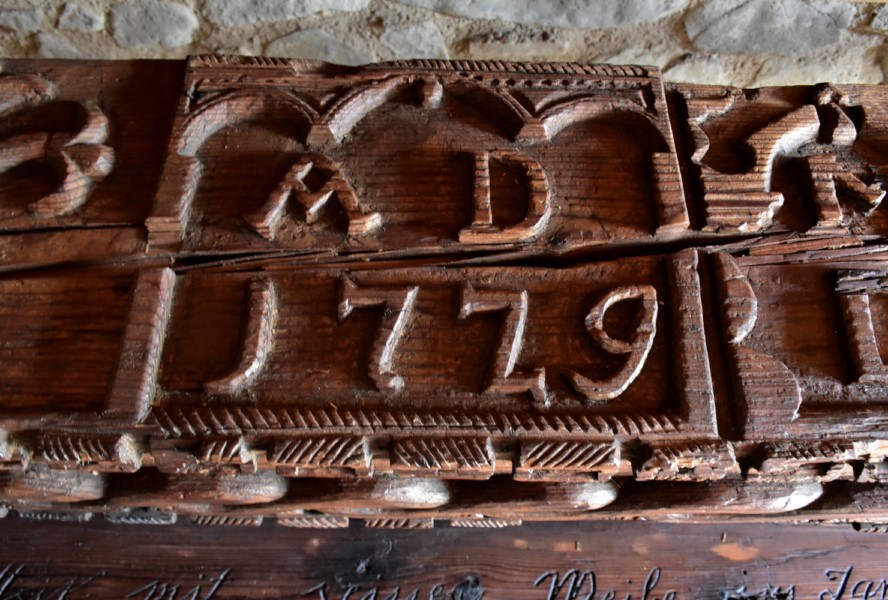
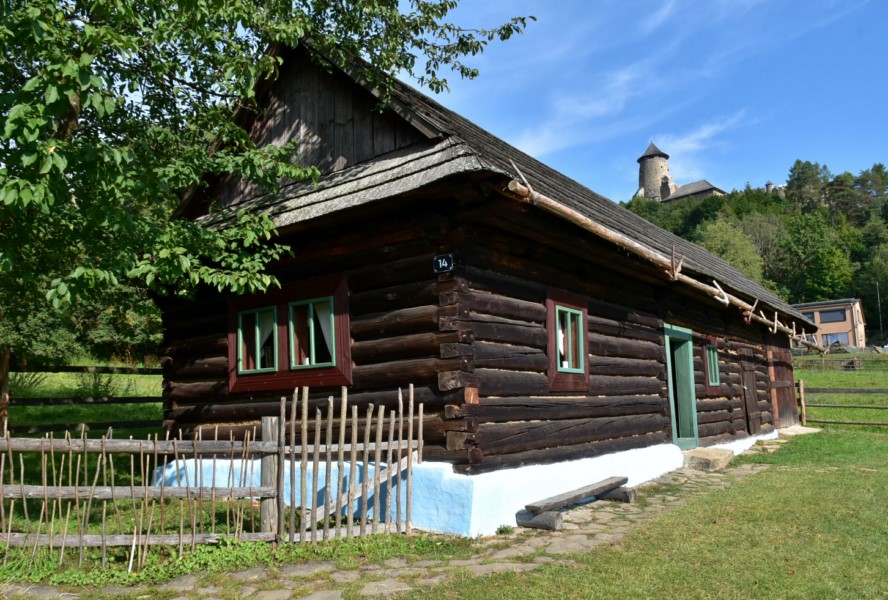
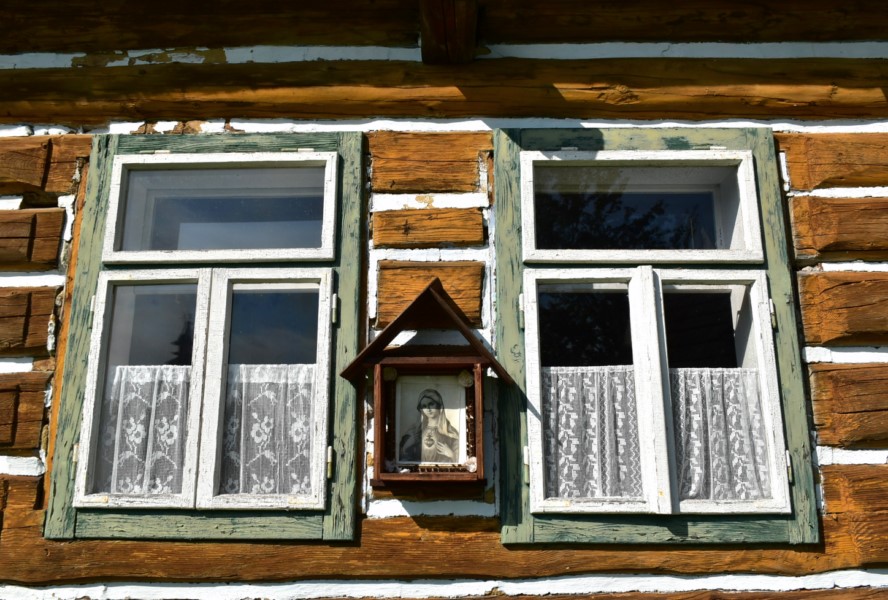
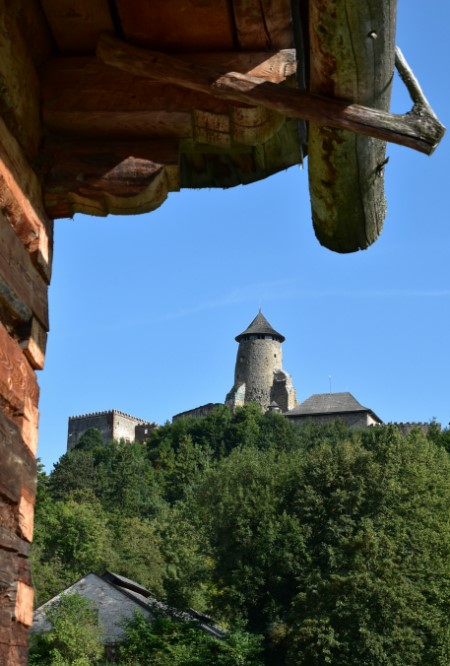
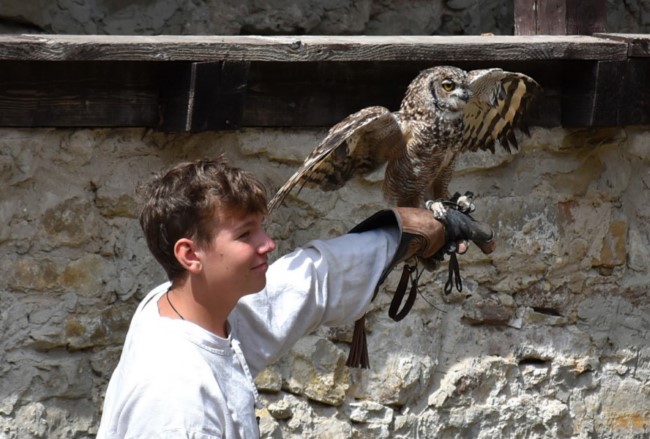
I have a special fondness for Lubovna, because I visited it many years ago during an integration trip related to my professional work. However, it is only now that I have appreciated the special charm of this place. The picturesque castle from the 13th century, full of memorabilia from the Lubomirski and Zamoyski families, fully deserves its fame. An additional attraction was a show of training birds of prey in the courtyard of the castle bastion. At the end of the day I visited the open-air museum presenting the architecture of Zamagurie.
Červeny Klaštor
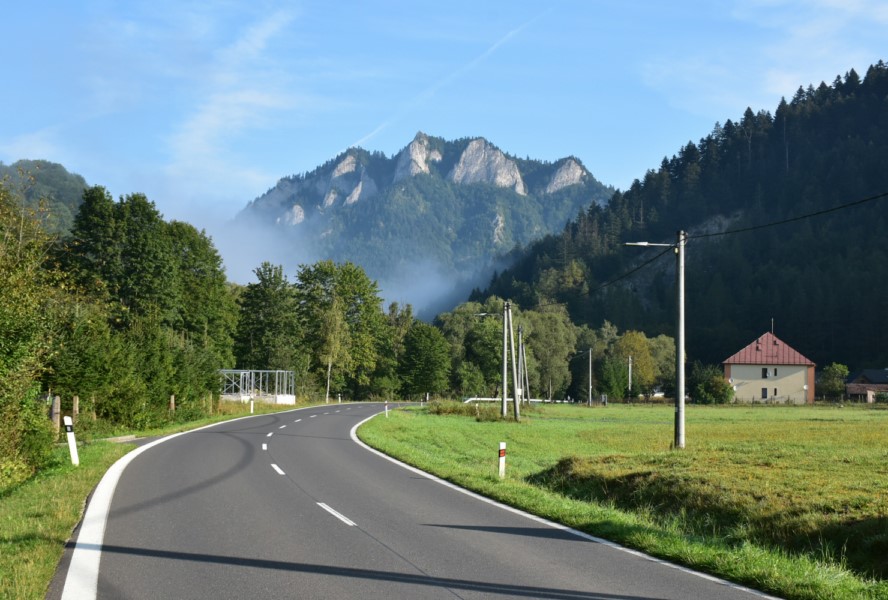
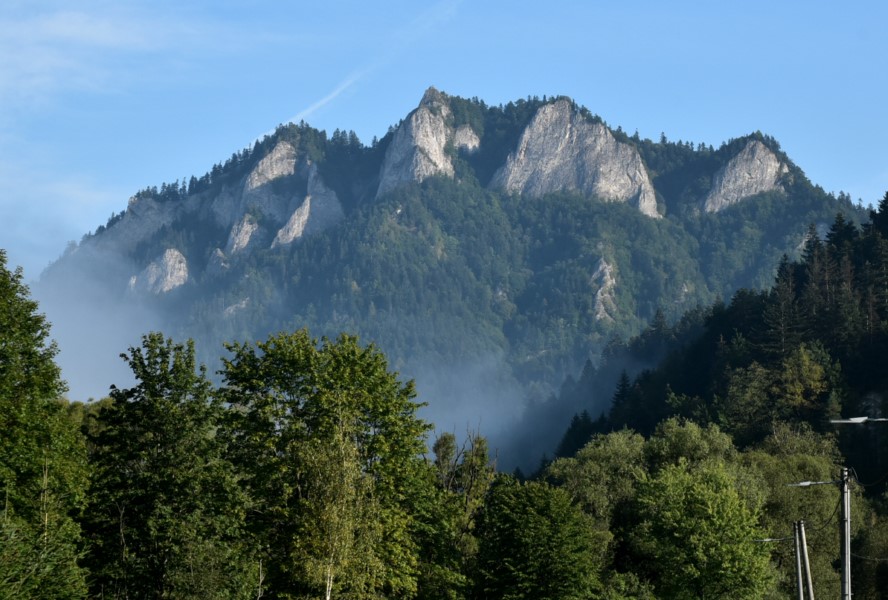
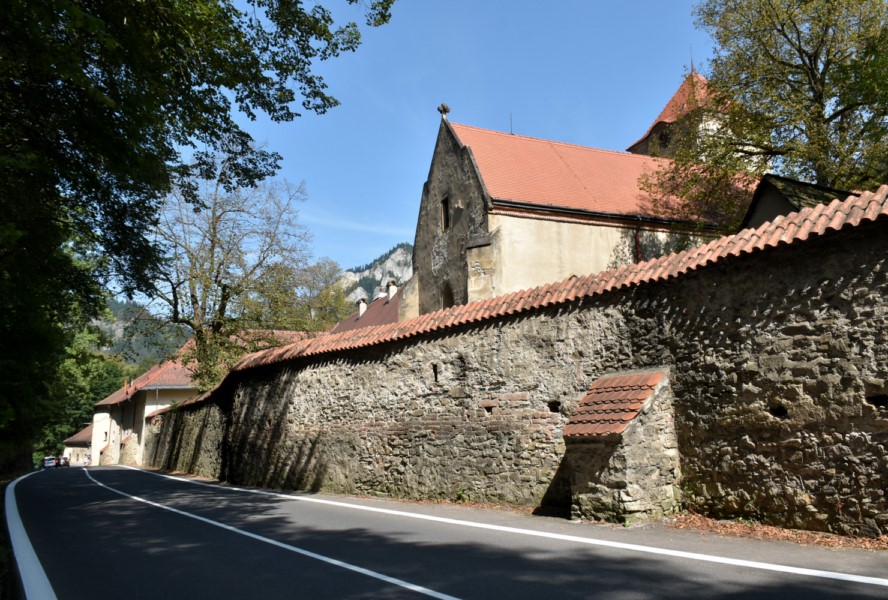
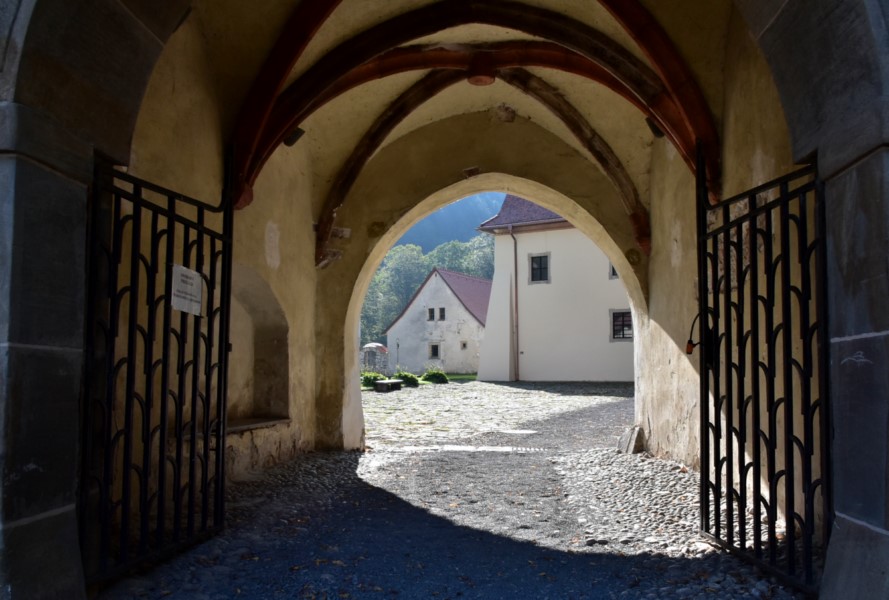
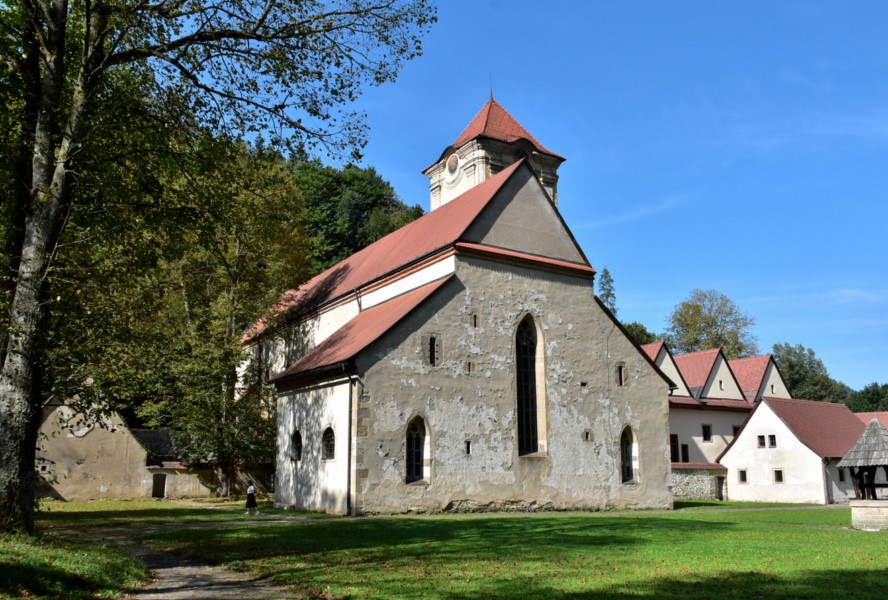
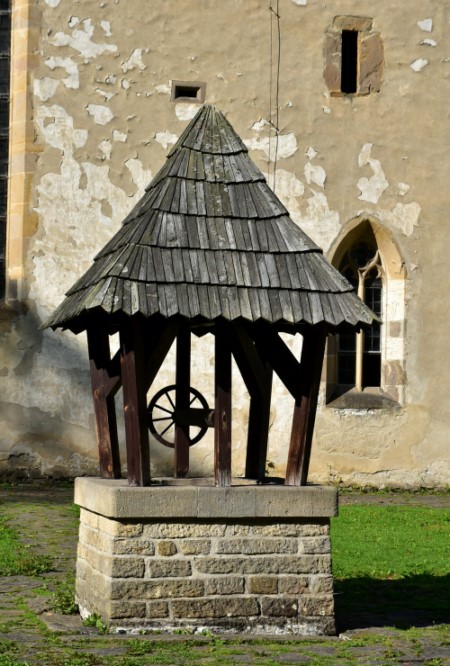
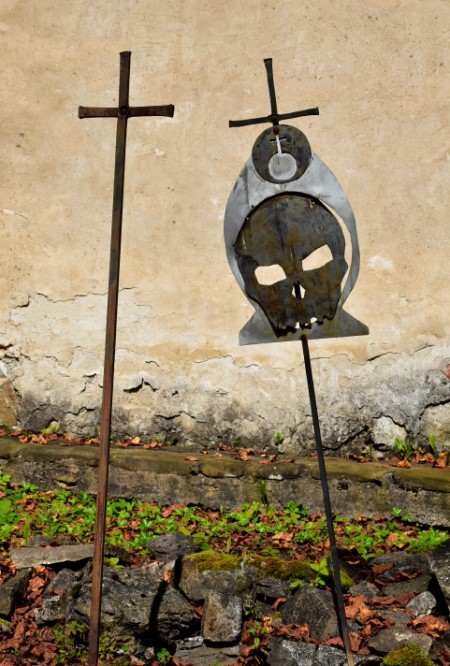
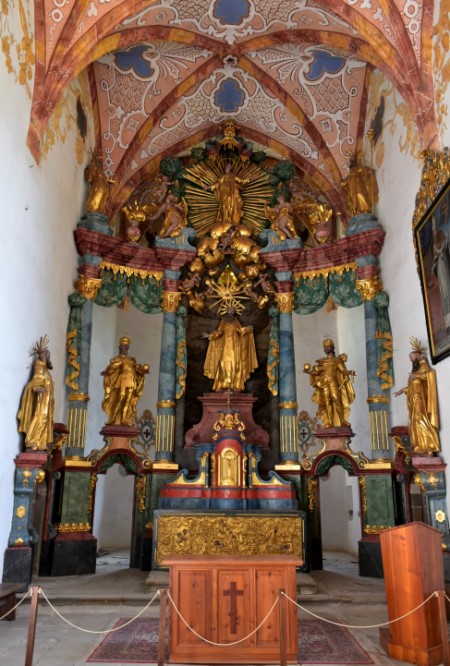
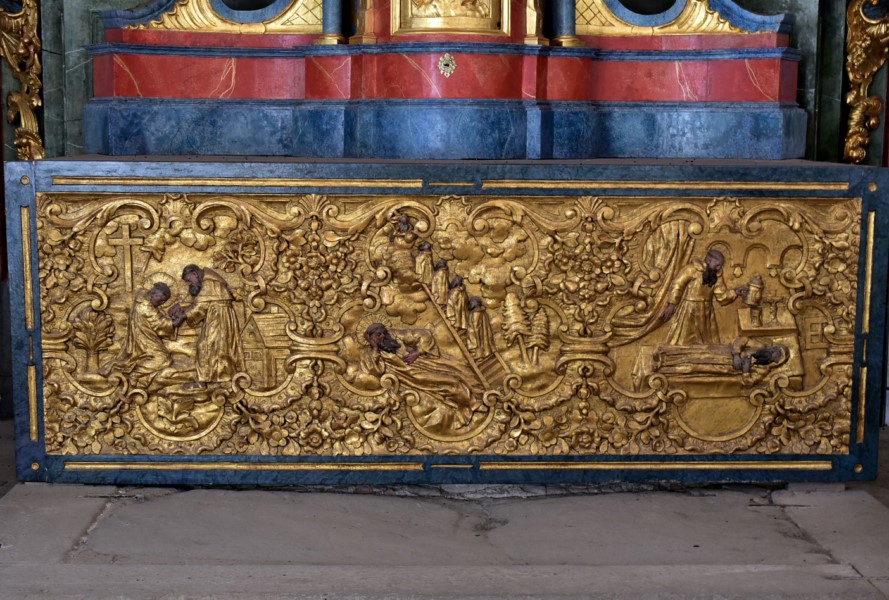
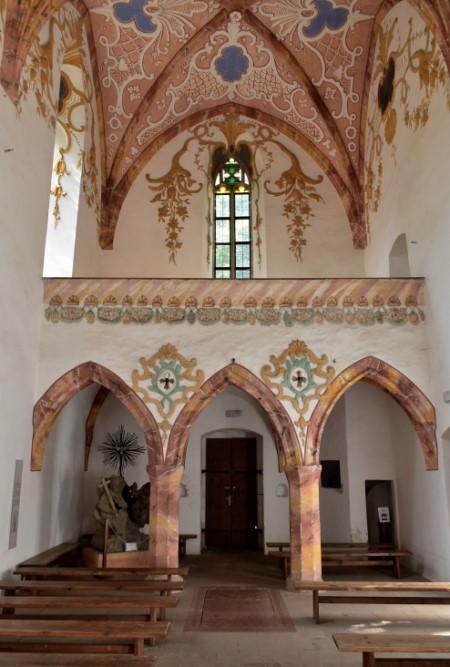
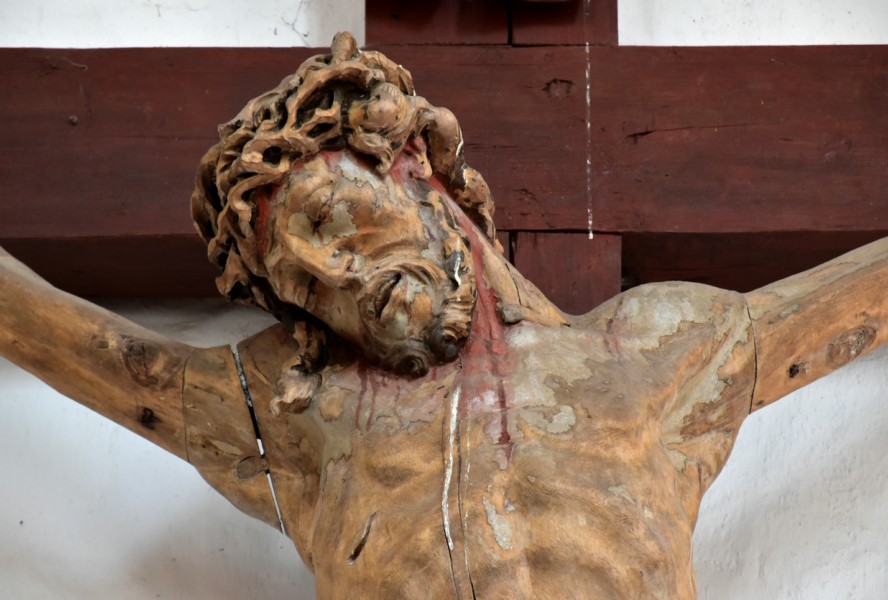
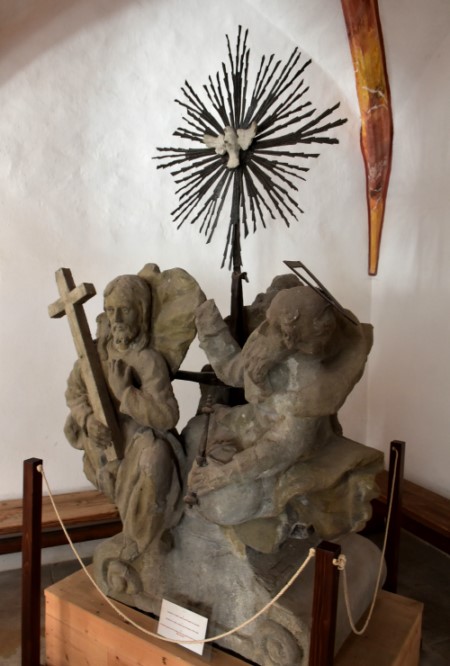
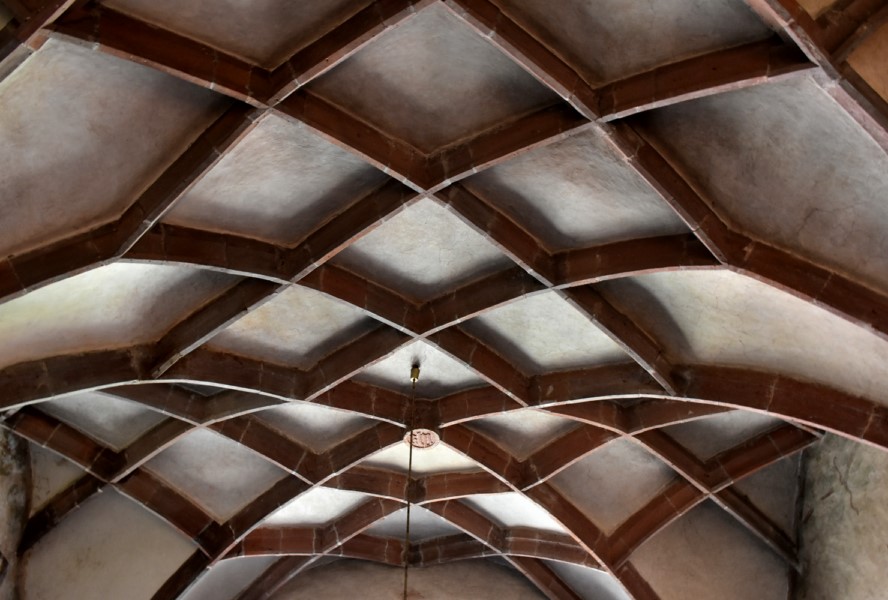
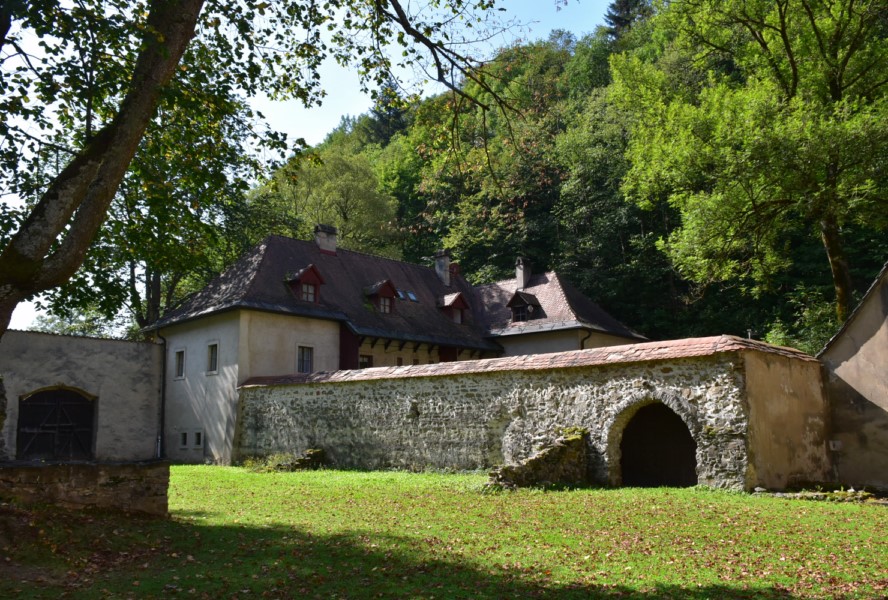
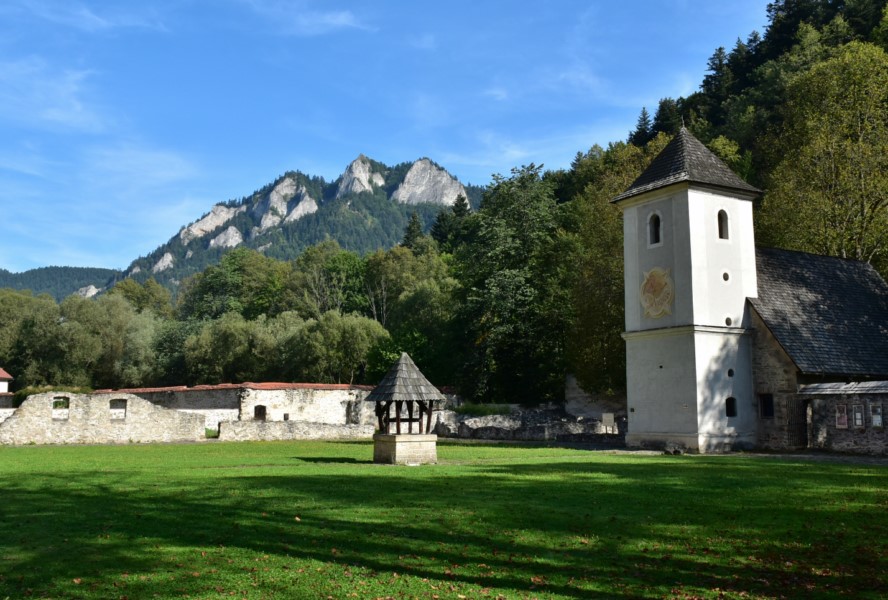
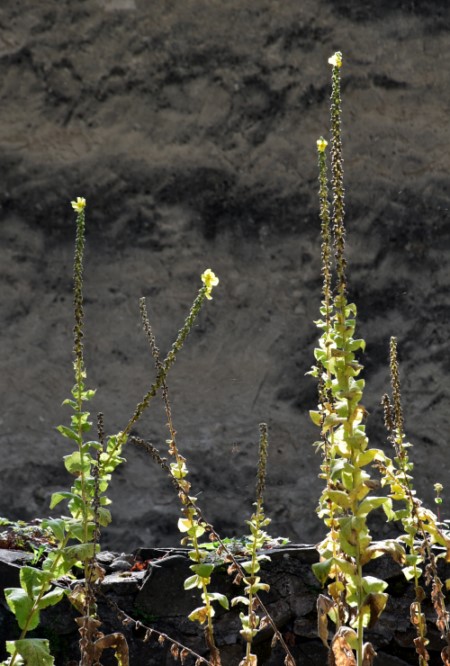
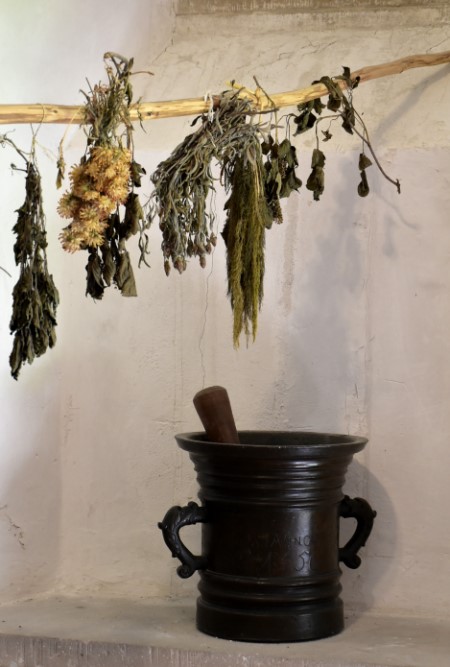
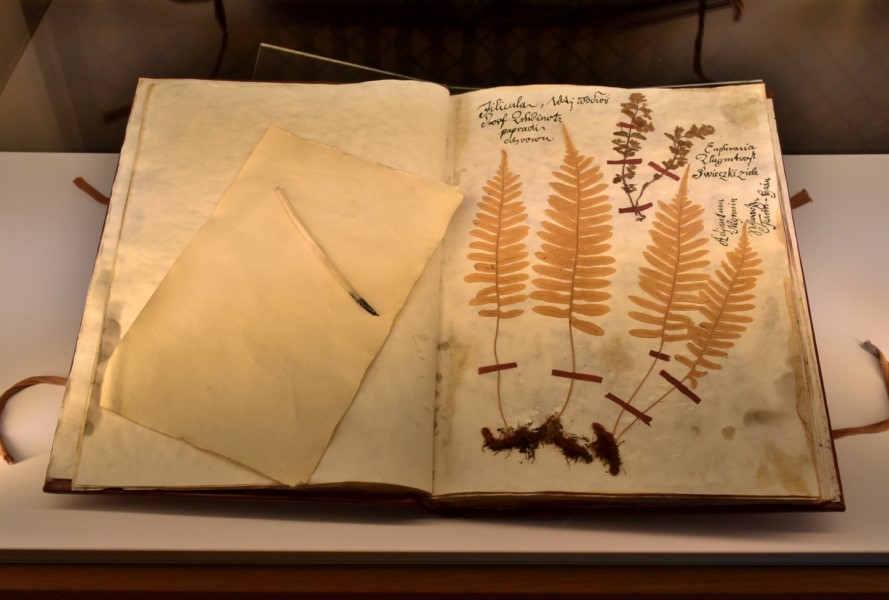
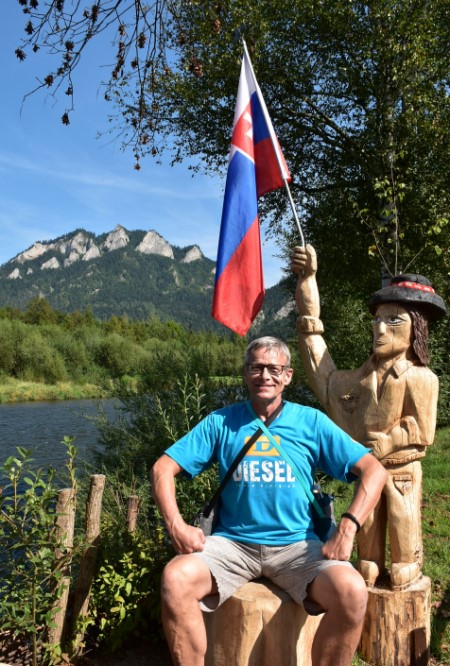
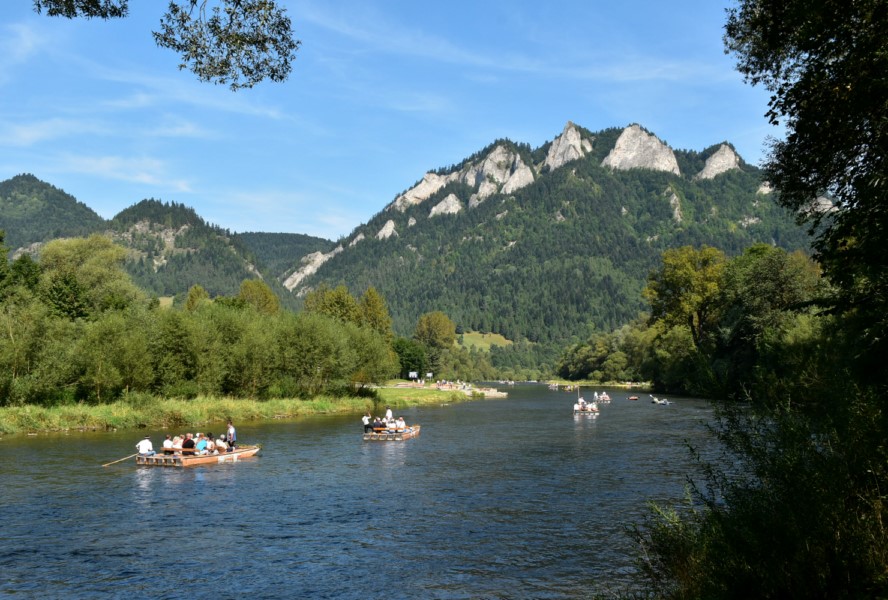
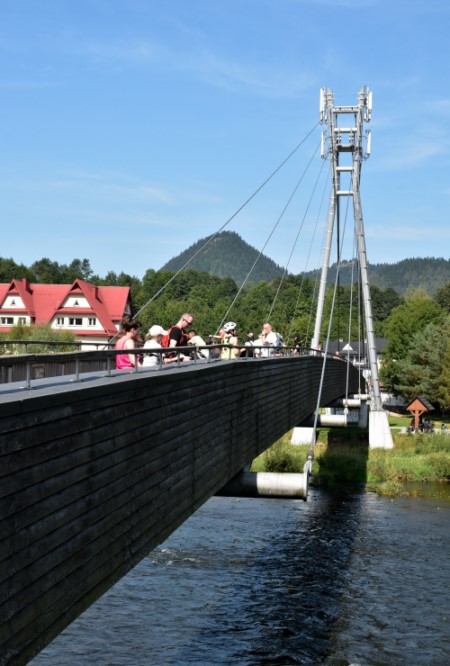
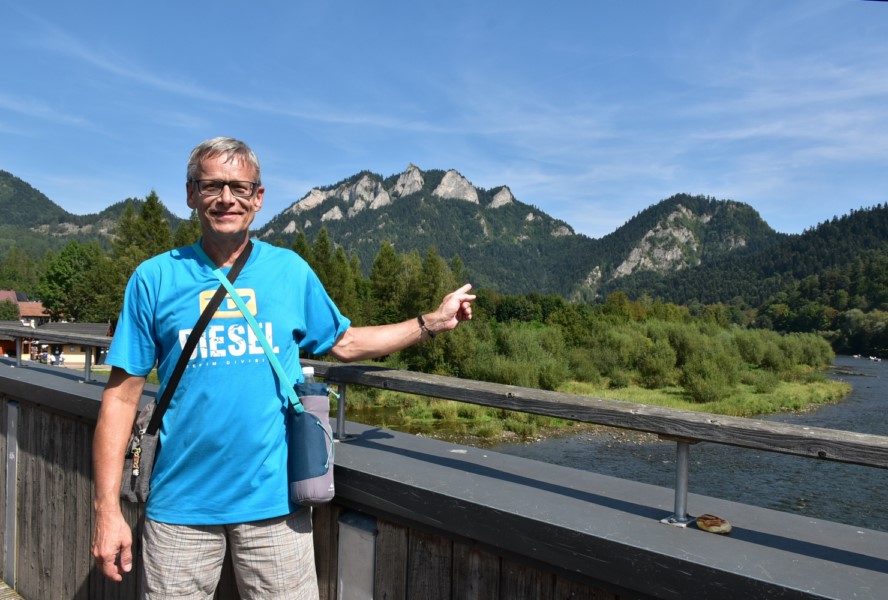
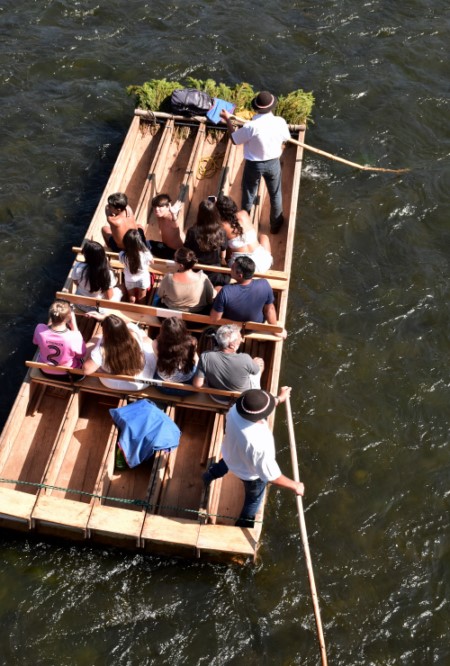
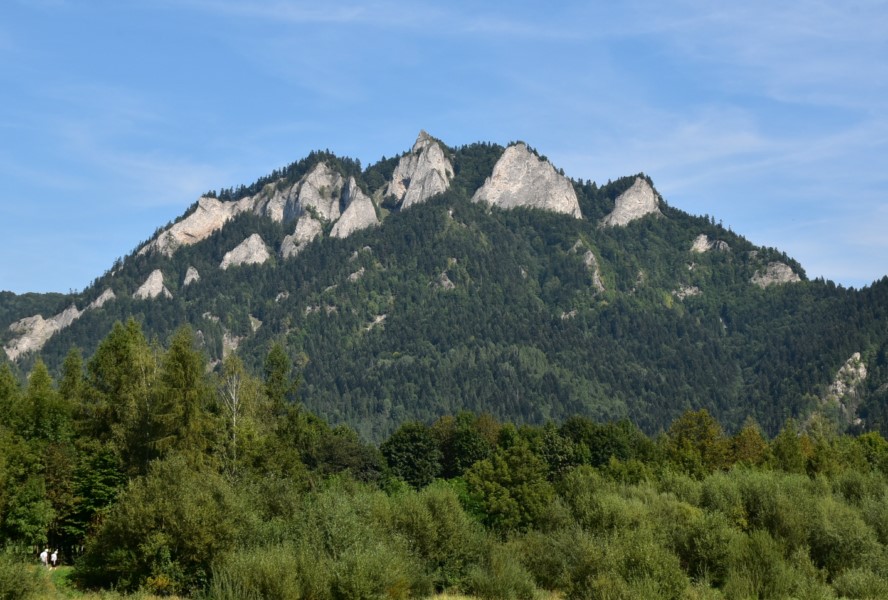
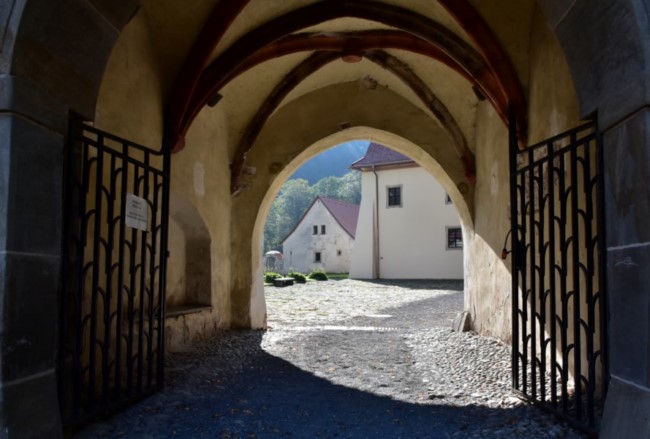
Červeny Klaštor is probably the most frequently visited place by Poles among our southern neighbors. This is due to its location right next to the polish-slovak border, as well as the pedestrian and bicycle footbridge built in 2006, which significantly improves communication. The monastery itself is usually associated with the flying monk Cyprian, and its greatest advantage is the picturesque location on the Dunajec River with a breathtaking view of the Three Crowns.
Kiezmarok and surroundings
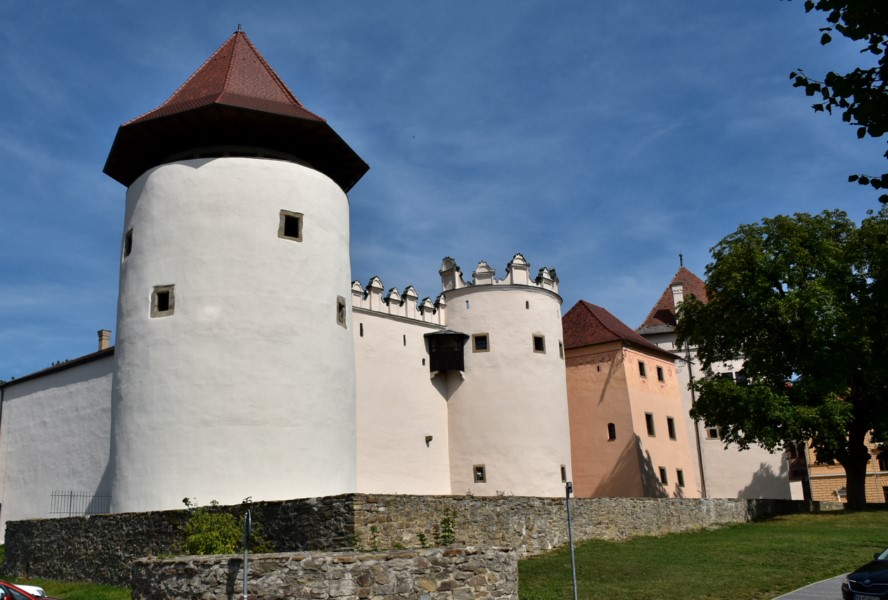
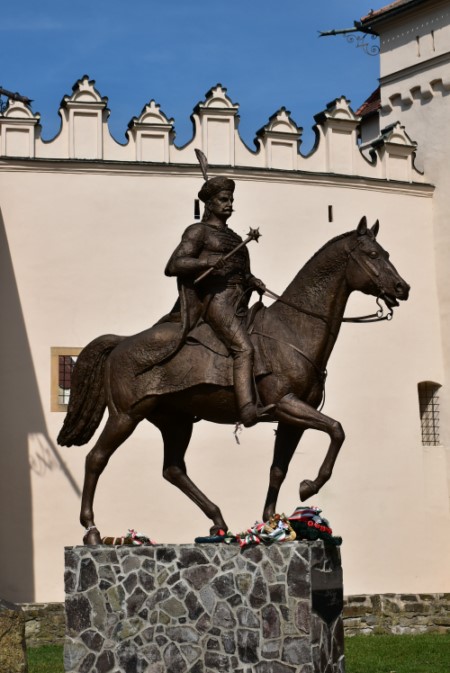
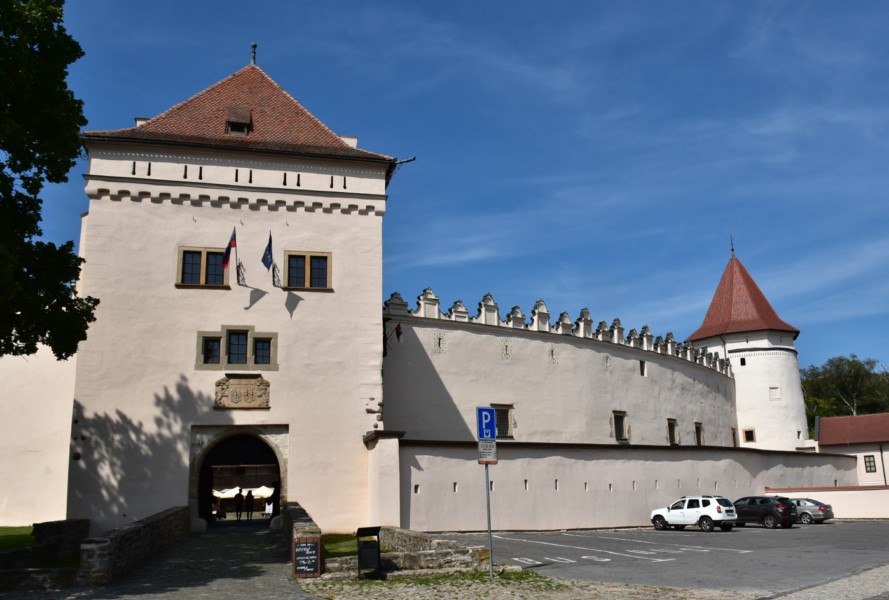
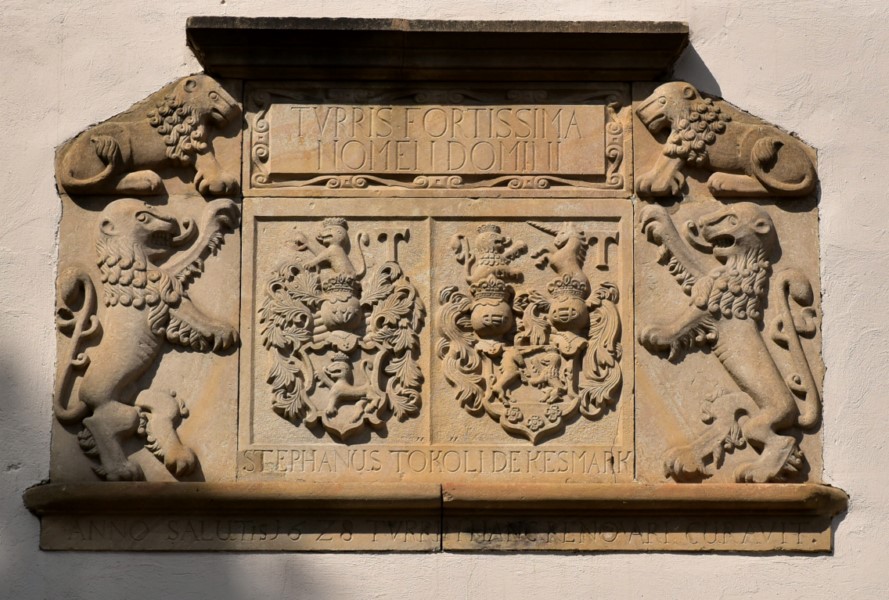
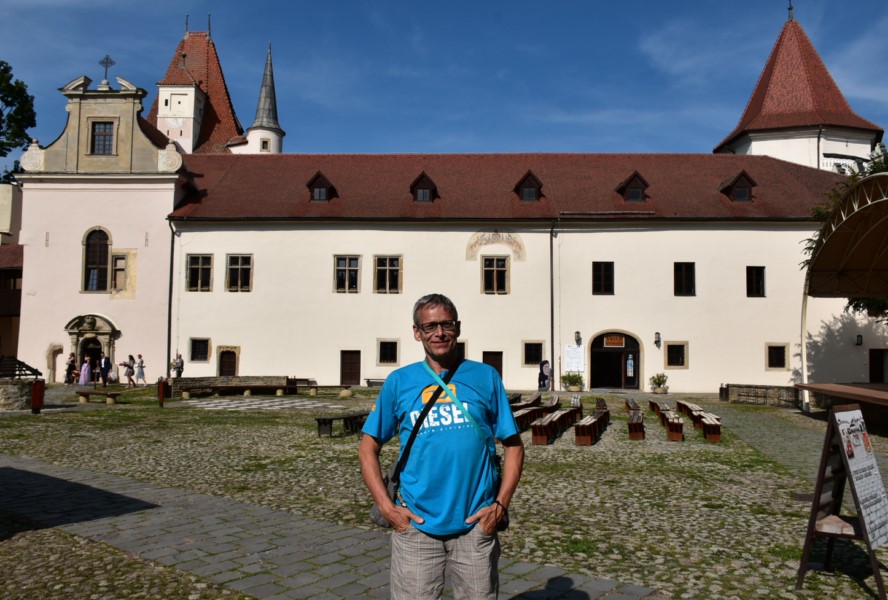
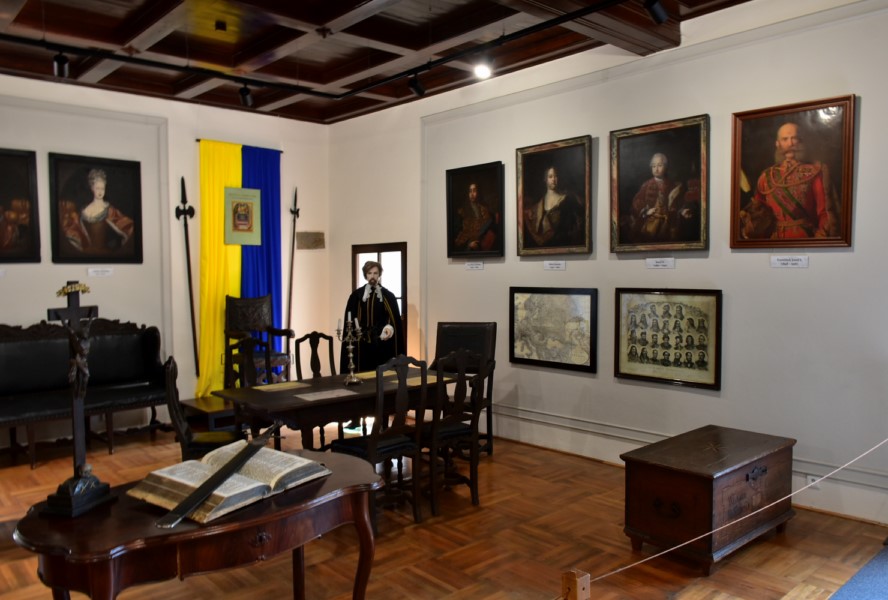
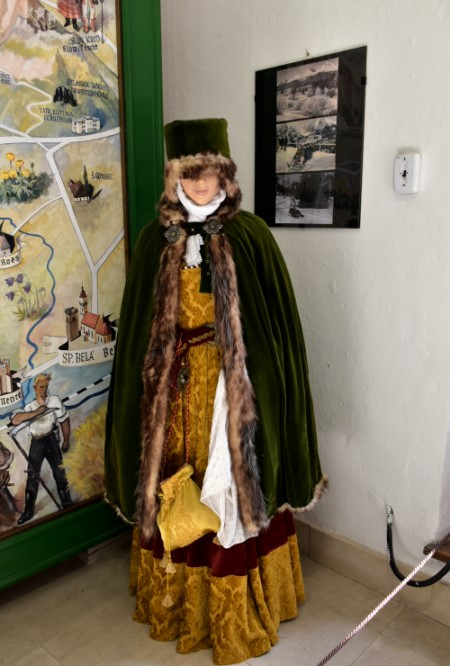
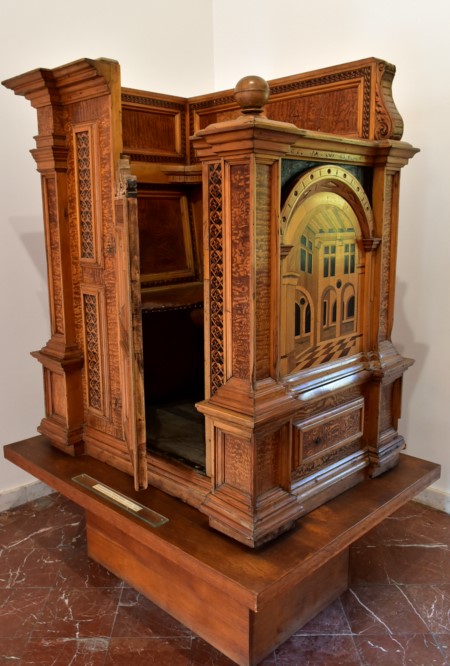
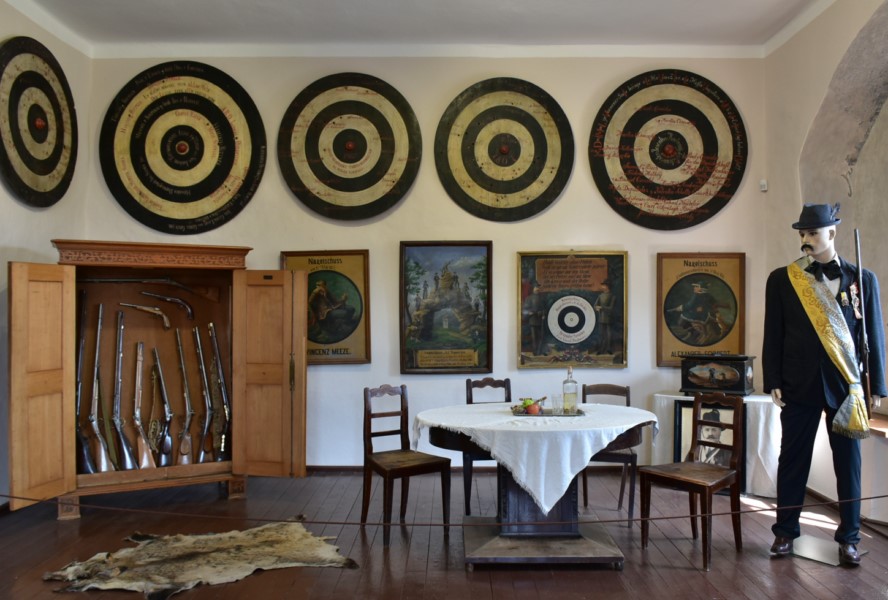
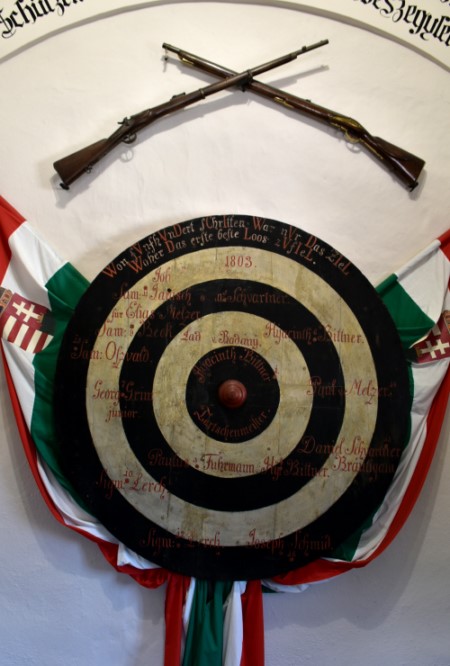
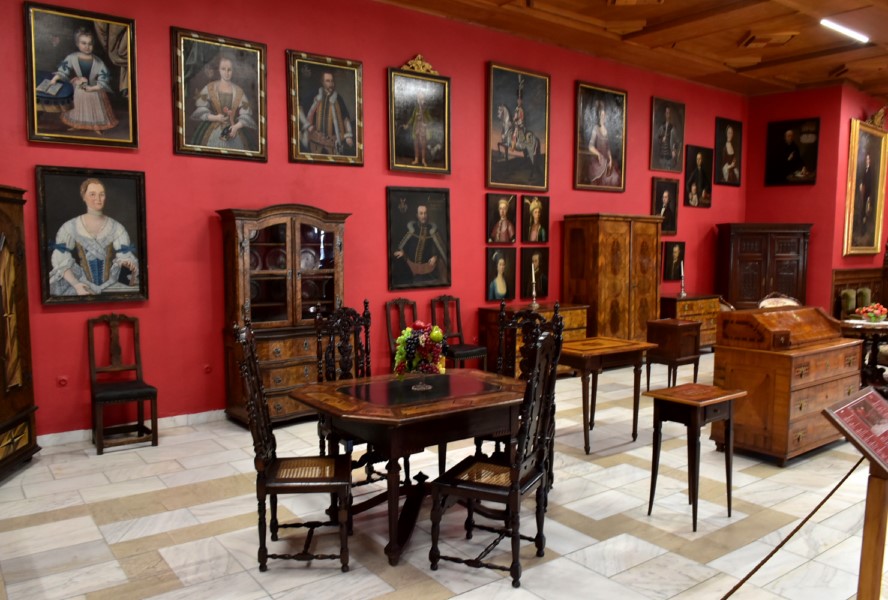
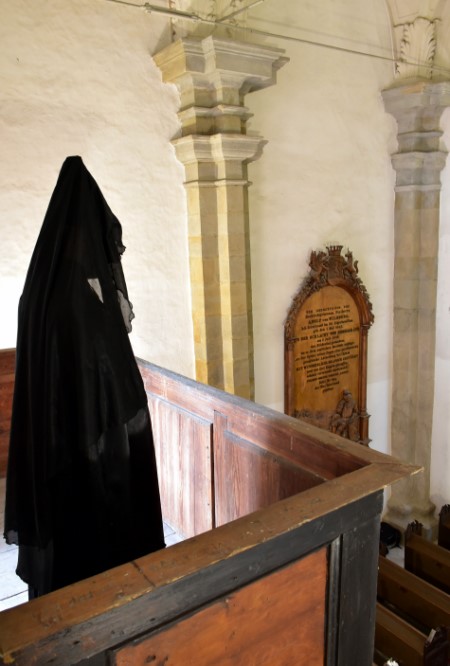
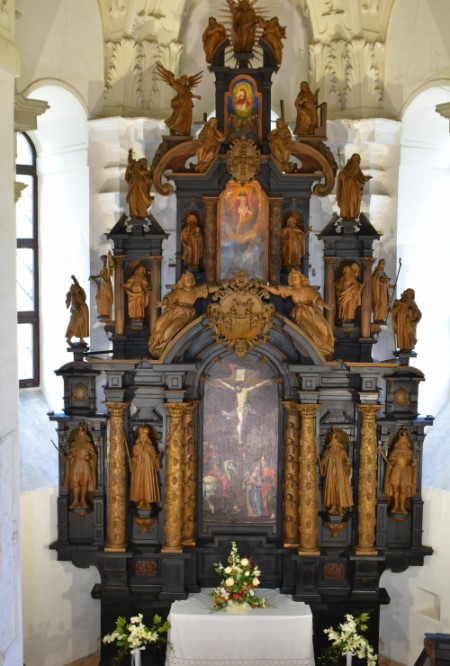
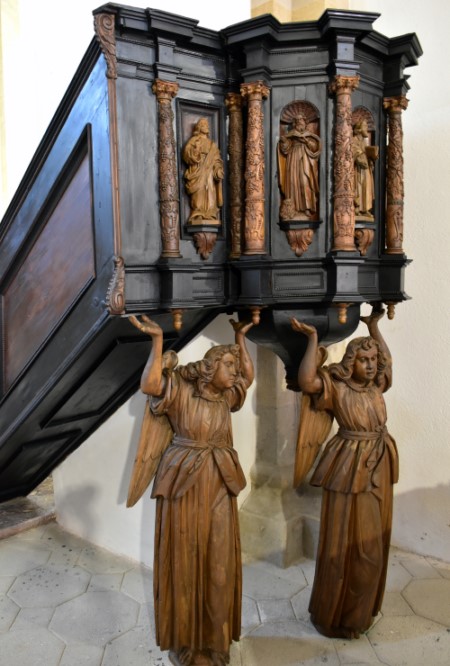
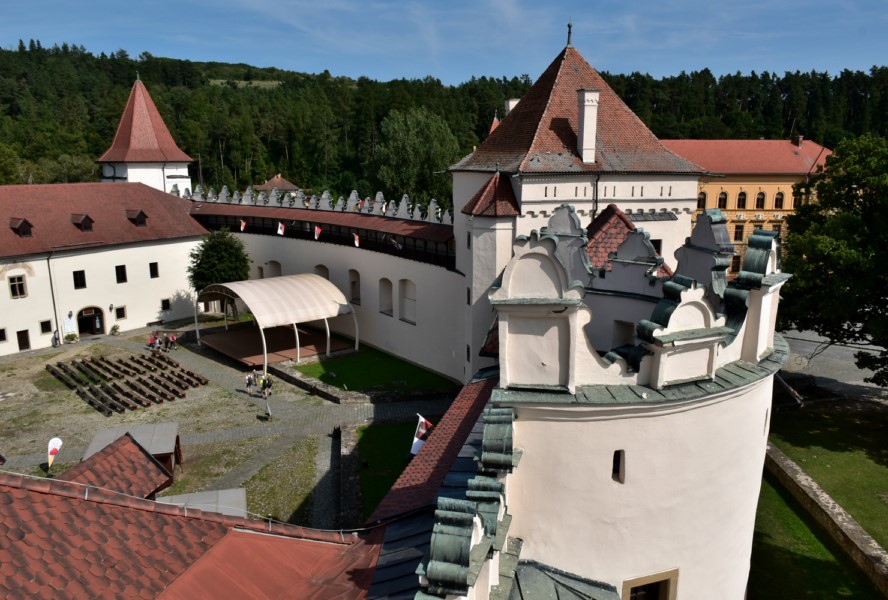
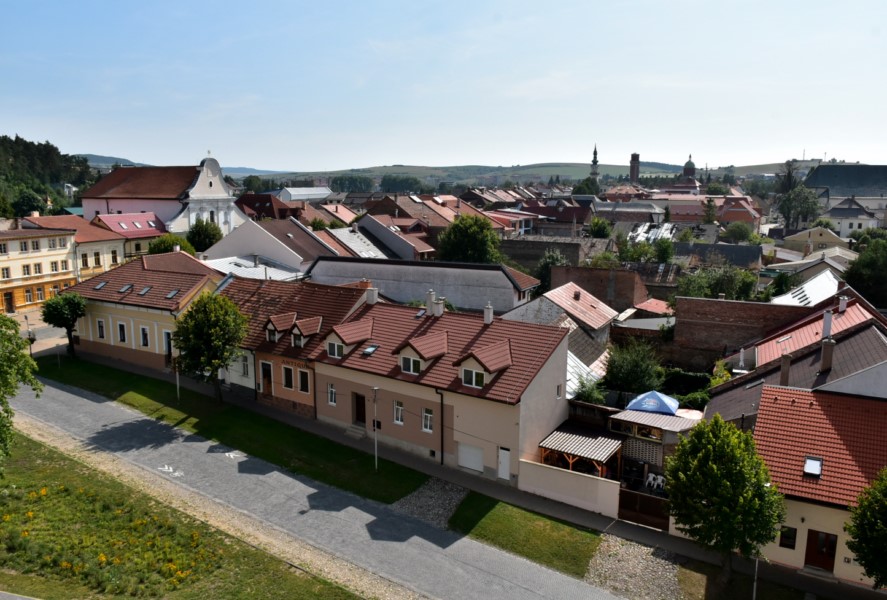
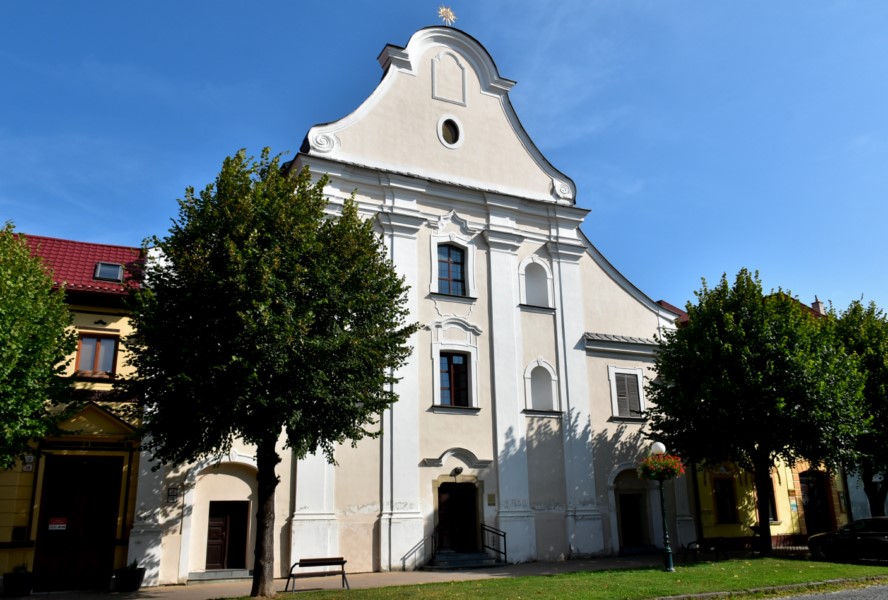
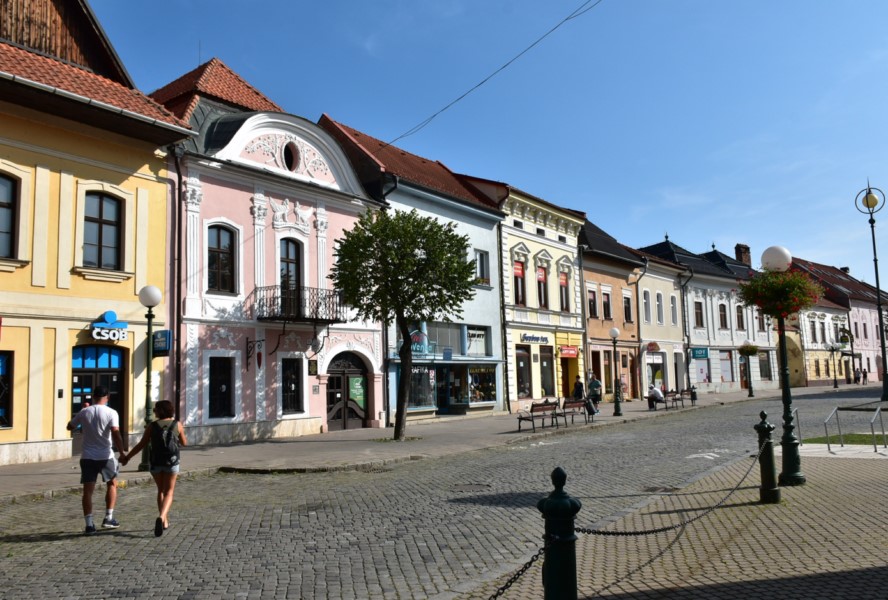
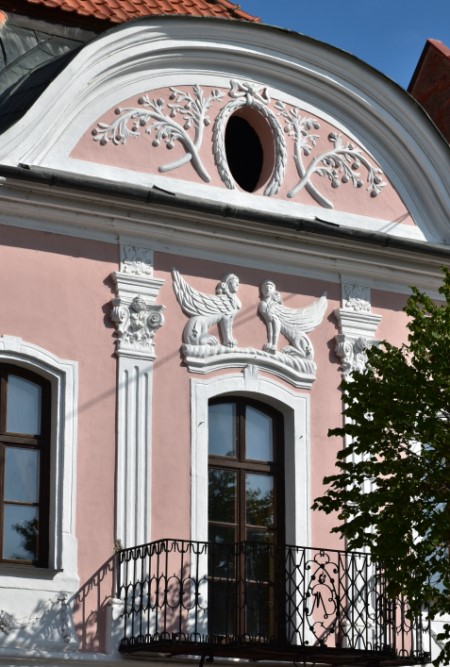
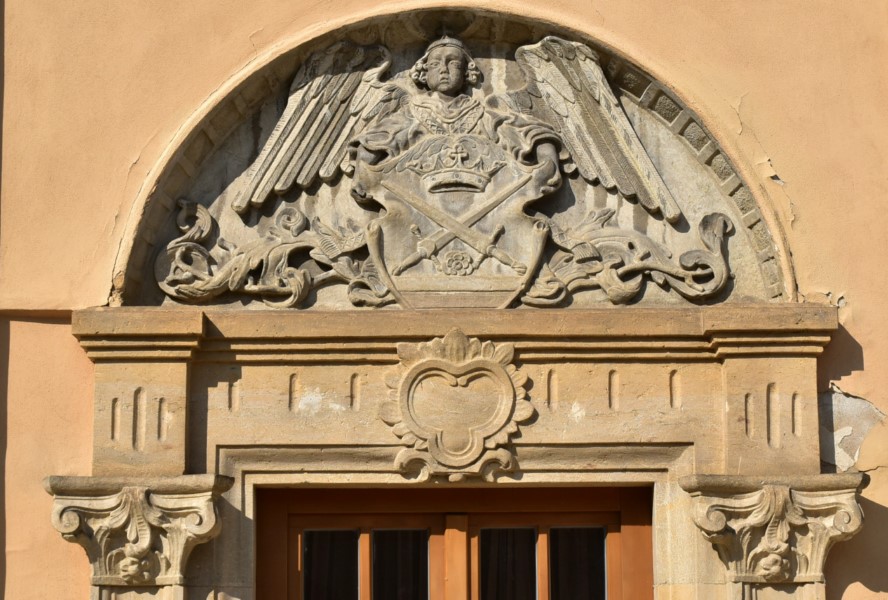
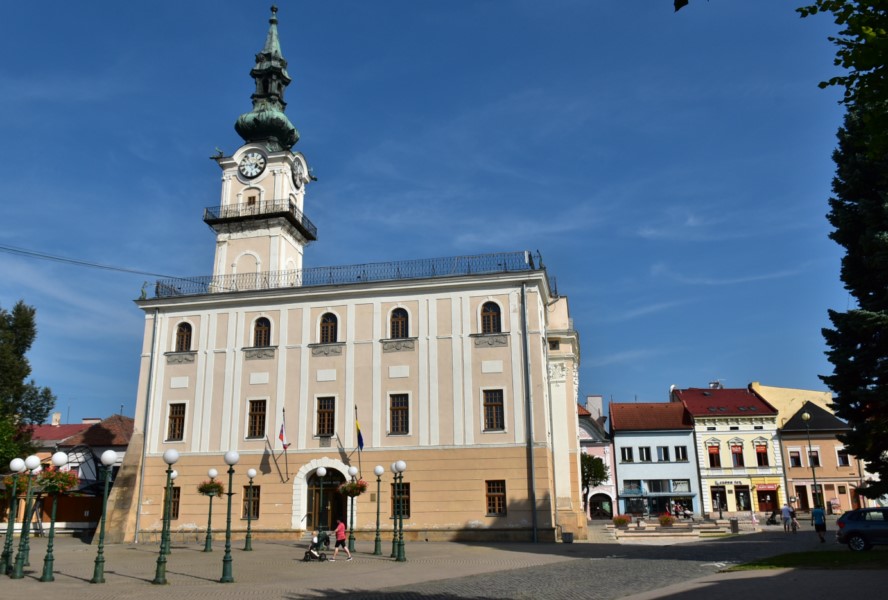
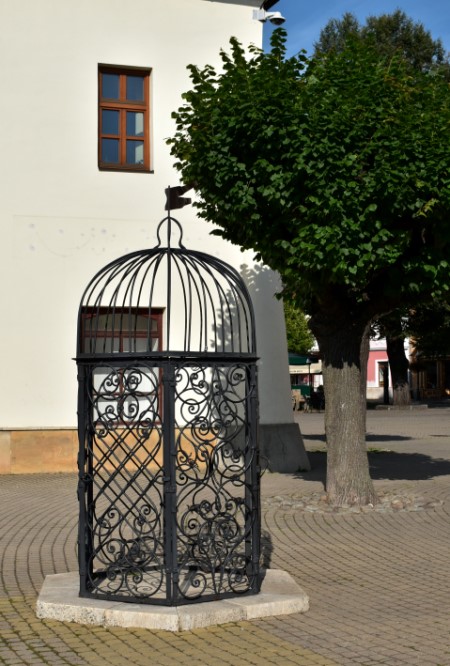
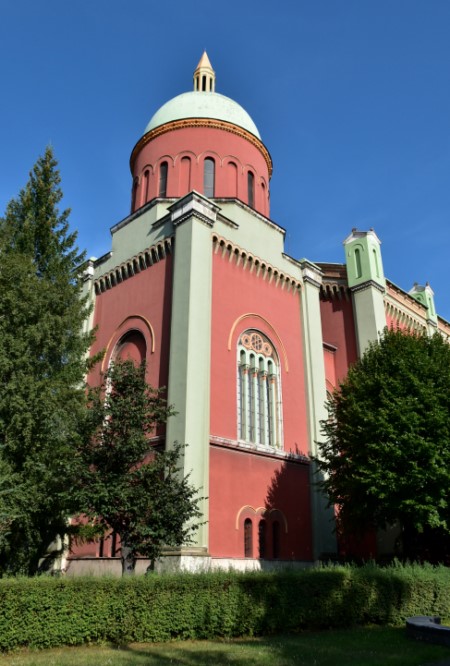
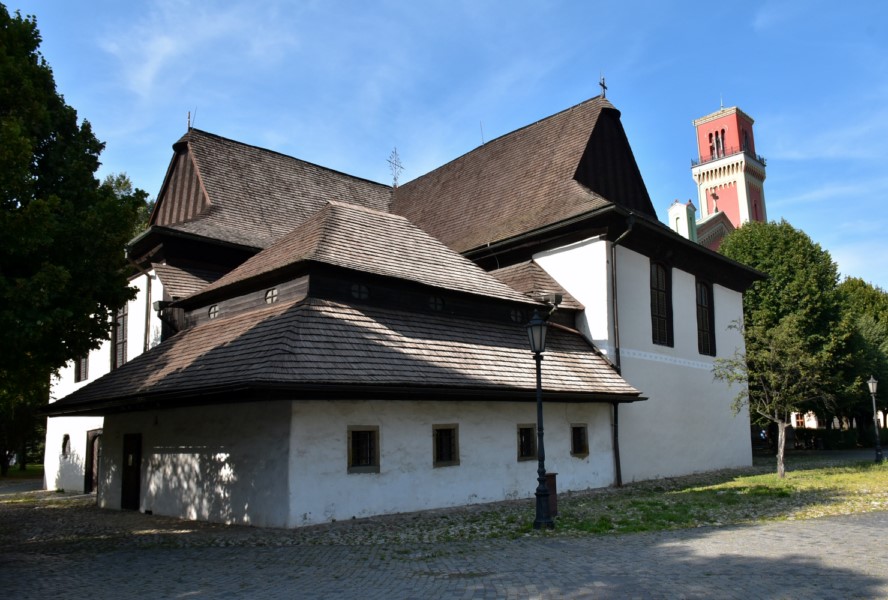
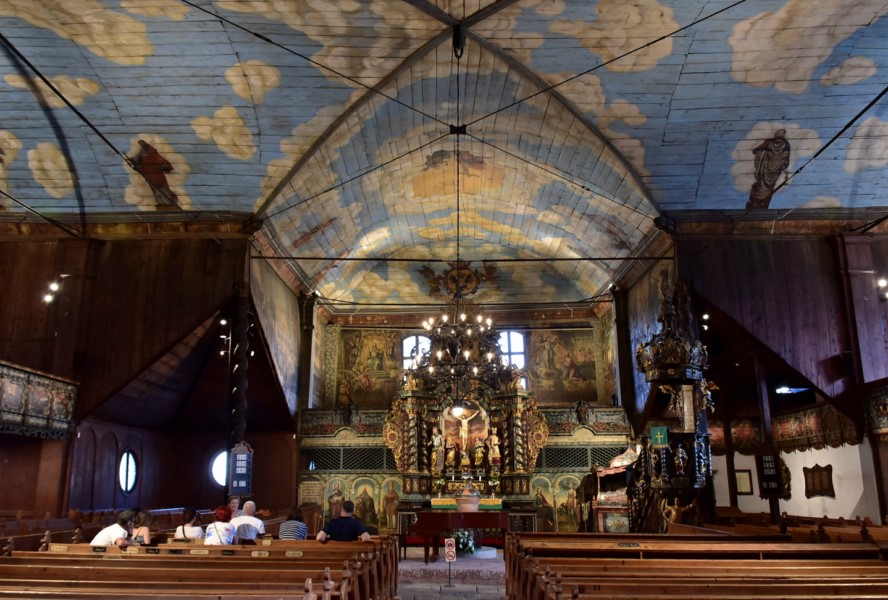
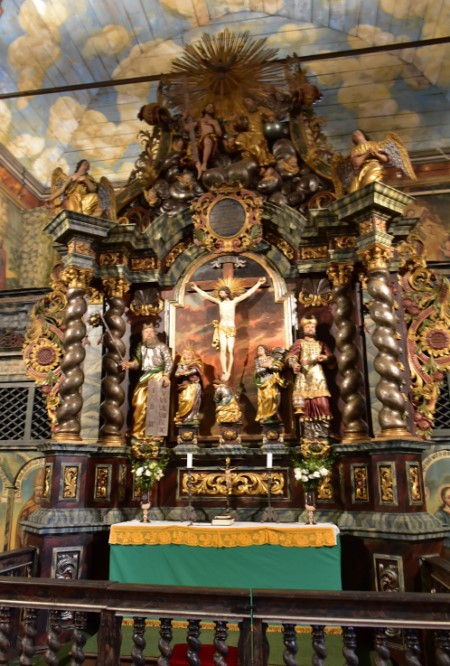
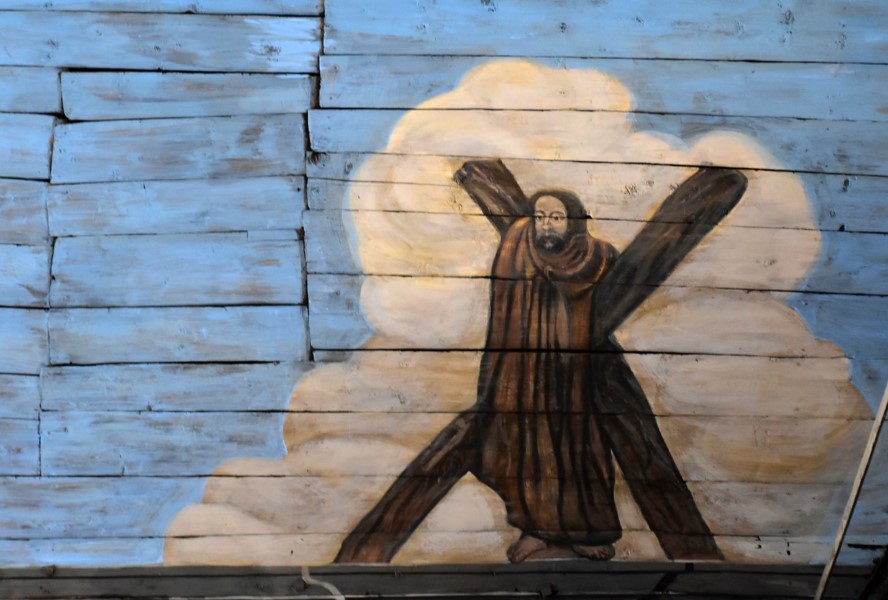
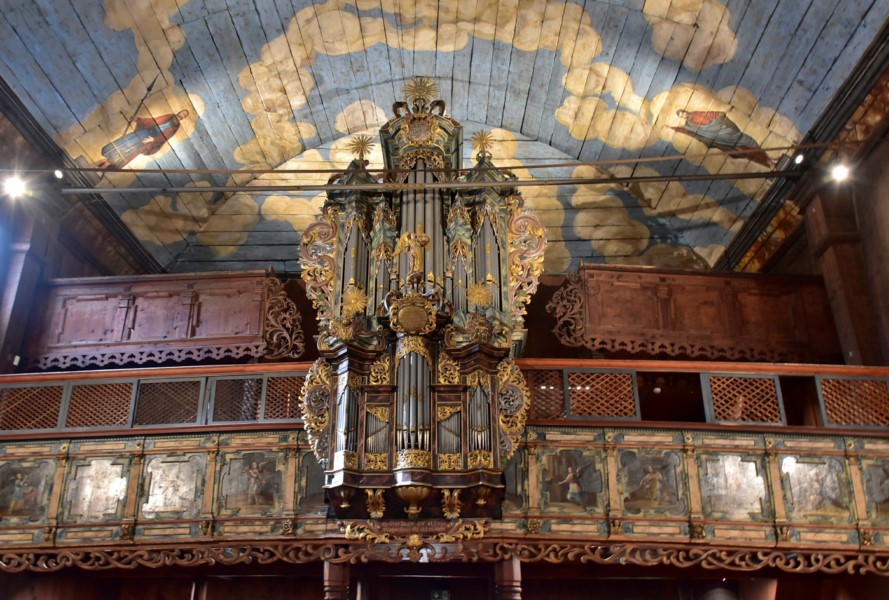
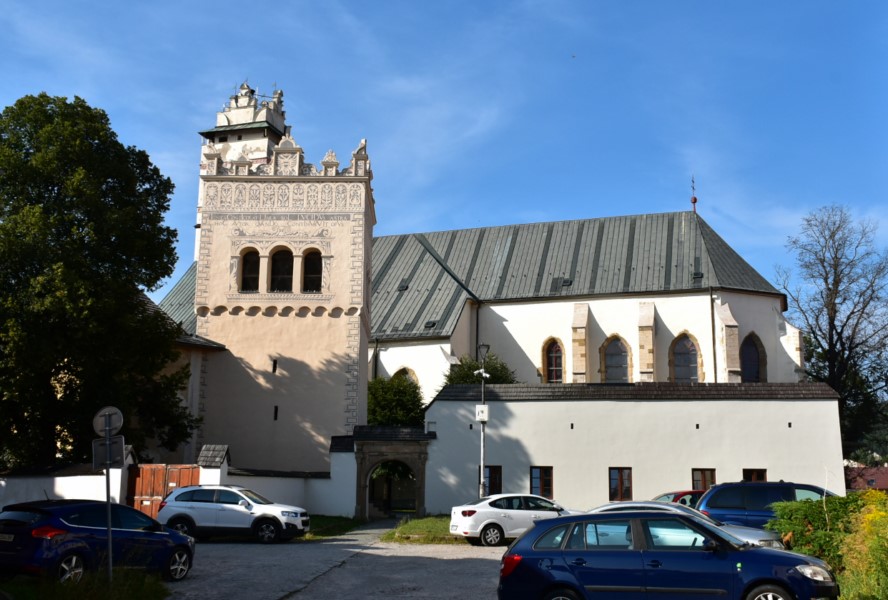
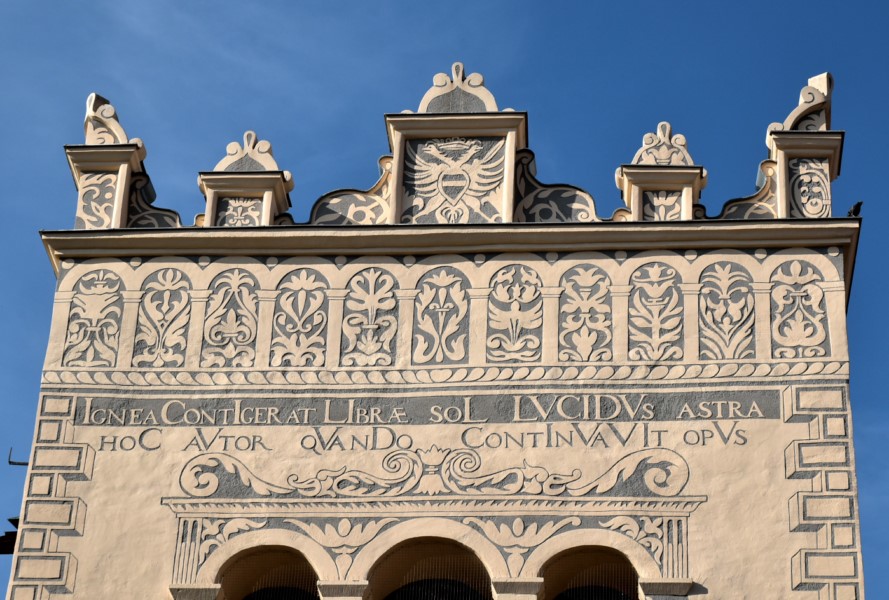
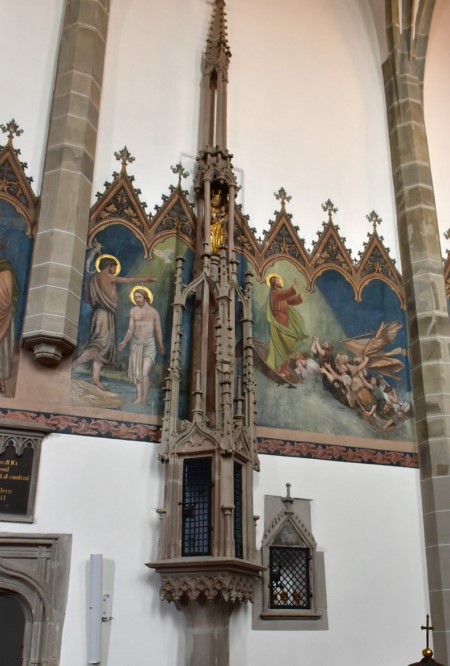
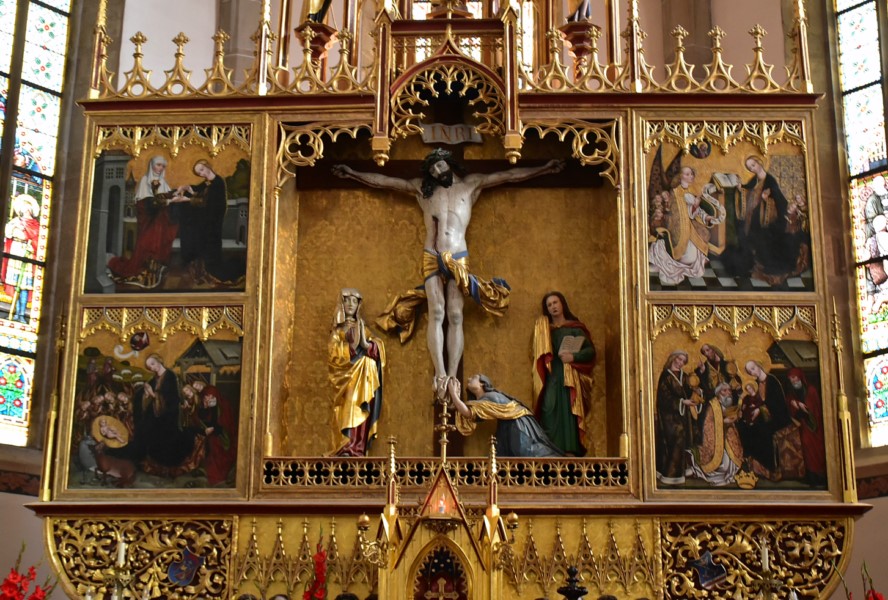
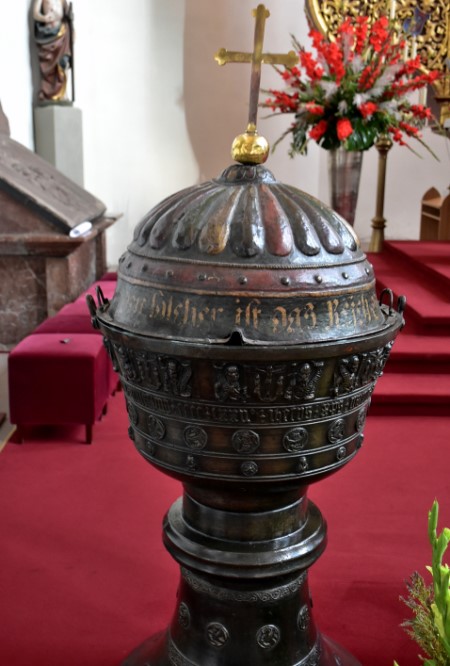
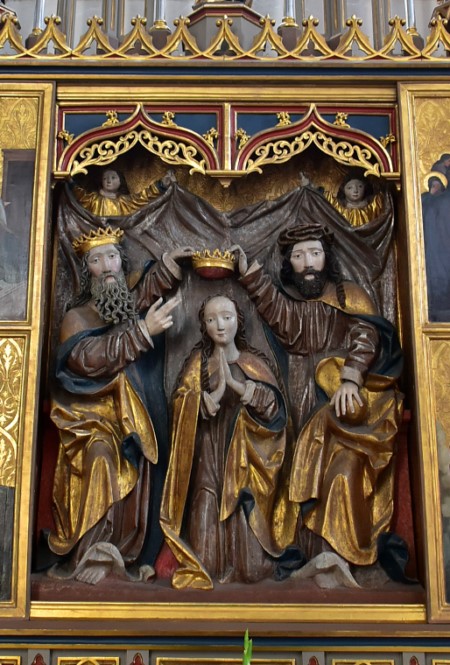
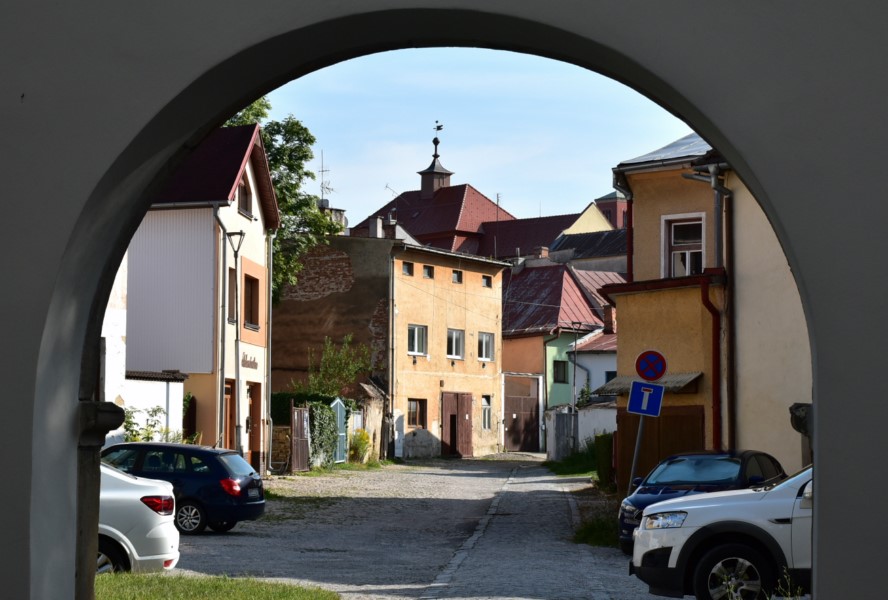
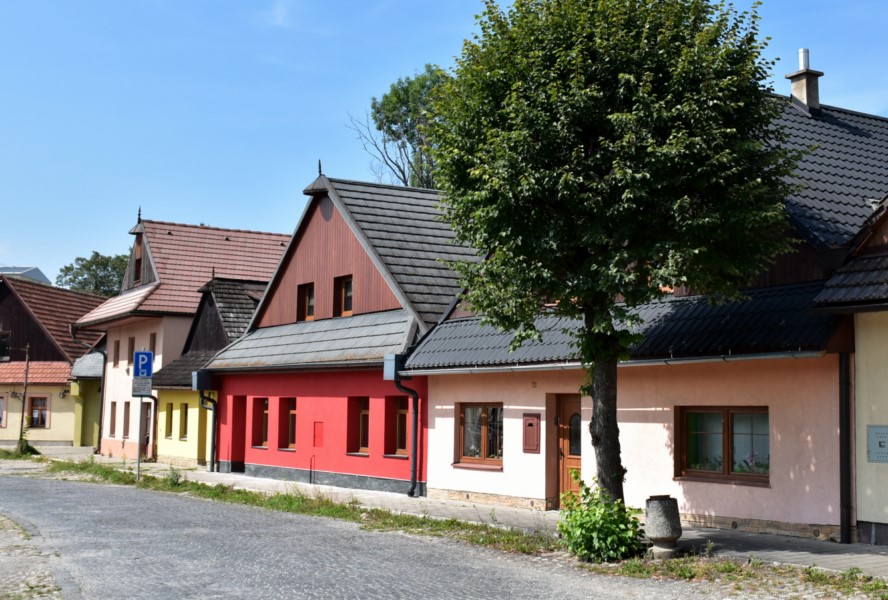
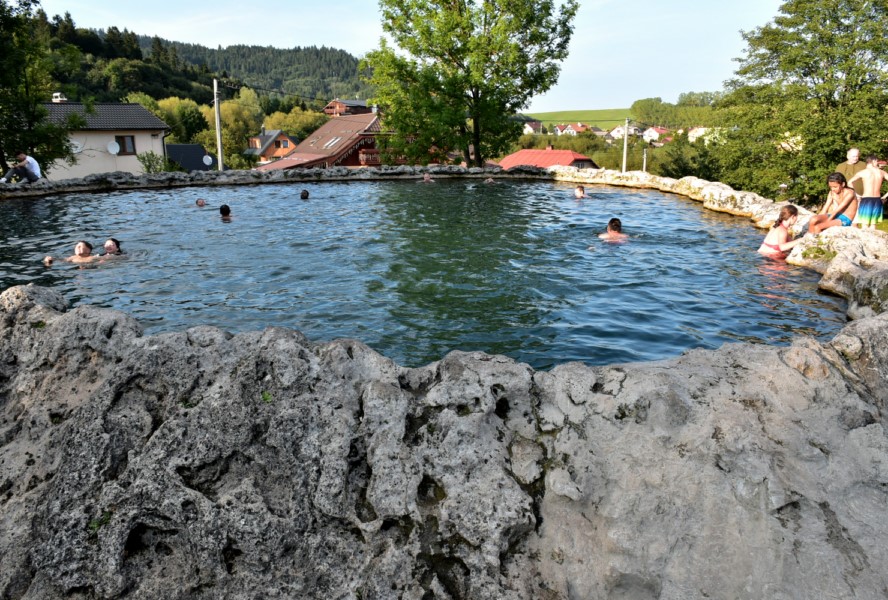
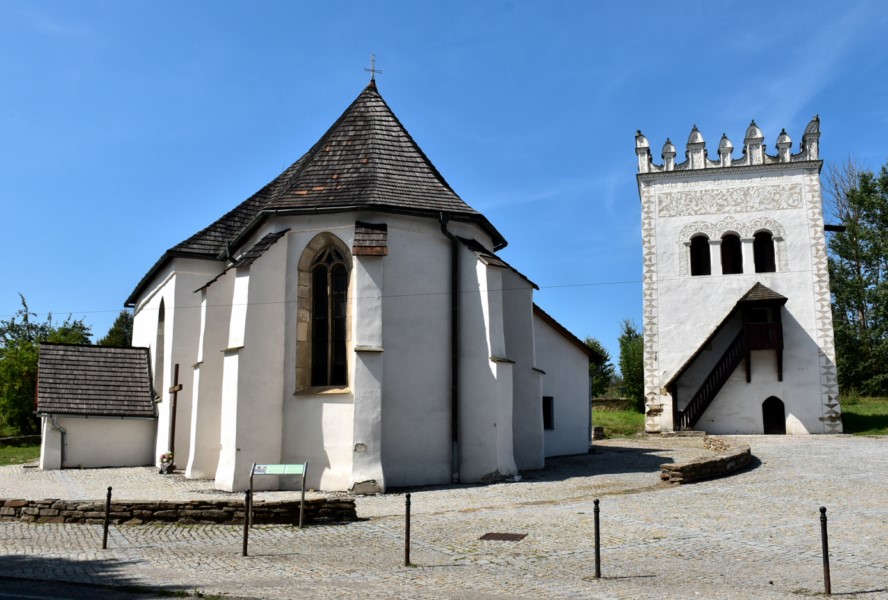
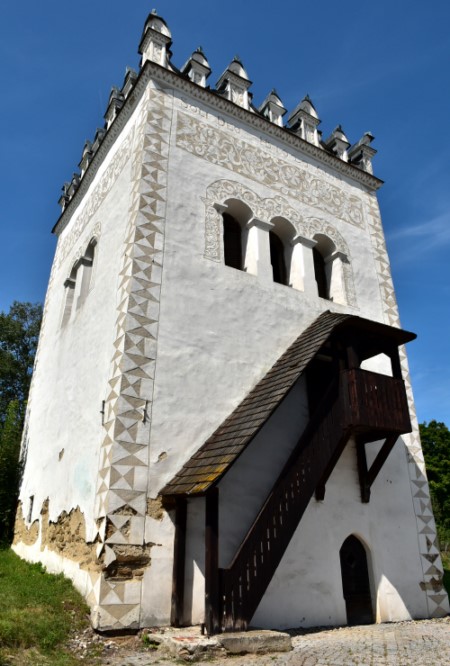
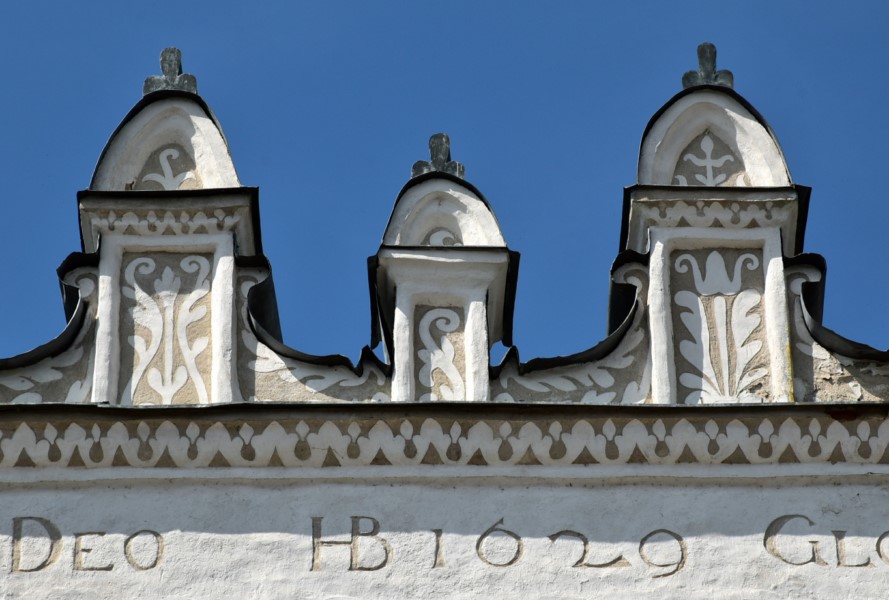
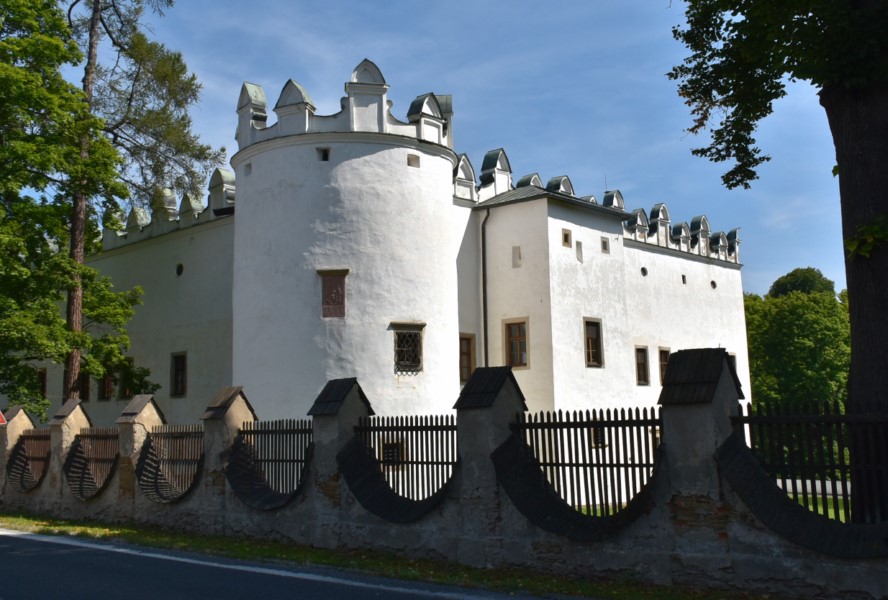
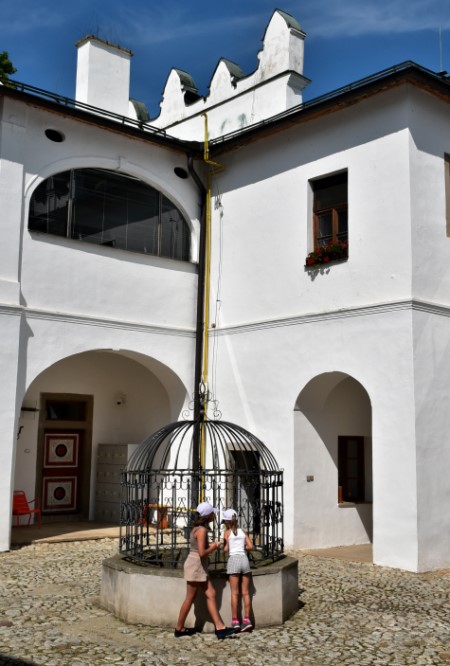
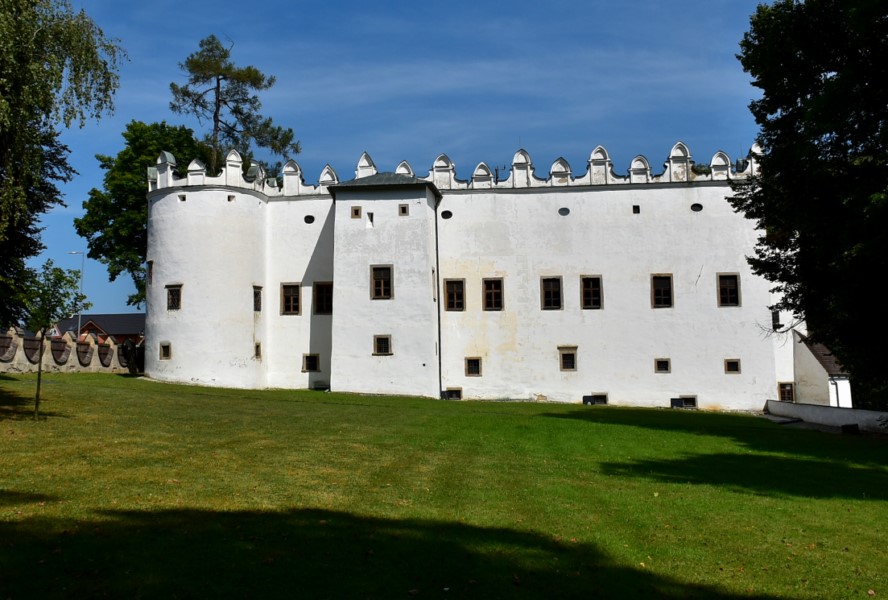
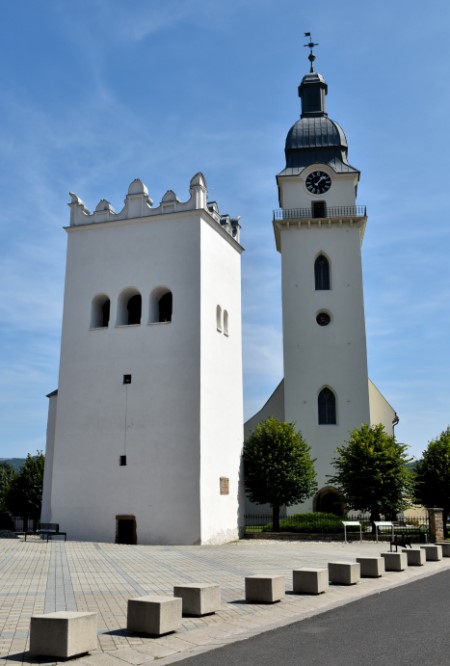
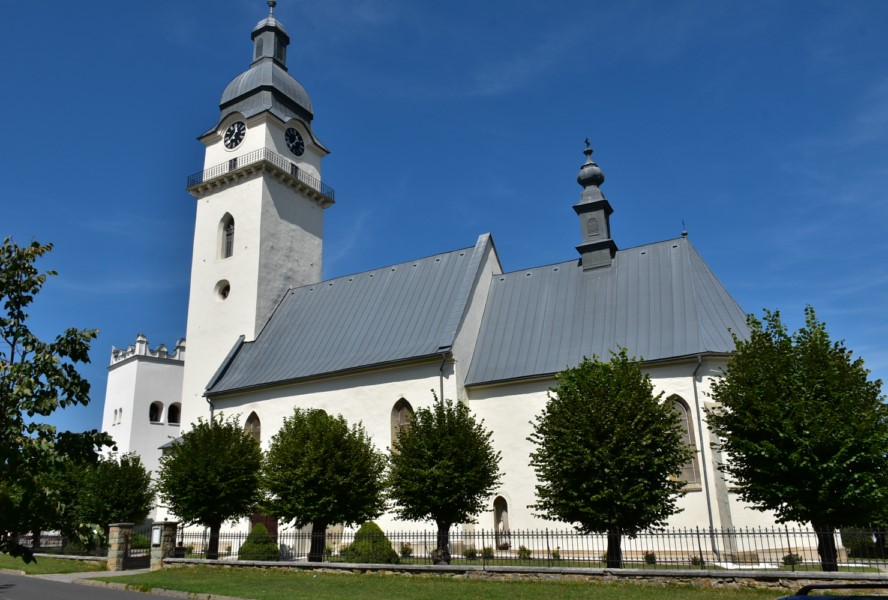
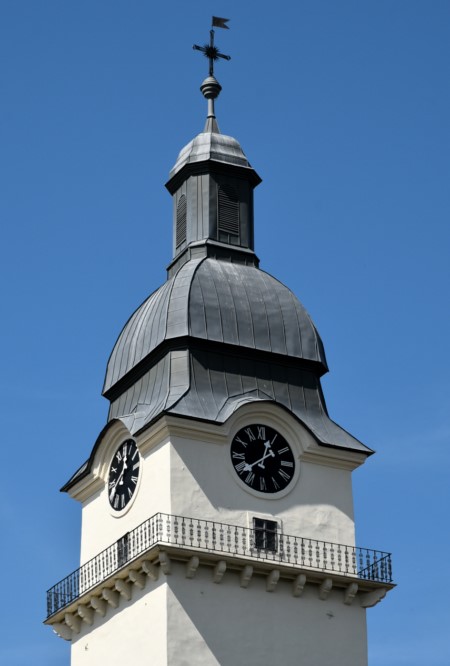
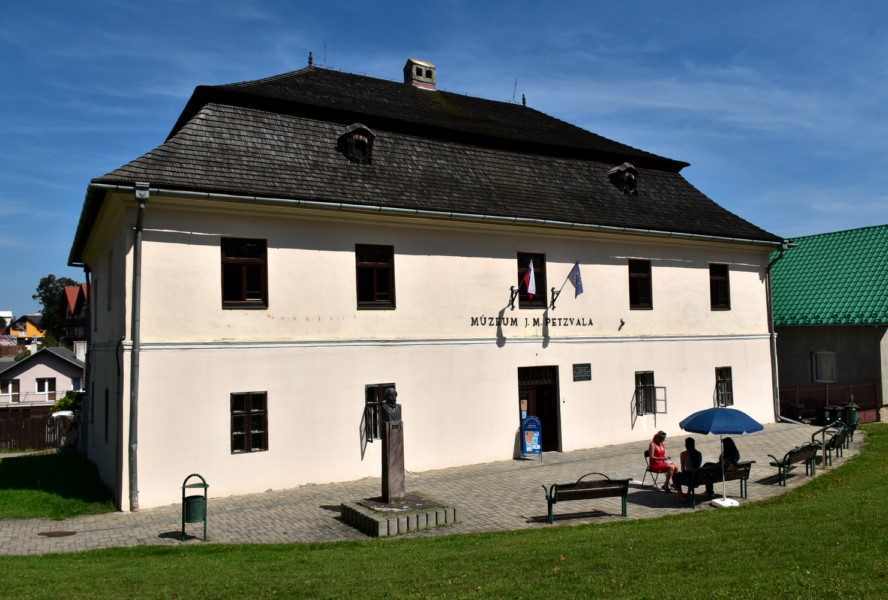
The inconspicuous Kiezmarok has many wonderful monuments of art and architecture. The hot and muggy day was not conducive to sightseeing, but I could breathe a little in the cool castle chambers and church naves. The medieval city fortress from the 15th century, bristling with towers, made an incredible impression on me, but everything was topped by the wooden church of the Holy Trinity, listed on the Unesco list, whose entire interior is covered with colorful paintings in the rustic baroque style.
Levoča
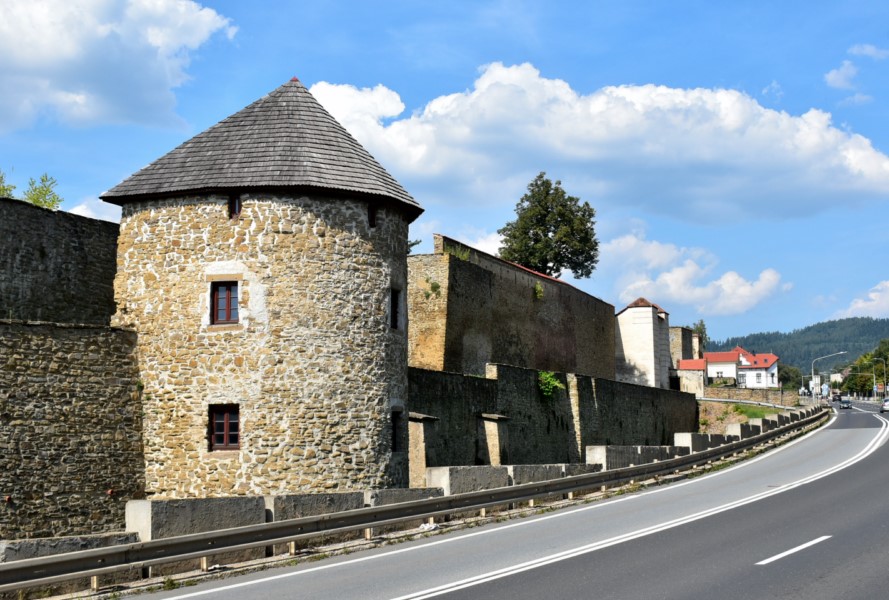
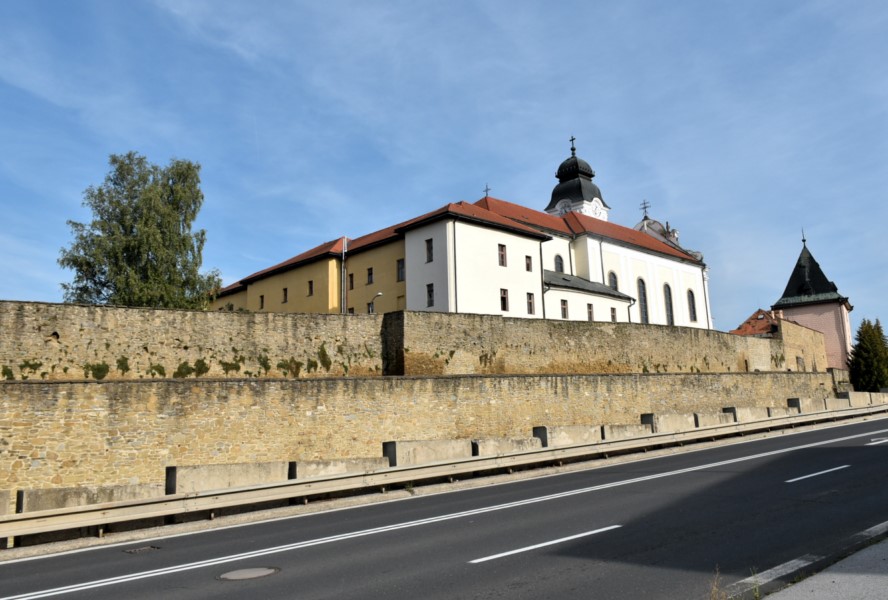
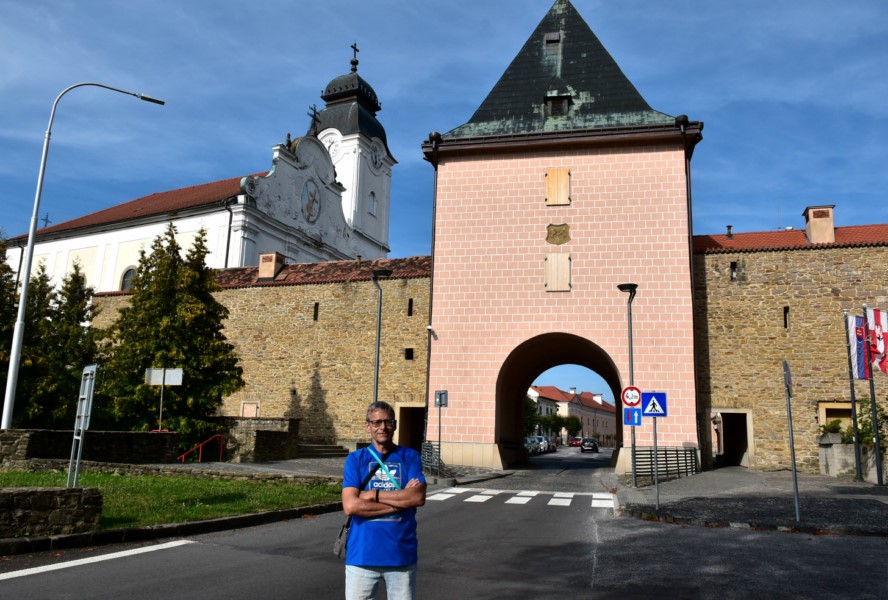
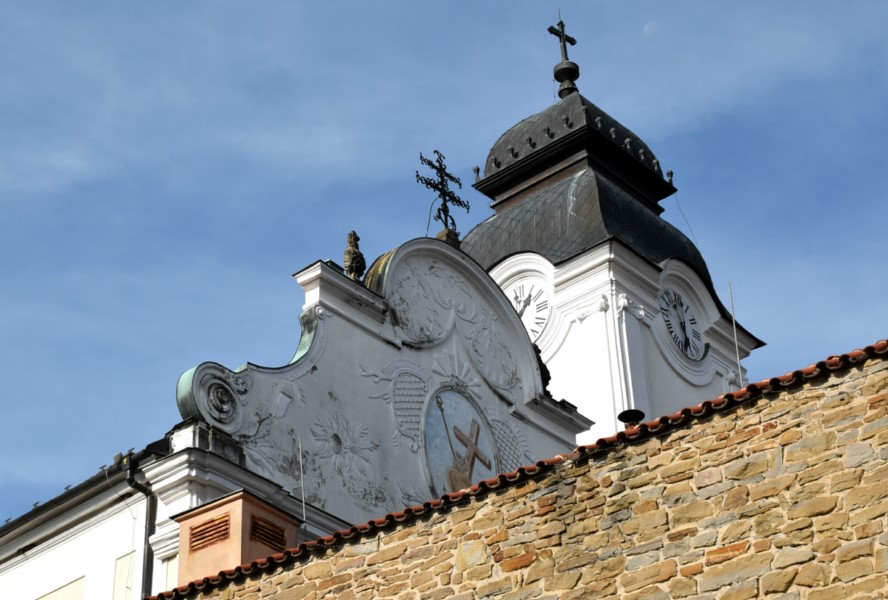
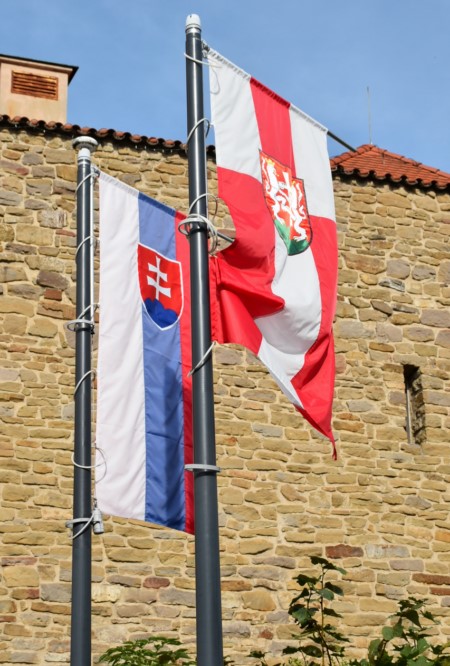
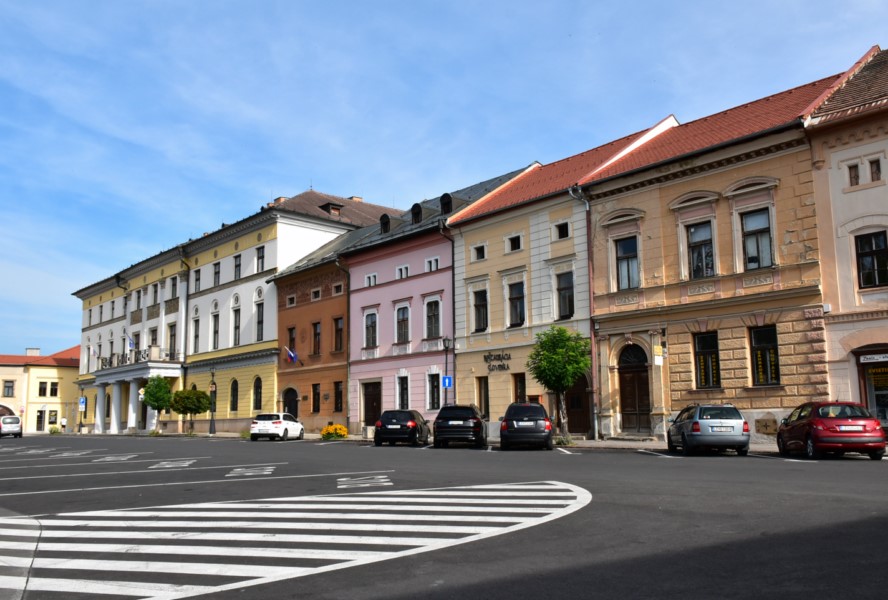
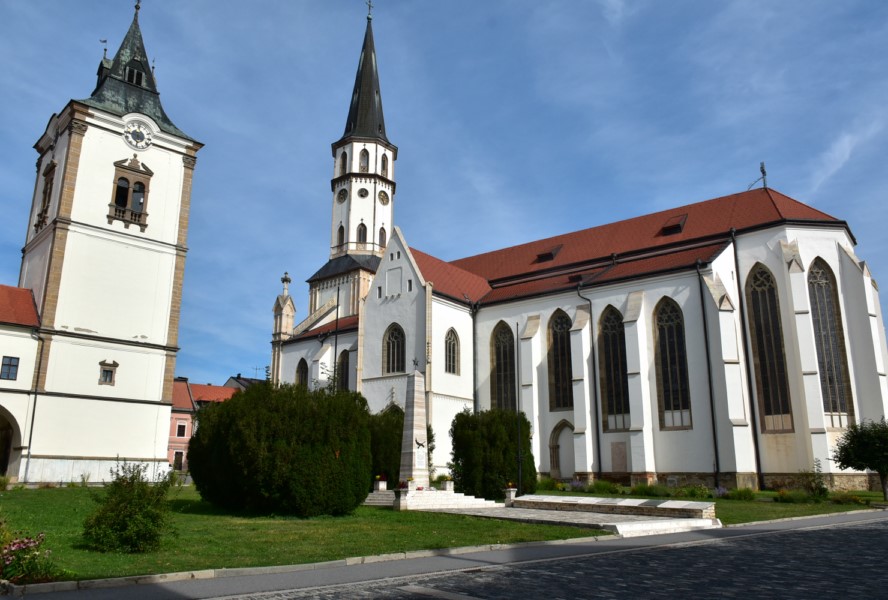
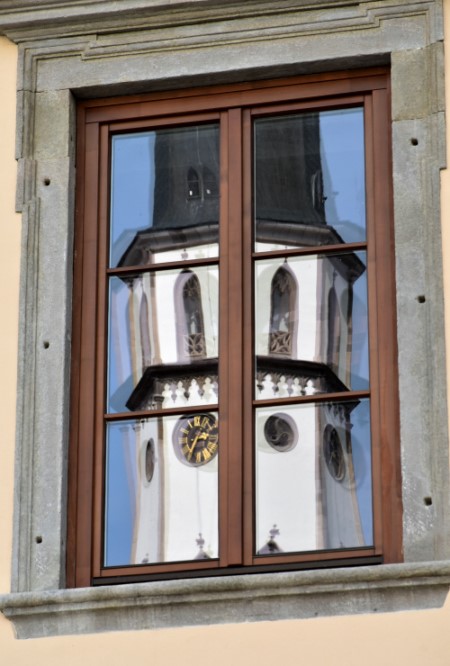
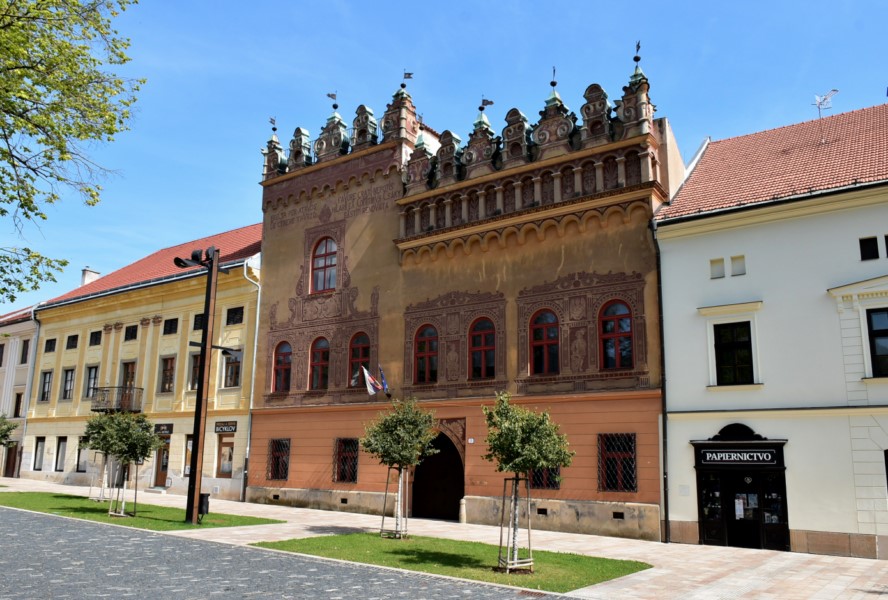
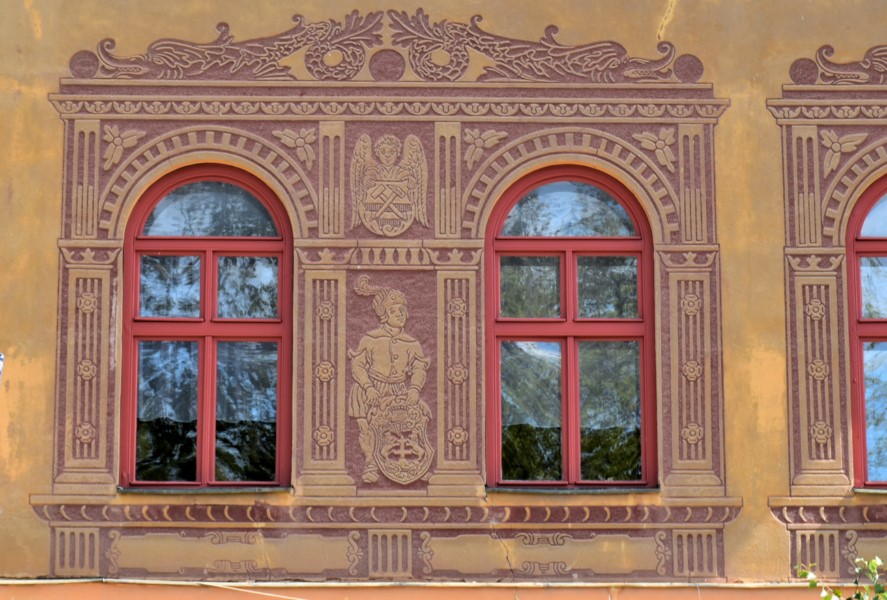
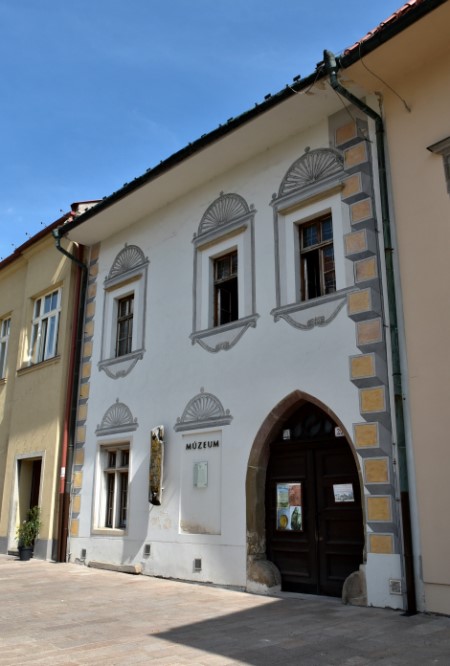
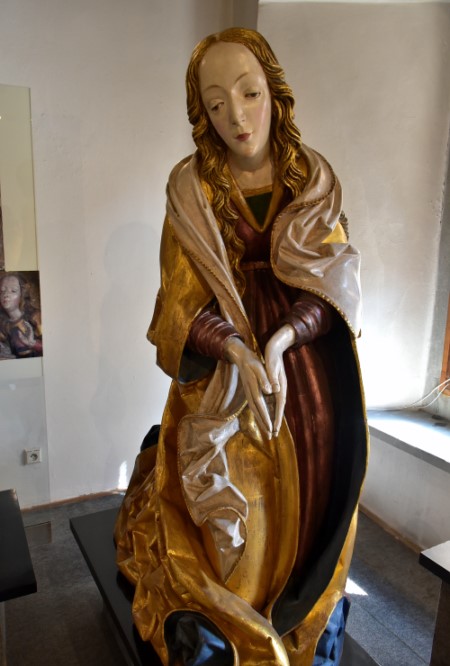
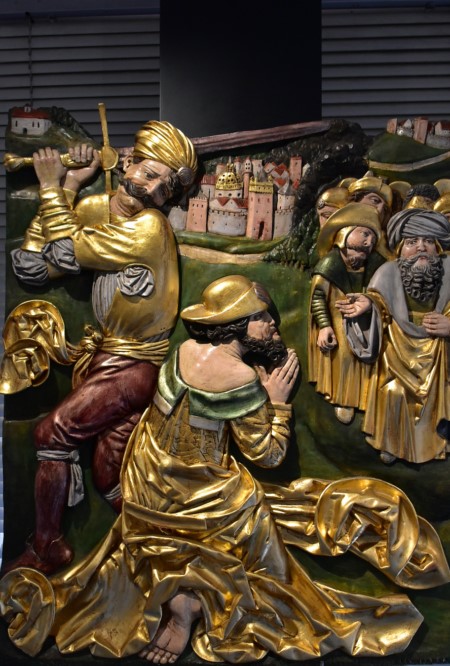
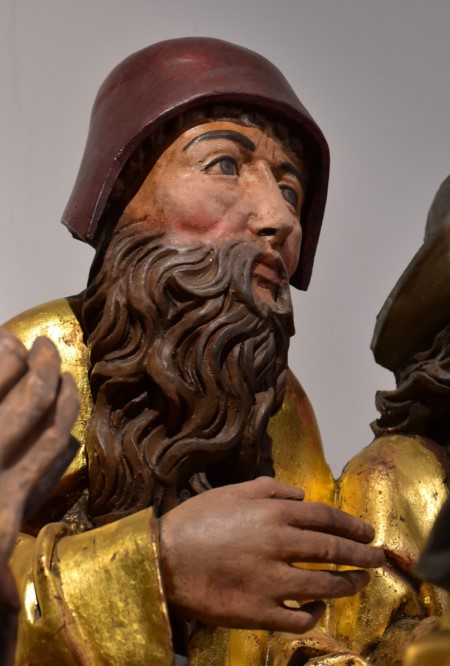
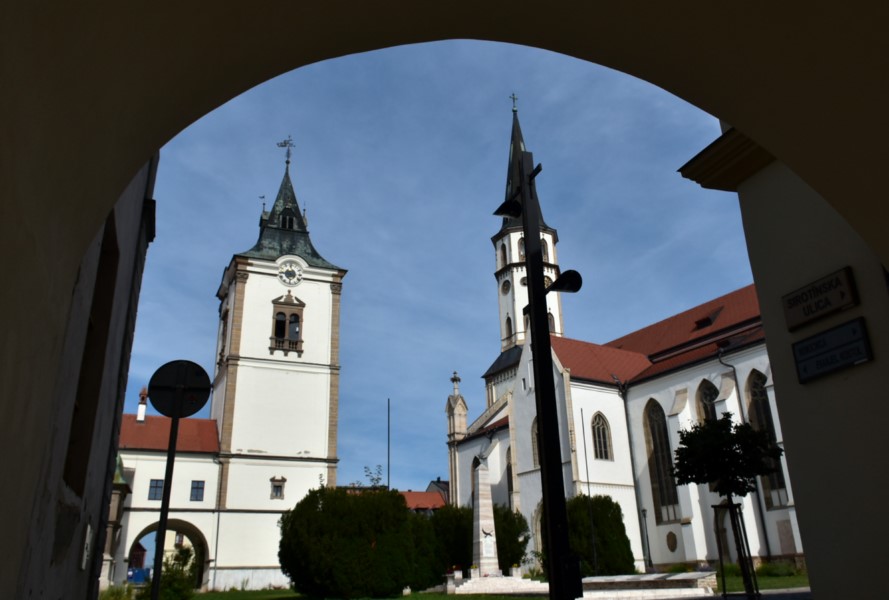
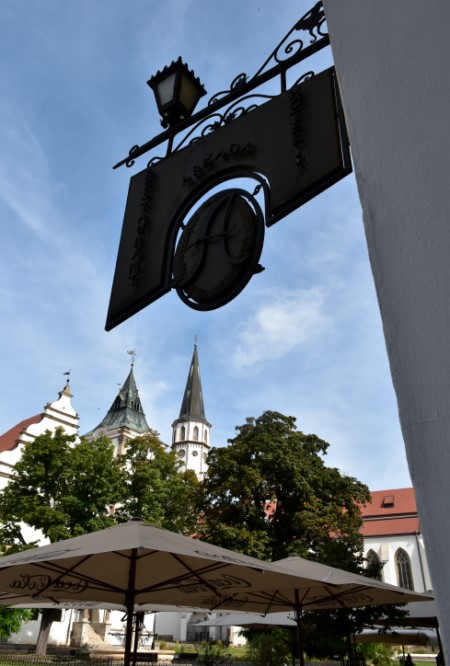
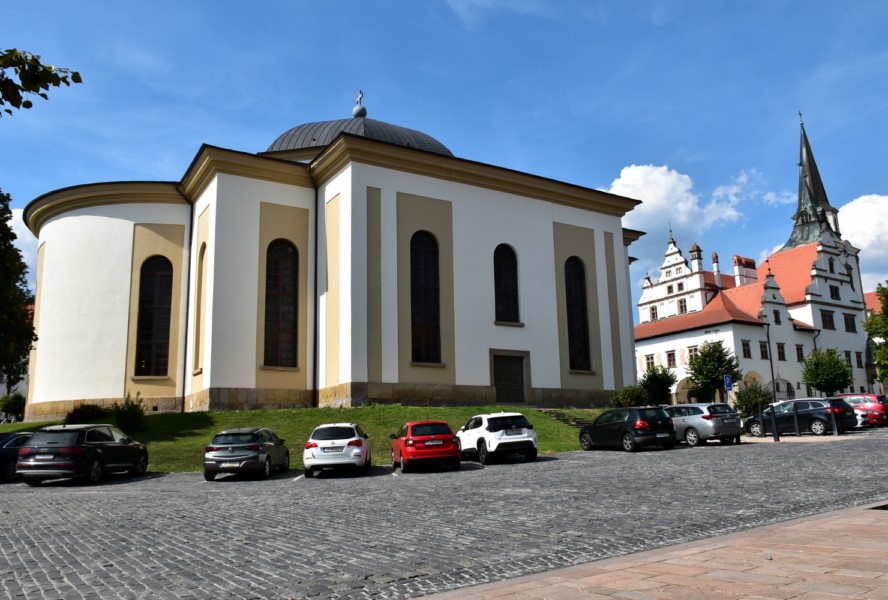
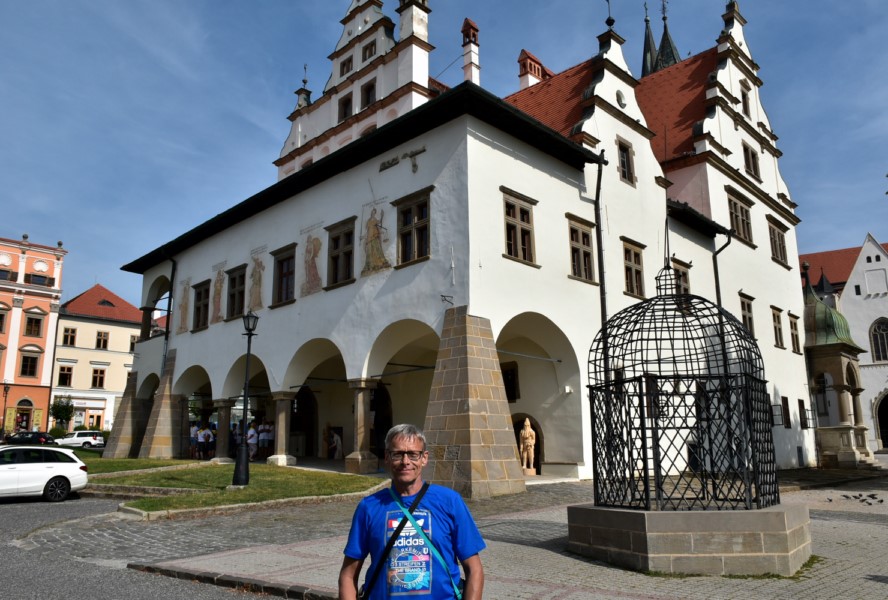
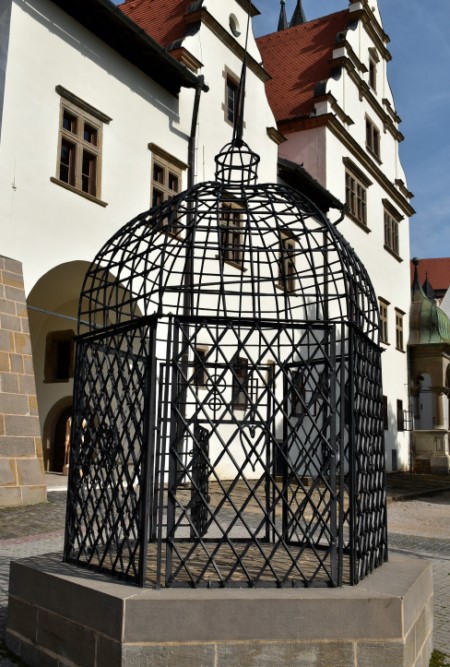
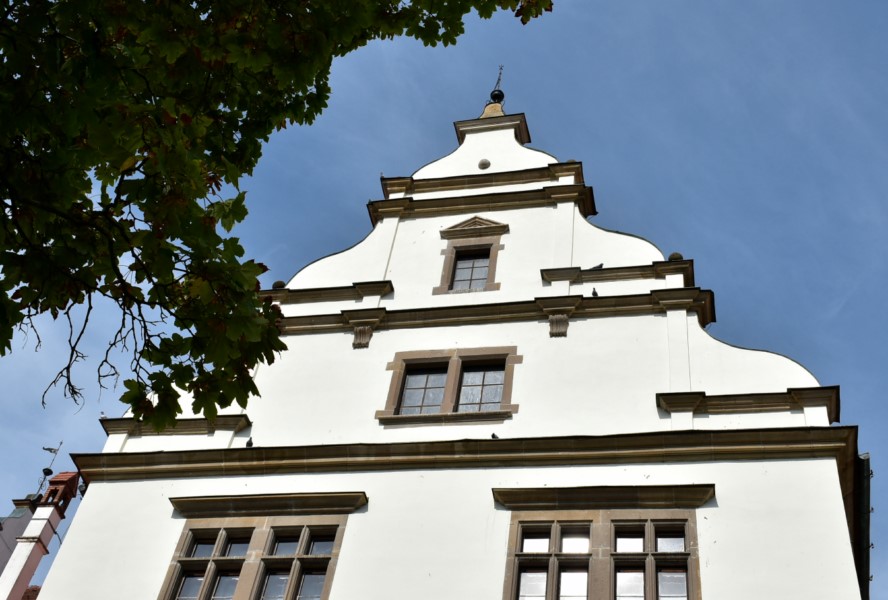
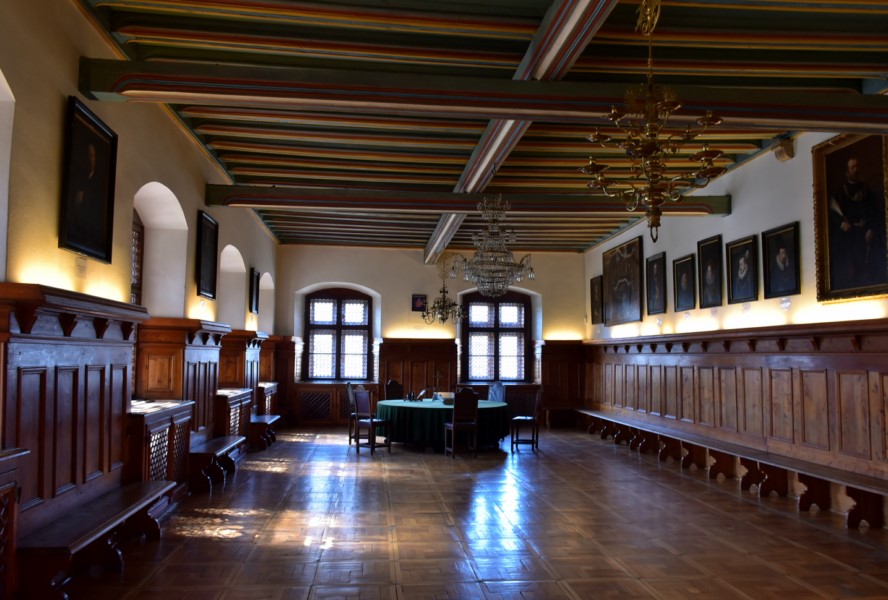
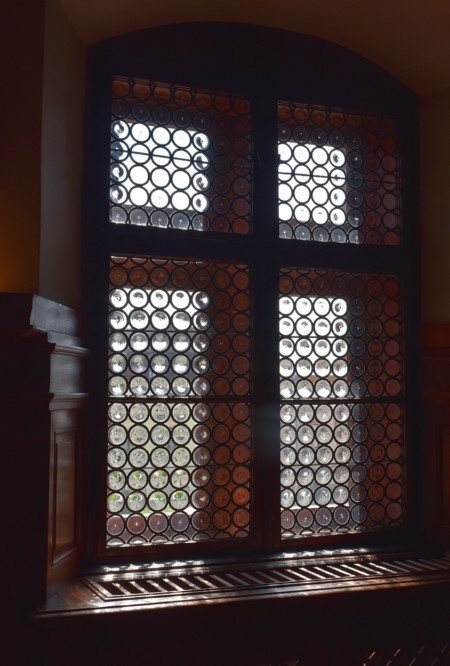
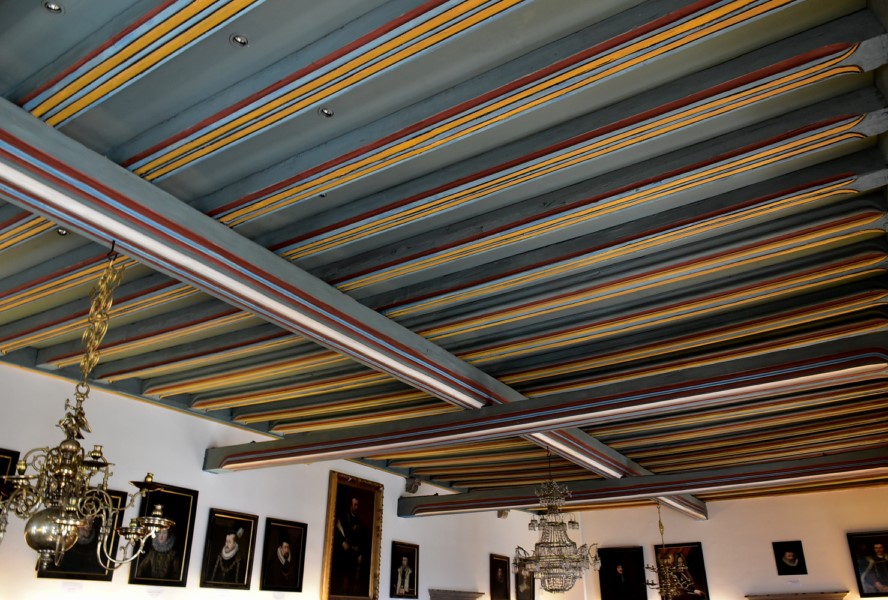
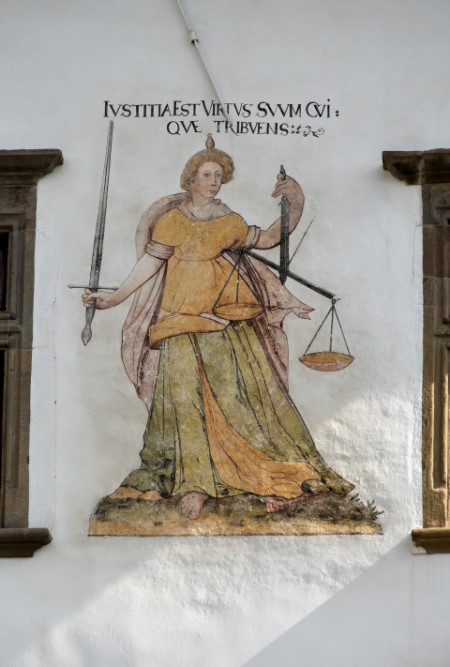
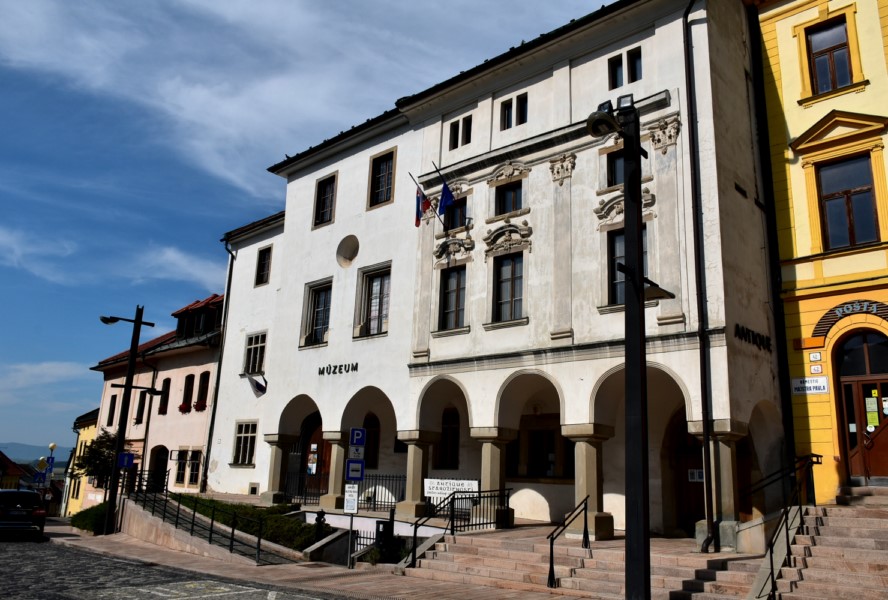
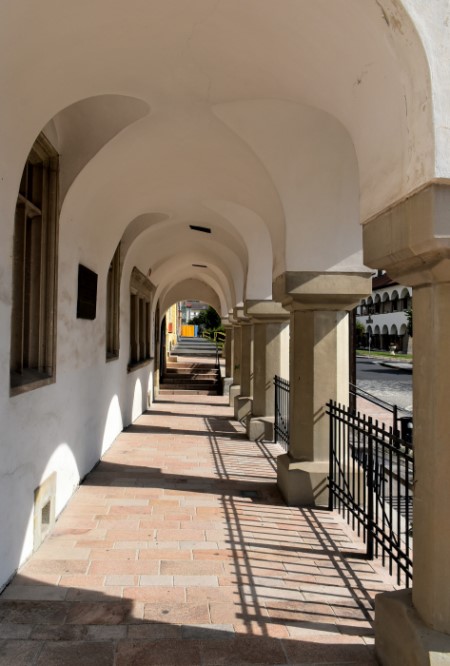
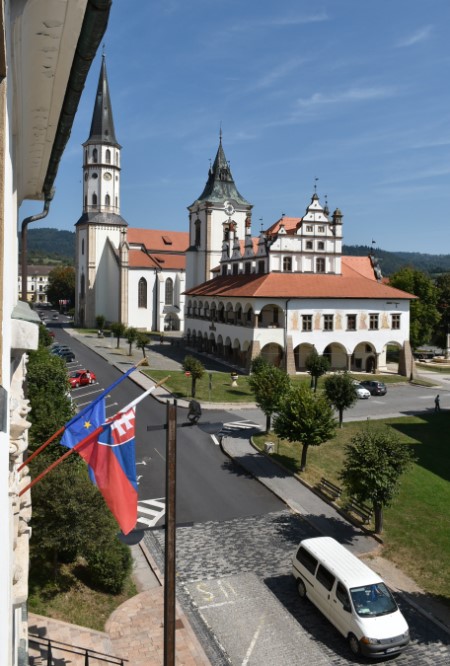
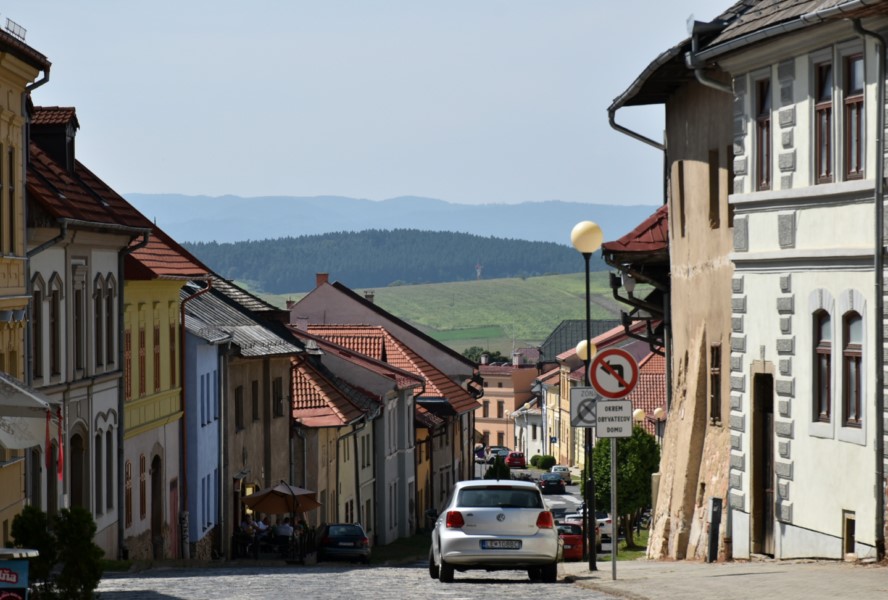
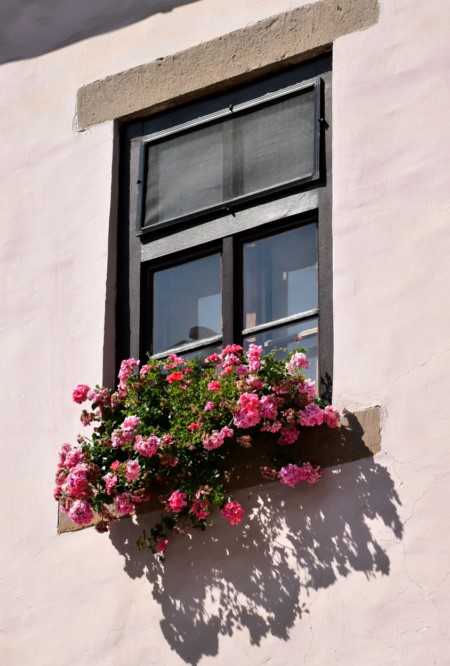
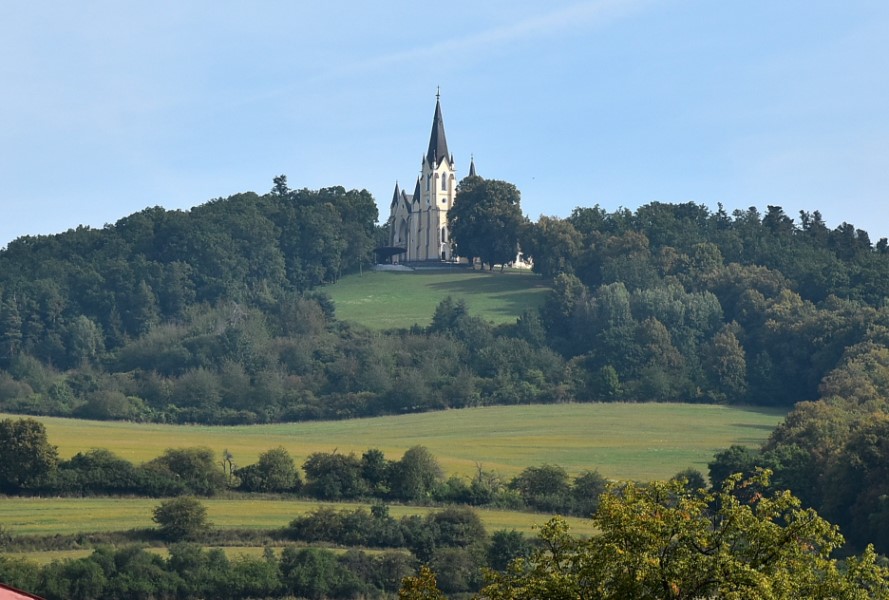
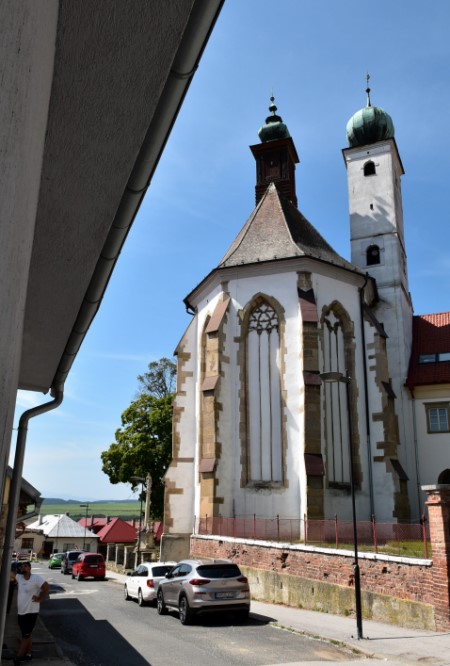
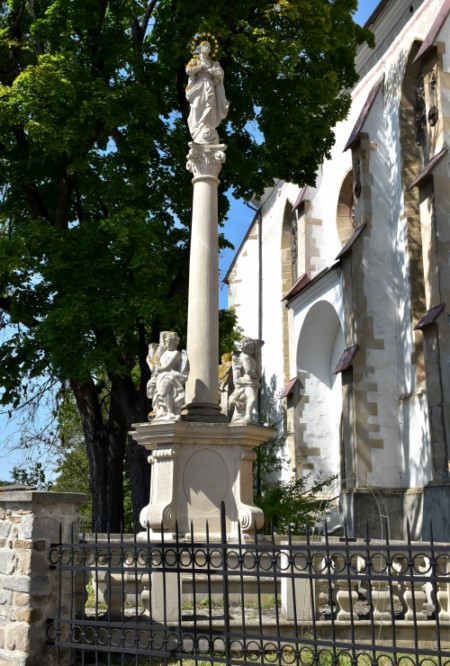
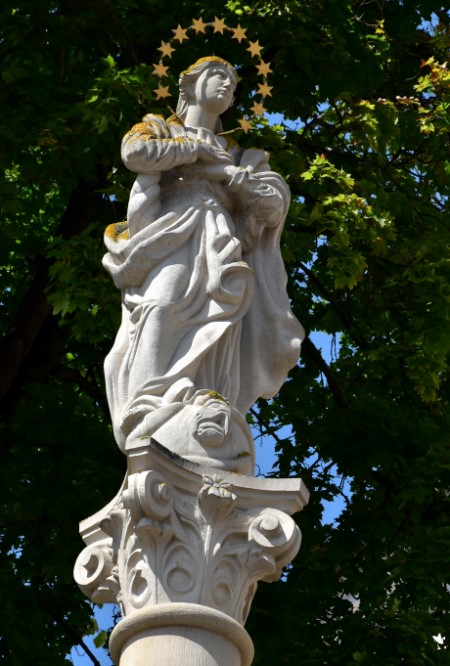
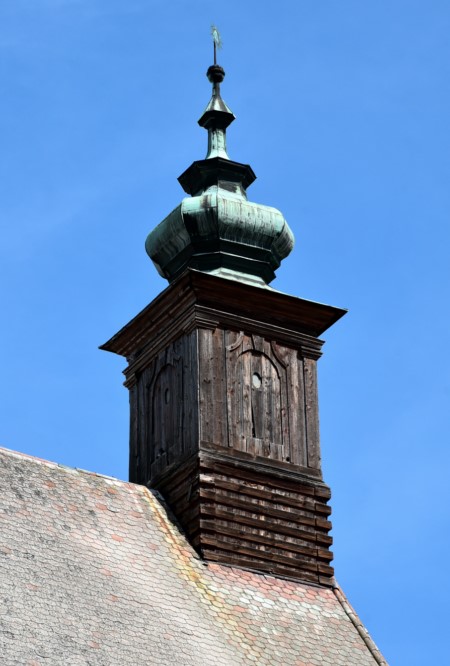
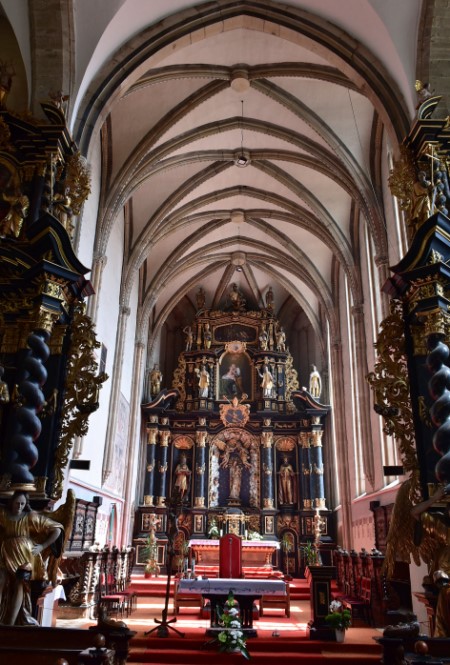
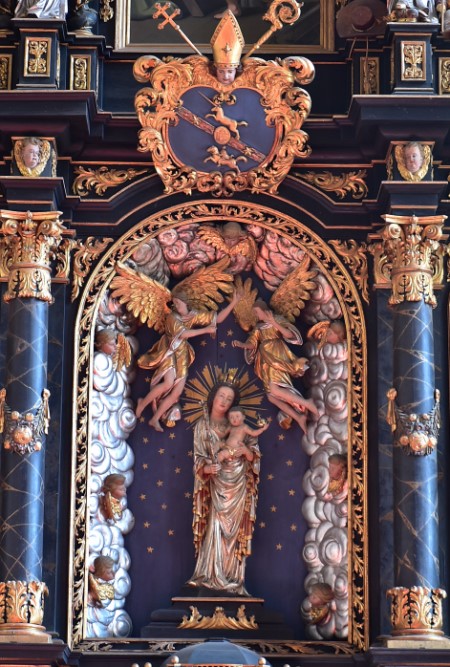
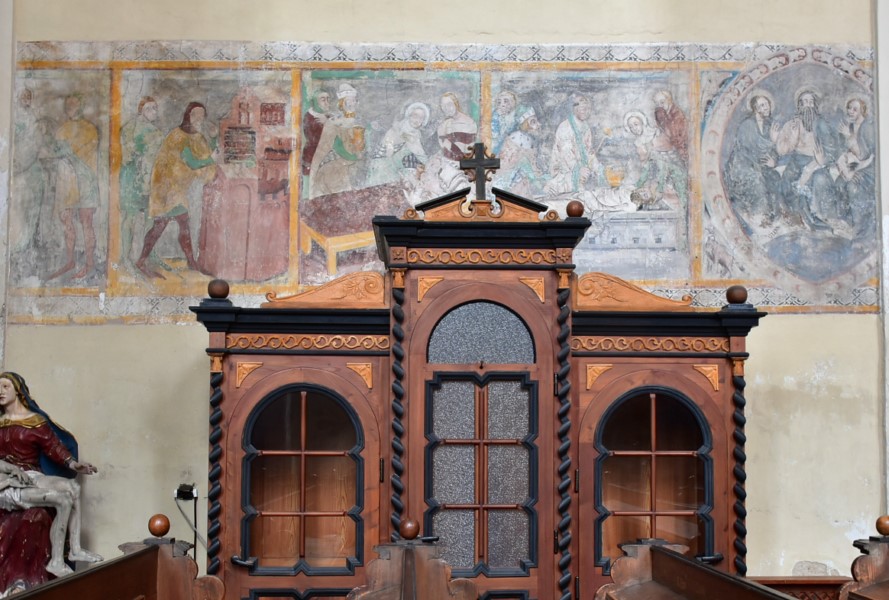
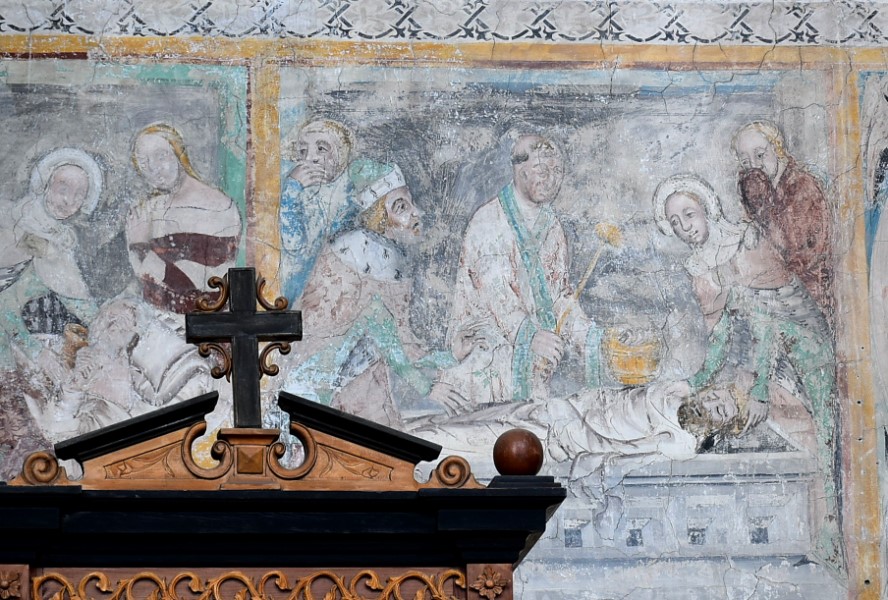
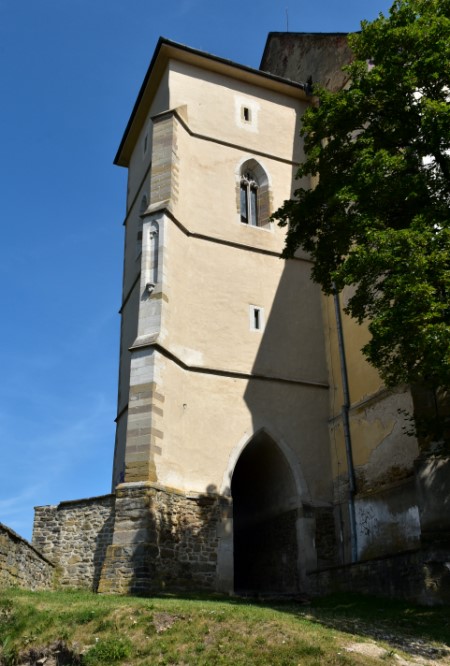
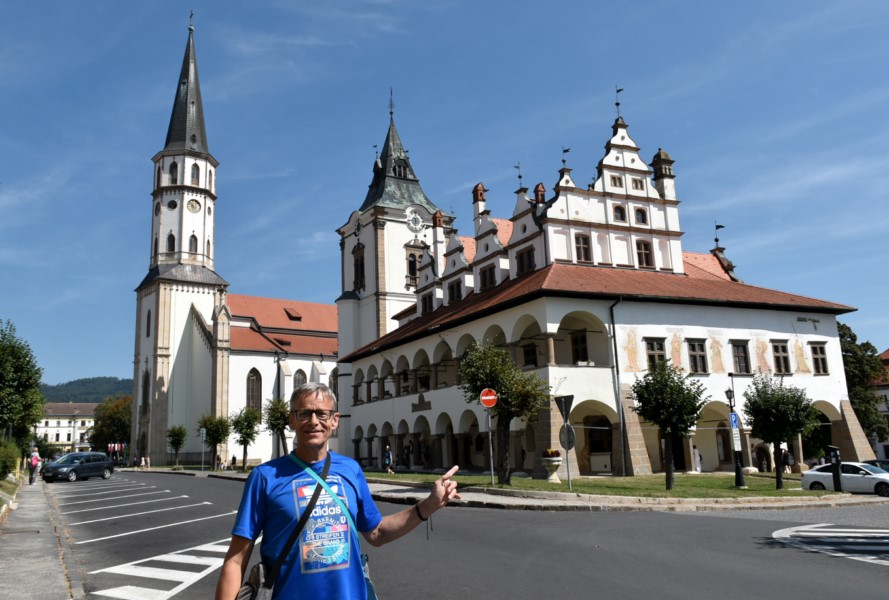
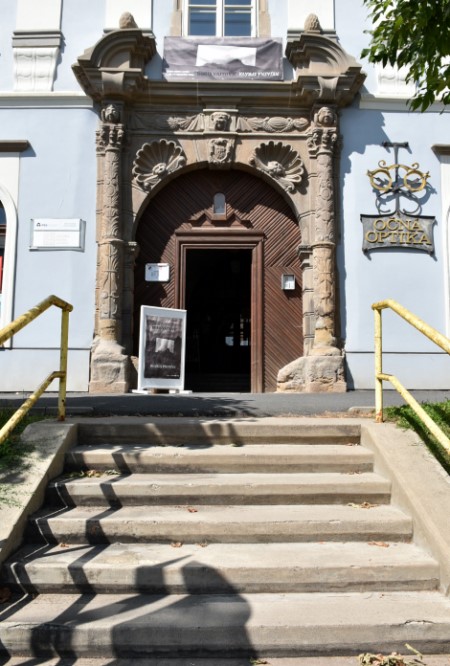
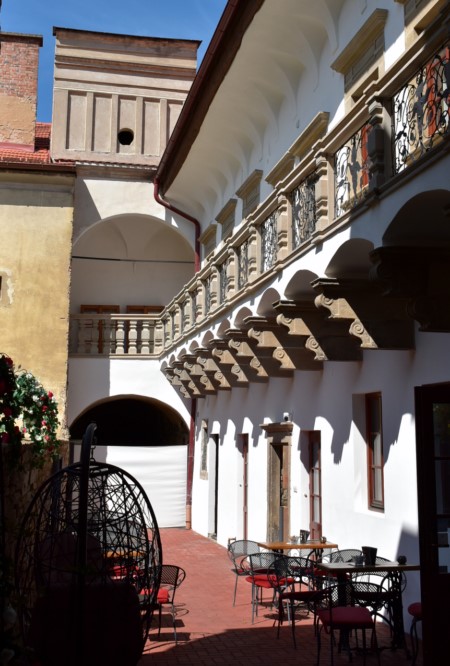
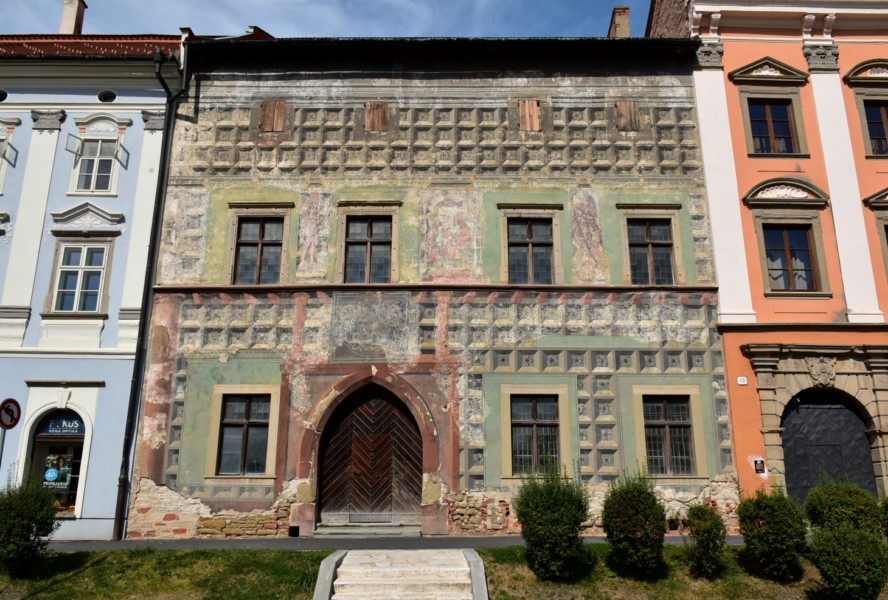
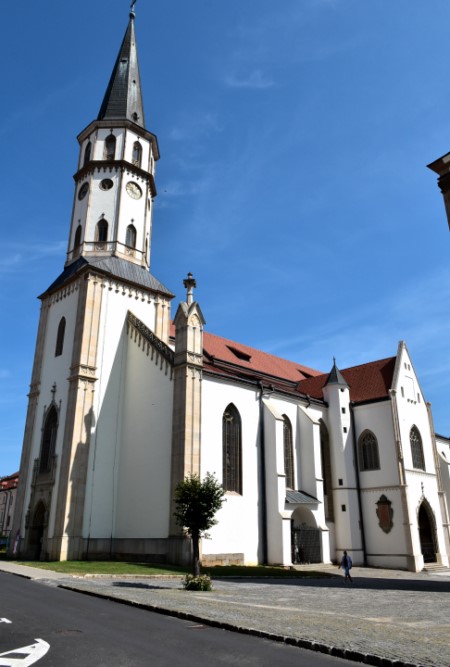
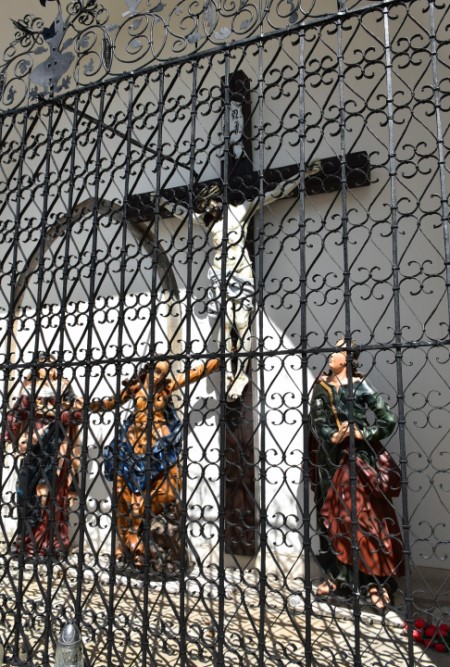
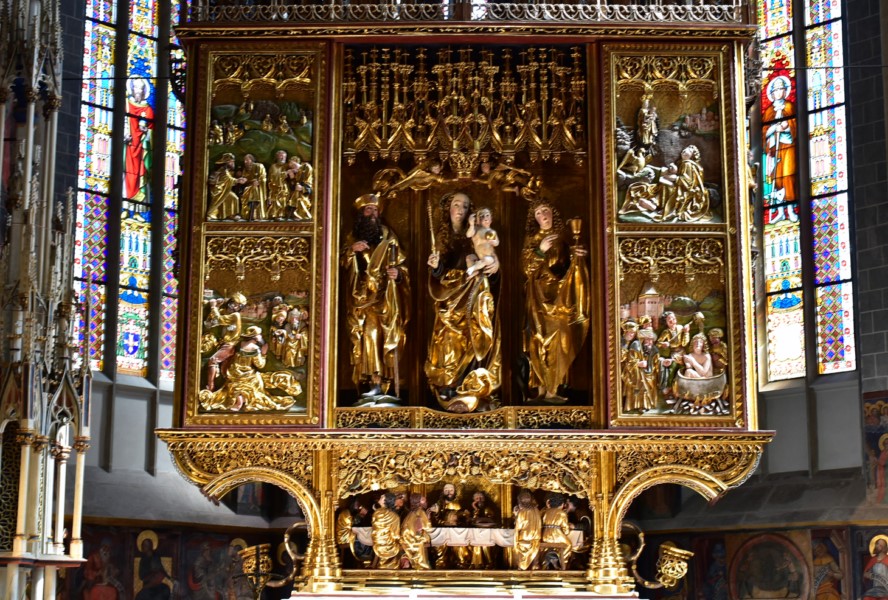
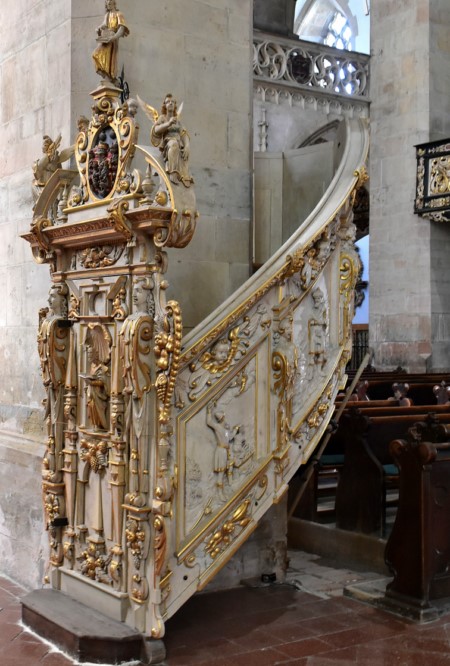
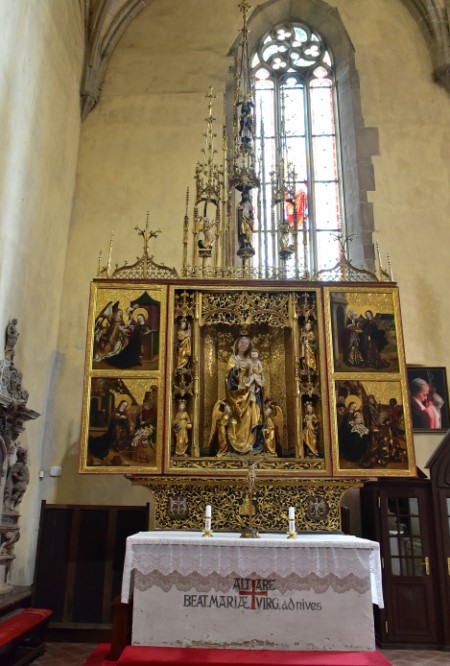
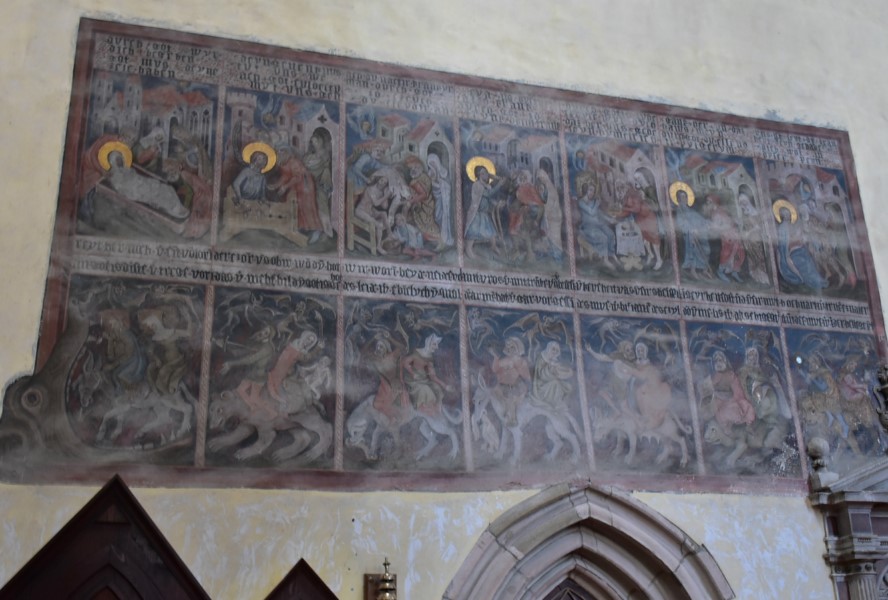
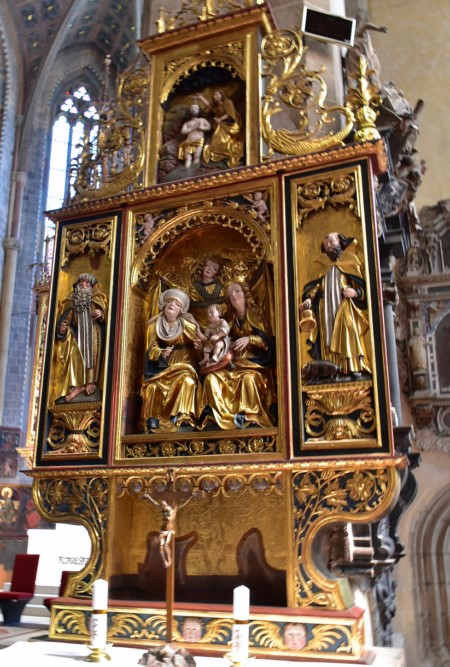
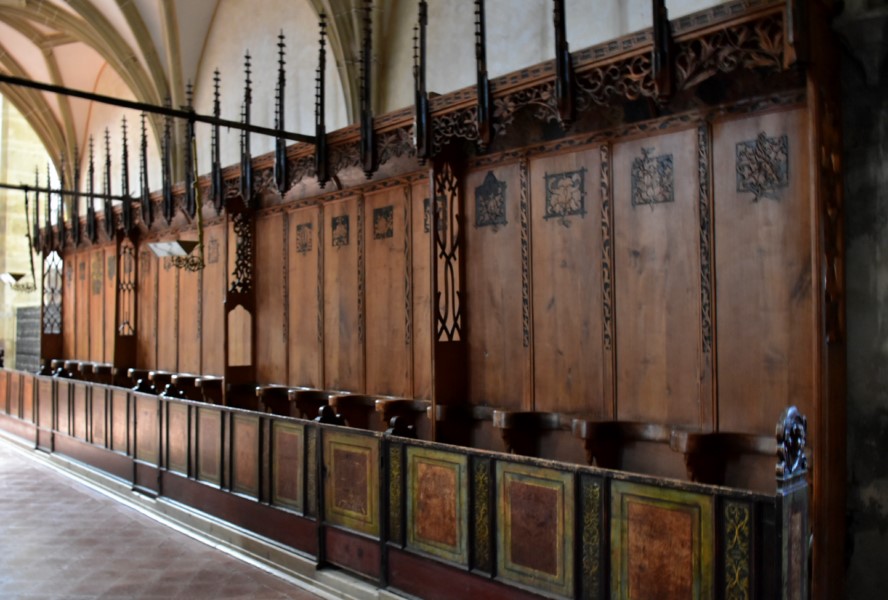
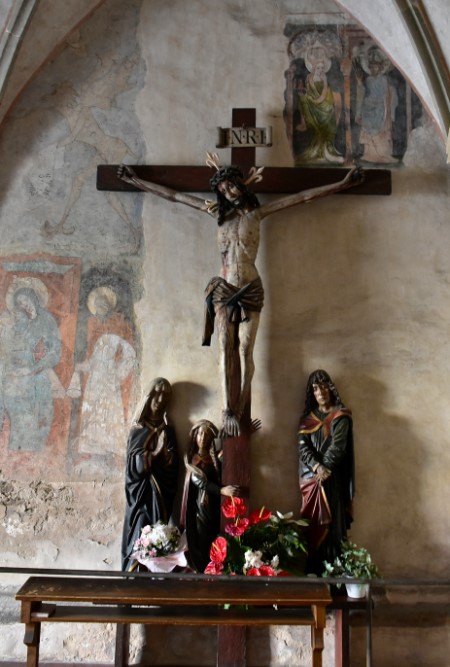
Levoča simply enchanted me. The historic city center, surrounded by impressive defensive walls, creates a picturesque enclave, as if time had stood still here. On the Levoča market square I had the opportunity to admire the medieval town hall, burgher houses from the 14th and 15th centuries, and the church of St. James, one of the most valuable monuments in Slovakia, entered on the Unesco list. An additional advantage was the sunny weather, thanks to which everything around seemed even more beautiful.
Kapitula and Spiš castle
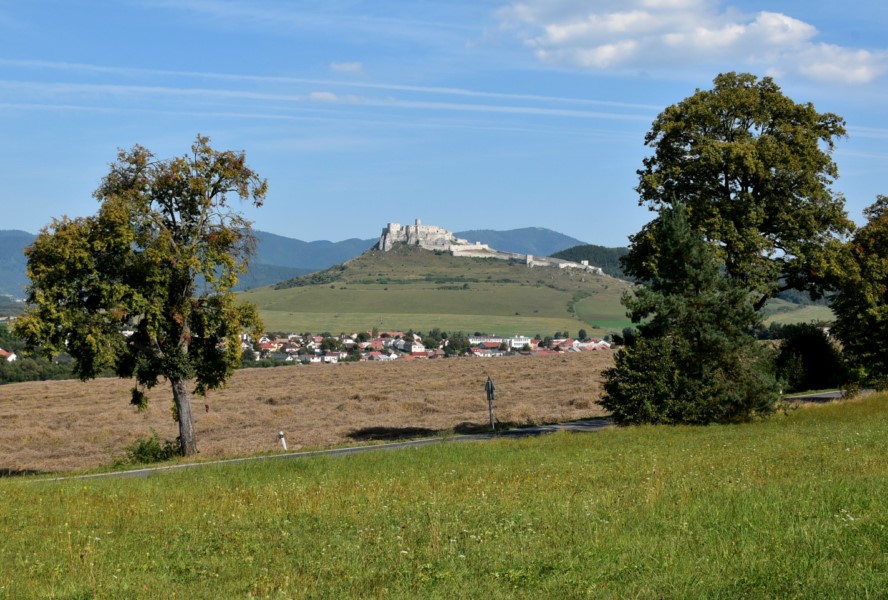
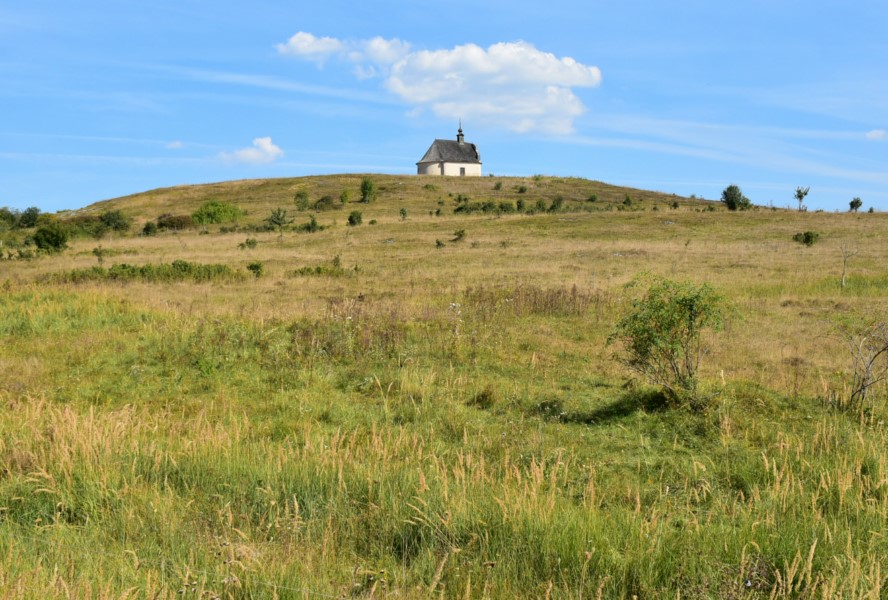
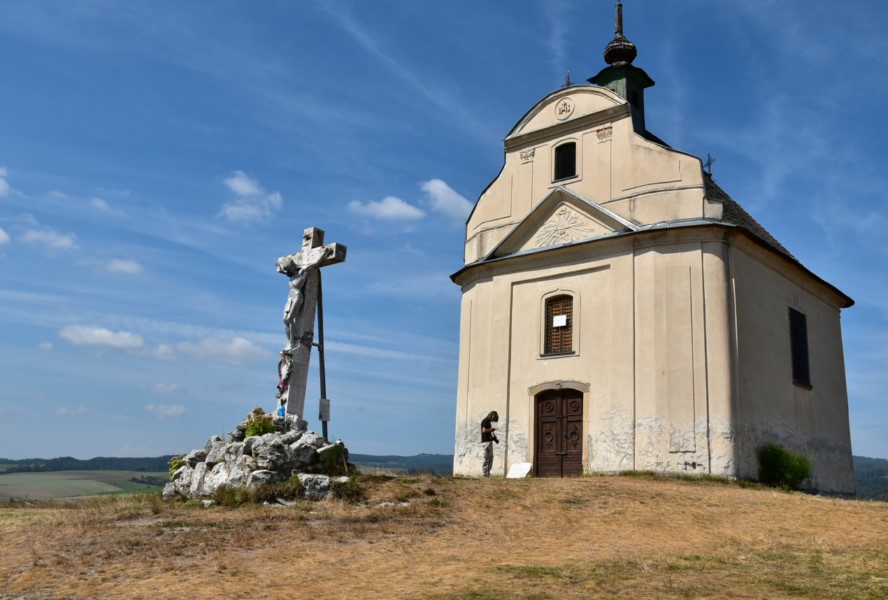
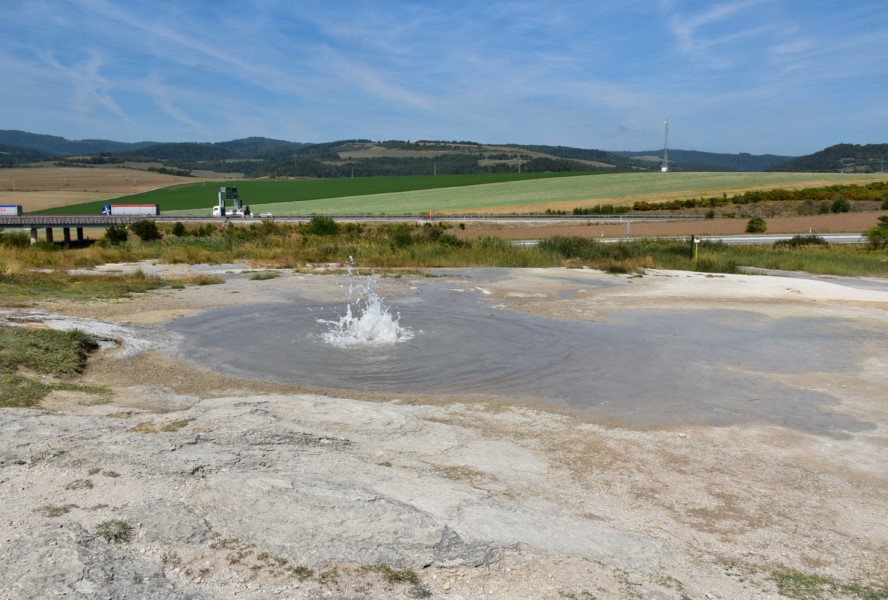
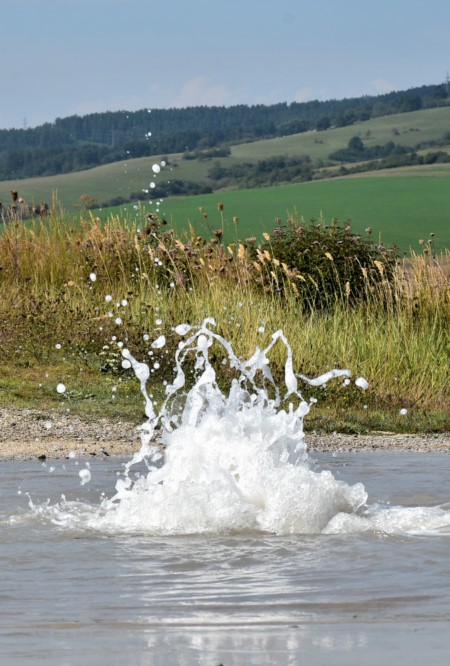
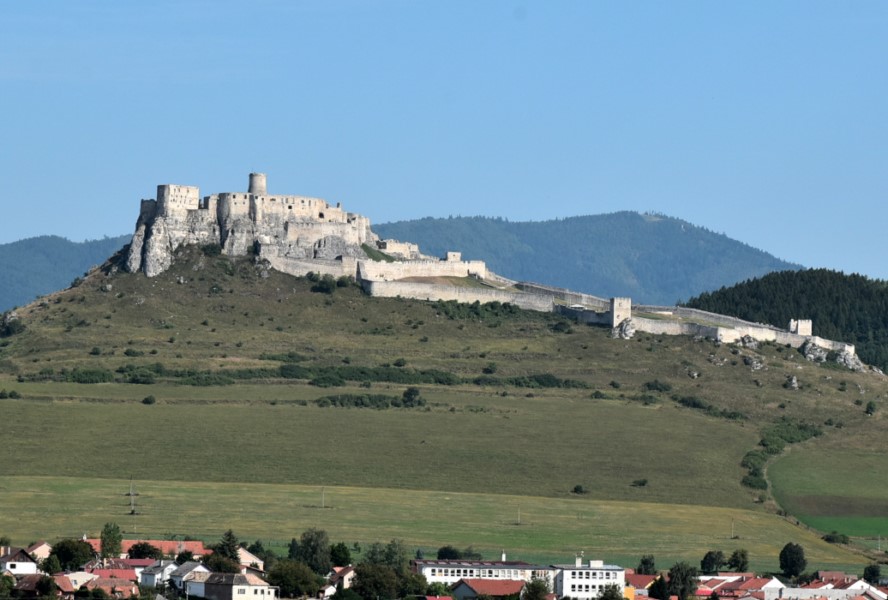
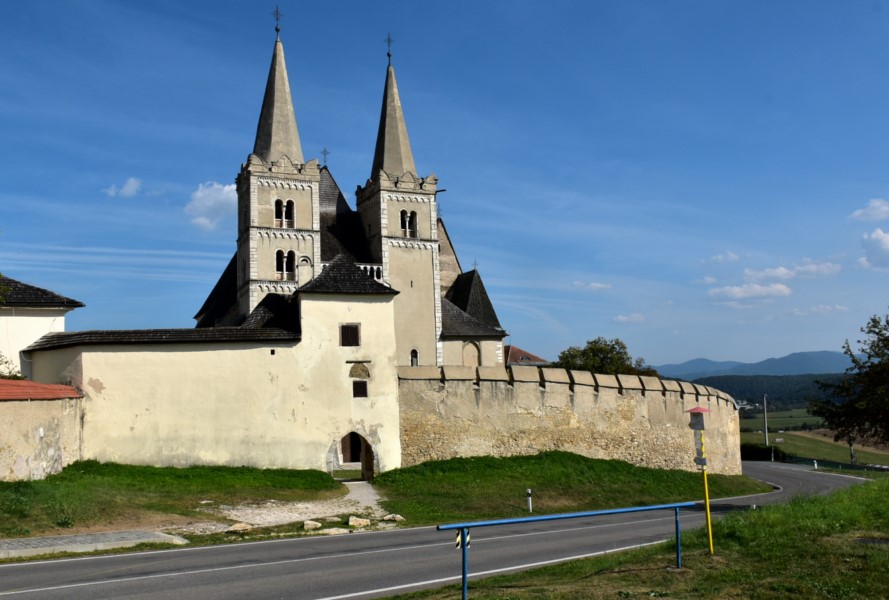
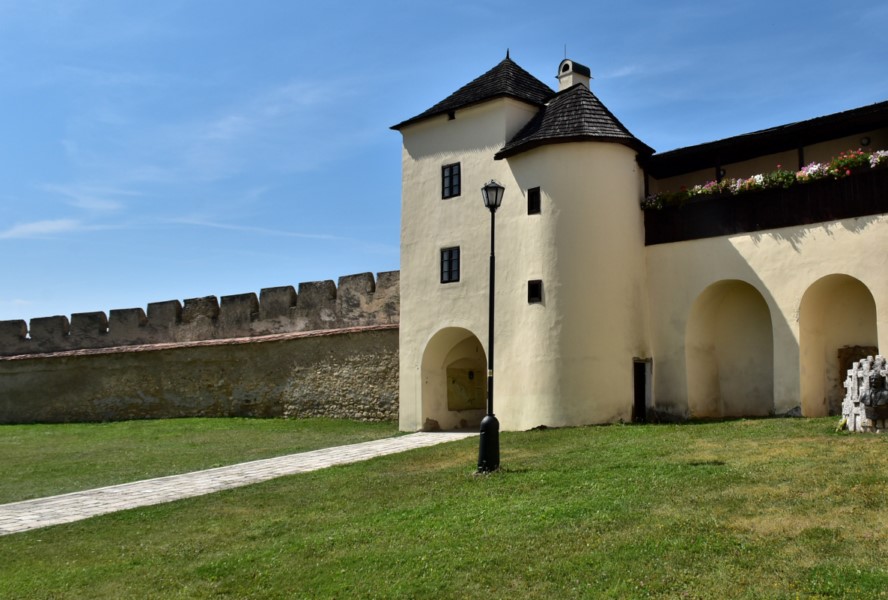
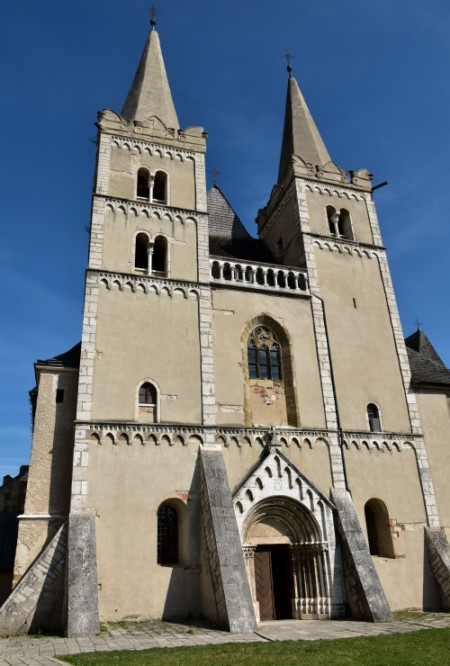
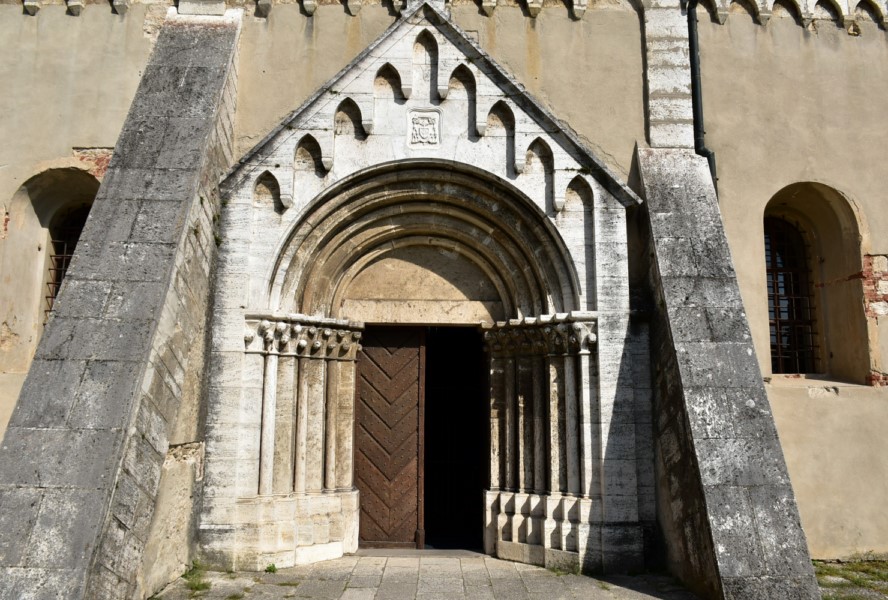
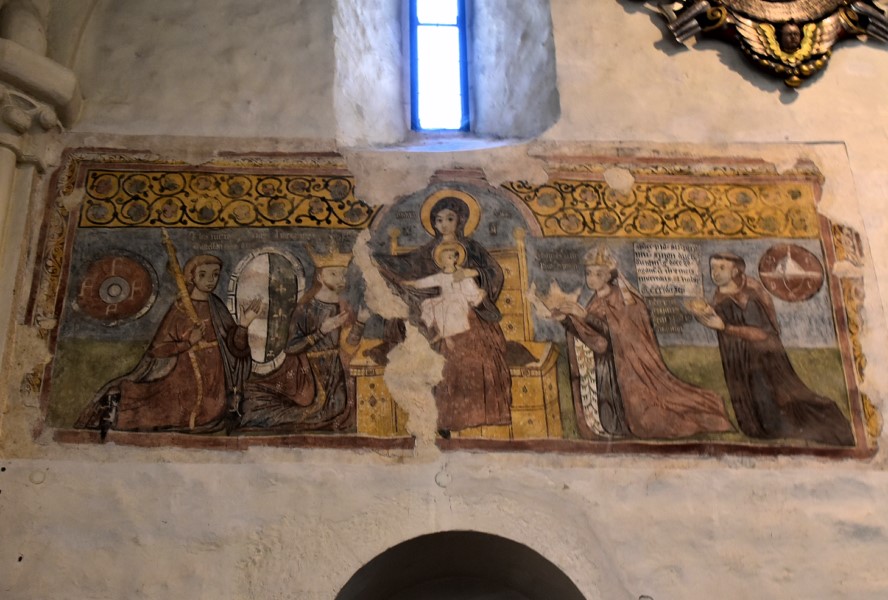
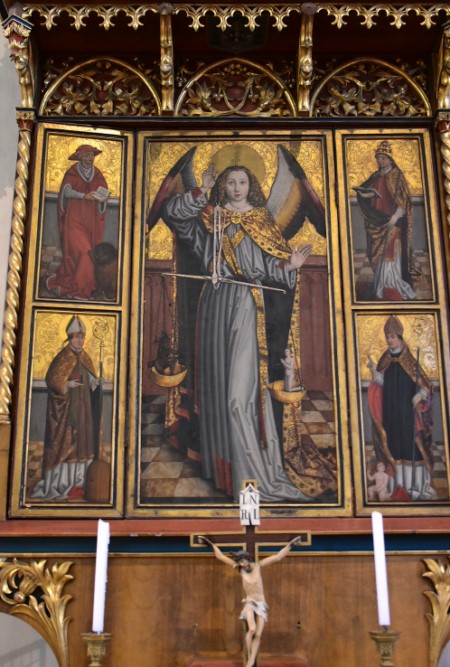
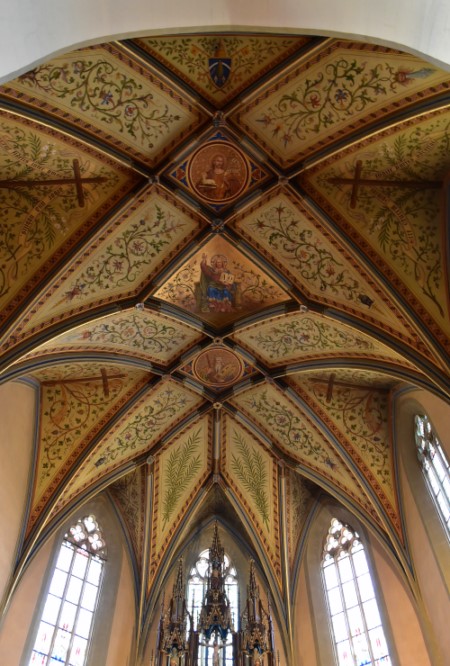
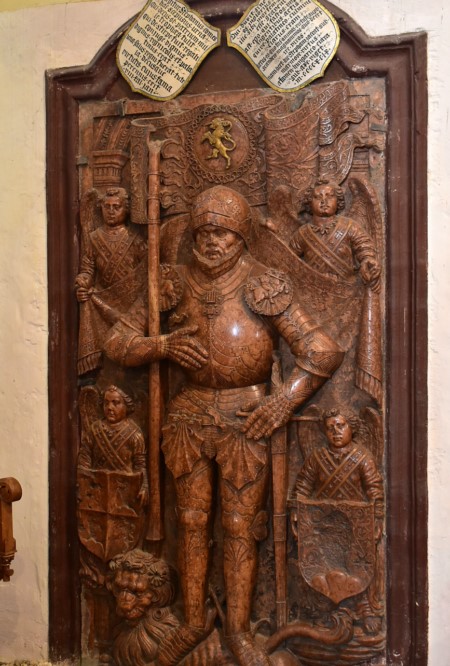
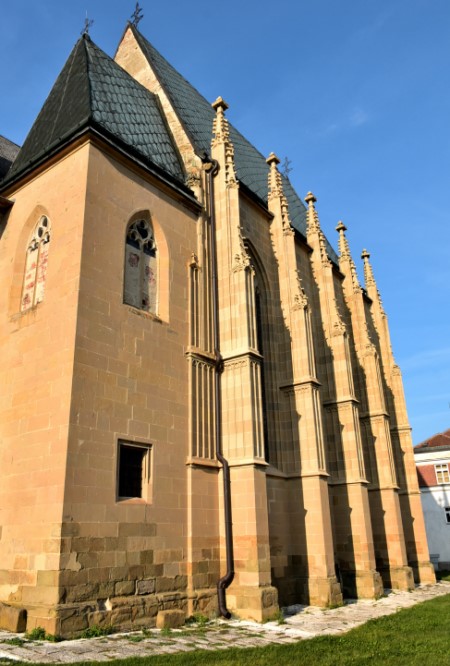
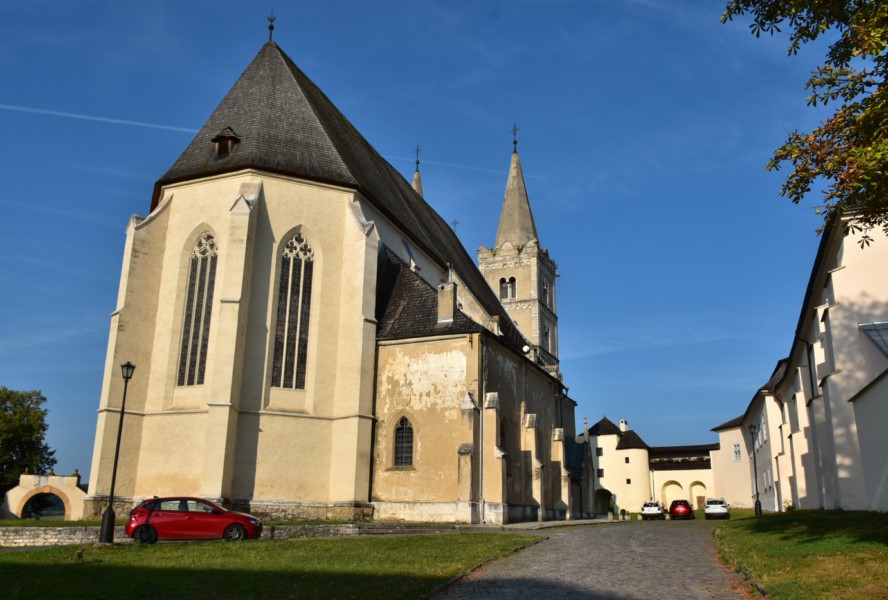
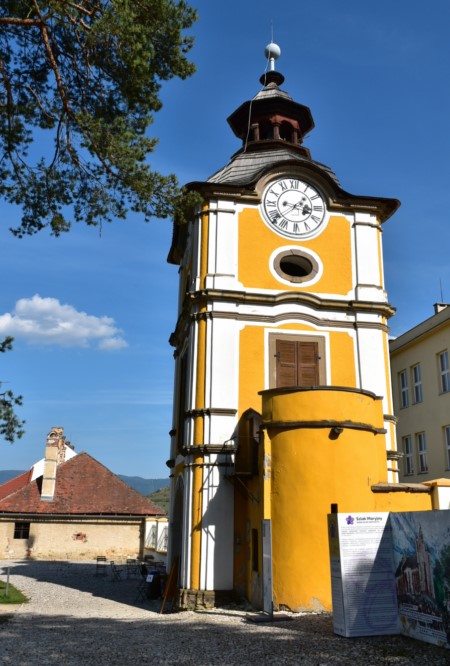
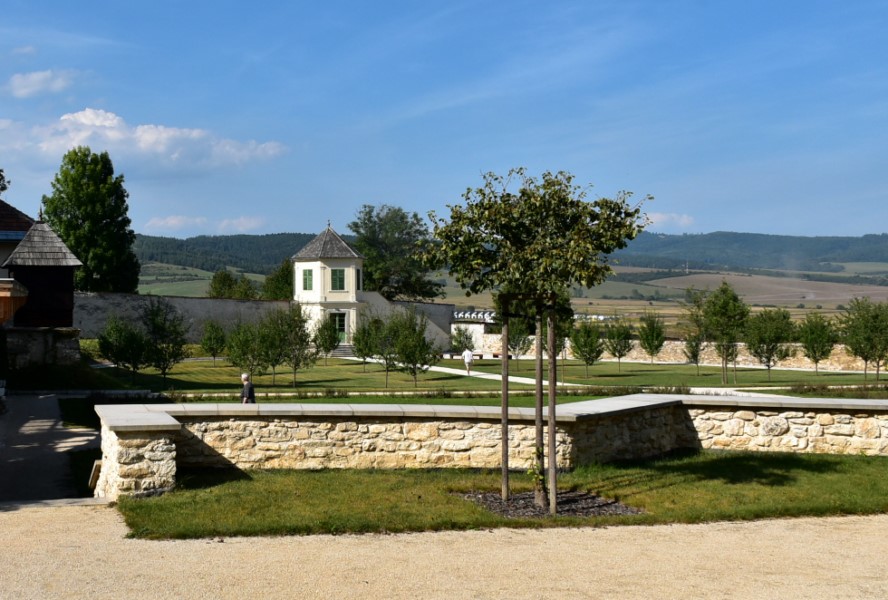
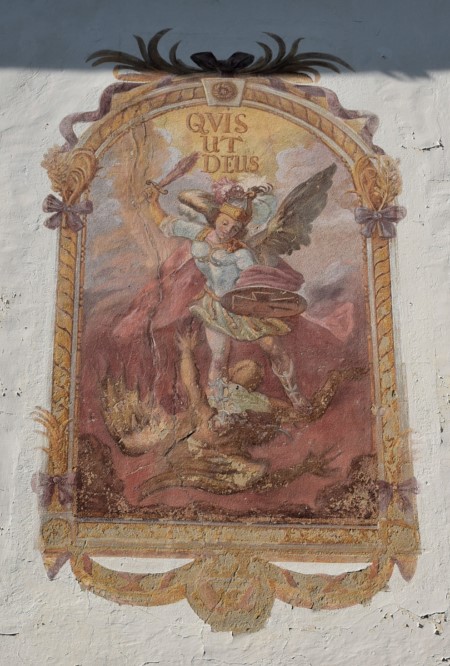
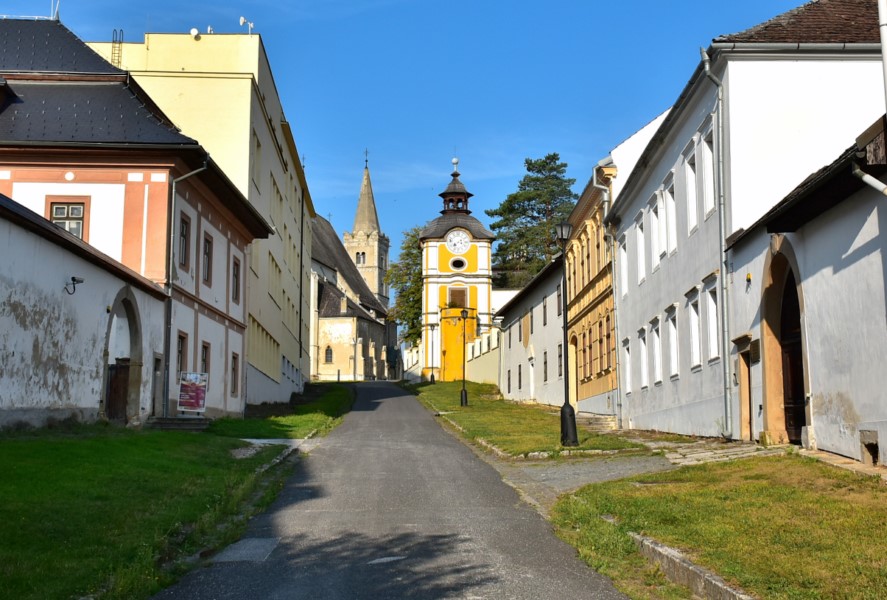
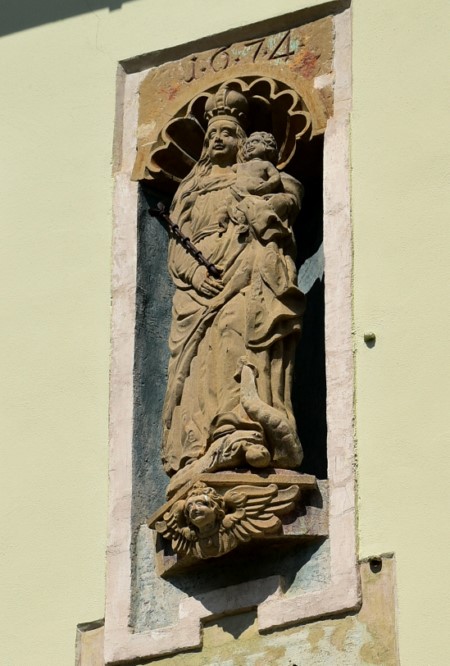
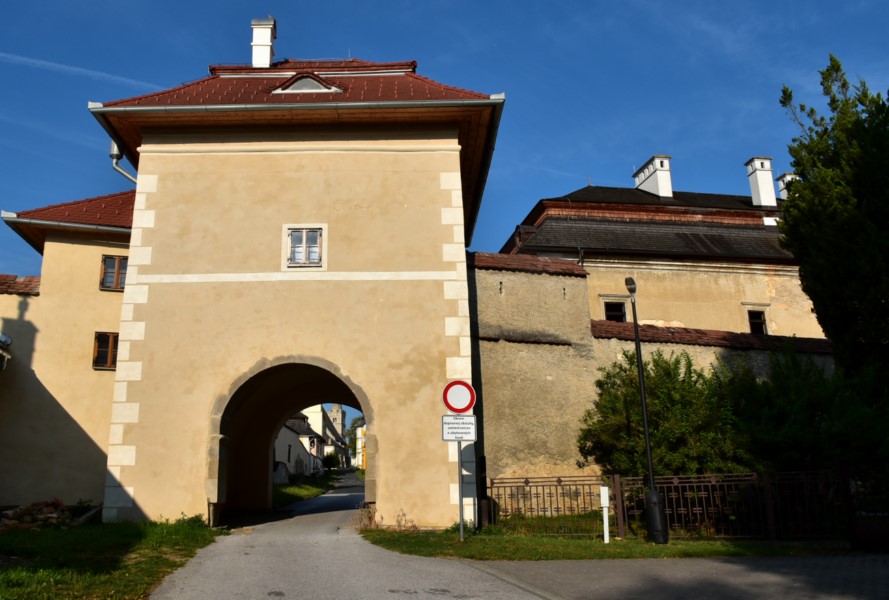
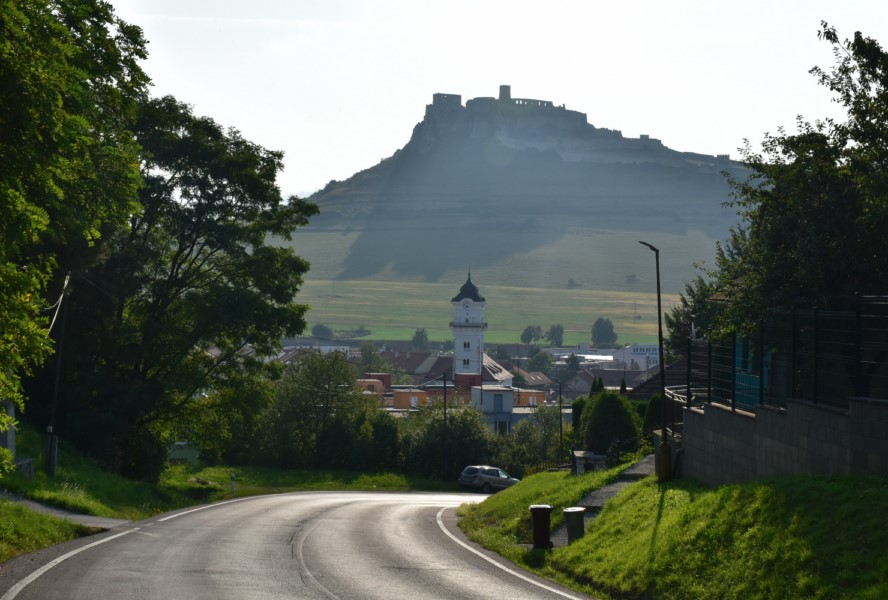
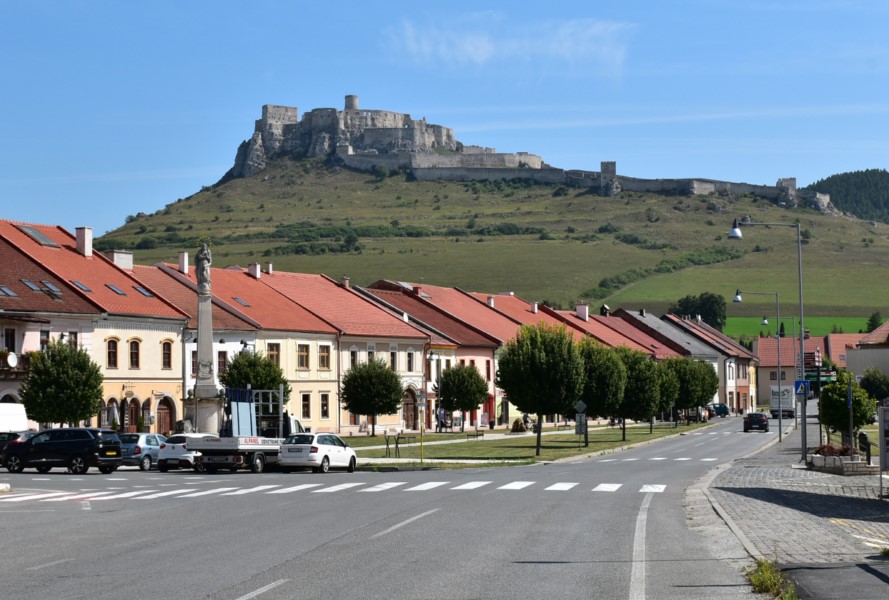
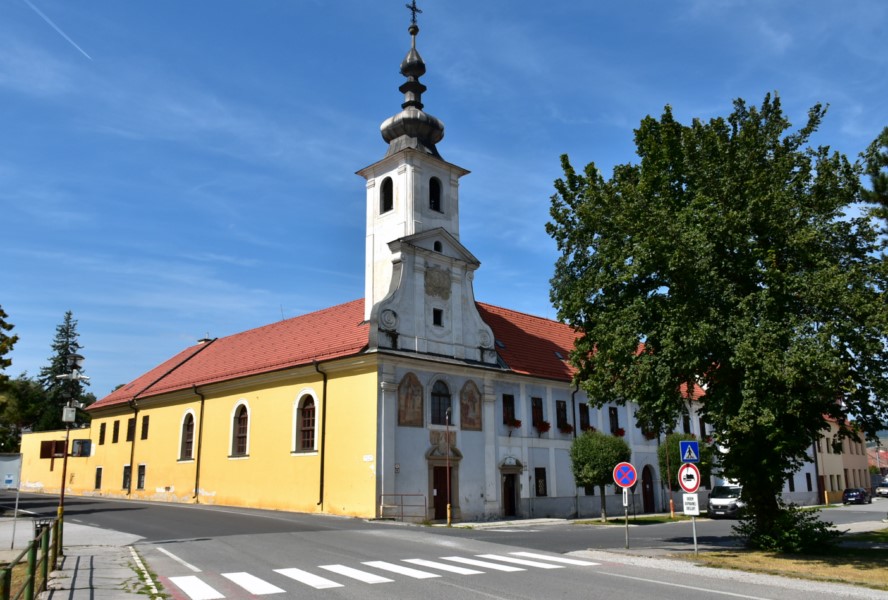
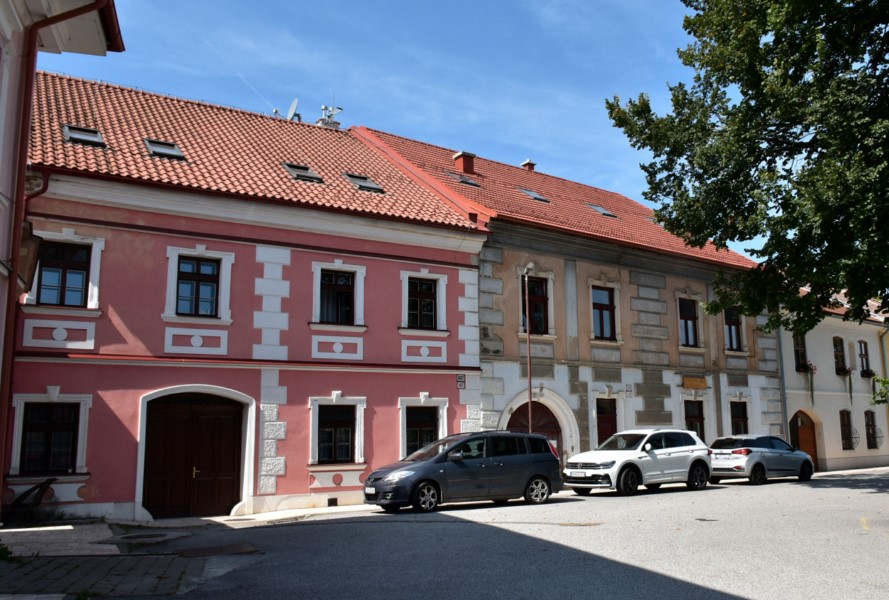
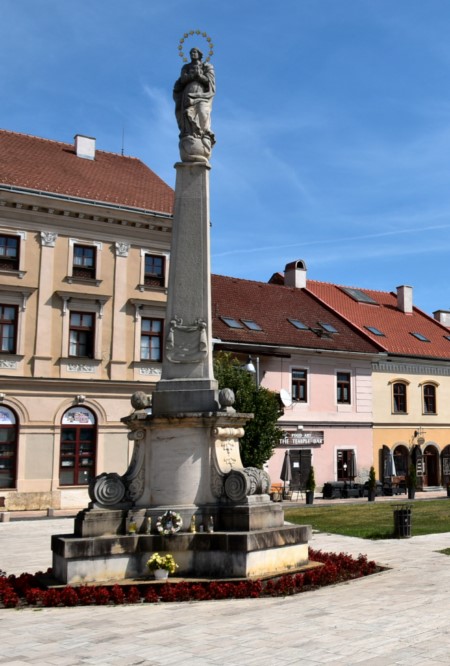
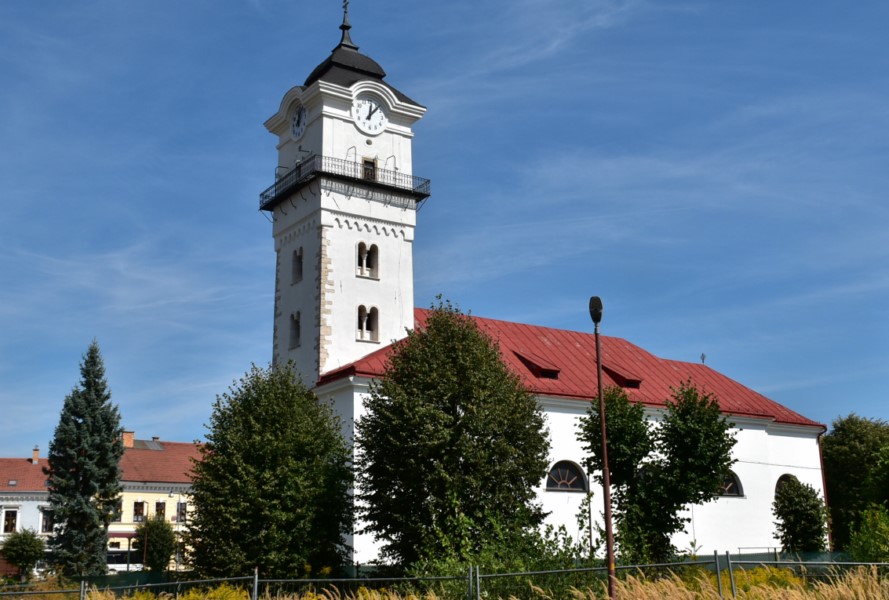
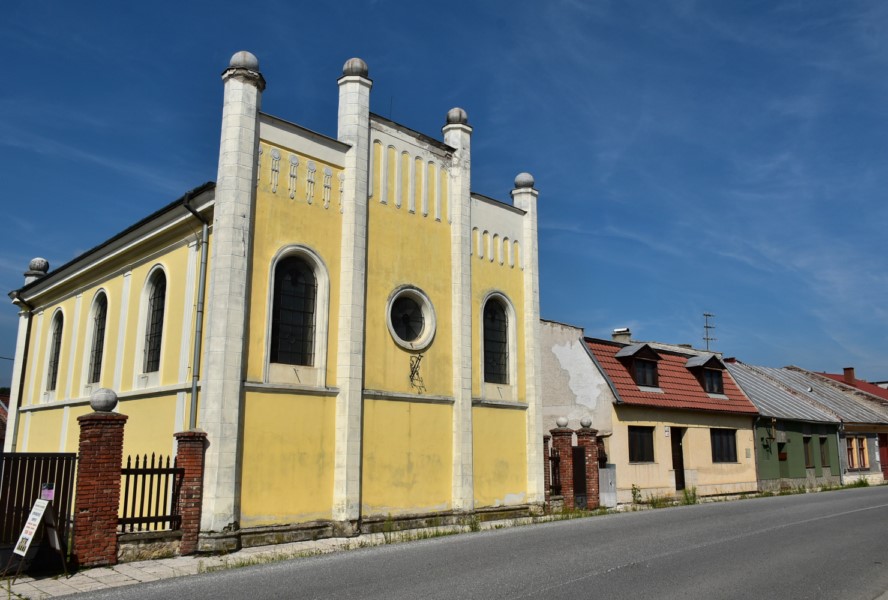
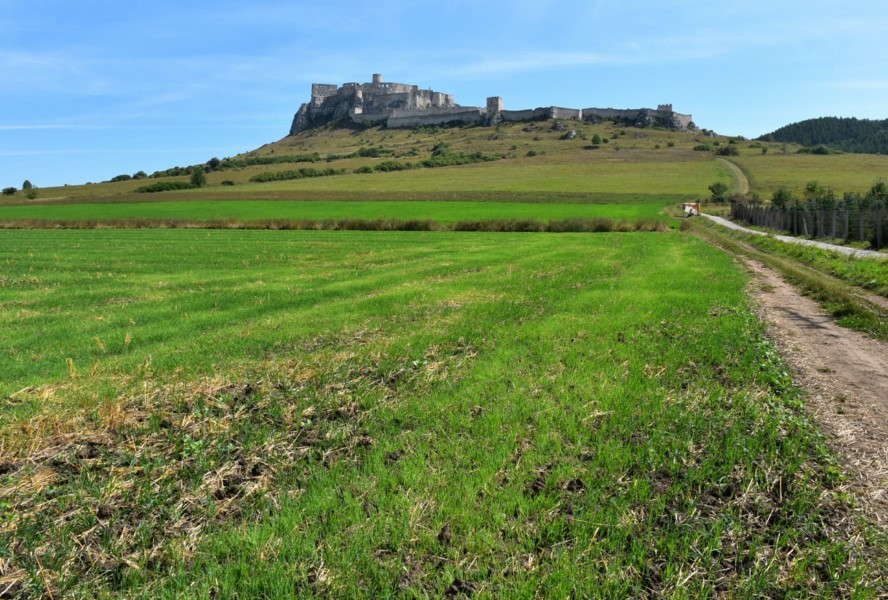
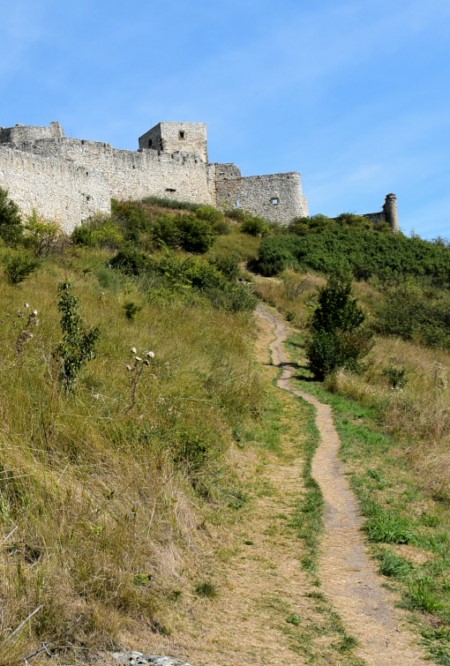
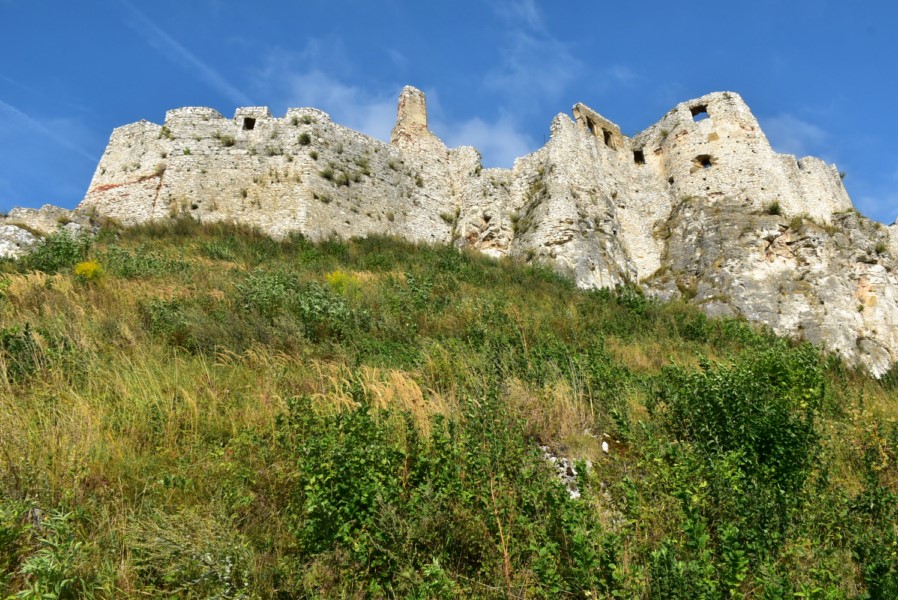
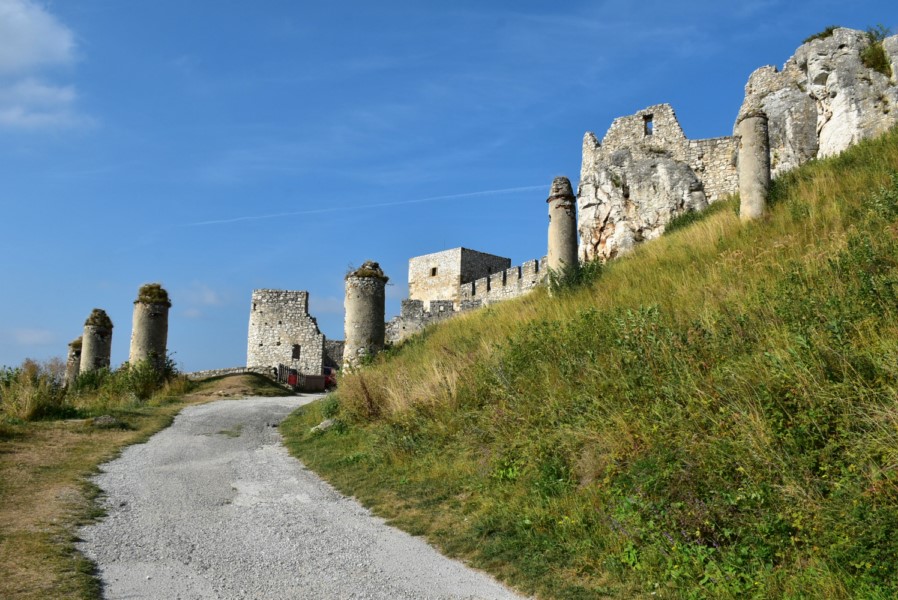
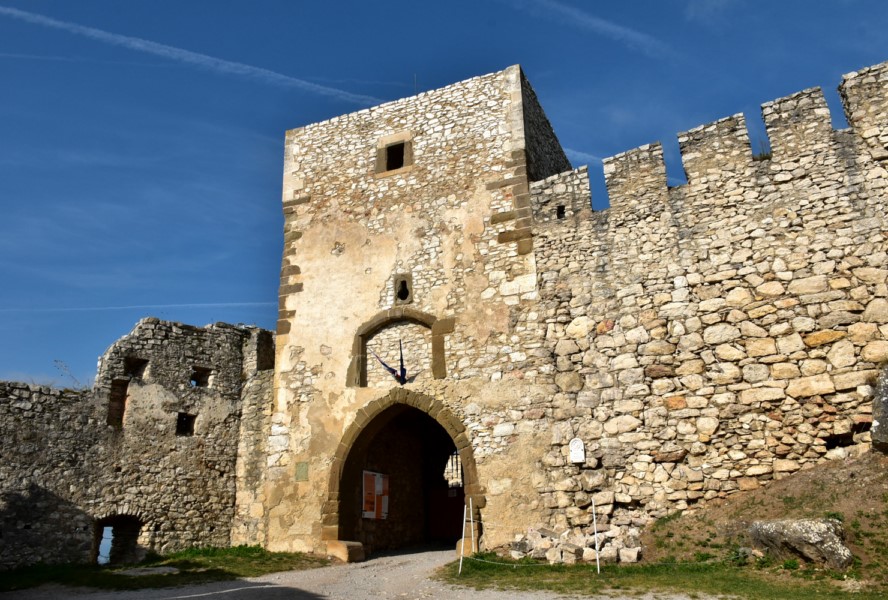
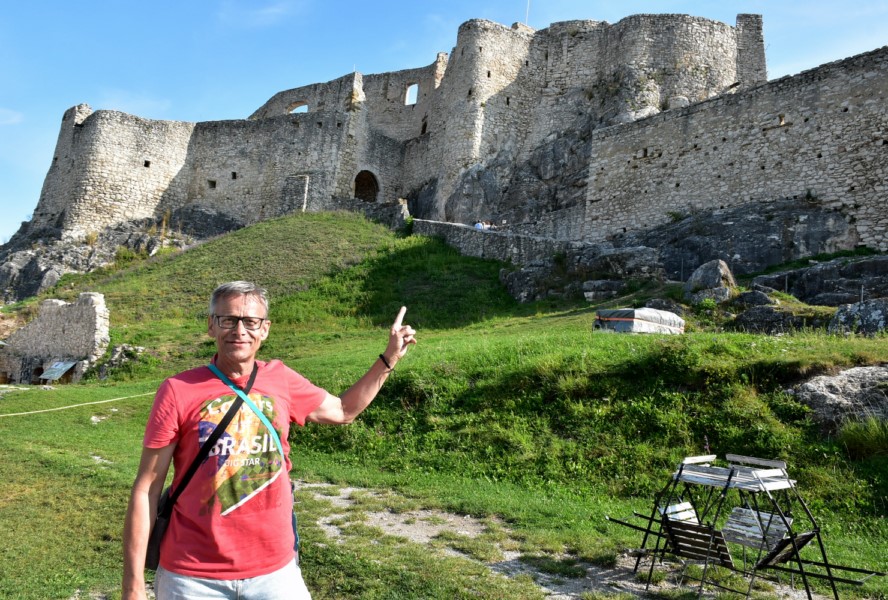
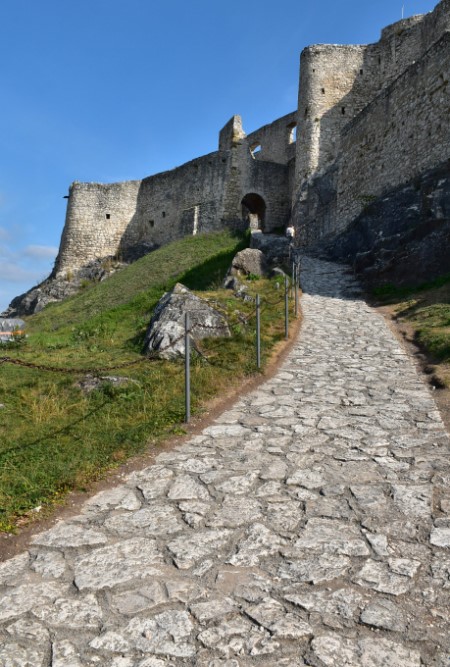
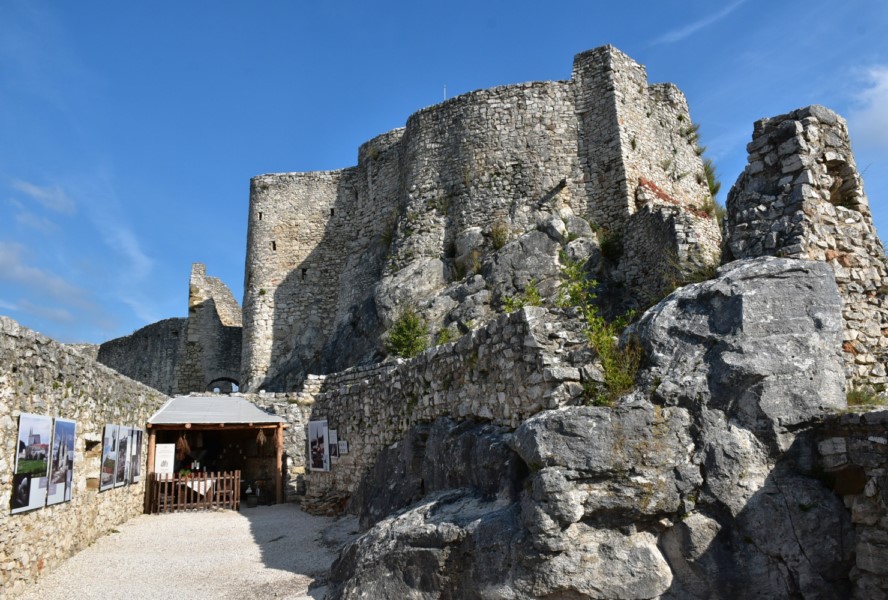
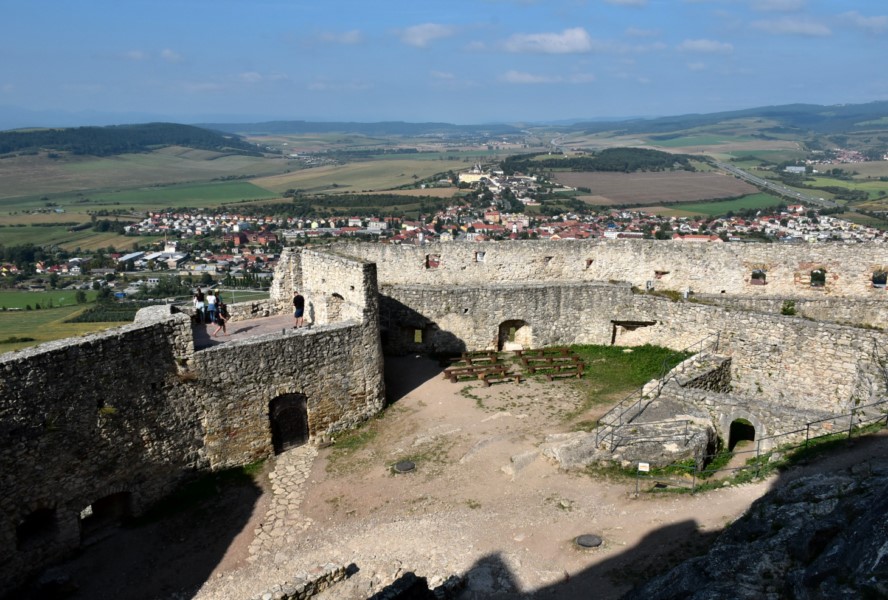
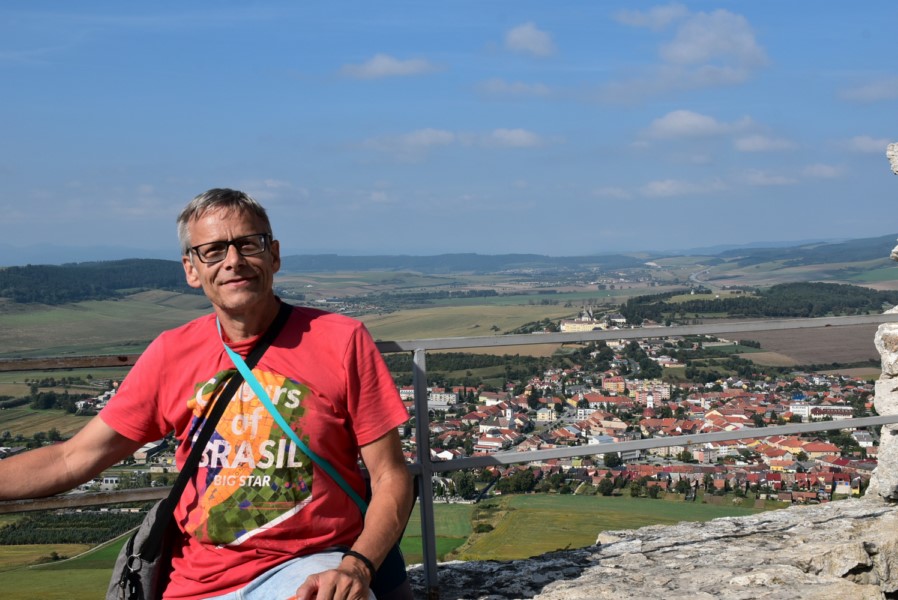
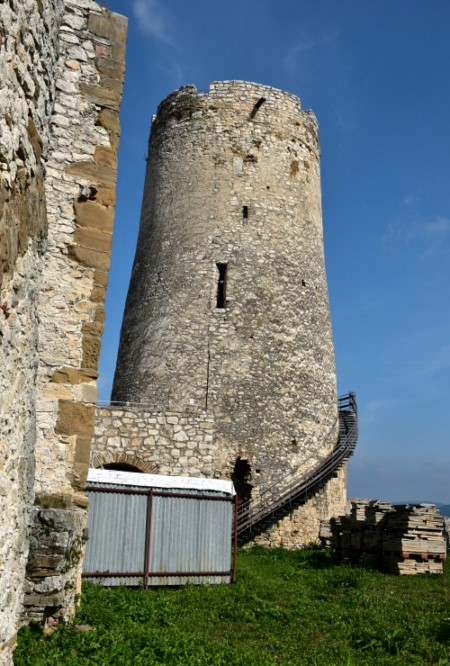
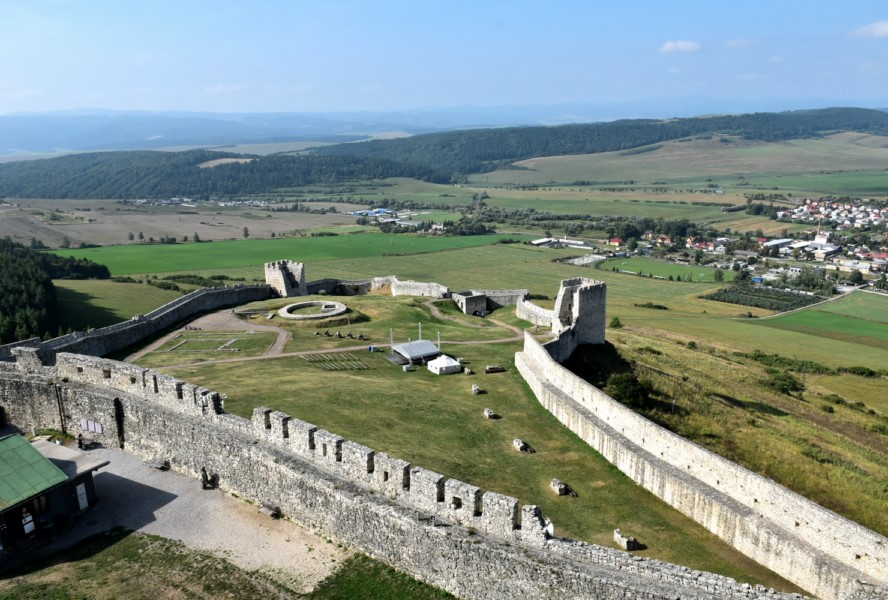
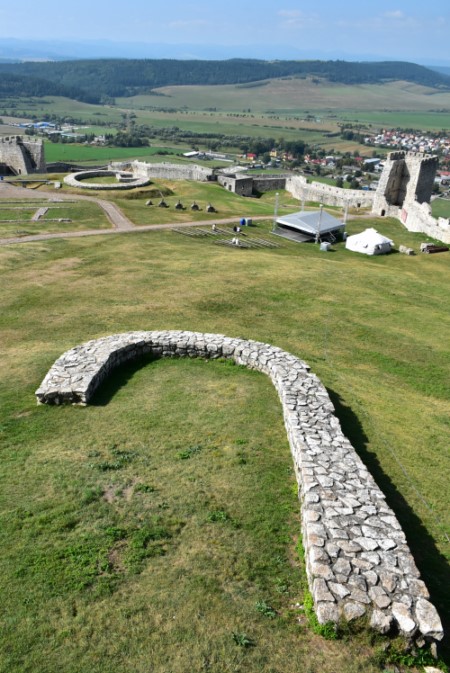
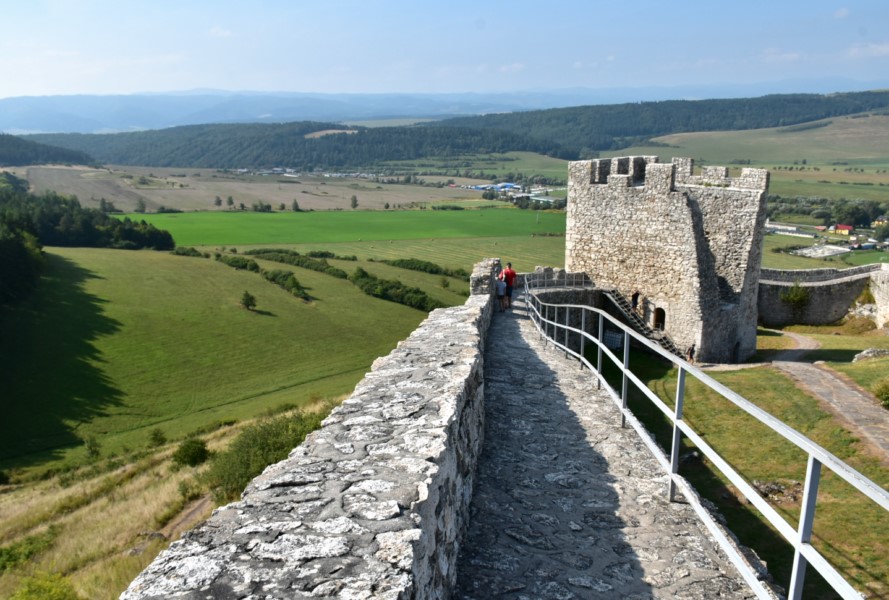
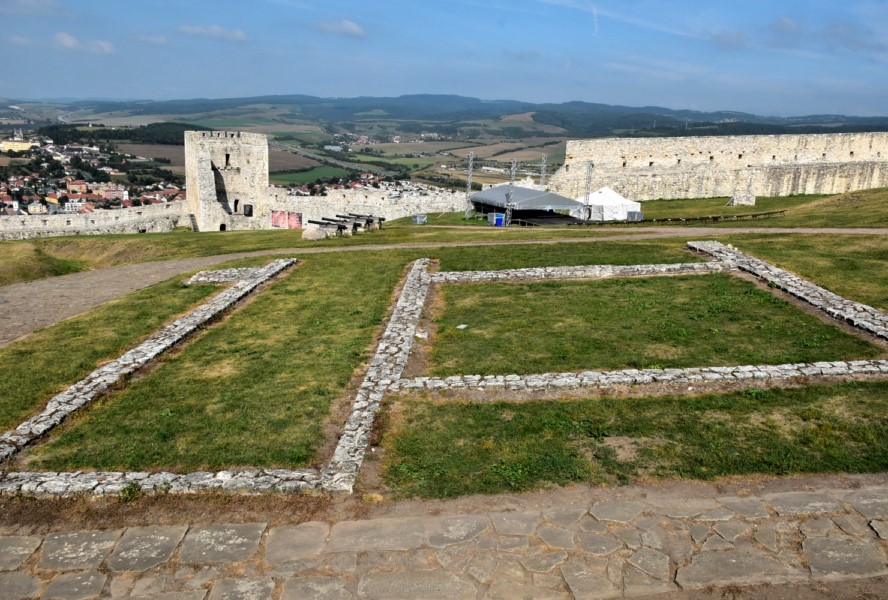
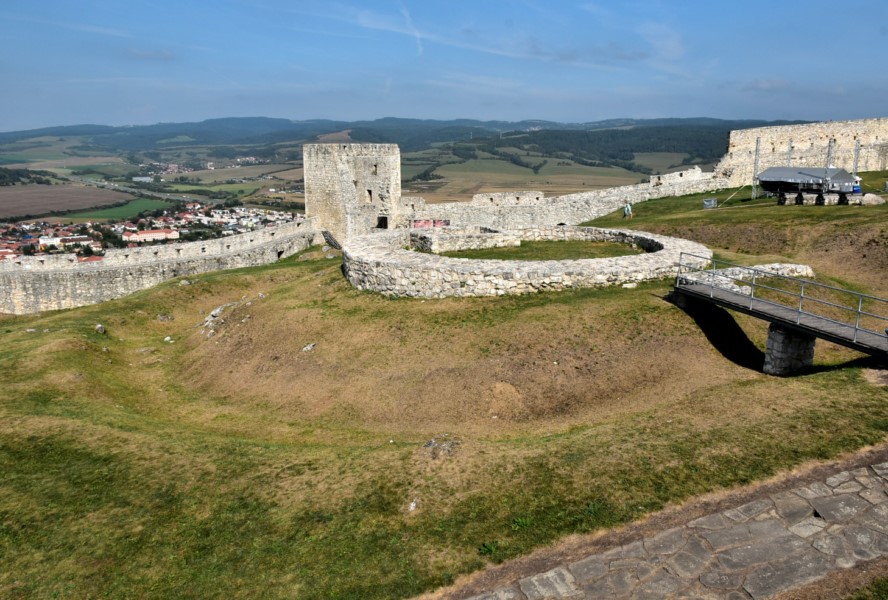
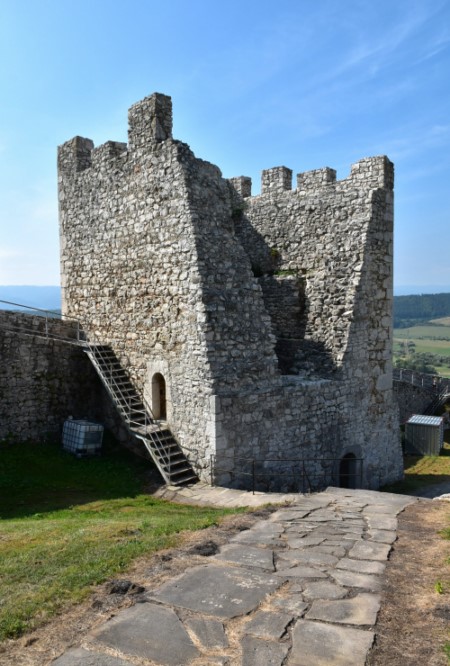
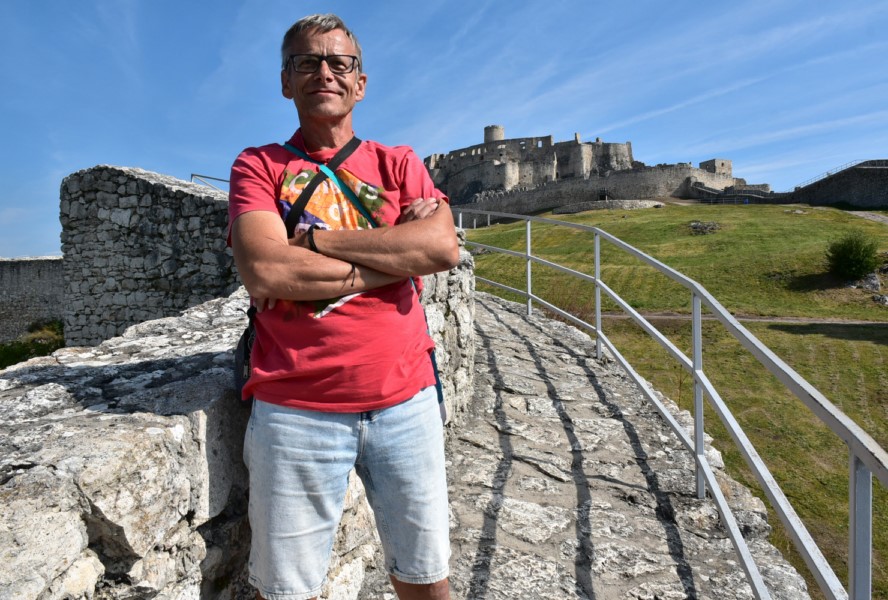
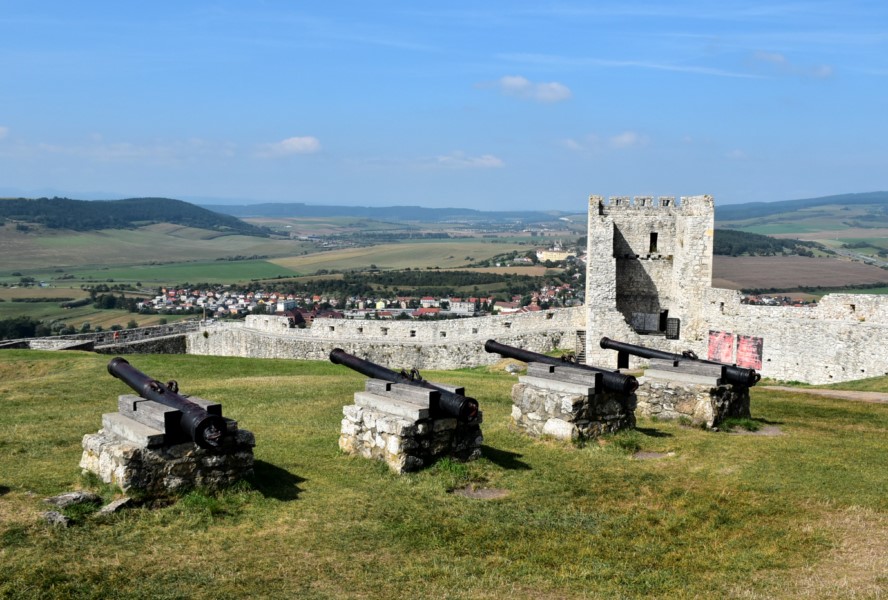
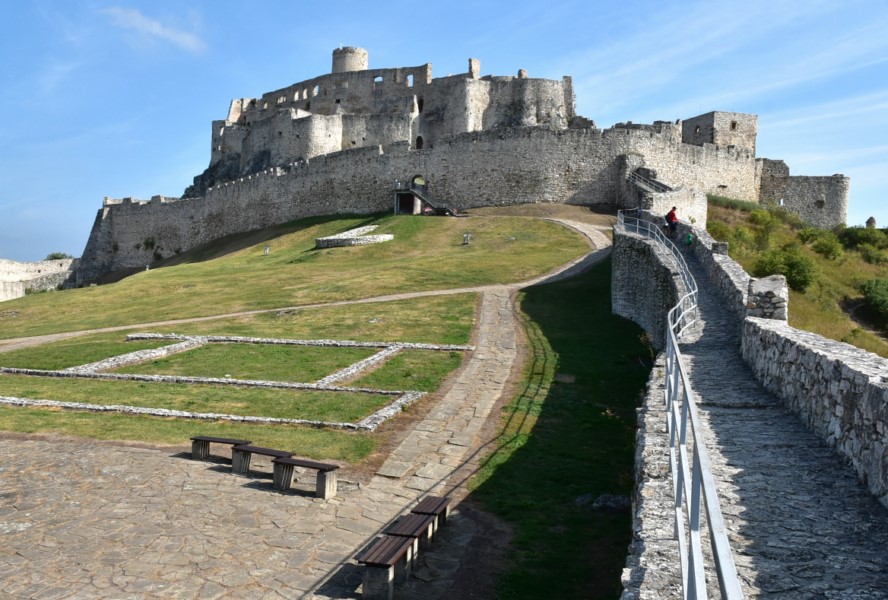
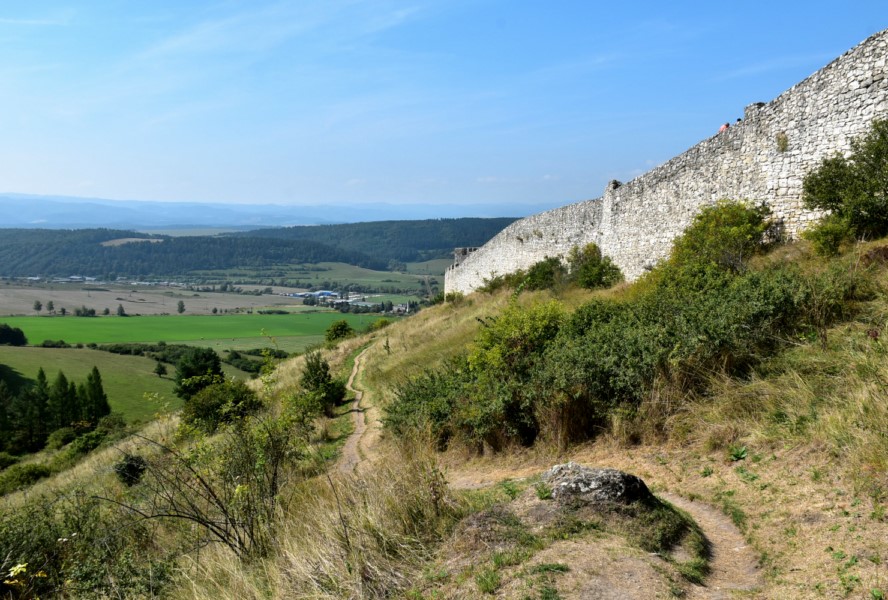
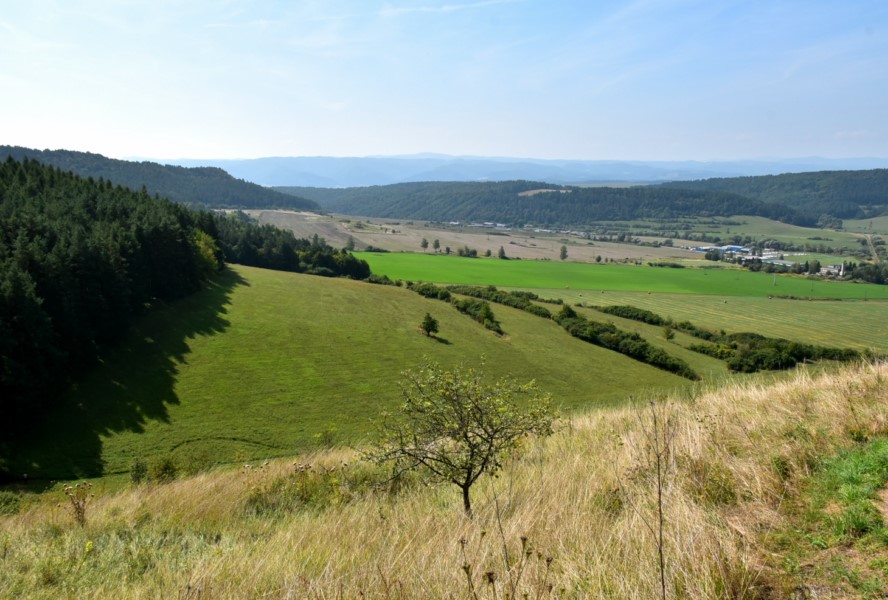
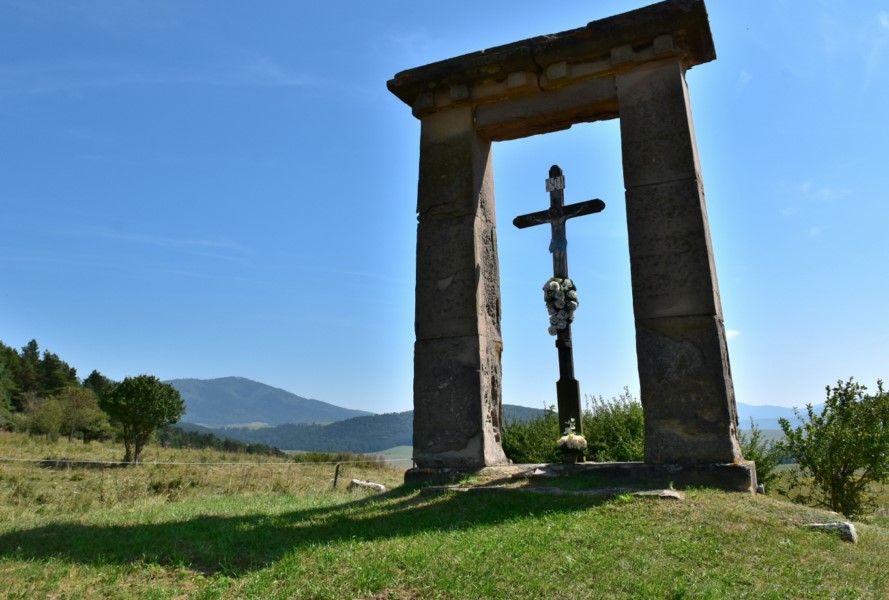
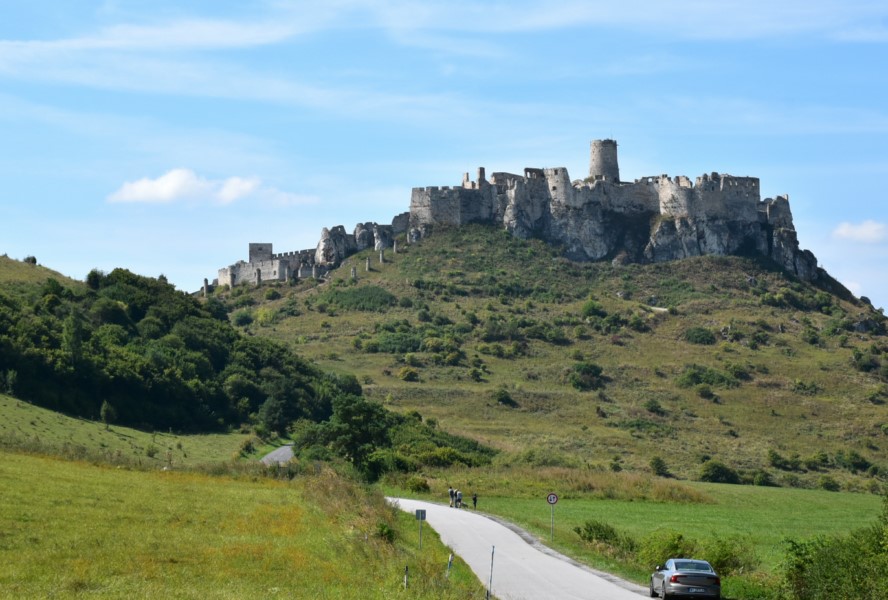
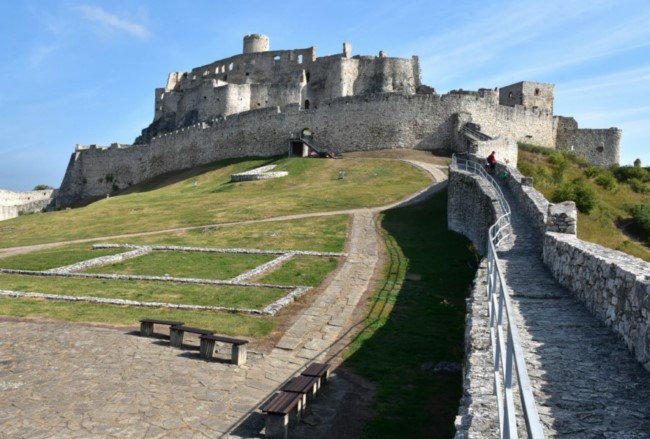
The majestic ruins of the medieval Spiš castle made an incredible impression on me. It is hard to believe that the fortress built on a lofty hill was conquered twice. However, visiting the interior was a bit disappointing. Despite the full ticket price, the oldest and most interesting part with the keep and romanesque palace was not available due to renovation. A pleasant surprise was a visit to Spišská Kapitula, a fortified church town entered on the Unesco list together with the castle.
Slovak Paradise
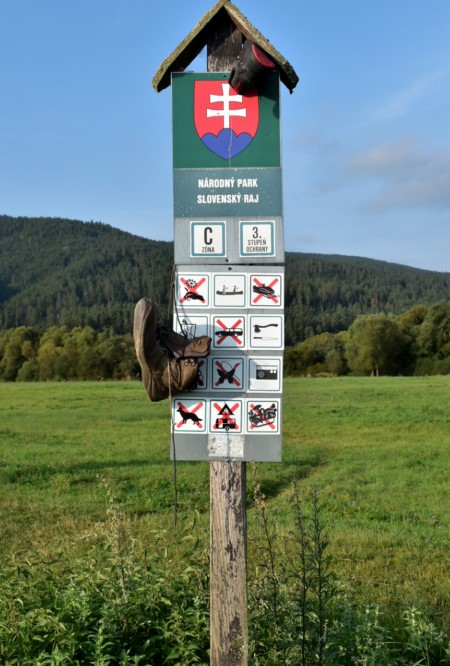
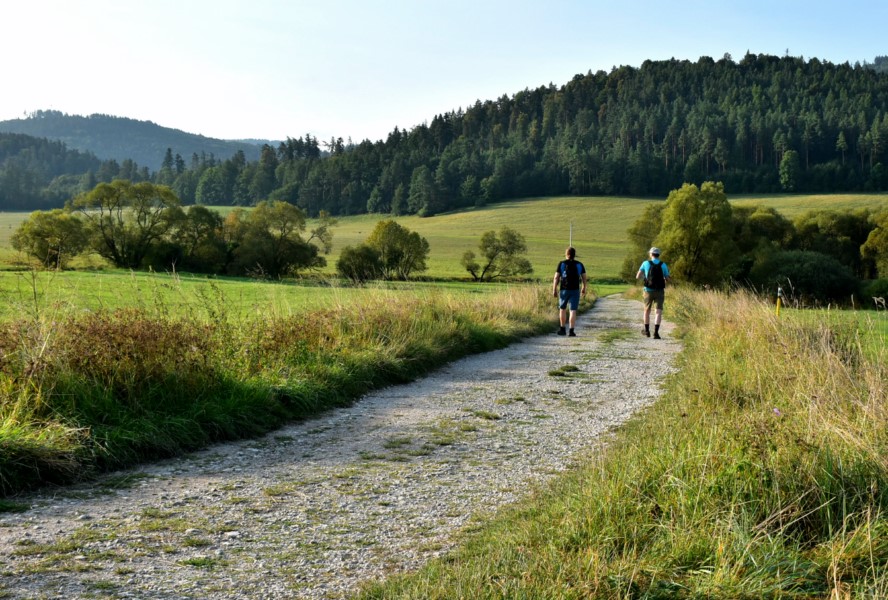
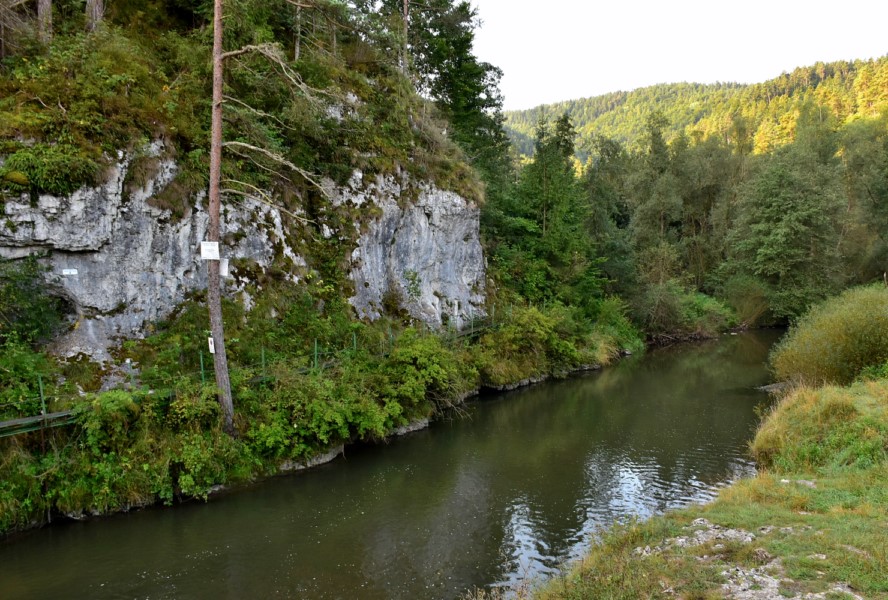
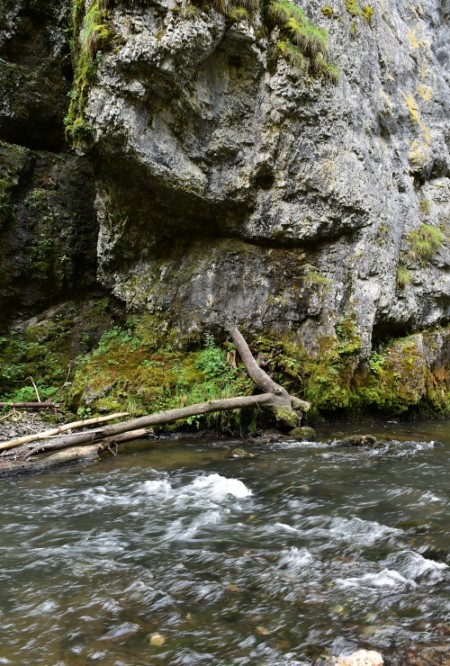
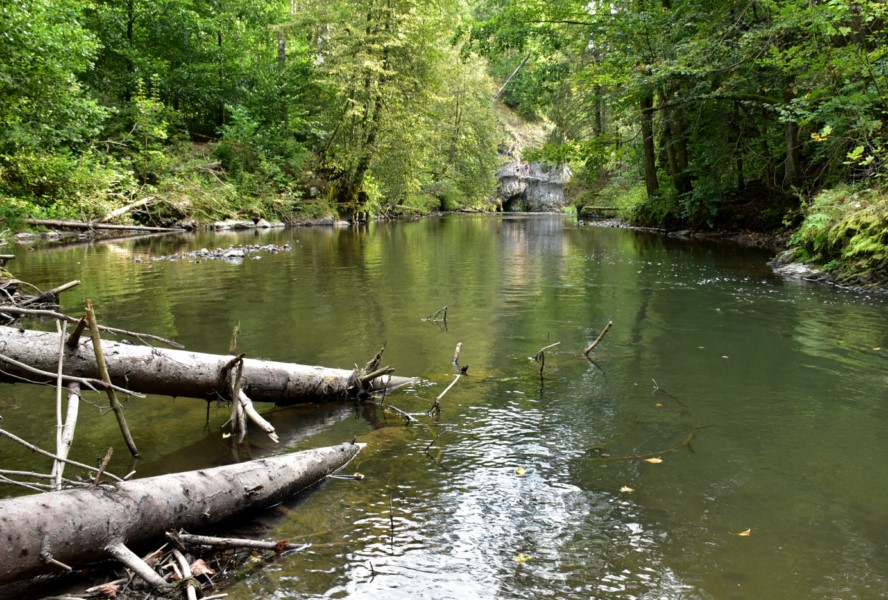
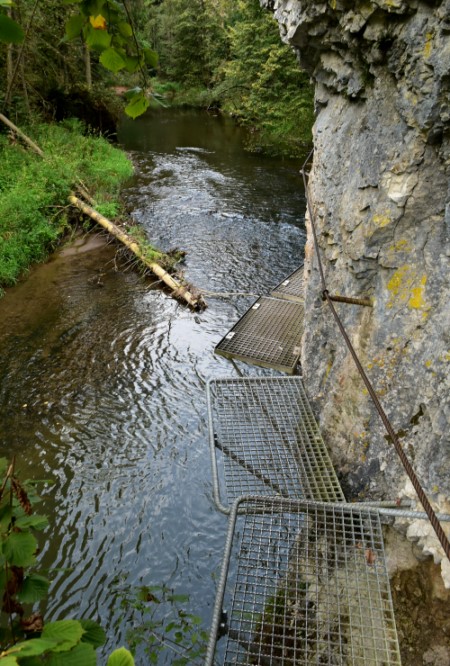
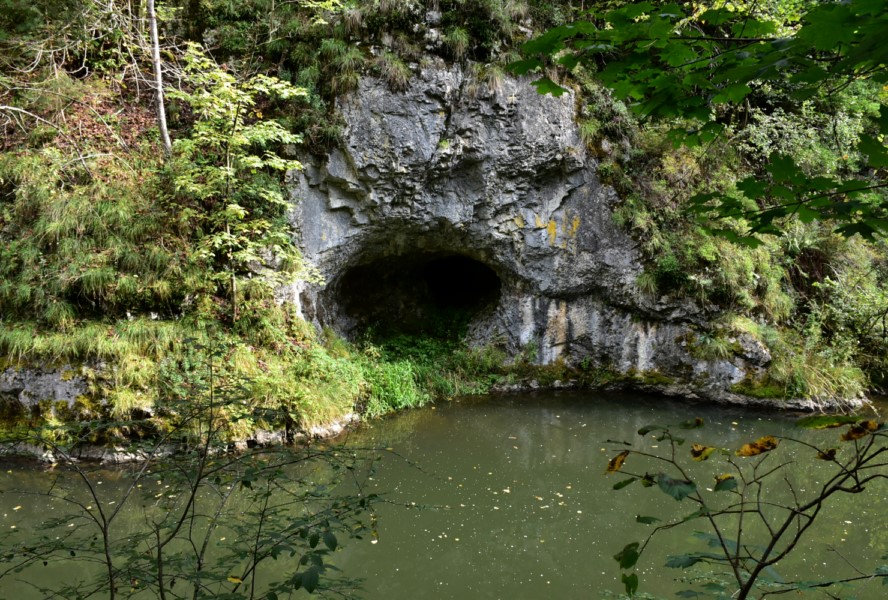
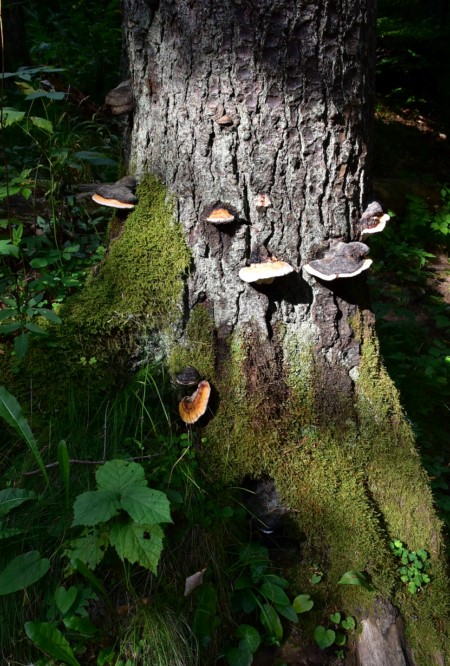
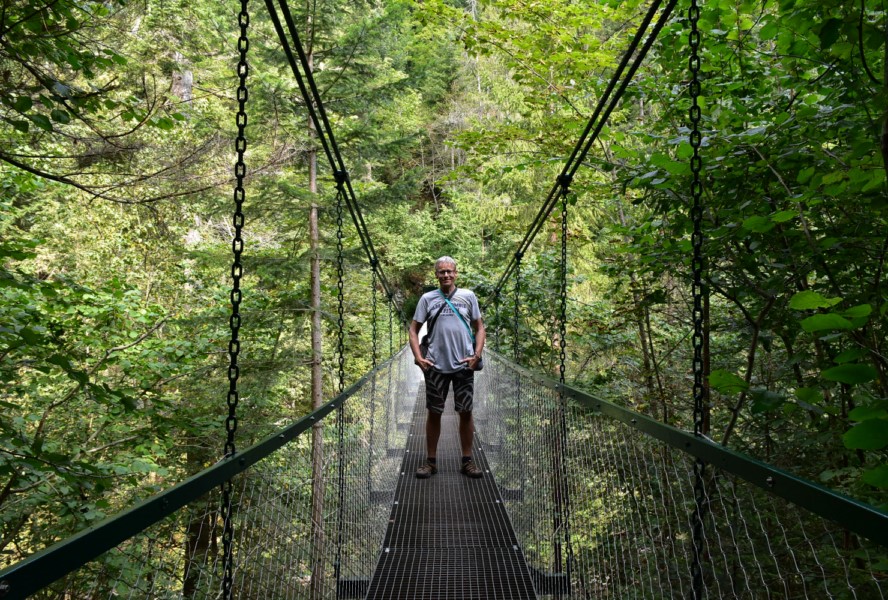
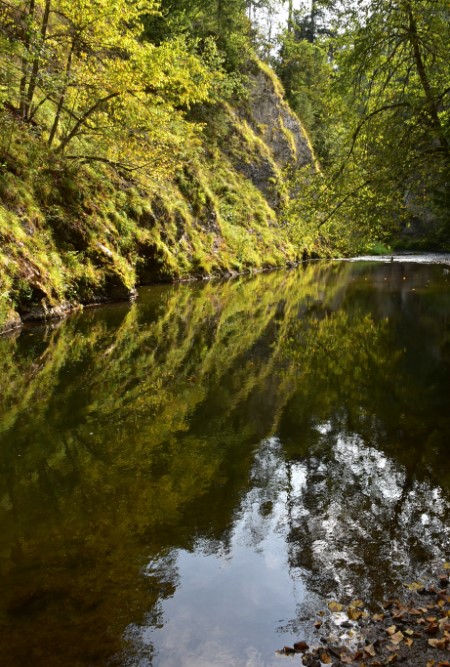
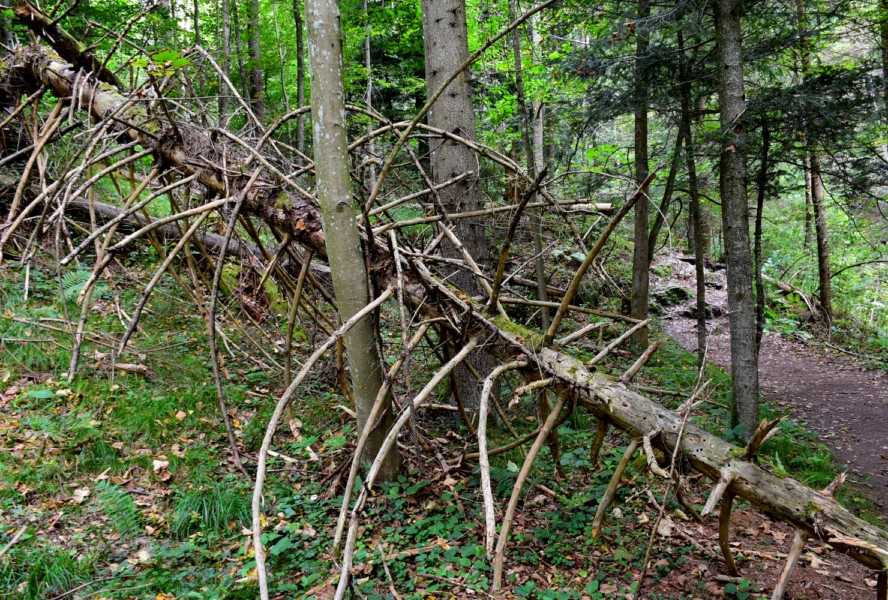
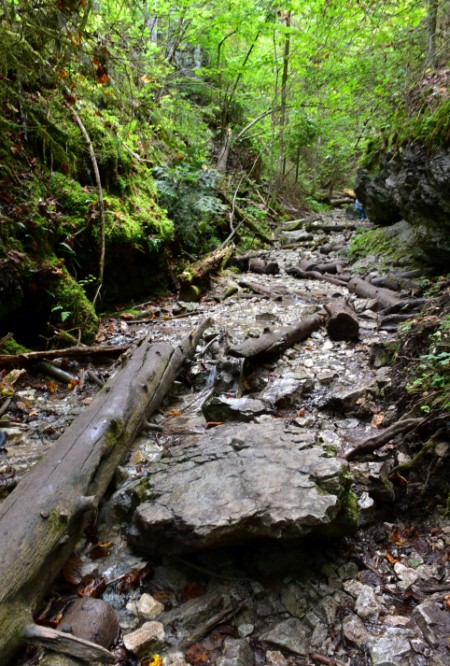
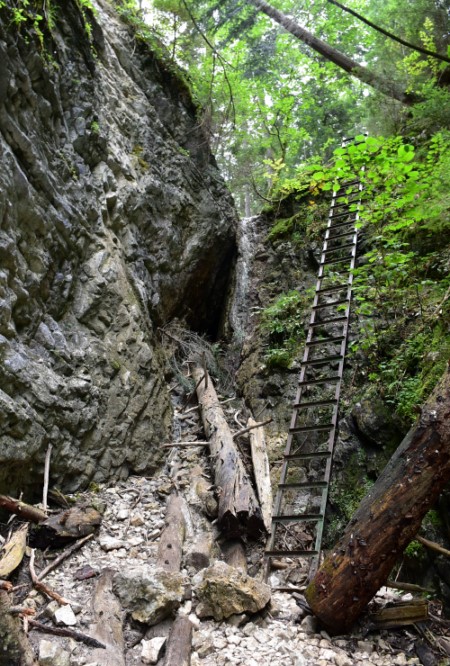
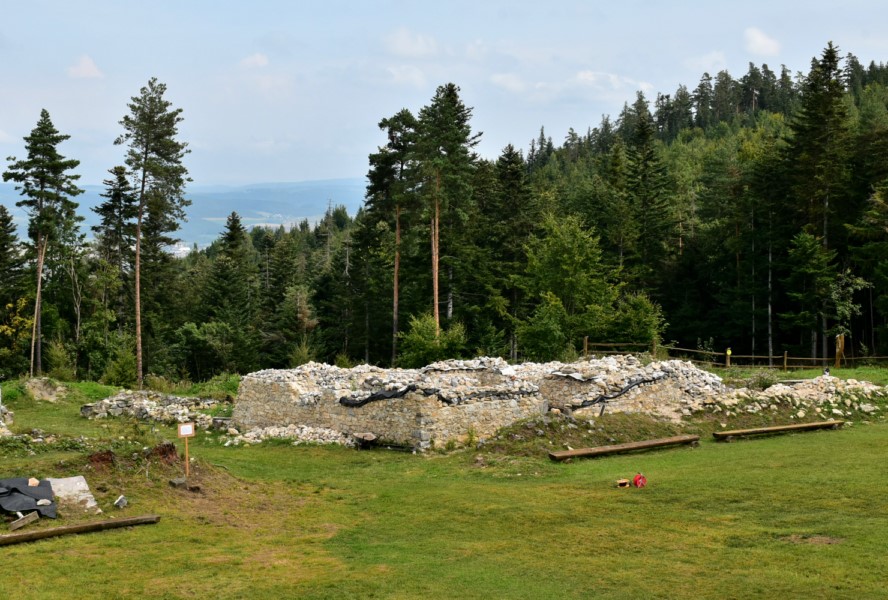
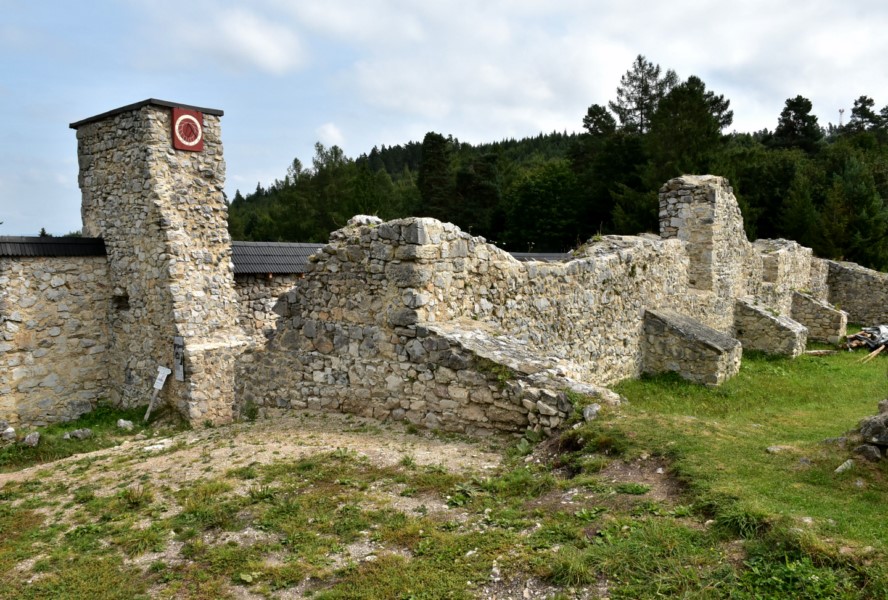
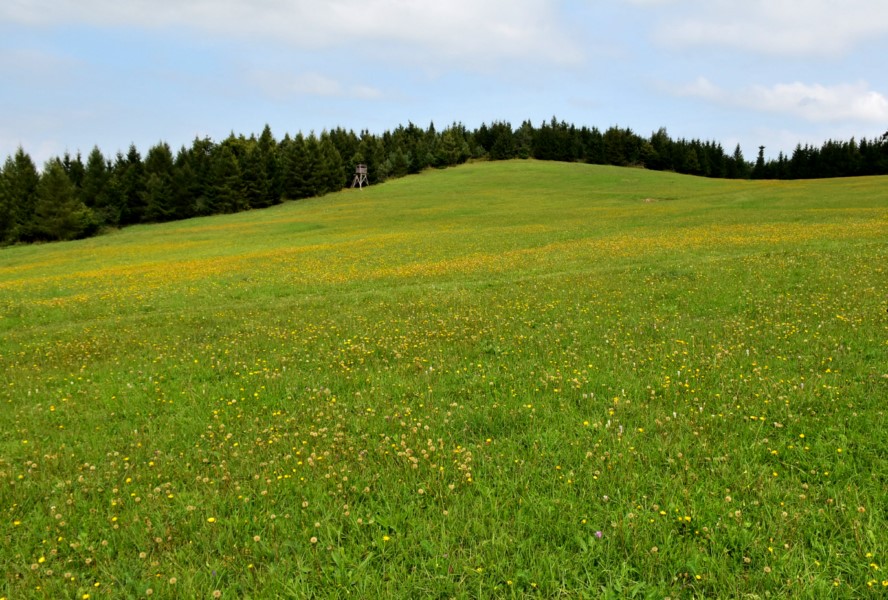
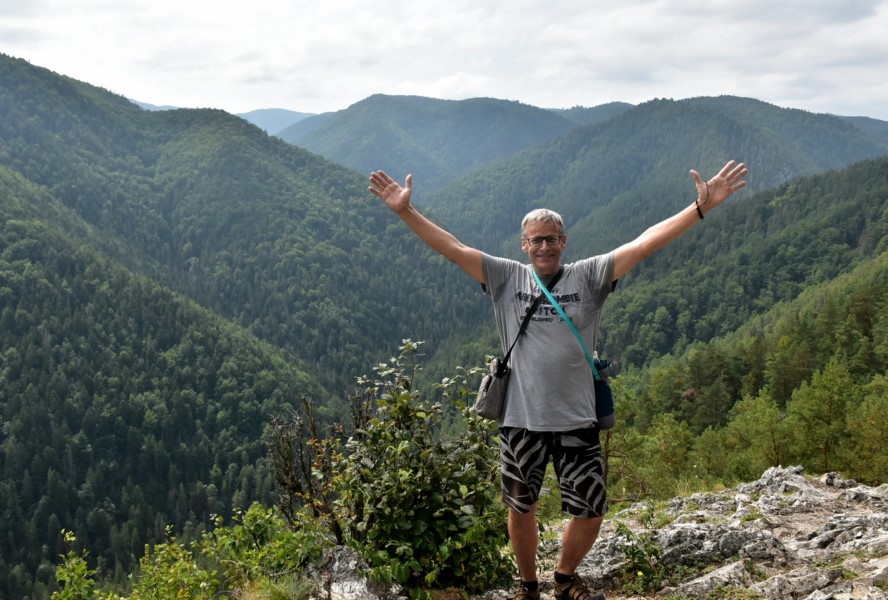
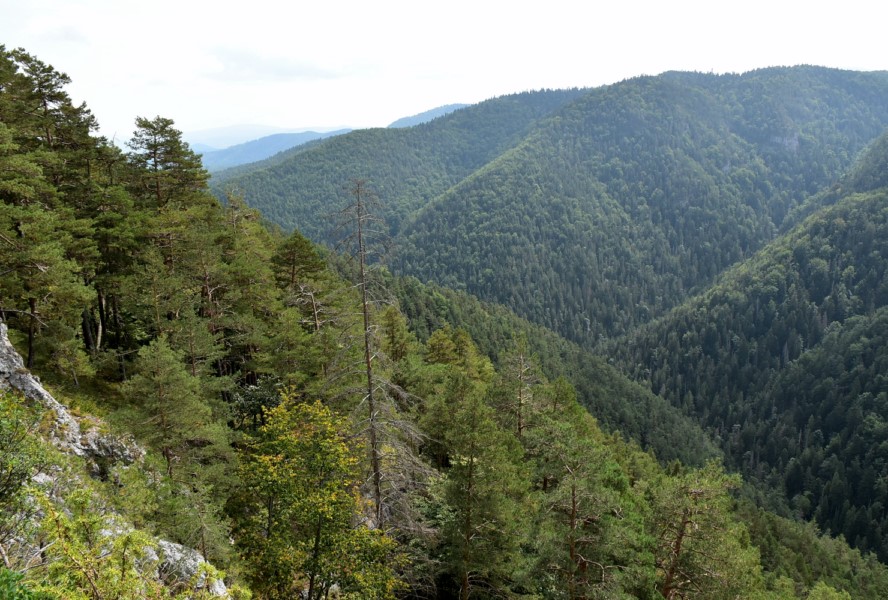
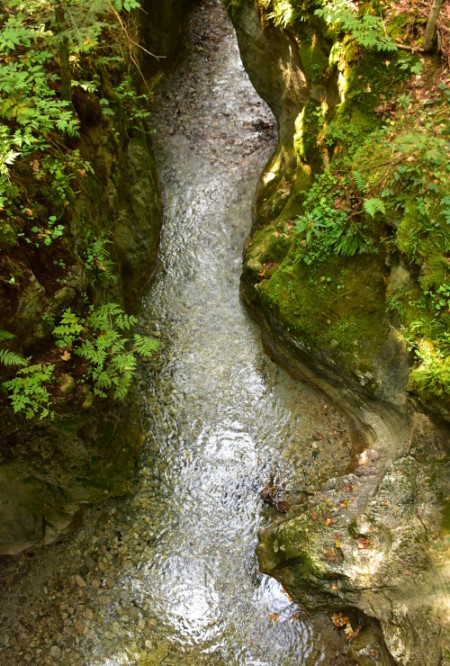
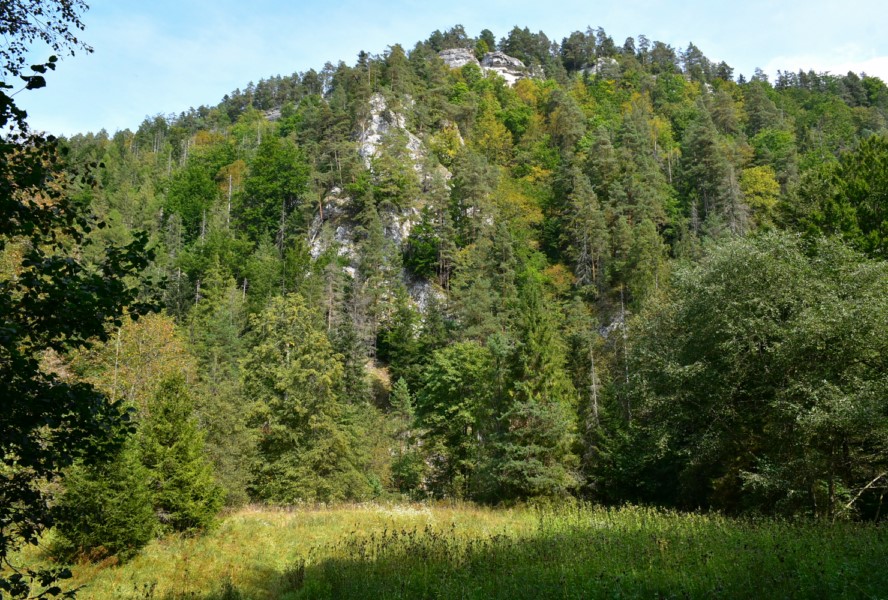
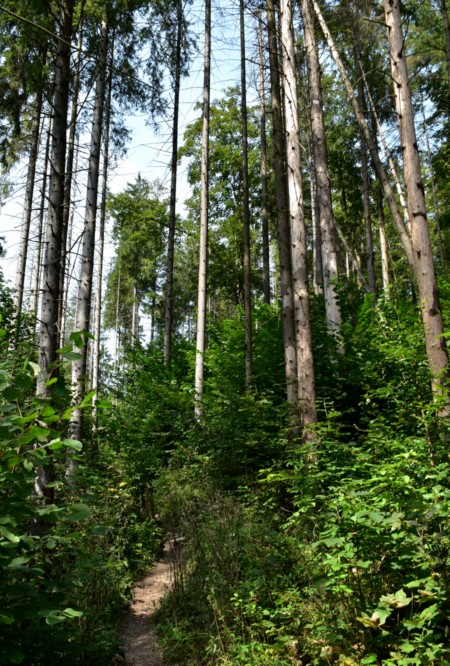
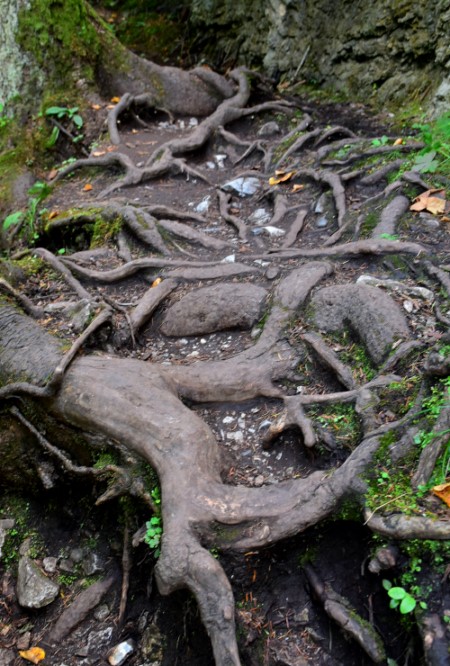
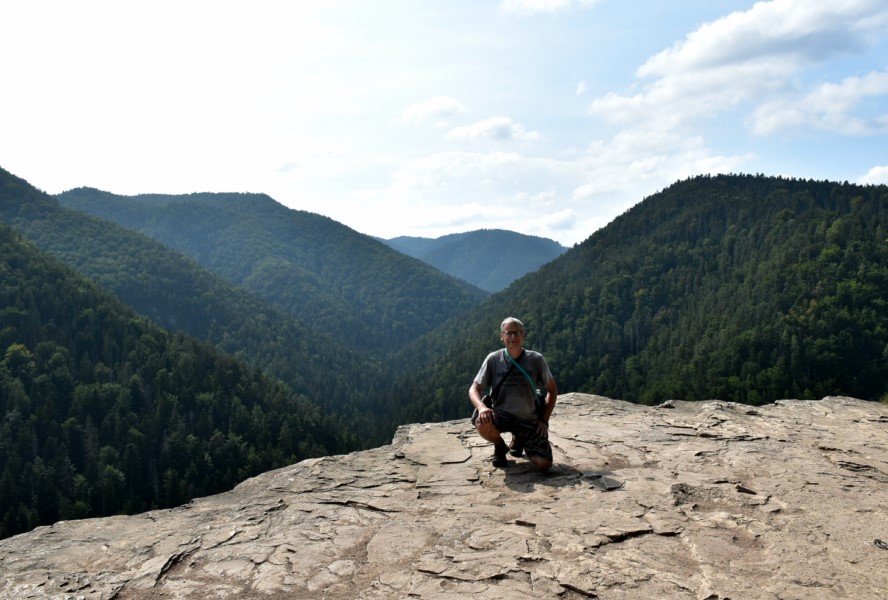
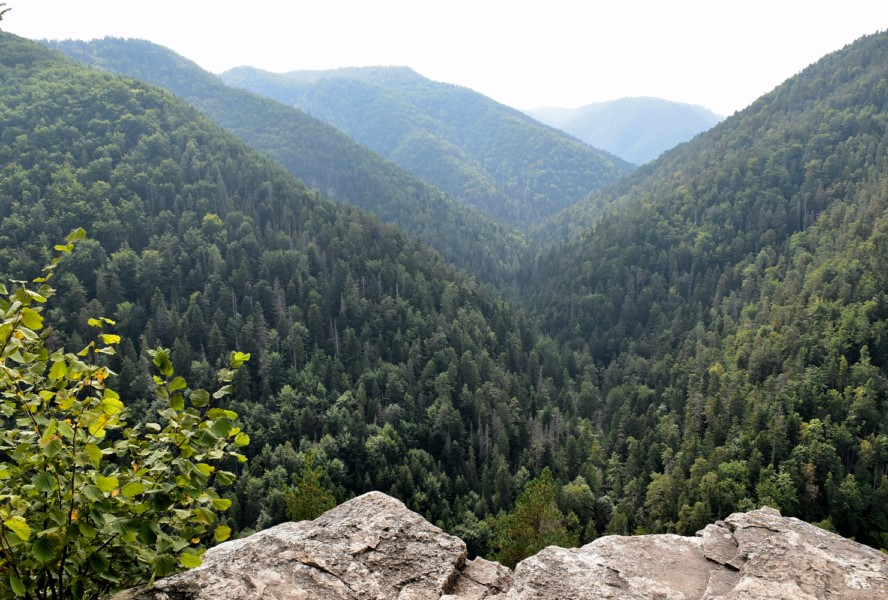
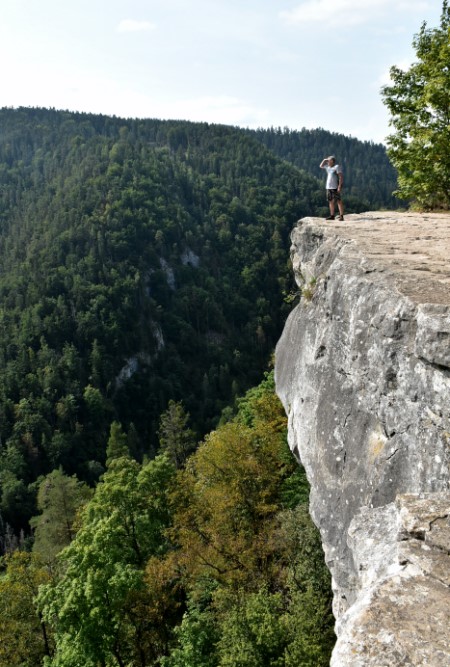
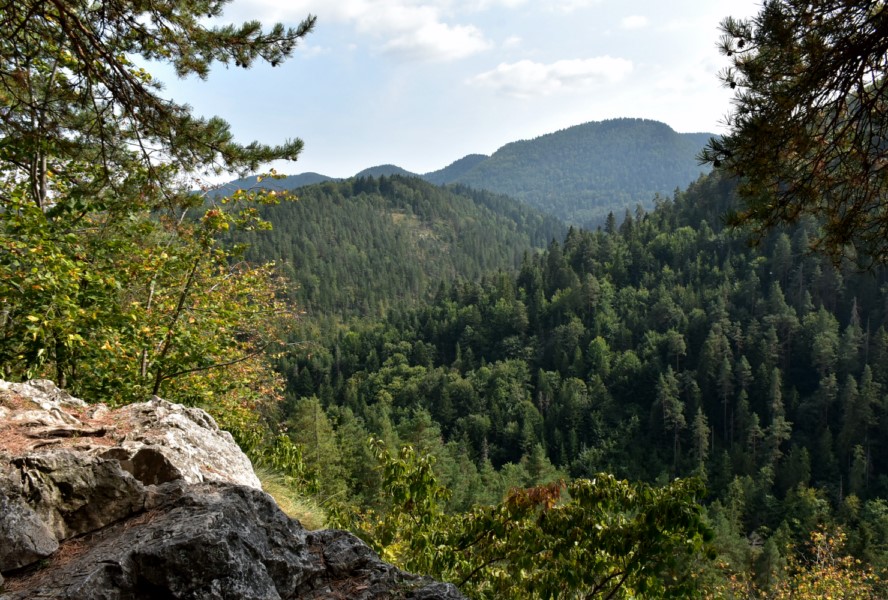
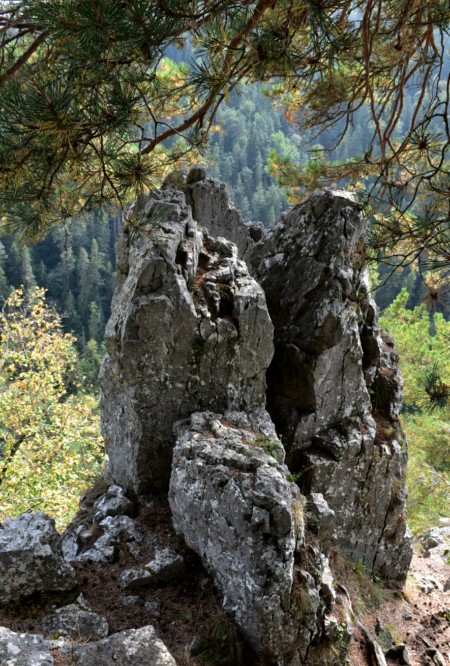
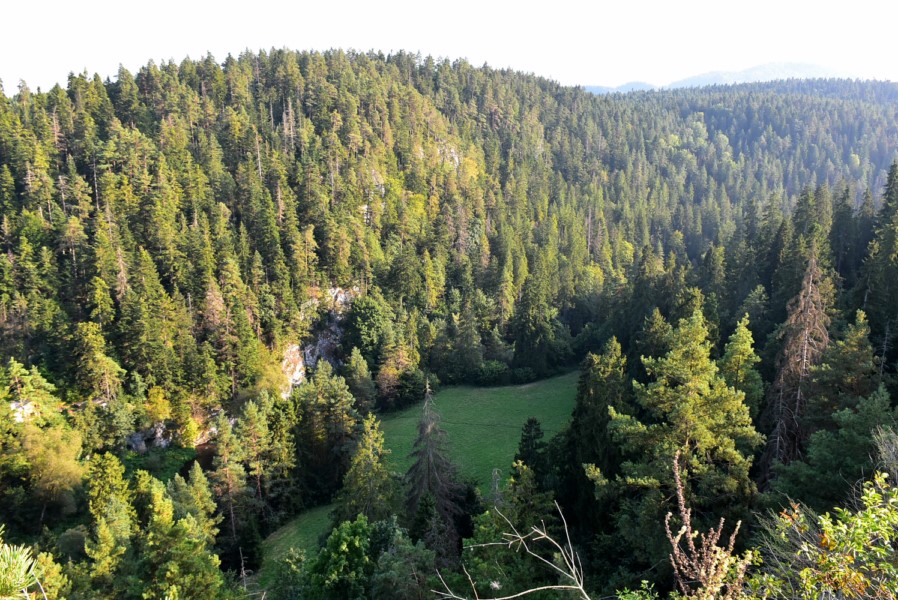
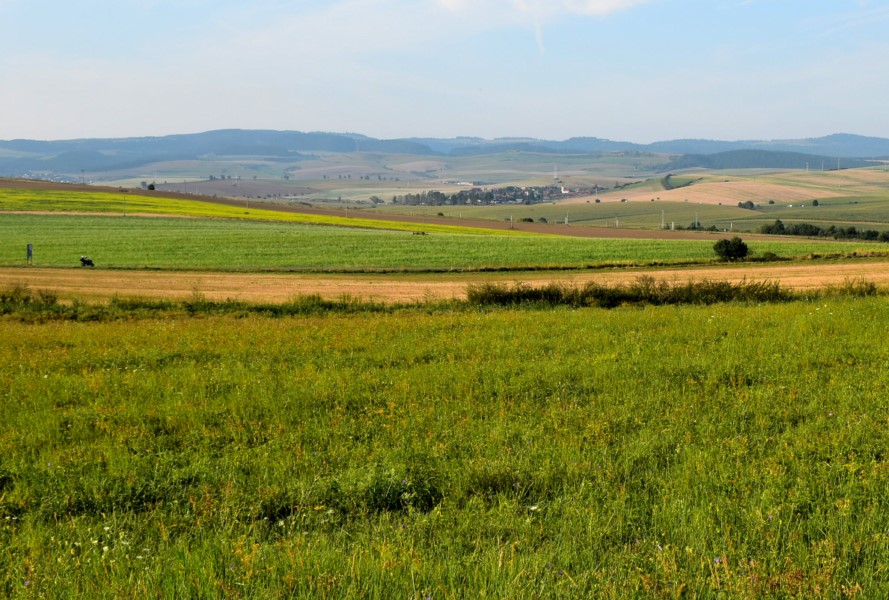
Visiting the Slovak Paradise National Park was like going back in time for me. I visited this place over 20 years ago and probably out of sentiment I traversed the park on a similar route. The Hornad Gorge, Kláštorisko or Tomášovský Výhľad hadn't changed at all, but I had, because I was much more tired after a day's walk. However, everything was compensated by the wonderful views and tourists I met along the way, one of whom came all the way from Singapore.
On the way
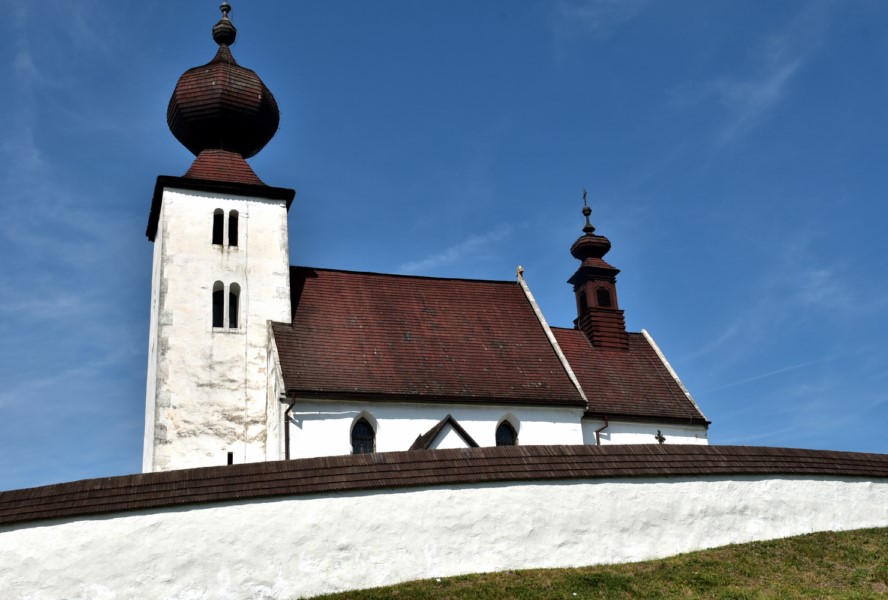
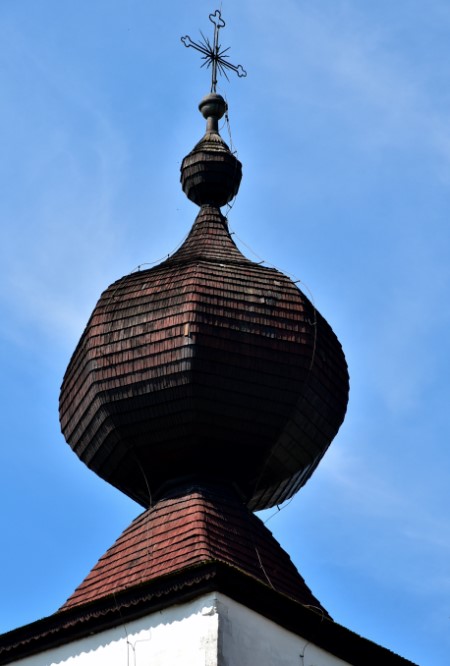
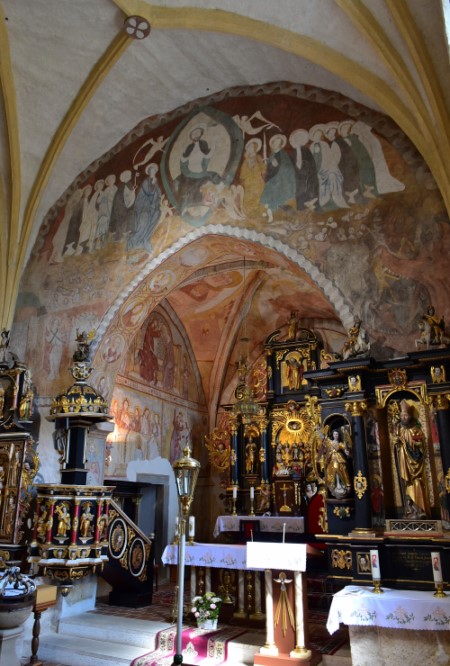
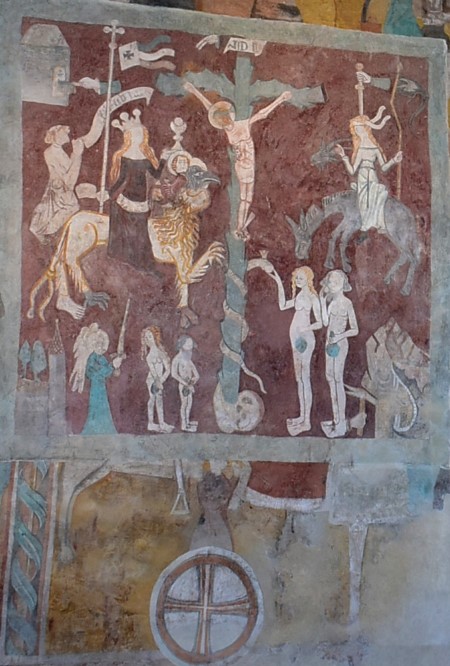
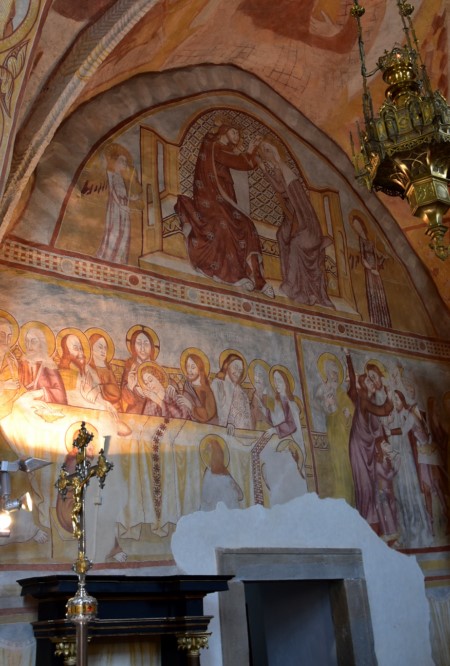
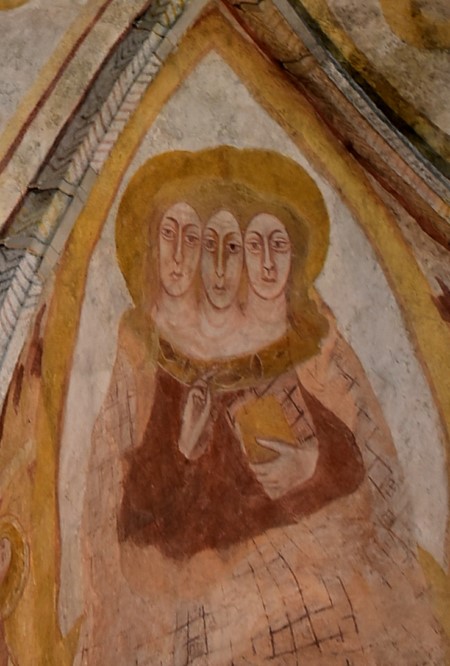
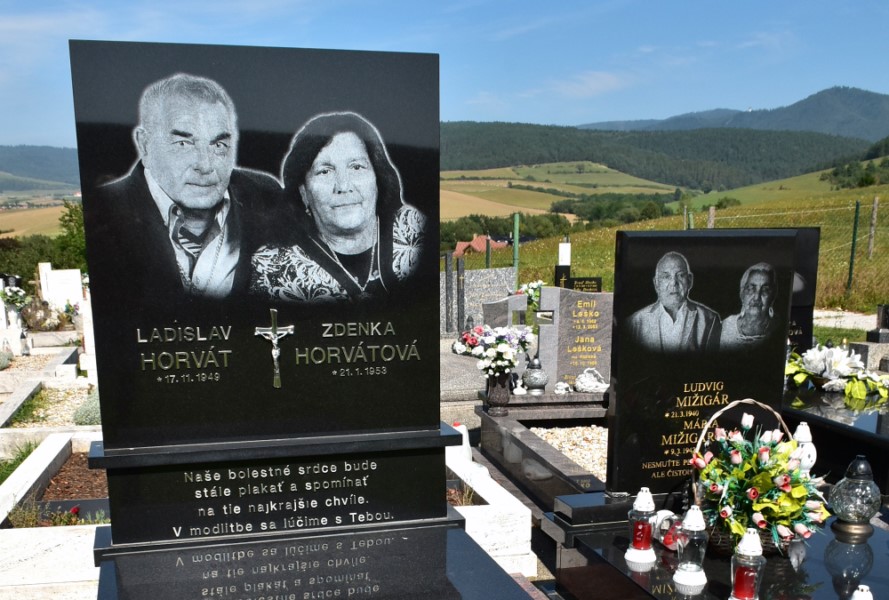
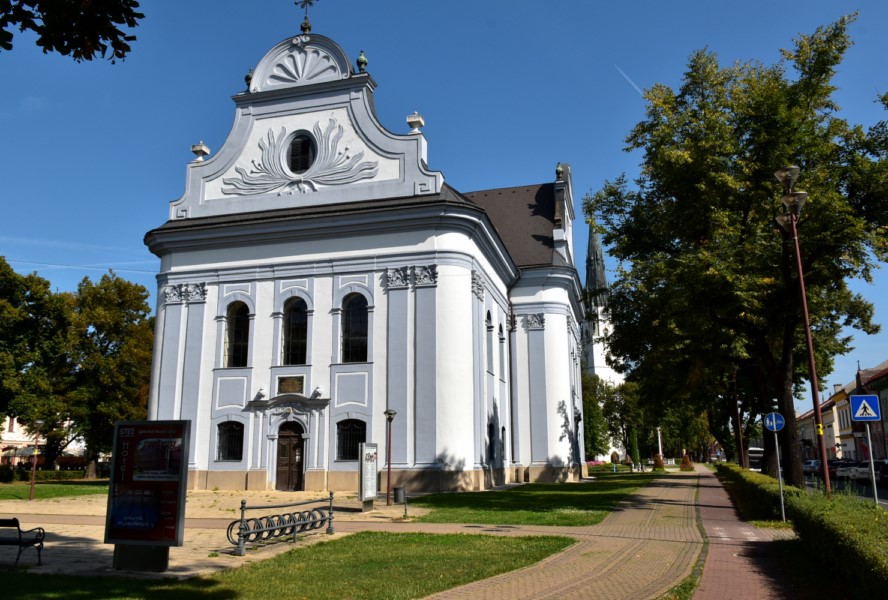
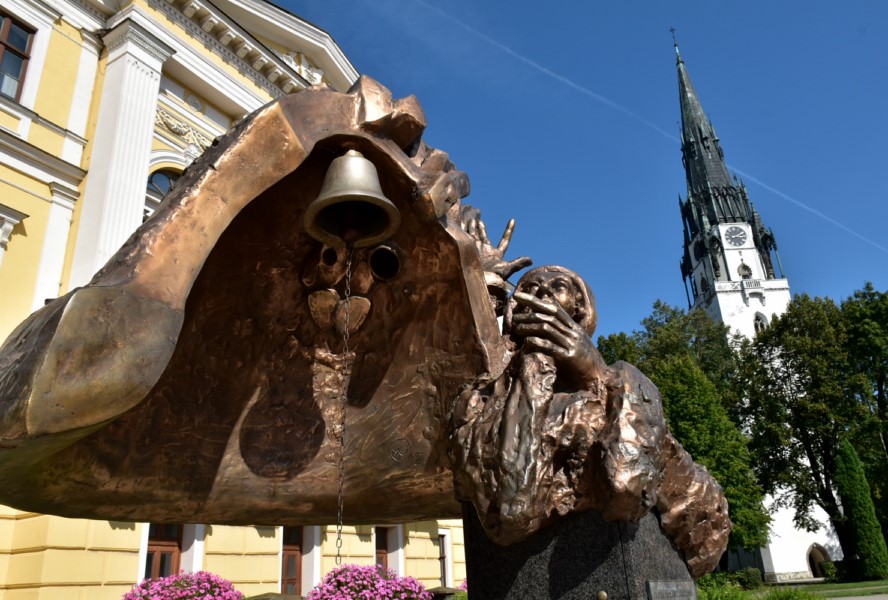
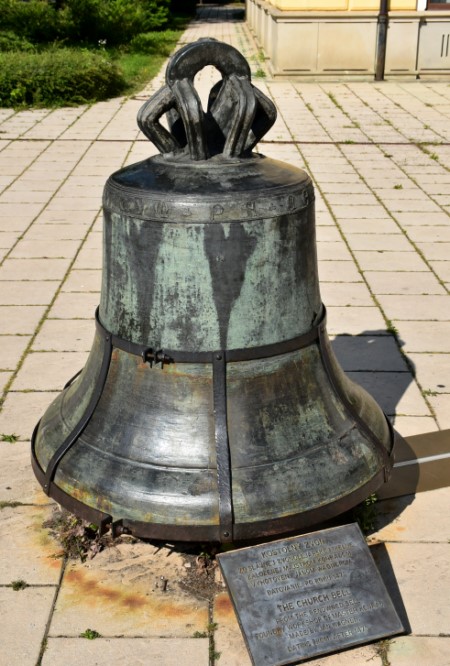
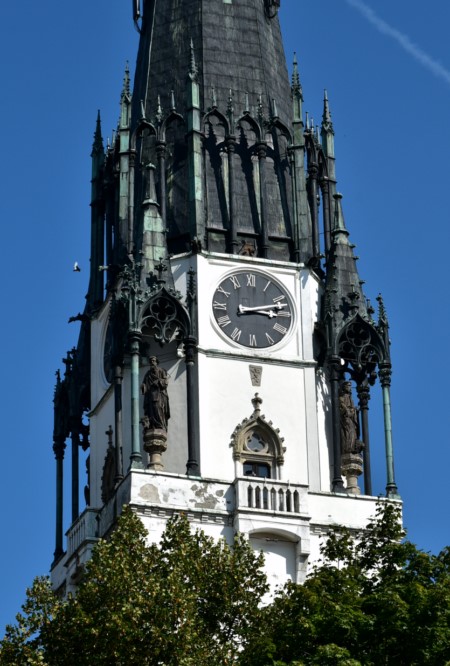
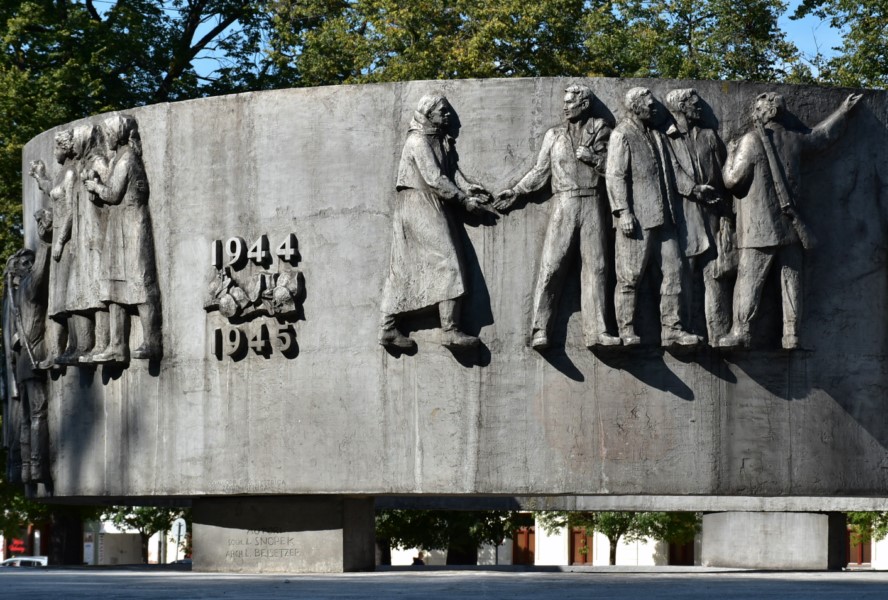
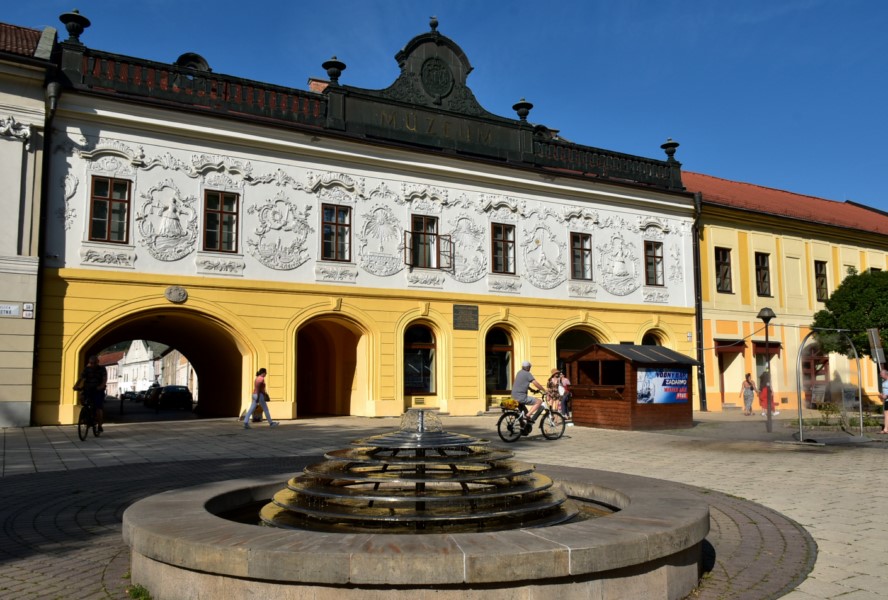
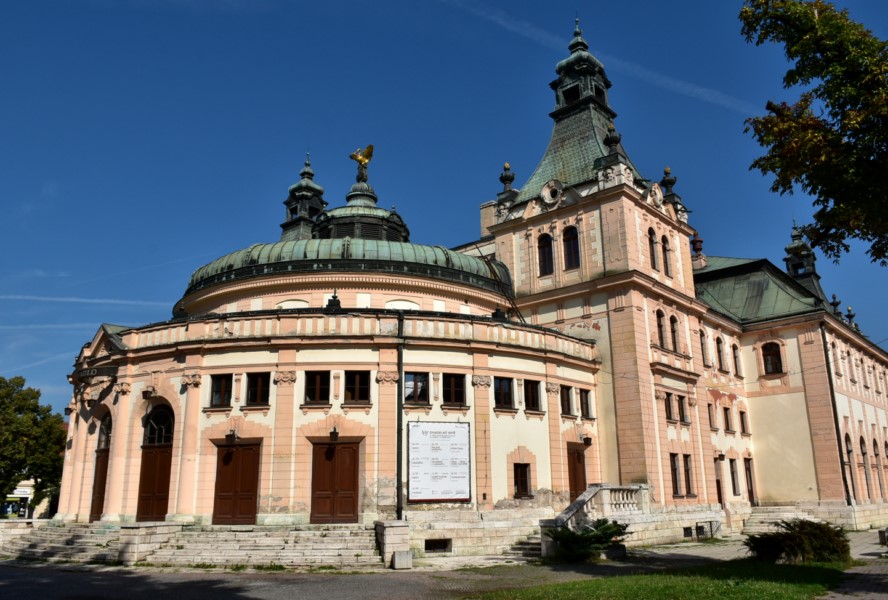
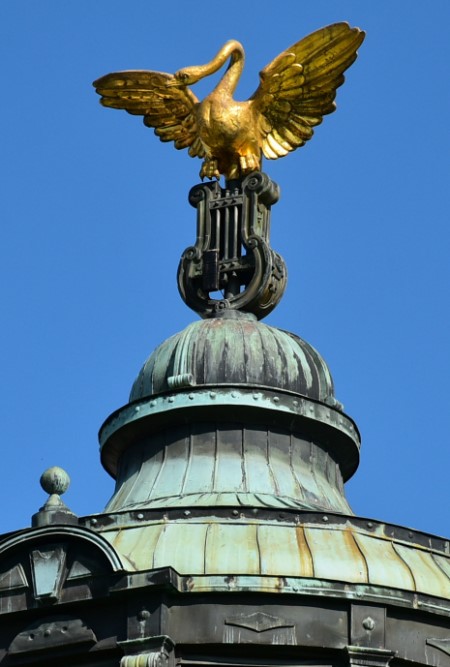
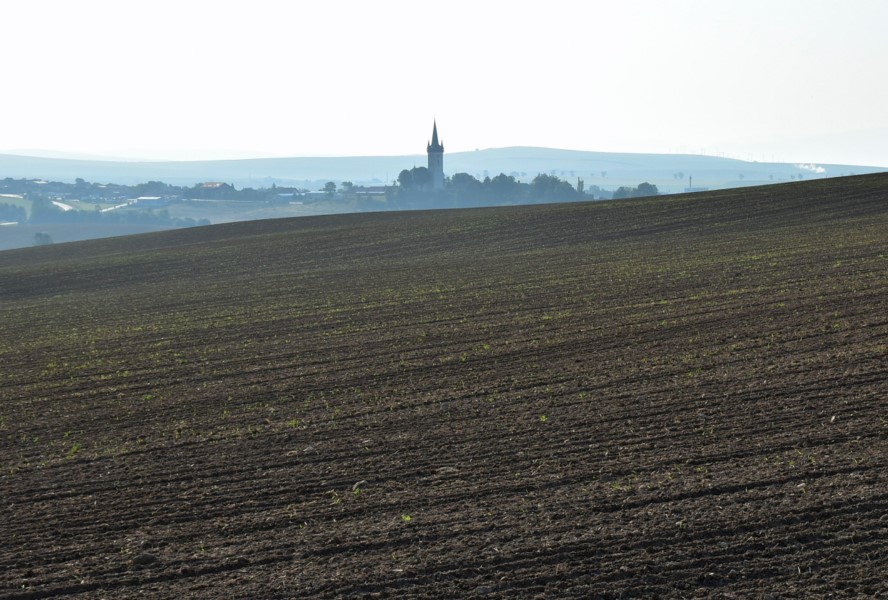
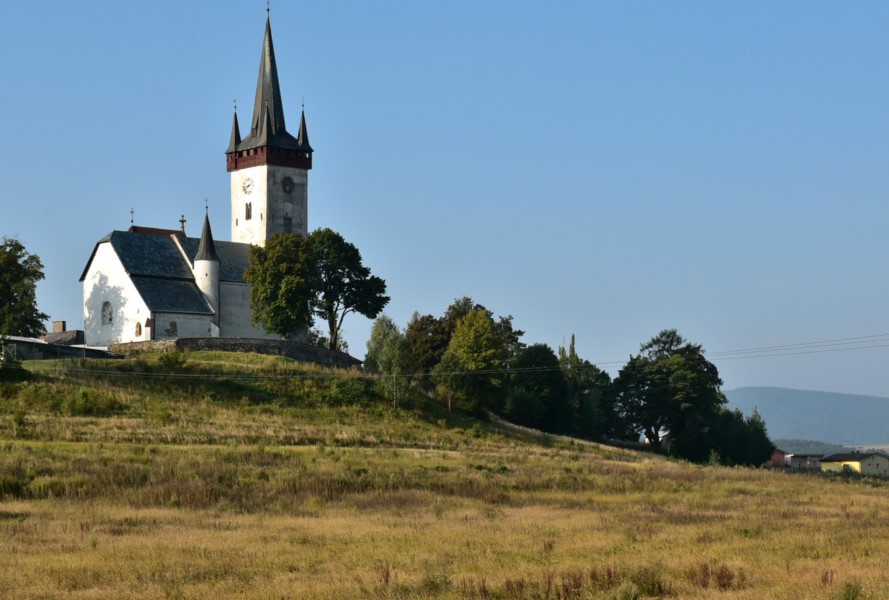
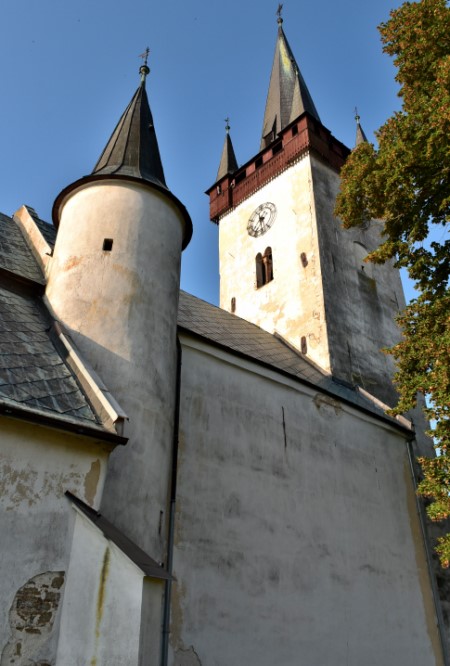
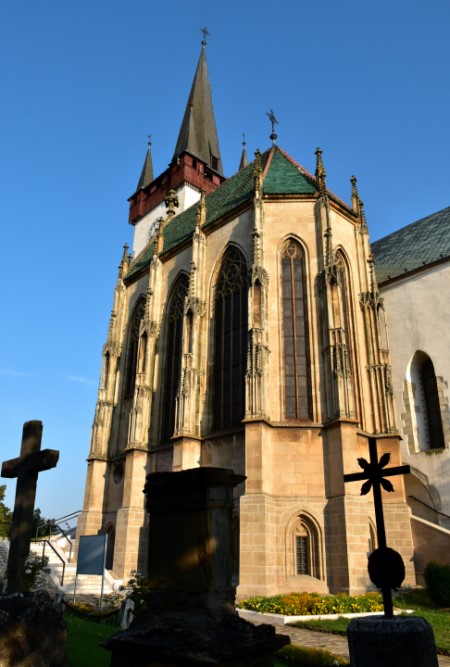
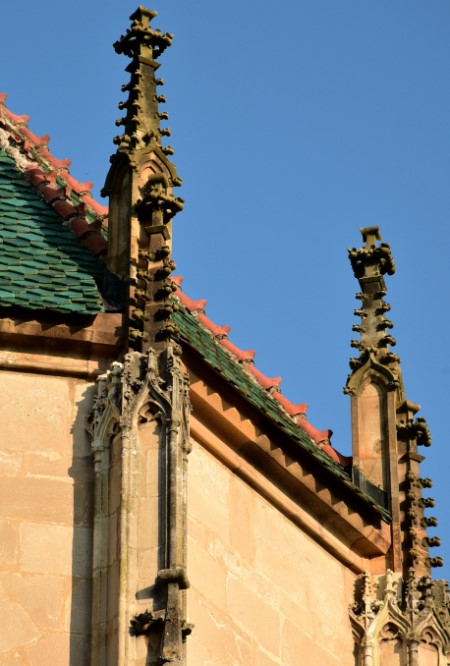
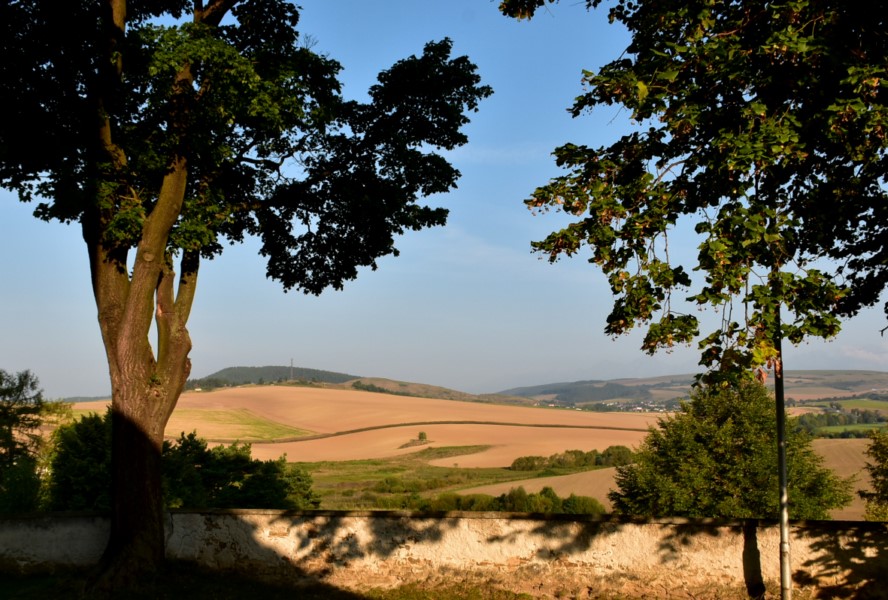
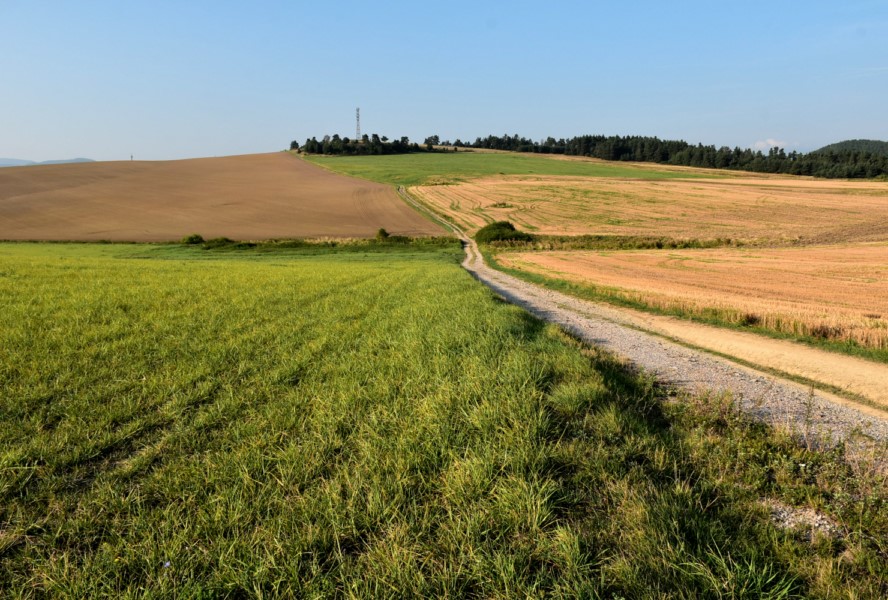
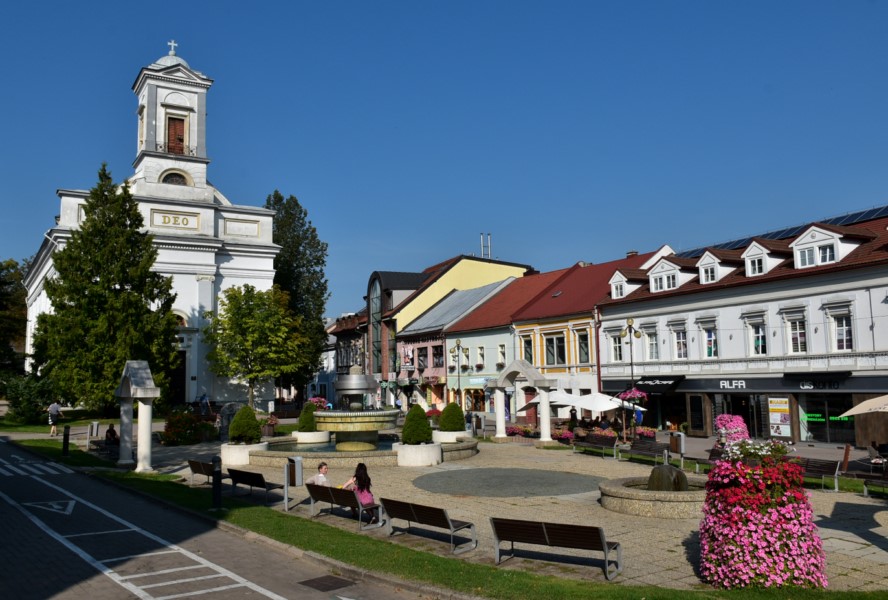
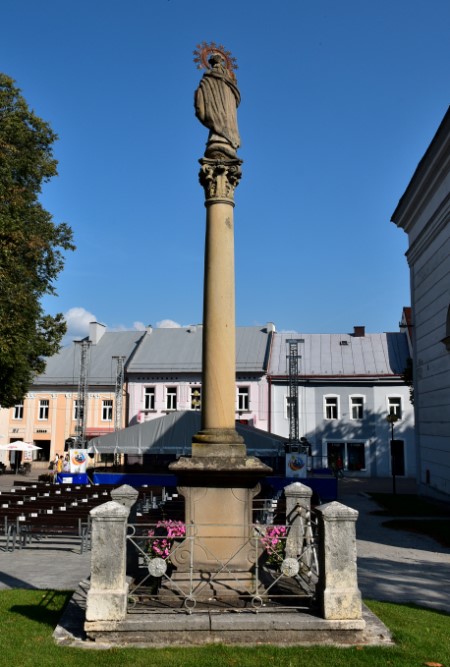
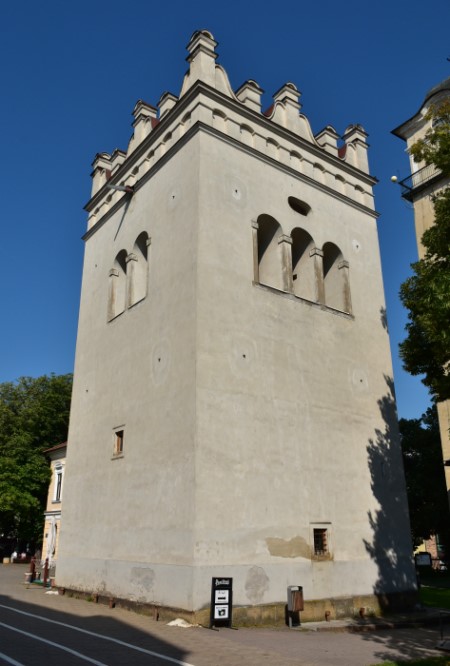
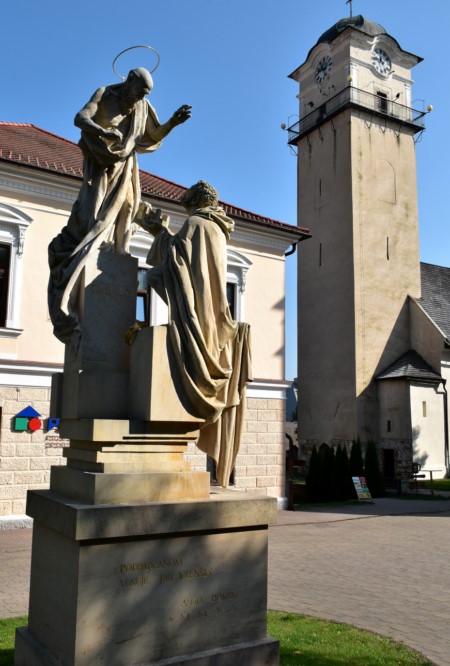
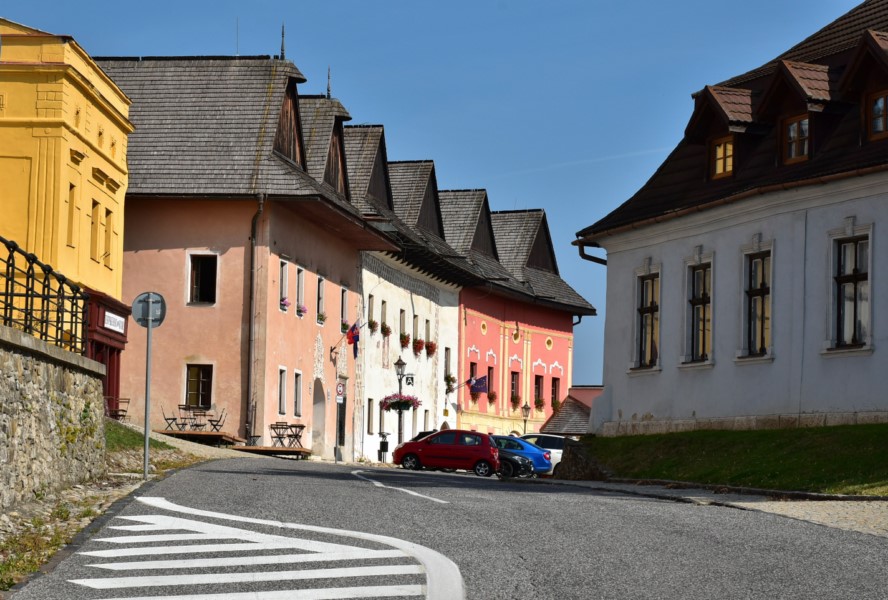
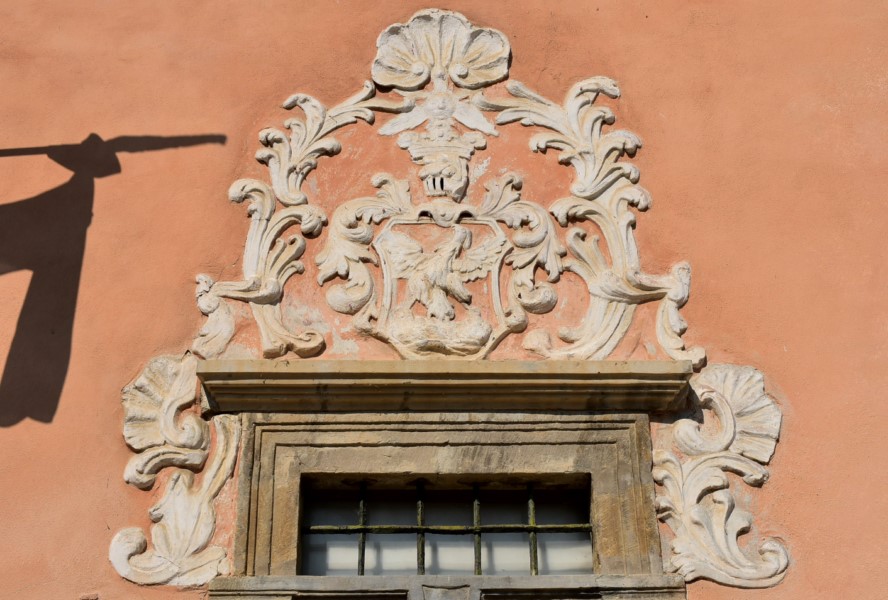
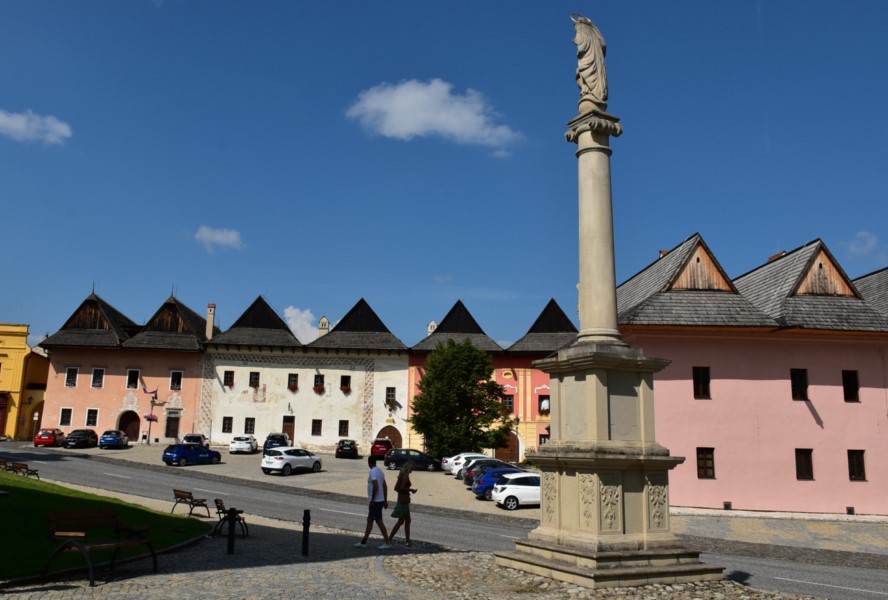
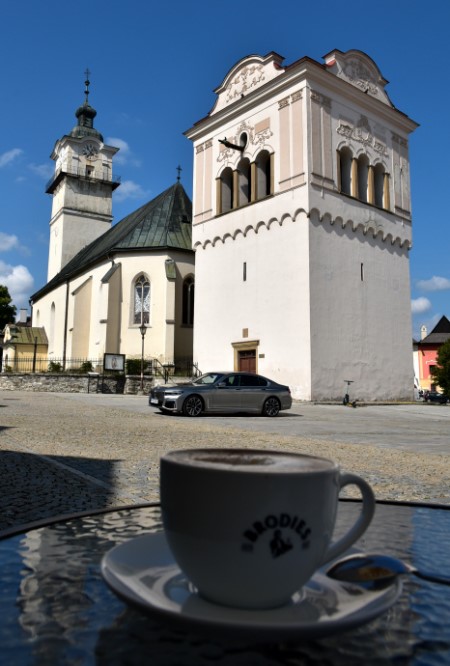
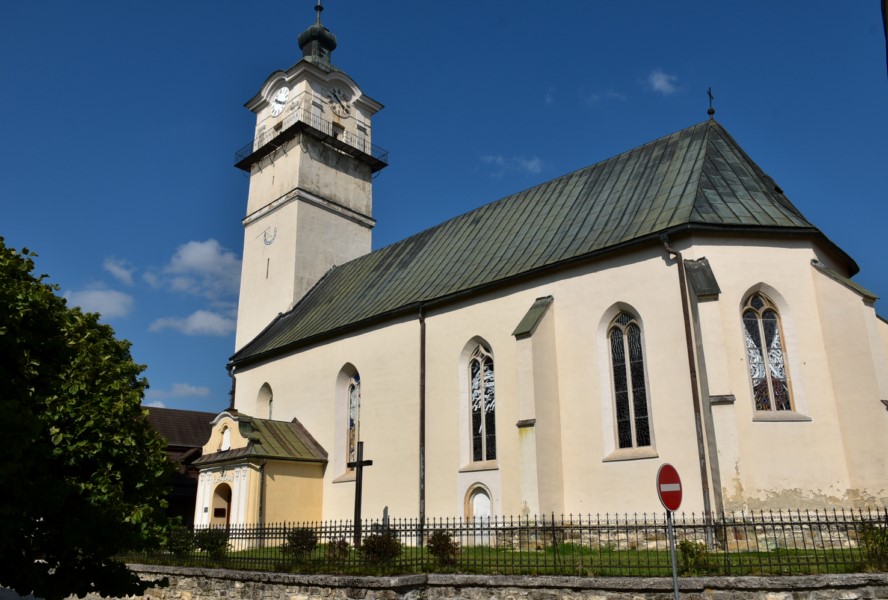
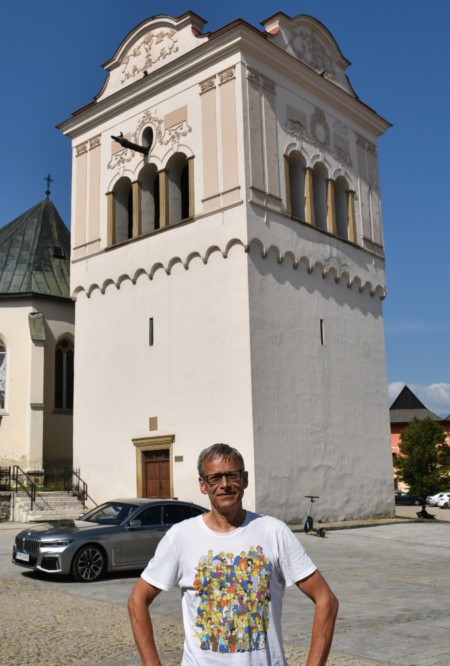
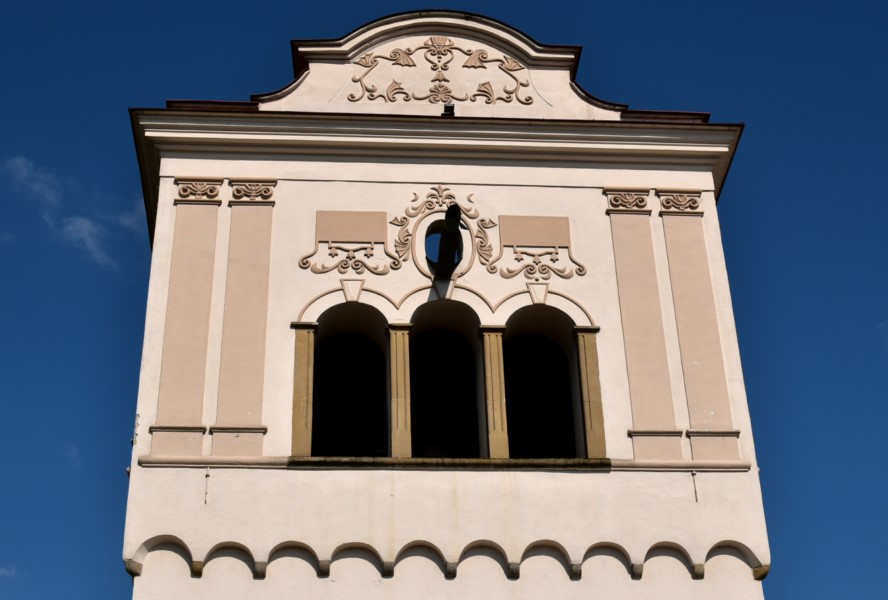
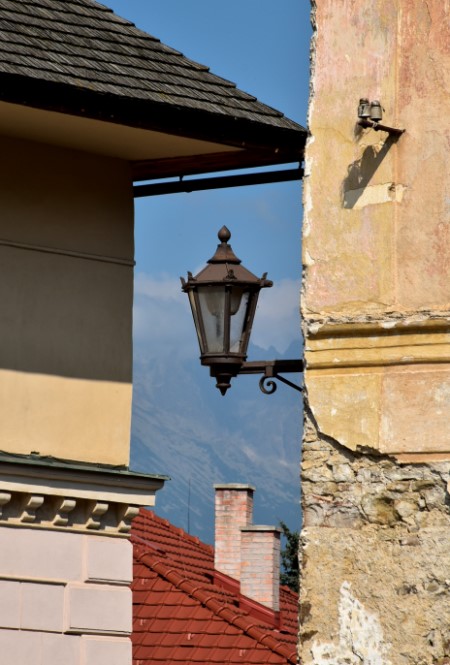
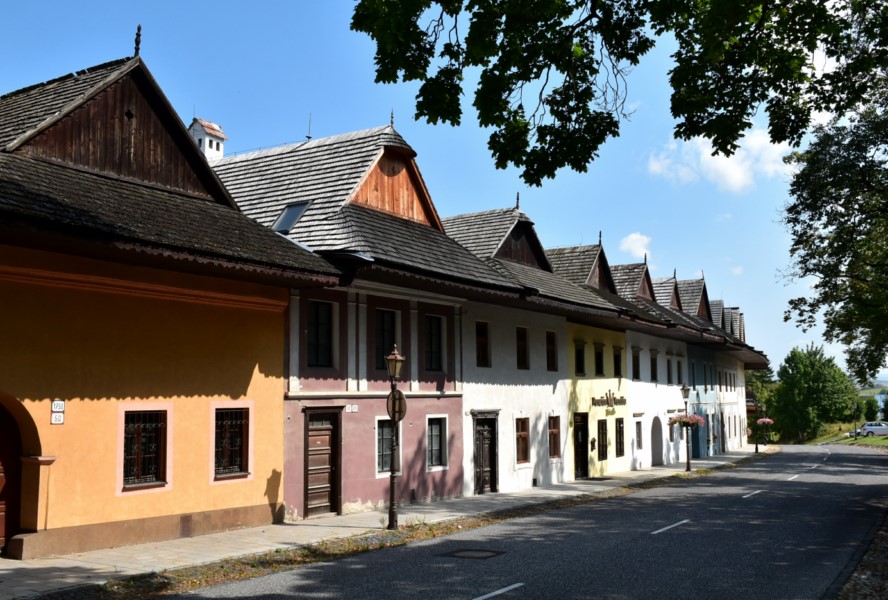
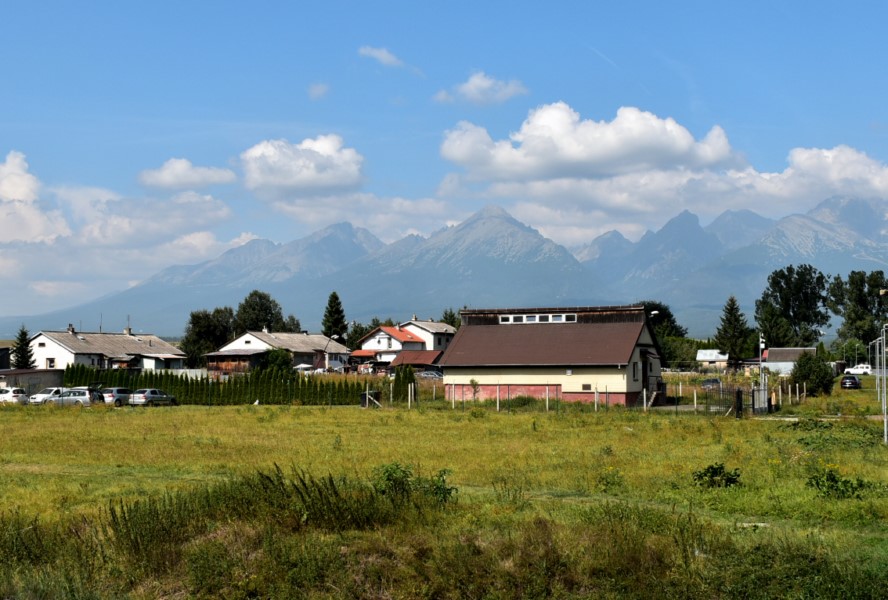
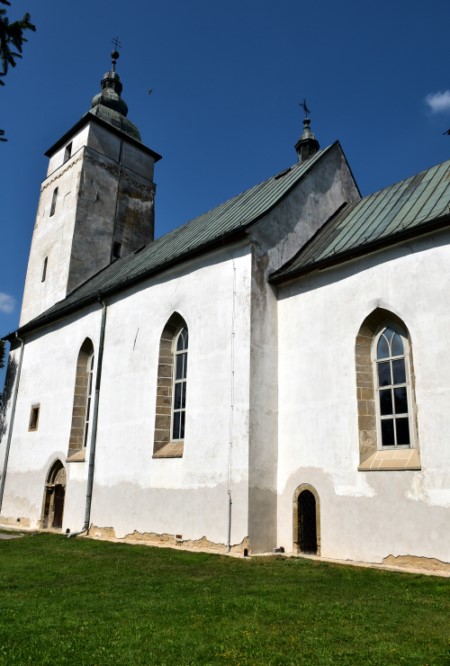
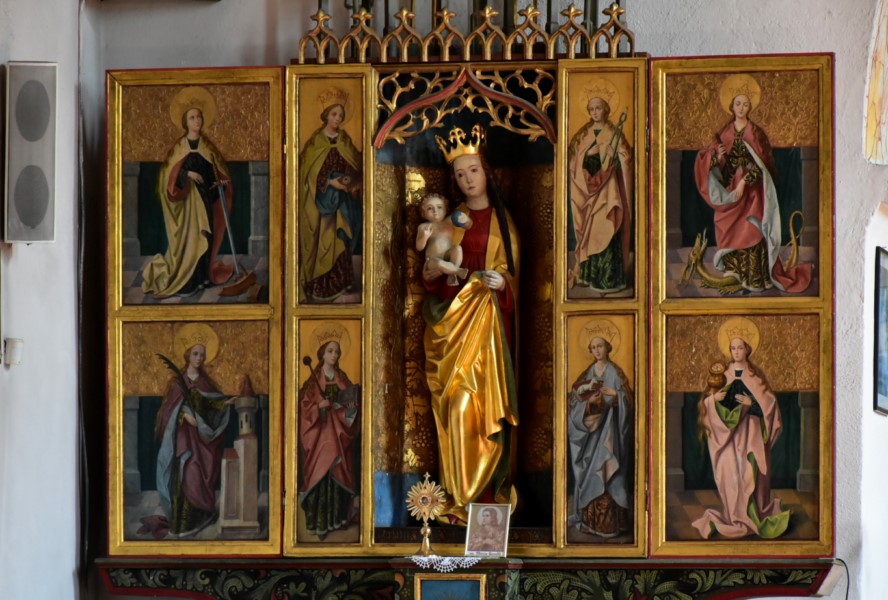
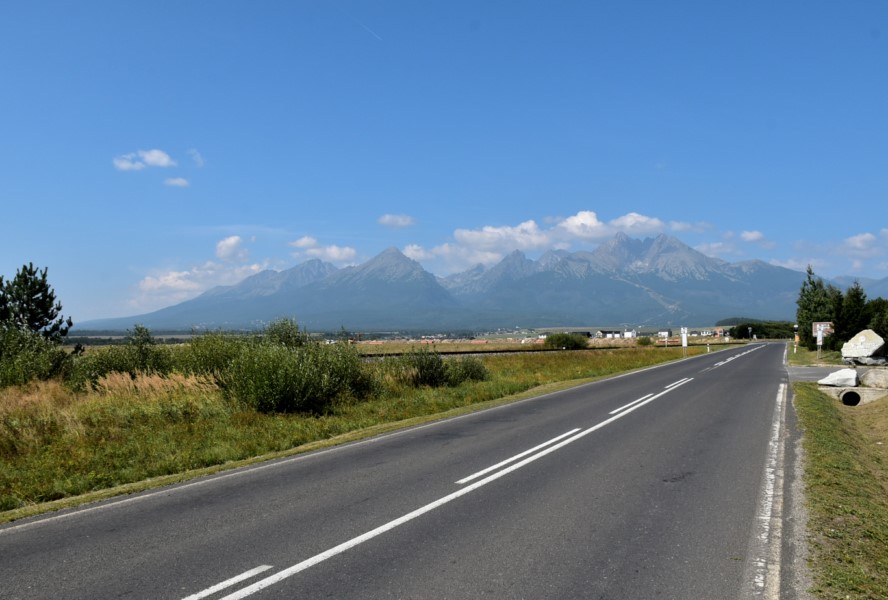
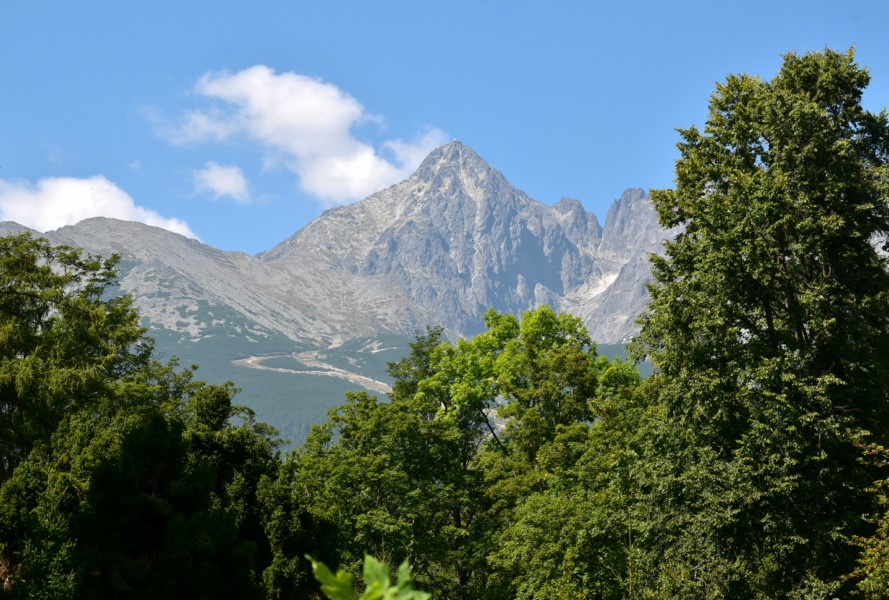
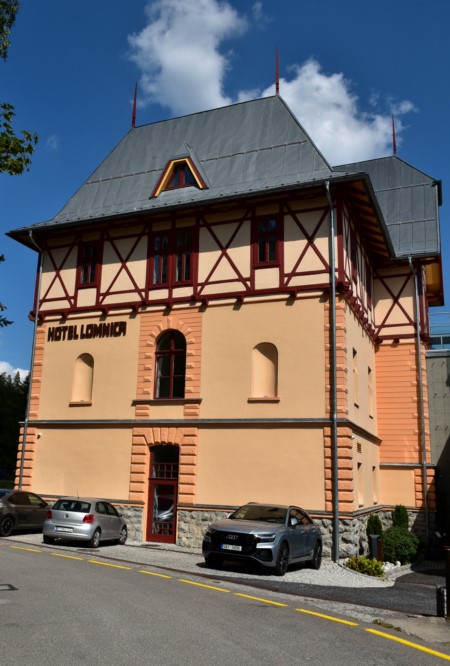
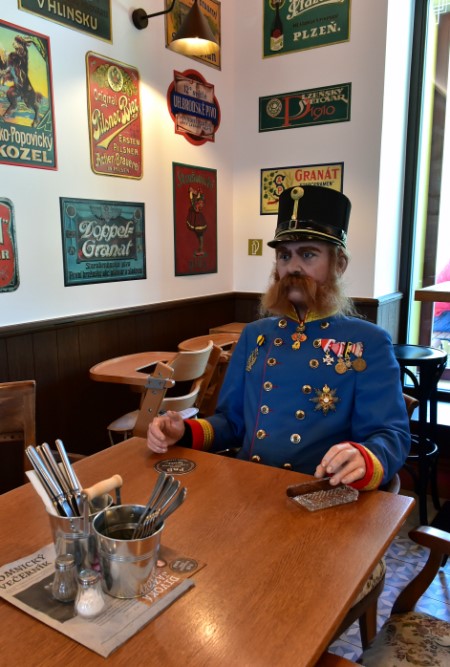
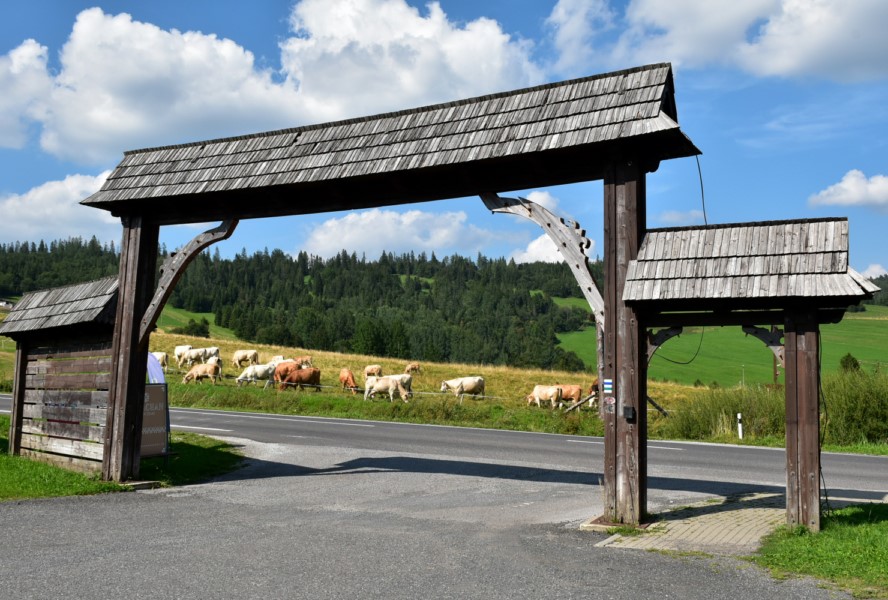
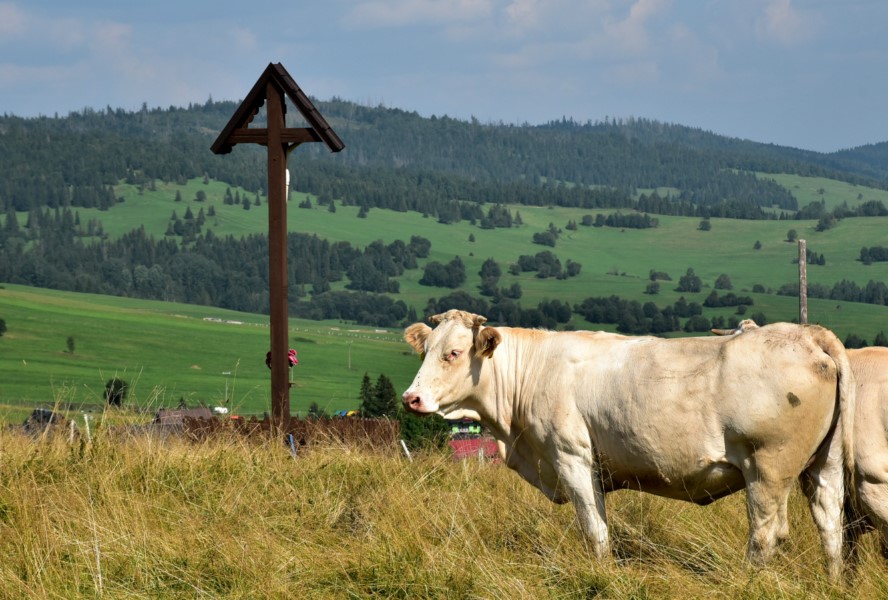
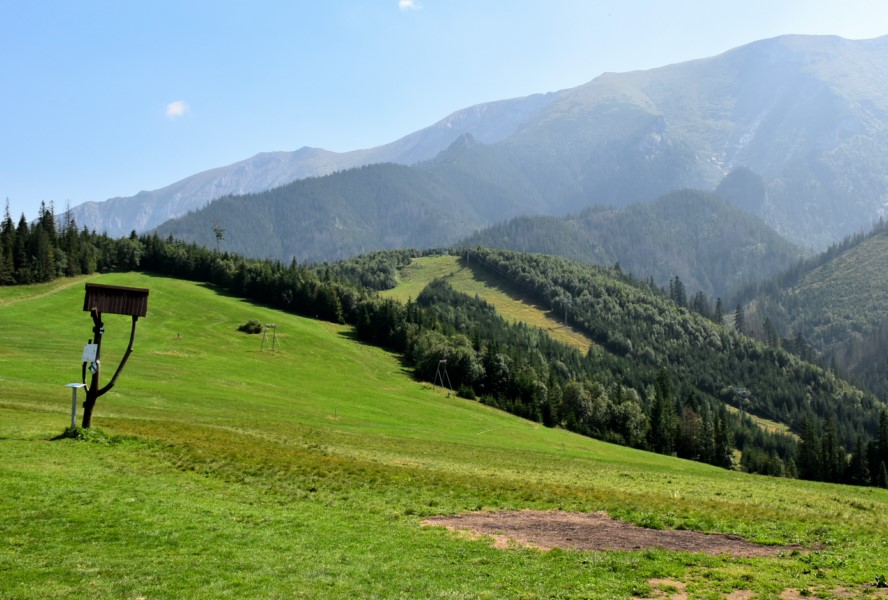
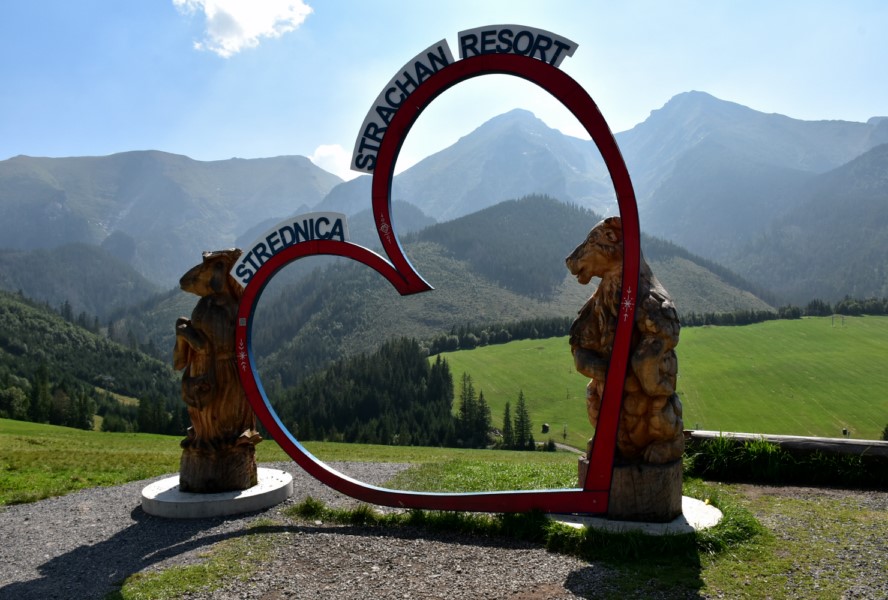
Sightseeing by car has the advantage that you can stop at any place you like, visit it and take souvenir photos. It was the same this time, because in Spiš there are many forgotten towns in which there are real gems of architecture and art. Unfortunately, small churches were most often locked up. Despite this, places like Zehra, Spišská Nova Ves, Spišský Štvrtok or Poprad will remain in my memory for a long time.

Our favorite photos