
OUR TRAVELS
Photos of sightseeing enthusiasts

A TRIP ROUTE

INTERESTING FACTS
Juraj Jánošík (Jerzy Janosik), born 1688 - died 1713, was a Tatra highwayman and Polish-Slovak national hero. He most likely participated in the anti-Habsburg uprising of Franz Rákóczi in 1703, then joined the Austrian army. While serving at Bytča Castle, he met Tomáš Uhorčík, imprisoned there, who was a harnas of the Carpathian highwaymen. In 1710, Jánošík helped him escape from prison, and then deserted, embarking on his own bandit activities. In 1711, Tomáš Uhorčík left the bandit, and Jánošík became the new harnas. Together with his group, he operated on the Hungarian-Polish border, and the victims of his raids were mainly merchants, but also parish priests, postal messengers, and other wealthy individuals. He plundered primarily for himself and his men, occasionally gifting girls from nearby villages with various stolen trinkets. He was supported by some local notables, with whom he shared the loot, in return for which they bailed him out of trouble. In the winter of 1713, Jánošík was captured in Uhorčík's house and imprisoned in Vranovo Castle, where his trial took place. The court sentenced him to death by hanging from a hook by the left rib (www.wikipedia.org)

IT IS WORTH KNOWING
The territory of today's Slovakia was included in the Kingdom of Hungary from the 11th century as the so-called Upper Hungary. As we know, relations with our southern neighbor, and thus also with Slovakia, were very friendly for many years, which was even reflected in the popular saying "Pole, Hungarian, two nephews". The situation changed during the existence of the Czechoslovak state, when Slovakia took part in the attack on Poland in 1939 as an ally of the Third Reich. On September 1, 1939, Prime Minister Father Josef Tiso ordered his troops to attack Poland without declaring war, which was motivated by the alleged threat to Slovakia by the Polish army. The Slovak army under the command of Ferdinand Čatloš attacked Poland with the force of three divisions in the directions of Podhale, Nowosądecki and Bieszczady. After the collapse of our country, Slovakia was awarded a dozen or so villages in Spisz and Orava. The Slovak army also took part in the German aggression against the Soviet Union in June 1941. When the Third Reich began to lose the war, a Slovak national uprising broke out in August 1944, but by the end of October it was suppressed by German troops.

Slovakia - Tatra and Ore Mountains
August 2003
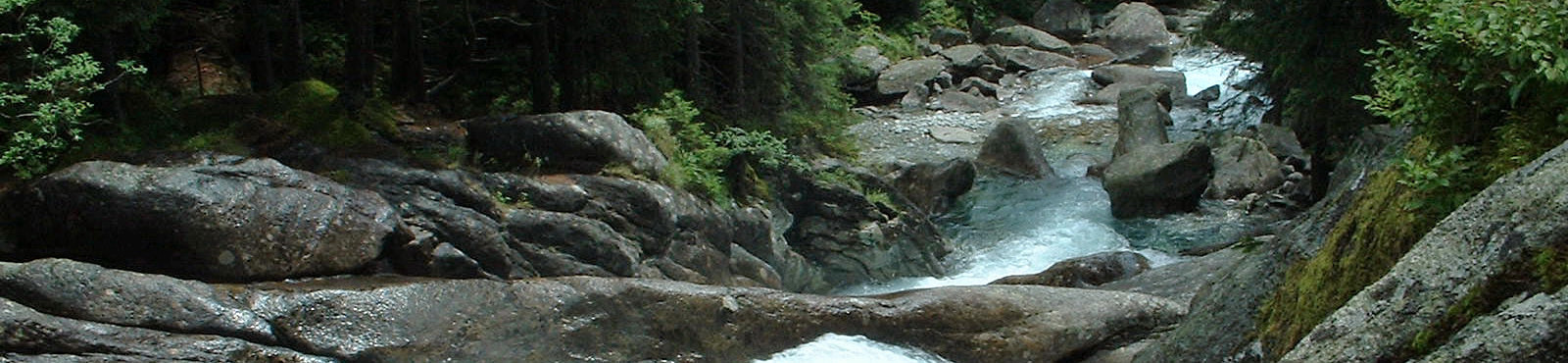
A few-day trip to Slovakia was our next joint holiday adventure after leaving for the Czech Republic. We chose to travel by car to be independent of public transport and not waste time unnecessarily.
Since during the previous trip we visited the monuments, this time we focused on the beauty of the nature of the High Tatras and the Slovak Ore Mountains. The choice turned out to be successful in all respects and these few days of active rest should certainly be considered successful. At the end of the trip, we also added a cherry to the cake, visiting the beautiful Dobszyńska Ice Cave. Only the weather was bad, but luckily it wasn't raining.Veľká Studená Valley


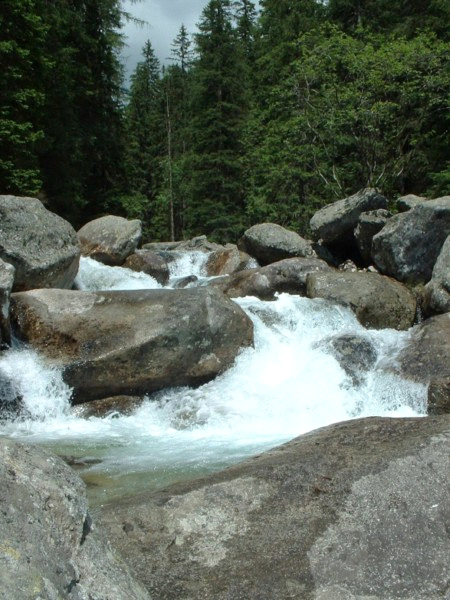


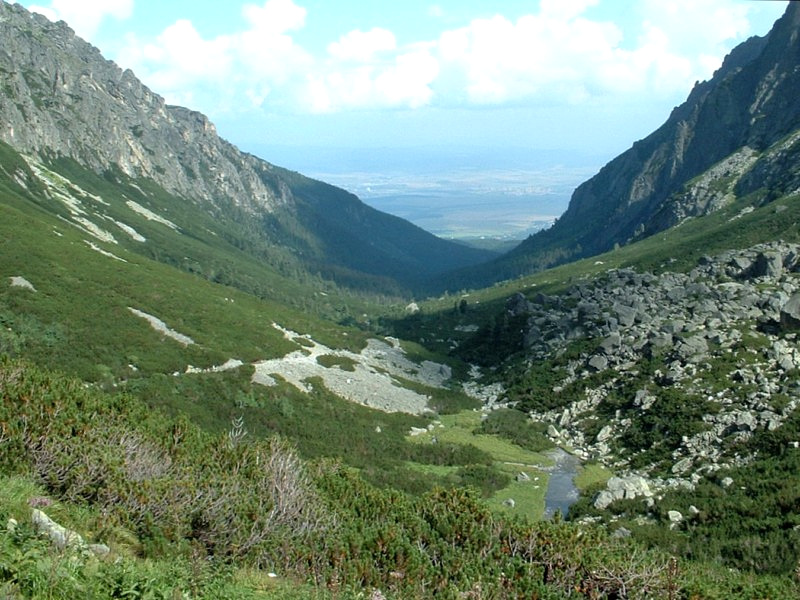

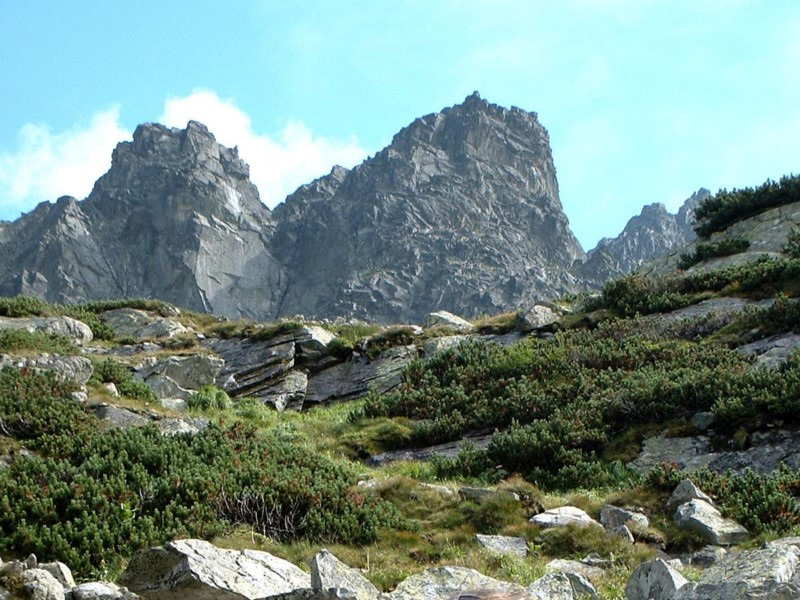


Veľká Studená Valley is one of the largest Tatra valleys in the Slovak High Tatras. The trail leading through the valley is quite long and tedious at times, but the hardship is fully rewarded with picturesque views. Due to time constraints, we finished our trip in the Robber's Cottage shelter. After taking some photos and replenished energy, we went back.
Slovak Paradise

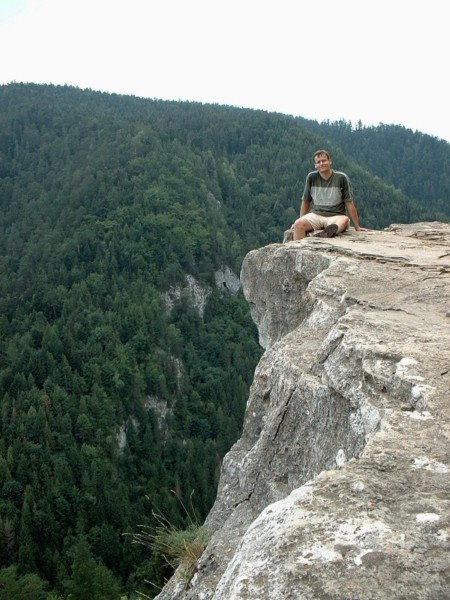


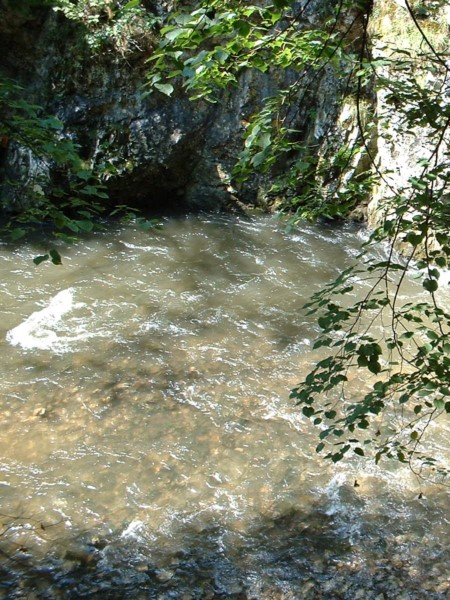


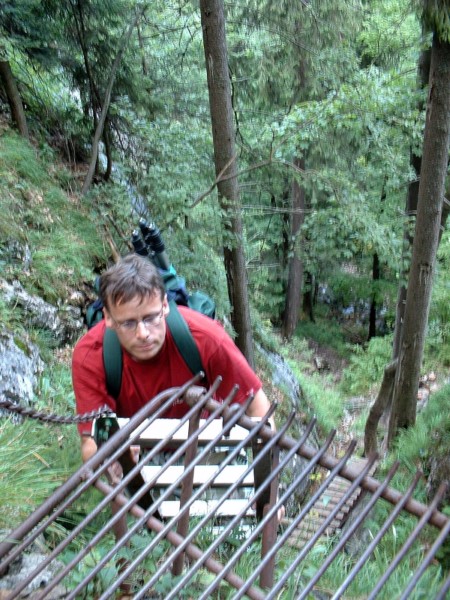


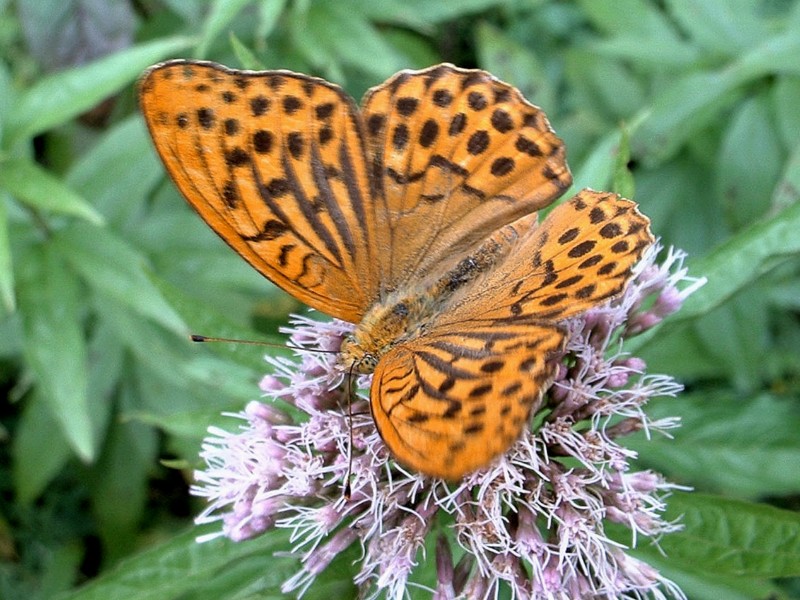


Slovak Paradise is considered to be one of the most picturesque places beyond our southern border and there is no exaggeration in it. Trekking along charming ravines with steep walls using metal platforms, chains and ladders provided us with a lot of adrenaline. However, the greatest impression on us was made by the rock gallery suspended at a height of 666 m, with the not very catchy name of Tomasovsky View.
Dobšiná Ice Cave


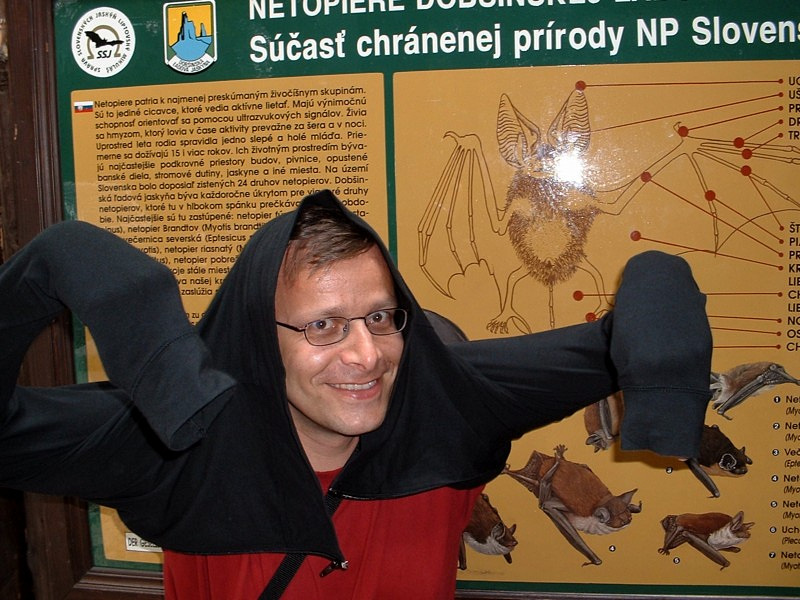


Dobšiná Ice Cave, due to its beauty and unique geological values, was entered on the Unesco World Heritage List. Ice has been preserved here for thousands of years thanks to the special shape of the interior, the level of which falls on the side of the entrance. The views inside the cave are amazing, although not reflected in the photos which, to put it mildly, turned out very poorly.

Your comments:
