
OUR TRAVELS
Photos of sightseeing enthusiasts

A TRIP ROUTE

INTERESTING FACTS
Józef Struś (1510–1568), born in Poznań, was a humanist, translator, and court physician to Sigismund the Old and Sigismund Augustus. From 1525–1529, he studied medicine at the Kraków Academy, obtaining a bachelor's degree. He continued his studies at the University of Padua, where he translated the works of Hippocrates and Galen and conducted groundbreaking research on the pulse. He was considered the most famous physician in Europe in his time. His popularity was so great that in 1540 he was invited to Constantinople to the court of Sultan Suleiman the Magnificent, who suffered from an illness that Ottoman physicians were unable to cope with. Struś successfully cured the ruler of the Sublime Porte of a serious illness, which led to an offer to remain in the Ottoman Empire, which the Pole declined. Struś also participated in Andrzej Górka's embassy to Istanbul in 1541, which was intended to resolve Austrian-Hungarian dynastic disputes. Unfortunately, the intervention of the Turkish sultan led to war in Hungary, resulting in the partition of the country between Turkey and Austria. Józef Struś died in Poznań during a plague epidemic while caring for the sick.
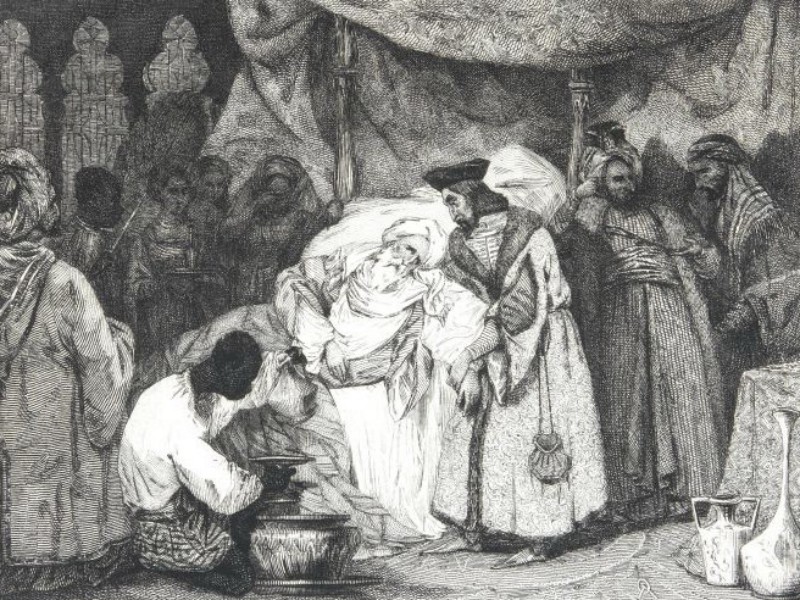
IT IS WORTH KNOWING
Stanisław Chlebowski (1835-1884), of the Poraj coat of arms, was a painter, traveler, and collector of oriental weapons and decorative arts. He studied drawing in Odessa and later at the Academy of Fine Arts in St. Petersburg and Paris. From 1864 to 1876, he lived in the Ottoman Empire and worked for the court, and from 1870, he served as court painter to Sultan Abdulaziz in Istanbul. The ruler's collaboration with the artist included numerous commissions for battle paintings depicting the victorious battles of the Turks against the Russians, Greeks, and Austrians. He painted, among others, the Battle of Varna, the Battle of Mohács, and the sultans Mehmed I, Murad IV, and Suleiman the Magnificent. His works can be admired in the Dolmabahçe Palace on the Bosphorus. However, working at the sultan's court proved disappointing for our compatriot. It involved painting from morning to night, under intense pressure, with the artist forced to make corrections to the paintings imposed directly by the Sultan himself. Ultimately, in 1876, Chlebowski resigned from his position as the Sultan's painter and left for Paris. He did not return to Poland until 1881, settling in Kraków, where he died in 1884 and was buried in the Rakowicki Cemetery. (source: www.wikipedia.org)

Turkey - Cappadocia
September 2008

This was our second vacation on the Turkish Riviera on the Mediterranean Sea. The reason for the trip was very prosaic, we wanted to relax, have a good time and see the amazing landscapes of Cappadocia, about which we have heard so much. All our plans were fully implemented.
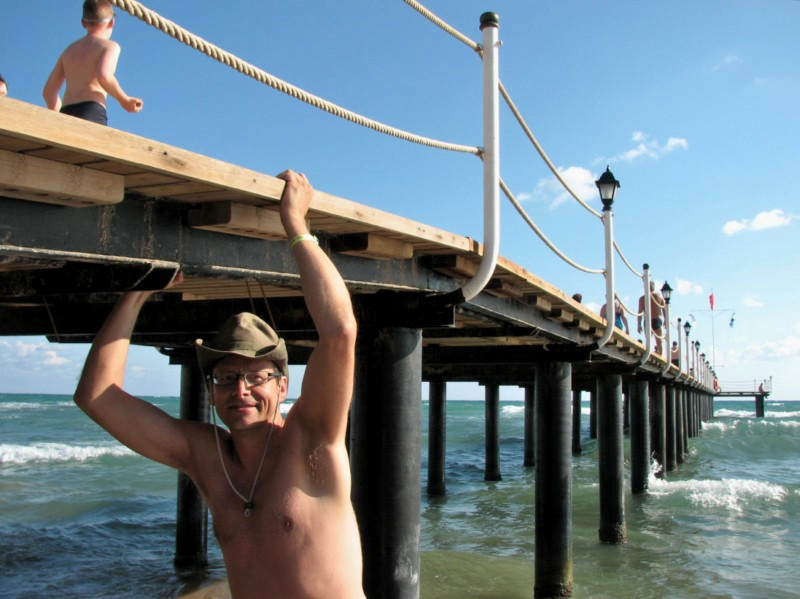
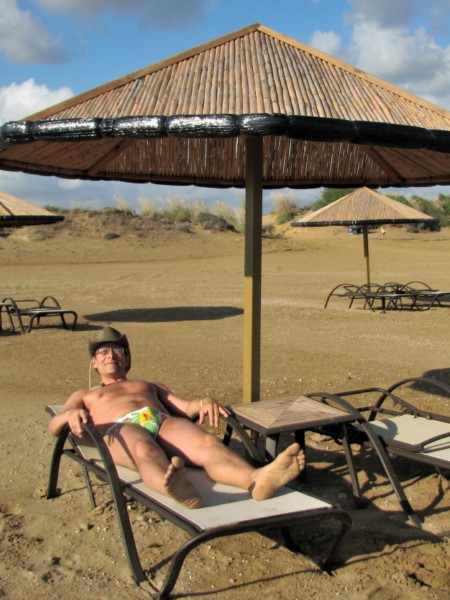
As usual, we used a travel agency and bought an all inclusive hotel in the picturesque seaside town of Colakli, near Side. The choice turned out to be a bull's eye, because there were no crowds of noisy tourists here, and the hotel offered a full range of attractions. We especially remember the exquisite dinners served at beautifully decorated tables around the hotel's swimming pools. In an atmosphere of sweet laziness, gluttony and drunkenness, the two-week stay passed like a whip.Side
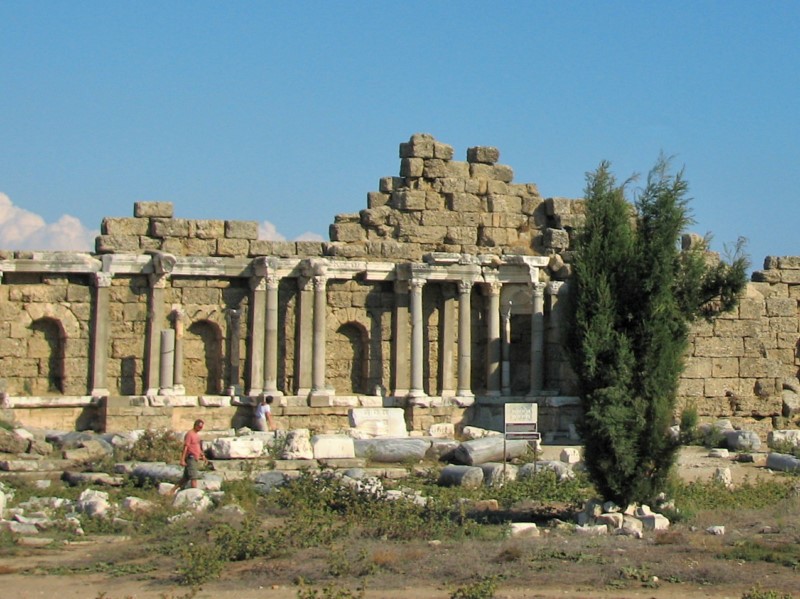




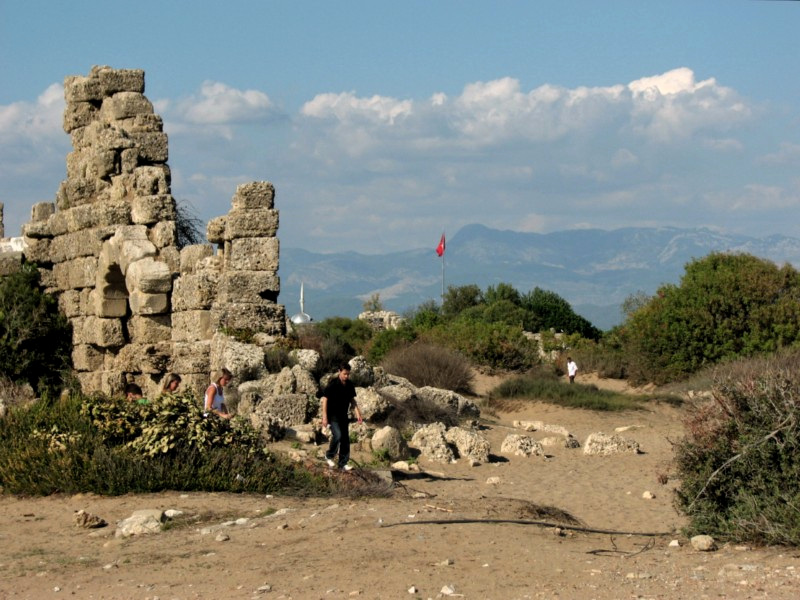
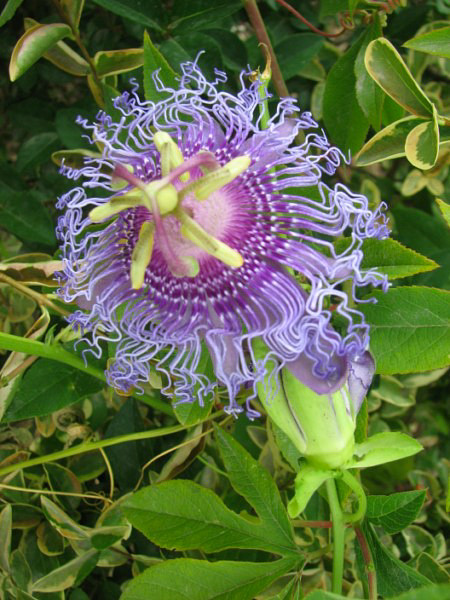
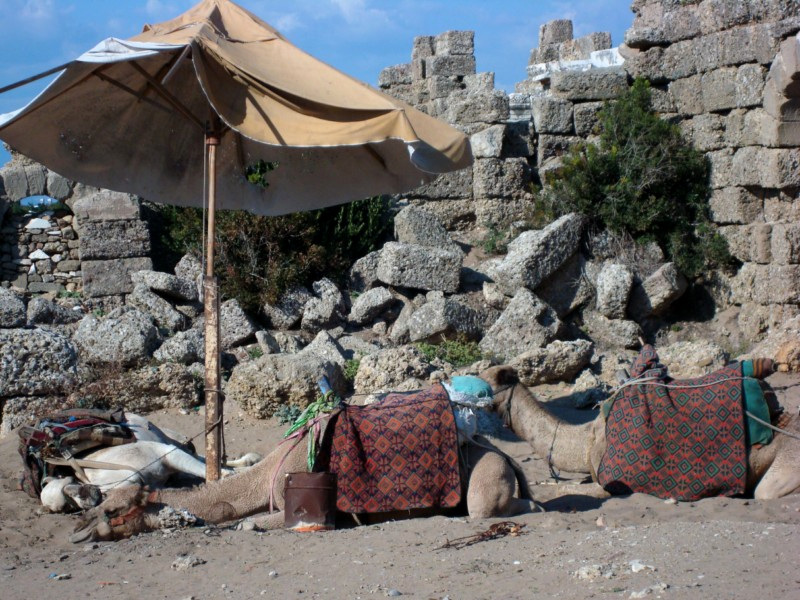




The lively Side is a great place for shopping, walking together and sightseeing, which we have used many times. For such a small town, there are surprisingly many interesting monuments from Greek, Roman and Byzantine times. We were most impressed by the marble columns of the Apollo temple reflecting against the blue sky and the picturesque view of the Antalya Bay.
Konya


Located on the road to Cappadocia, Konya is known primarily for the activities of the dancing dervish brotherhood. Strong ties to Islam and mysticism can be seen here at every turn. We didn't have the chance to see the famous ritual sema dance, but a visit to the impressive Mevlana museum gave us some idea of the daily and religious life of members of the Mewlewit Brotherhood.
Uchisar and its surroundings


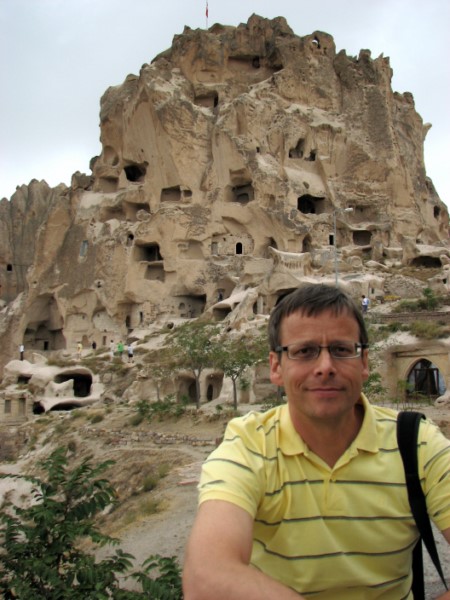


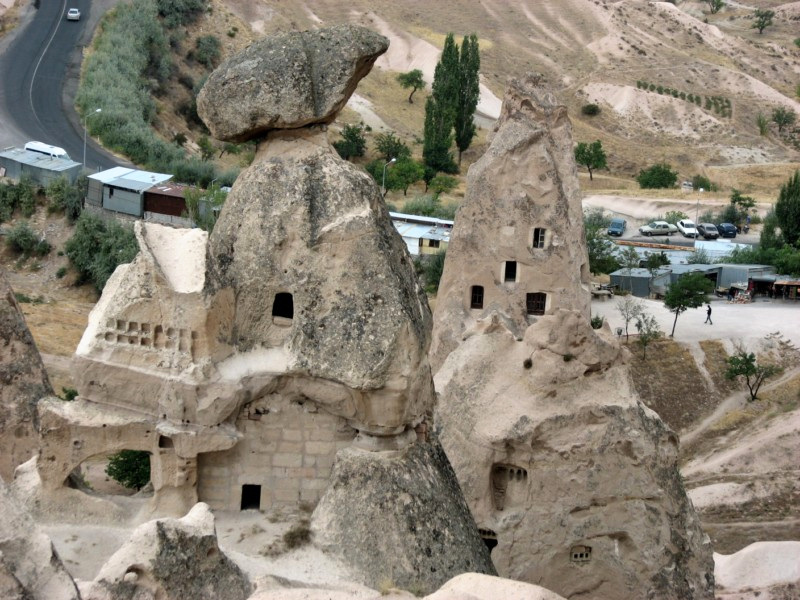

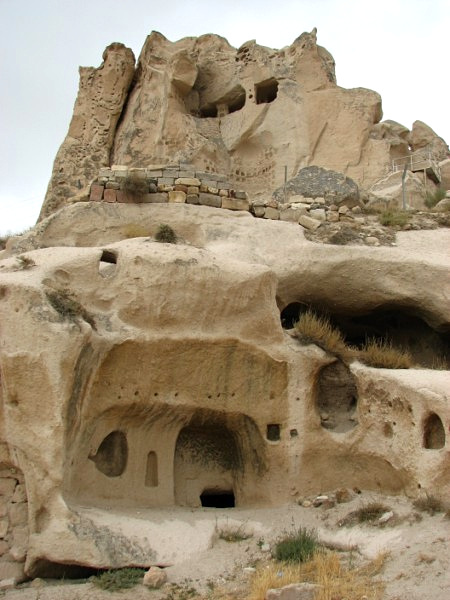


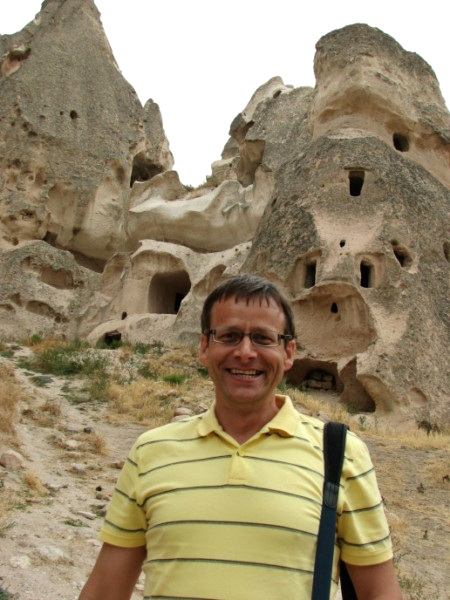


Visiting the city of Uchisar, we got a foretaste of what we were about to see in Goreme National Park. It turns out that not everything that the guides provide is true. Uchisar Castle is actually a huge rock, riddled with holes like Swiss cheese. Nevertheless, the view from this highest place in Cappadocia is impressive. The Pigeon Valley turned out to be equally attractive, although we did not even have time for a short trek.
Goreme National Park


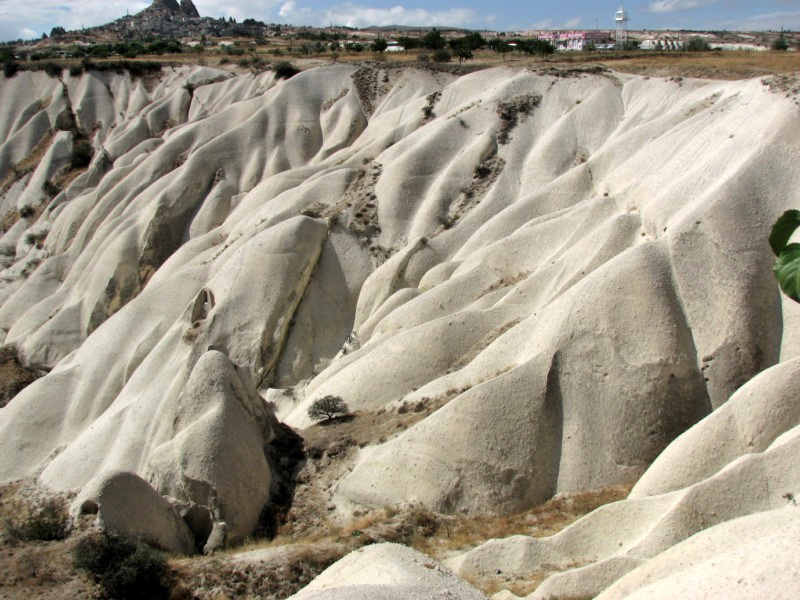


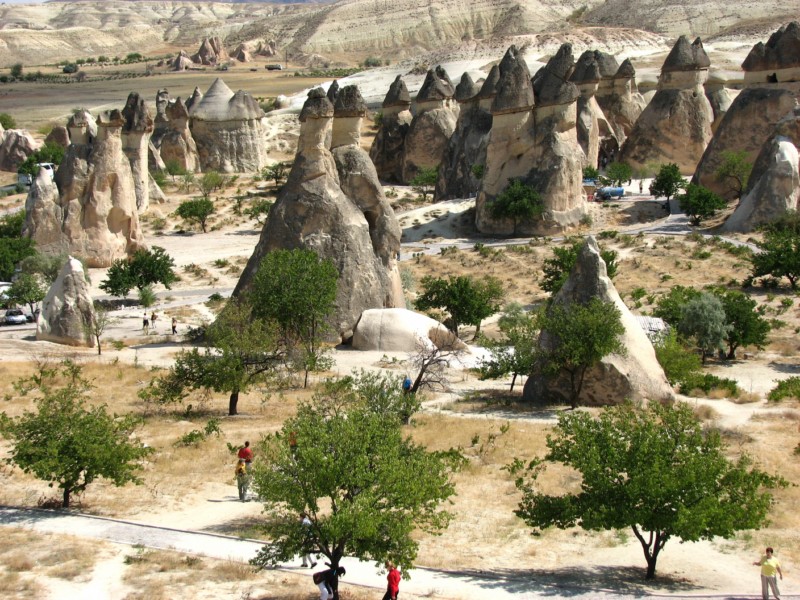


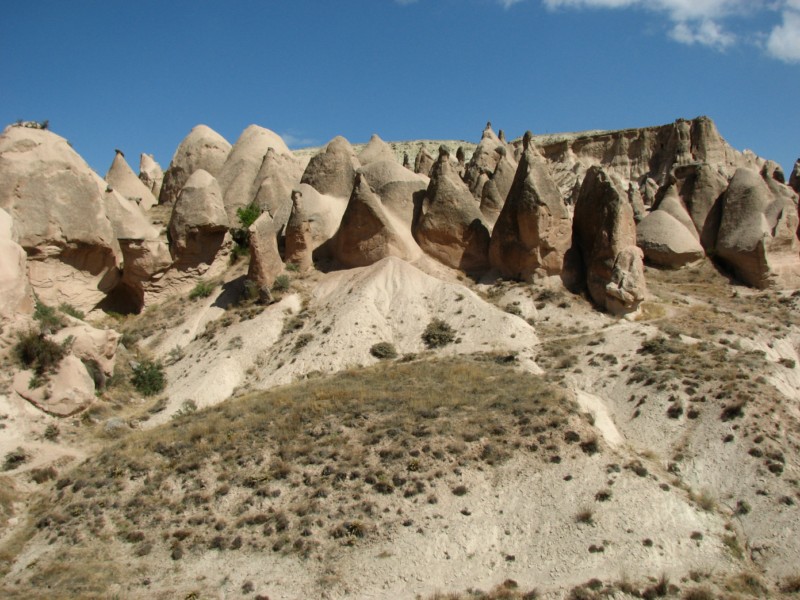


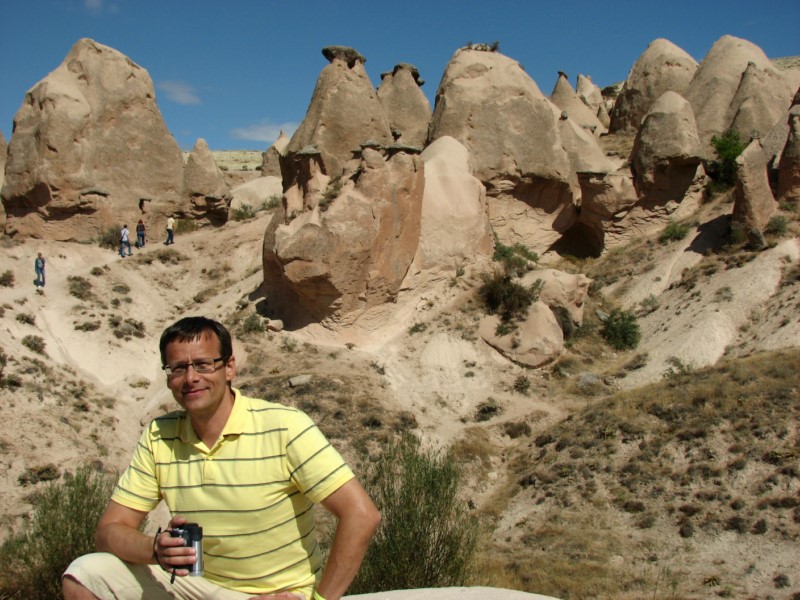


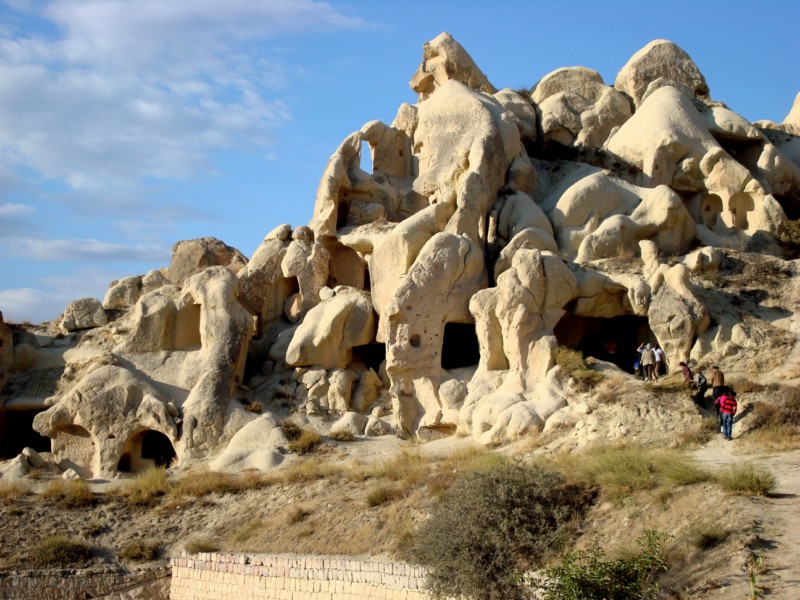


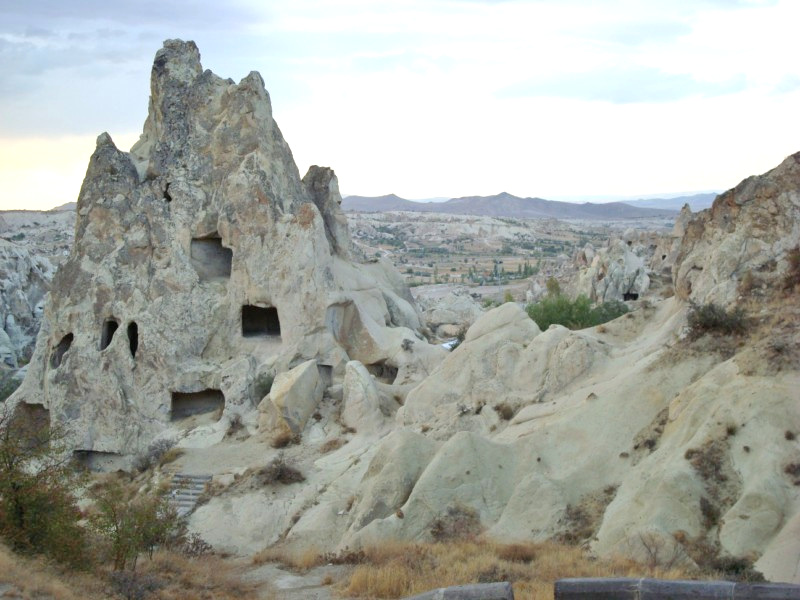

Goreme National Park, a Unesco World Heritage Site , was the main destination of our trip. Byzantine churches carved in tufa rock, beautiful frescoes and rock cones covered with caps made an amazing impression on us. We also planned to see these natural wonders from the air, but due to bad weather conditions, the balloon flights were canceled.

Your comments:
