OUR TRAVELS

Photos of sightseeing enthusiasts

A TRIP ROUTE
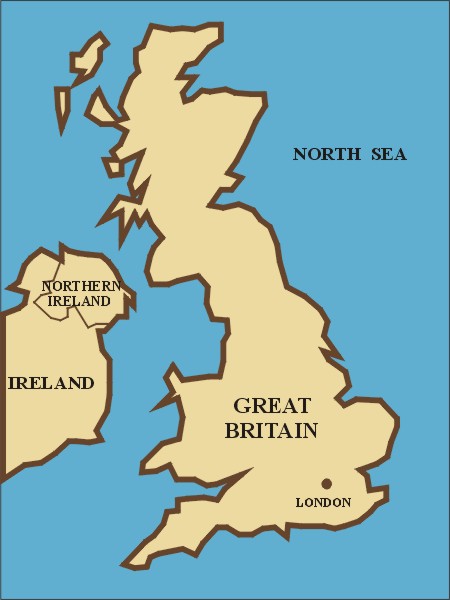
Wielka Brytania - trasa wycieczki


INTERESTING STORIES

London became the centre of Polish political life abroad after the capitulation of France in 1940. The authorities in exile headed the Polish Underground State, operating in the territory of the country occupied by Germany and the Soviet Union. Through the Government Delegation for Poland, an administrative apparatus adapted to the conditions of war and occupation was maintained. The Polish Government in Exile pursued an independent diplomatic policy with Western allies, but everything changed after the German attack on the Soviet Union in 1941. The need to establish agreements with Stalin, as an ally in the fight against Germany, meant a bitter compromise. After the end of the war, the Polish authorities decided to maintain state structures in London. In the years 1940-1990, the Polish state was represented by 16 prime ministers and 6 presidents. The authorities of the Second Polish Republic in exile ceased their activity after Lech Wałęsa was sworn in as president of the Third Polish Republic. During a ceremony at the Royal Castle in Warsaw on 24 December 1990, President Ryszard Kaczorowski handed over the presidential insignia to Lech Wałęsa.

Rząd Stanisława Mikołajczyka (1944 r.)


IT IS WORTH KNOWING

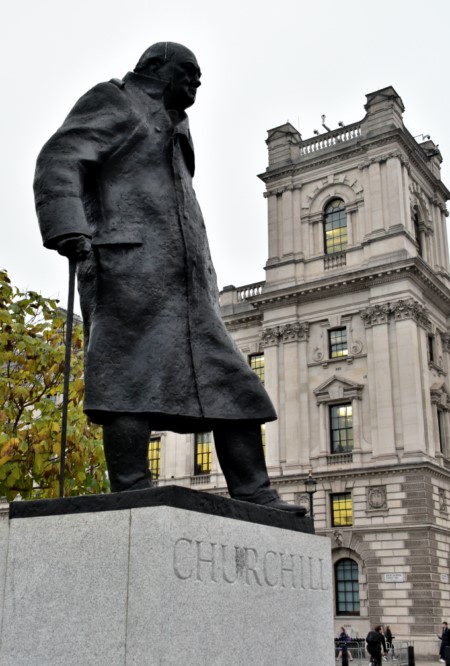
In July 1940, a several-month long clash between the air forces of Germany and Great Britain began, referred to by historians as the Battle of Britain. On the British side, 144 Polish pilots took part, fighting in Polish fighter and bomber squadrons as well as in British units. Between July and October 1940, the Poles shot down 170 German aircraft and seriously damaged 36. During the fighting, 29 Polish pilots were killed. The most famous was the 303 Tadeusz Kościuszko Warsaw Fighter Squadron, which was one of the best Allied squadrons. This is why Prime Minister Winston Churchill said the famous words about the Poles "Never in the field of human conflict was so much owed by so many to so few". Regardless of the actions of the Polish fighter pilots, combat flights were also carried out by the crews of two bomber squadrons 300 and 301. These pilots flew bombing missions against ports on the English Channel coast, including Boulogne and Calais, where the Germans were preparing their invasion fleet.

Piloci Dywizjonu 303 (www.wikipedia.org)


Great Britain - London

November 2024

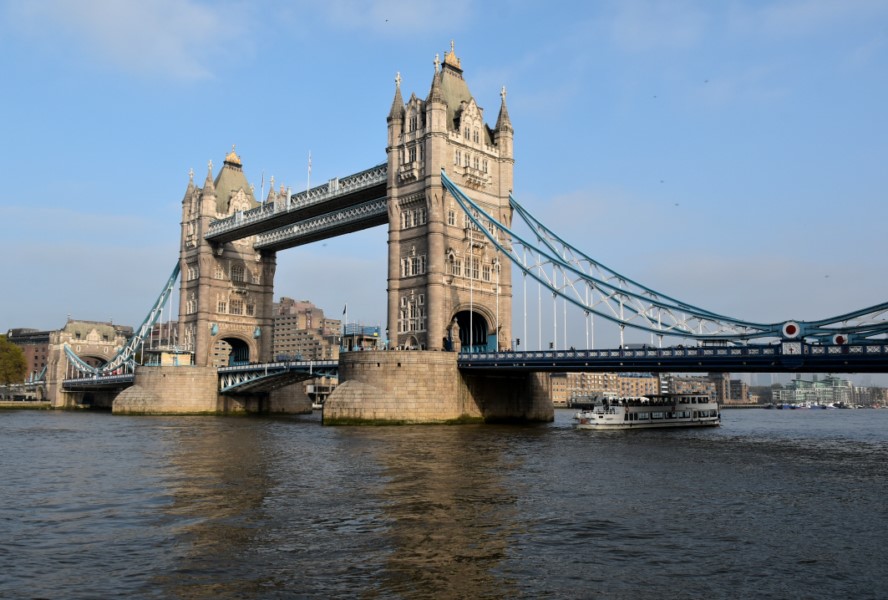
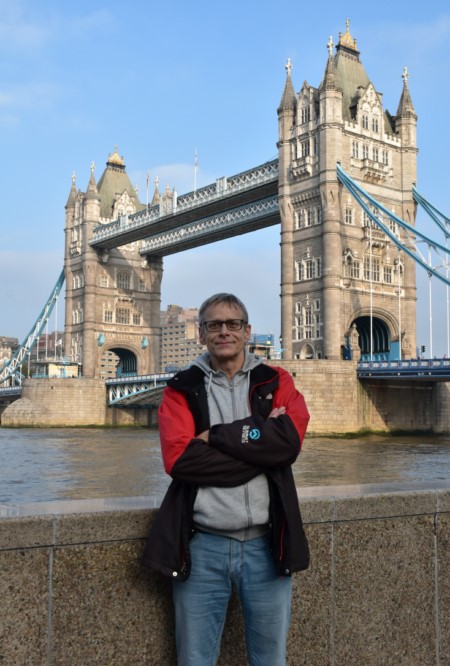
Londyn, Tower Bridge

Since I had a few free days, I decided to see what London looks like in November. It was a typical city break. I didn't expect much from the weather and I admit that I wasn't disappointed. I focused more on visiting museums than walking around the city and that was the right decision.

My destination airport was Stansted. I admit that I was a little worried about the transfer to the metropolis, but it turned out that I had no need. The bus connection in both directions was comfortable and on schedule. As usual, I stayed in a hostel, where the interactions between guests are very close, thanks to which you can meet fascinating people. It was the same this time, and the person I befriended was a girl from Brazil. The charming Fernanda had come to explore Europe, and London was the first stop on her travel schedule.


City


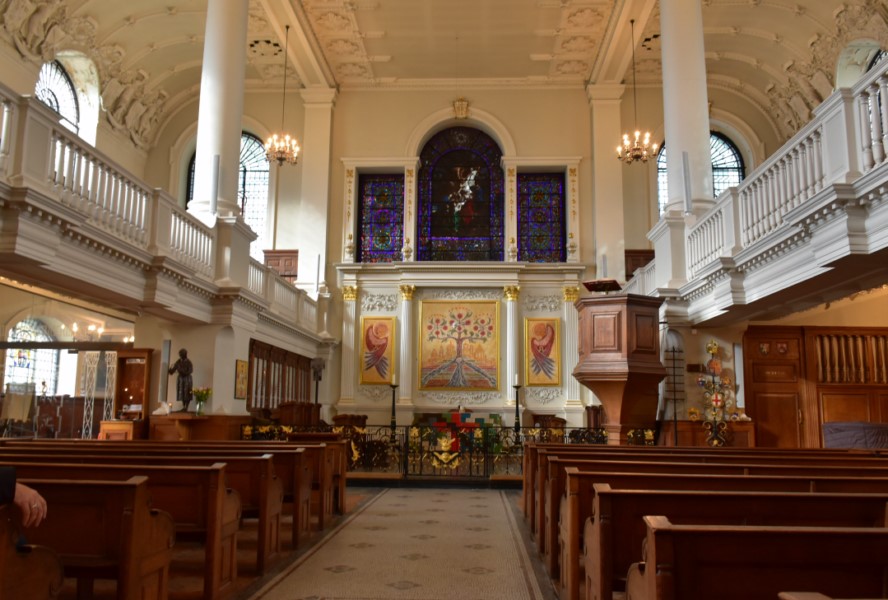
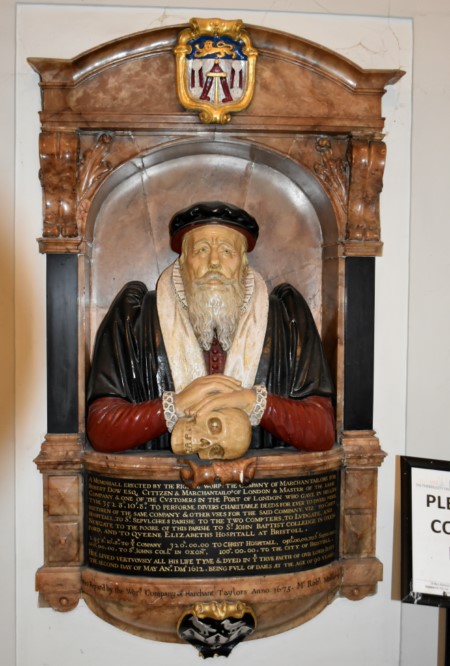
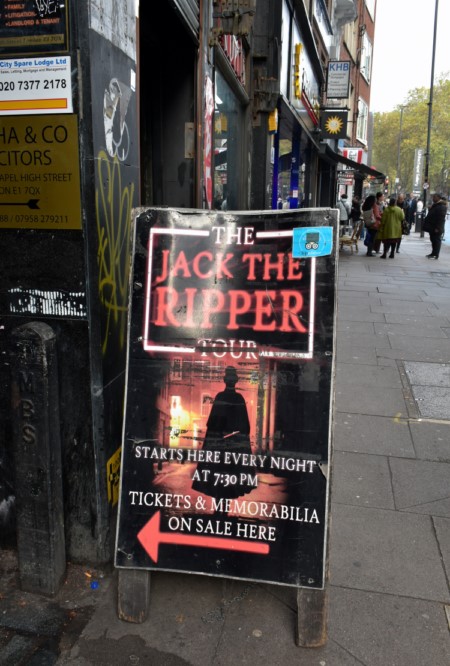
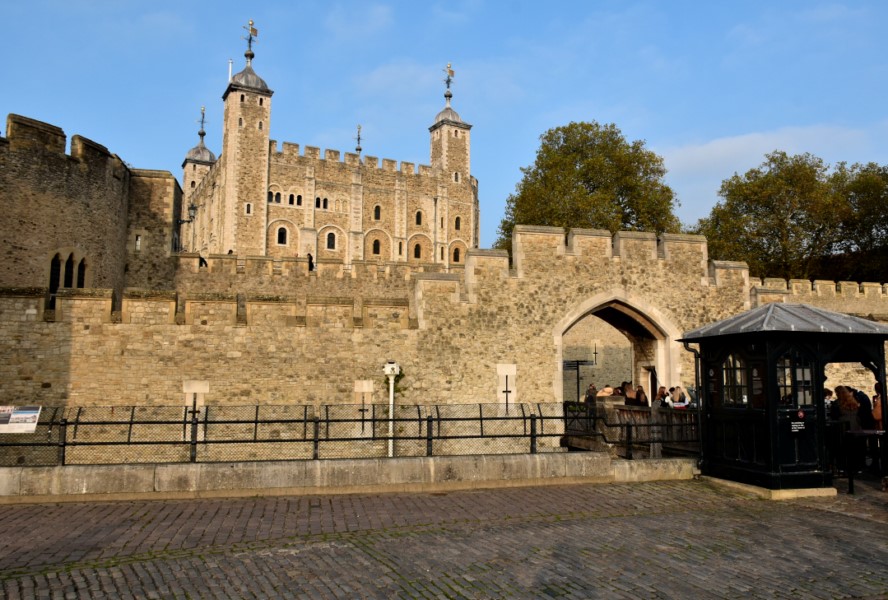
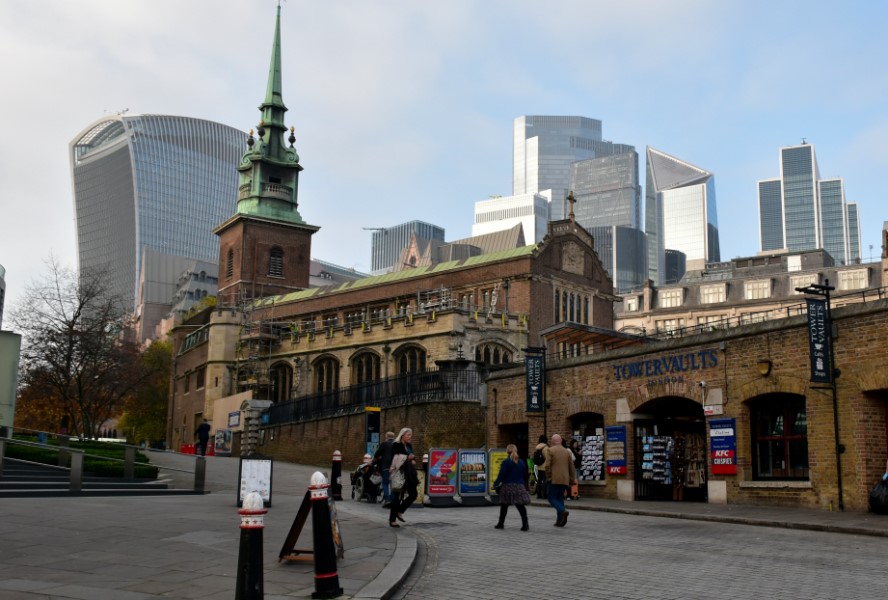
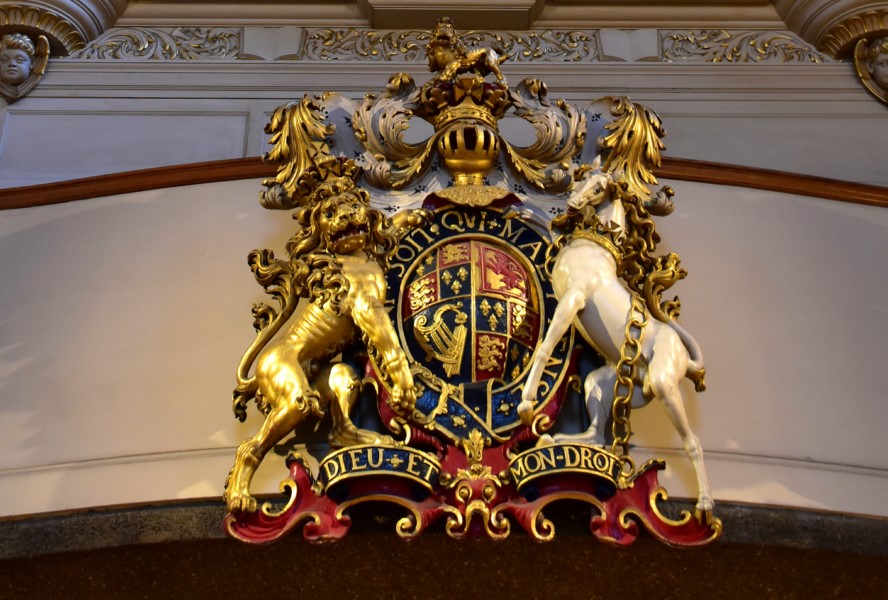
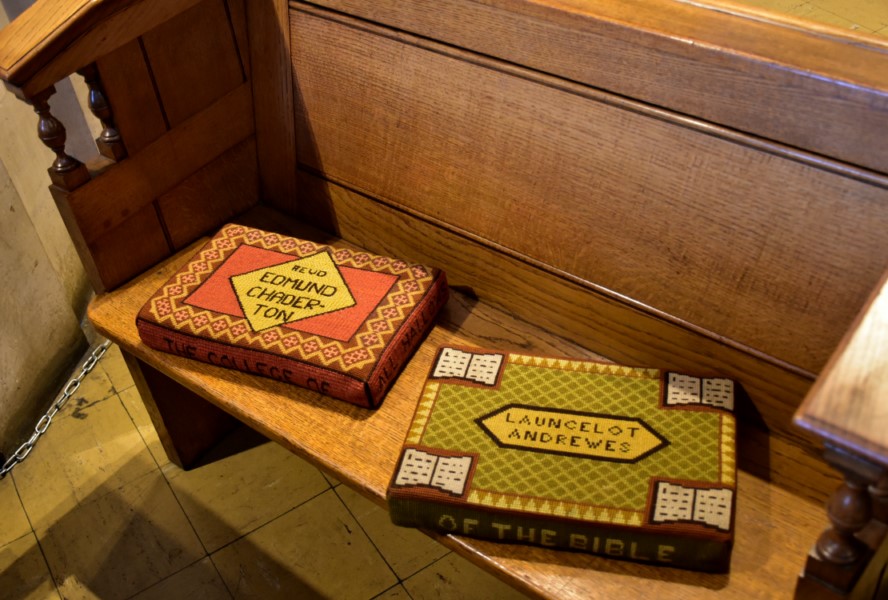
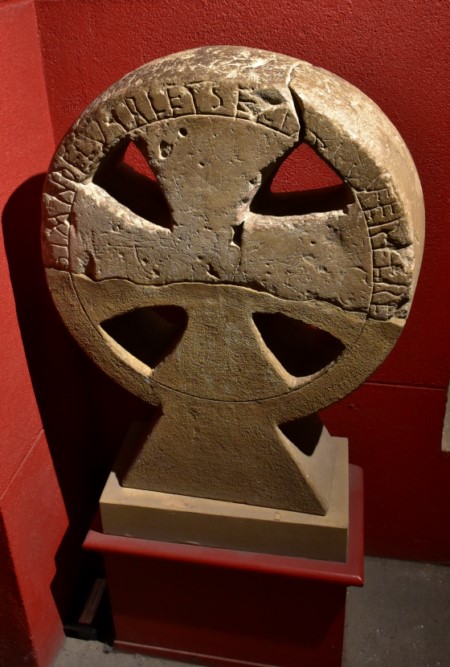
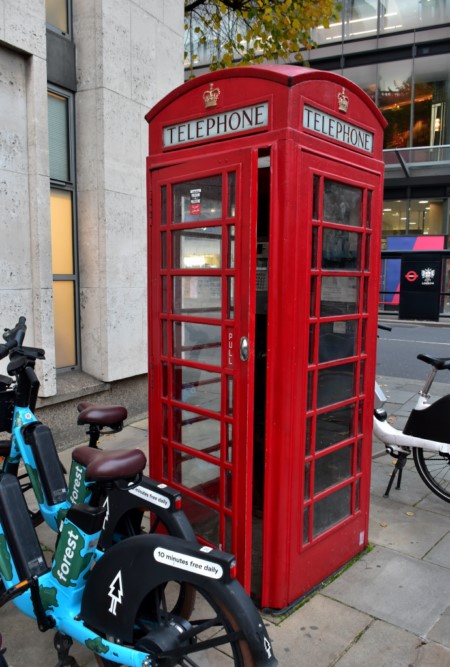
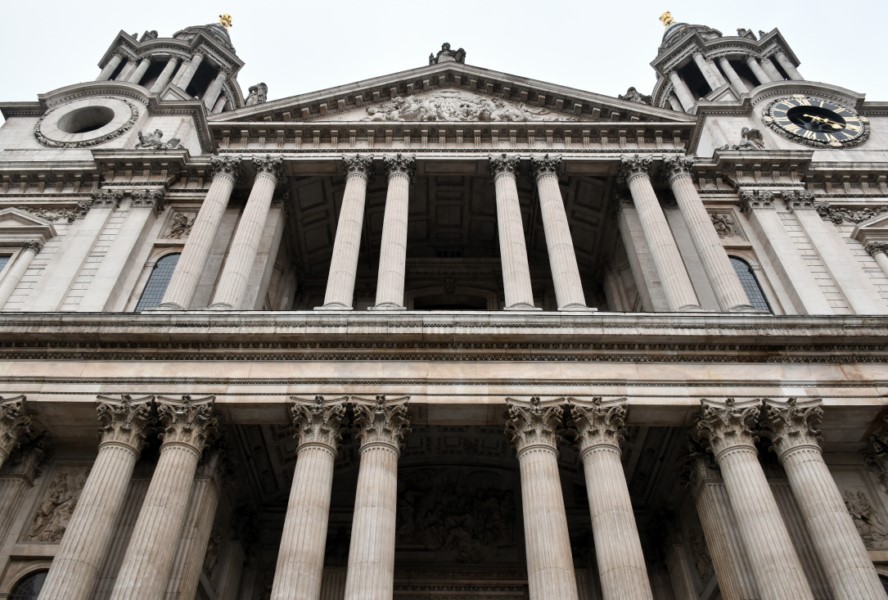
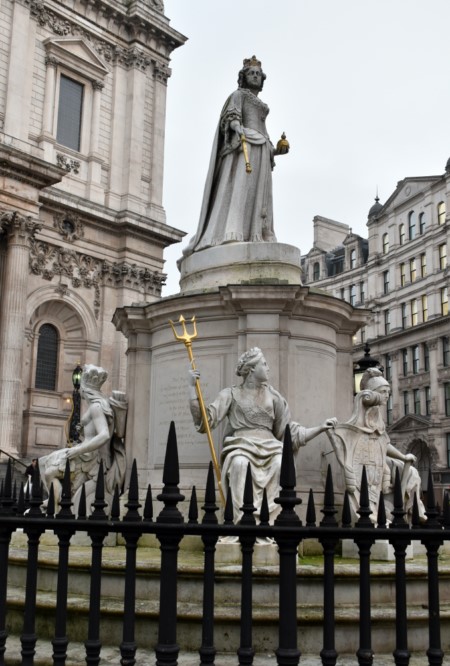
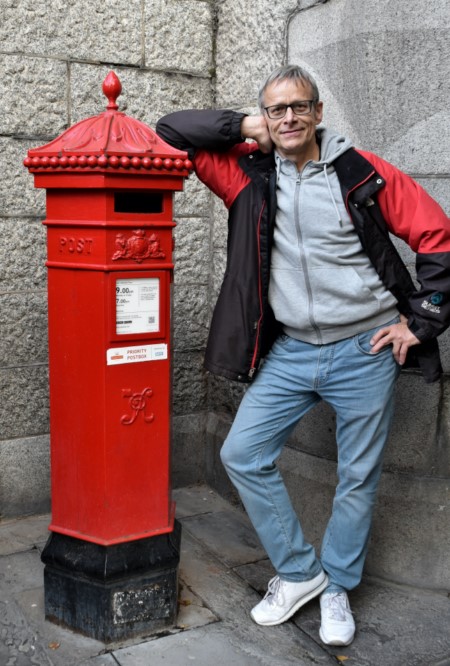
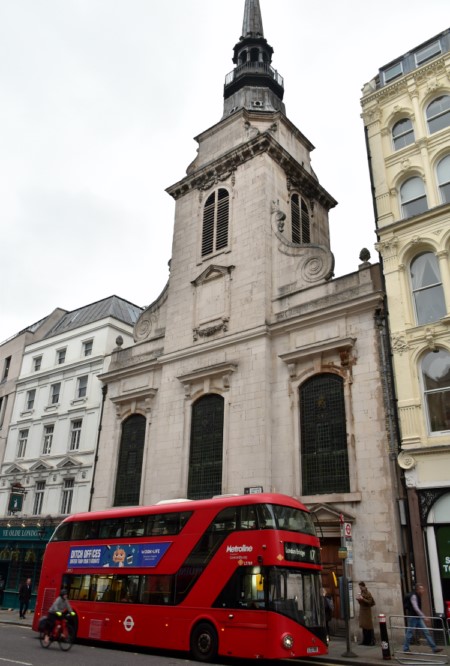
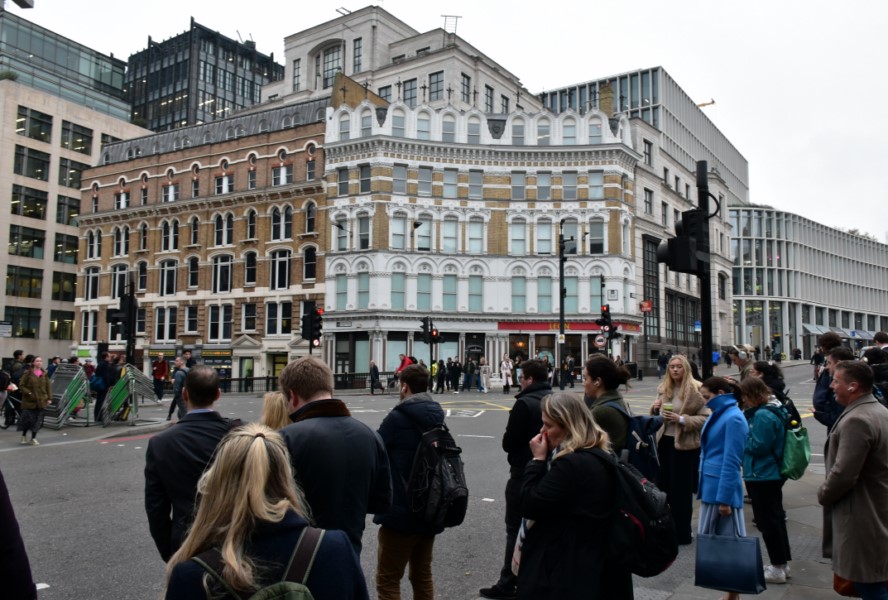
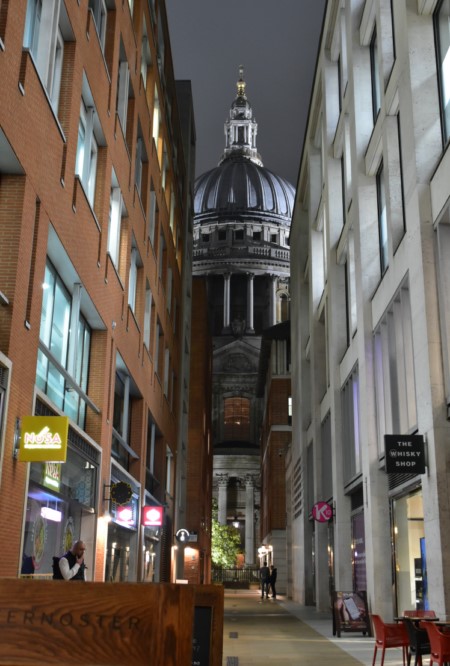
Bishopsgate street Impresja, wieża kościoła św. Botolf Bevis Marks Kościół Aldgate po przebudowie z XVIII w. Wnętrze anglikańskiego koscioła Aldgate Epitafium kupca  Roberta Dow (1523-1612) Dzielnica Whitechapel, Jack the Ripper tour Herb Londynu, znacznik granicy miasta Neogotycki Tower Bridge Tower Bridge w całej okazałości Pamiątkowa fotka Queen's Walk, futurystyczne wieżowce City Tower of London, widok z Queen's Walk Moździerz z XVII w. (kaliber 457 mm) Środkowy most zwodzony, w głębi kaplica św. Jana Byward Tower z XIII w. Romantyczny widok Bastion Legge Mount i płn-zach. obwarowania Średniowieczny kościół All Hallows-by-the-Tower Empora, herb Wielkiej Brytanii z dewizą monarchii brytyjskiej `Dieu et mon droit` Oryginalne podkładki do siedzenia Anglo-Saski kamienny krzyż (900 r.) Tradycyjna budka telefoniczna Shakespeare's Globe, replika oryginalnego teatru elżbietańskiego z czasów Szekspira Millennium Bridge, kładka pieszo-rowerowa Katedra św. Pawła projektu Christofera Wrena (XVII-XVIII w.) Dwukondygnacyjna kolumnada i fronton przedstawiający nawrócenie św. Pawła Anna Stuart, królowa Wielkiej Brytanii i Irlandii (1665-1714) Sześcioboczna skrzynka pocztowa Penfold Ludgate Hill, kościół St Martin Ludgate Przechodnie na Fleet Street Wnętrze barokowego kościoła św. Brygidy projektu Christofera Wrena Pozostałości średniowiecznych murów Cannon Alley, widok na katedrę św. Pawła Katedra św. Pawła nocą Mithraeum, fundamenty świątyni boga Mitry (ok. 240 r.) Ołtarz, wizualizacja Mitry dokonującego rytualnego zabicia byka Widok Tamizy z London Bridge
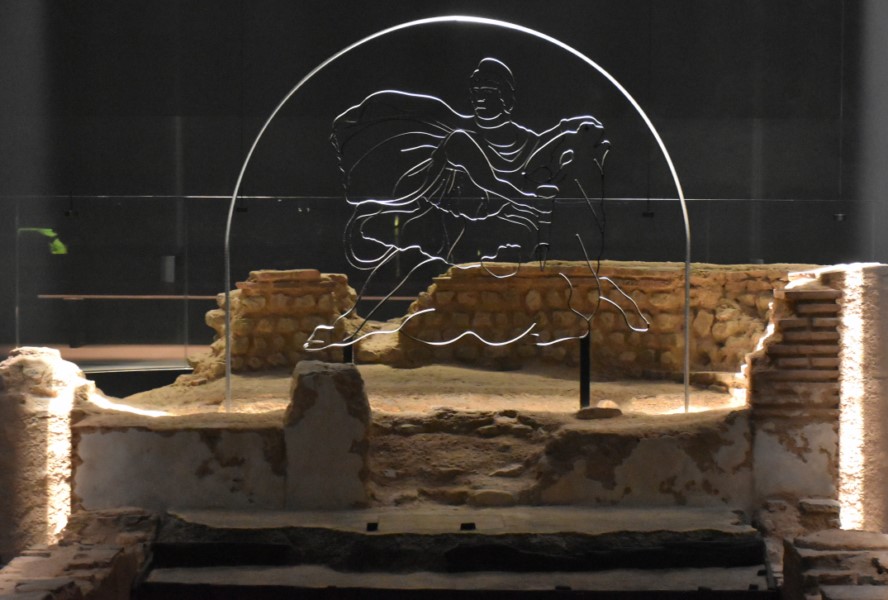
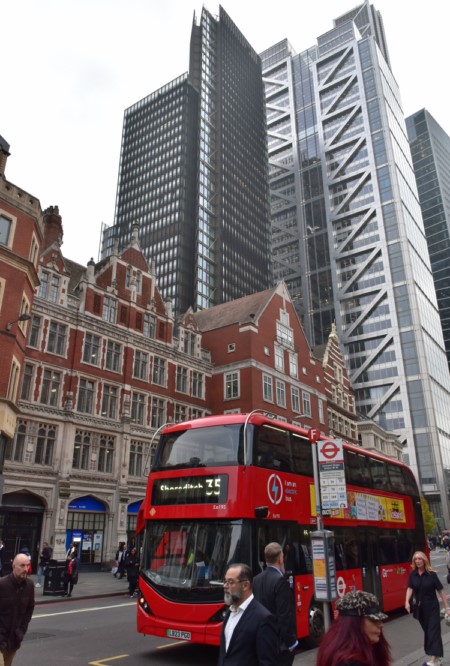
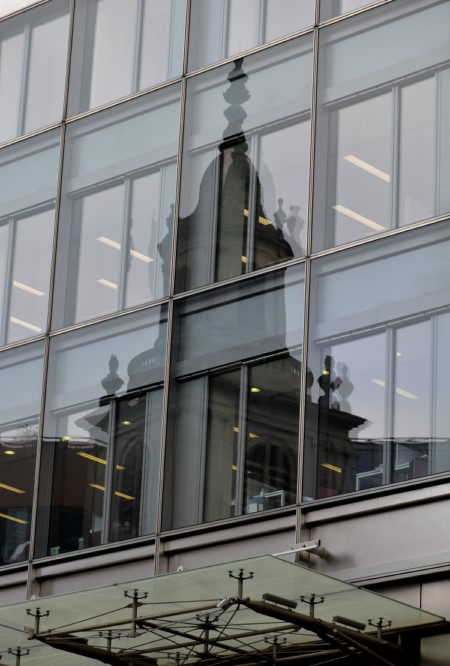
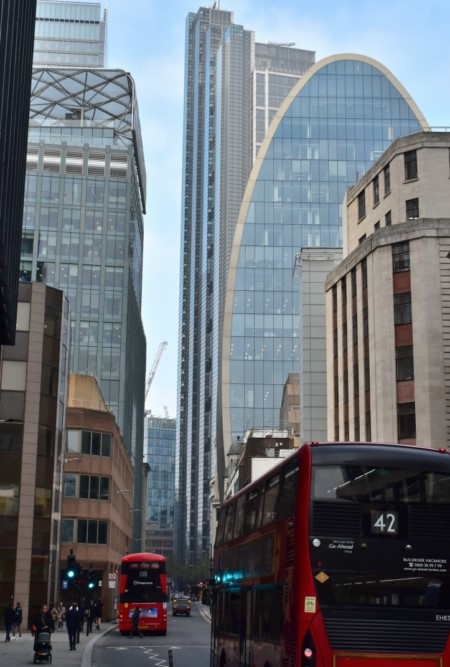
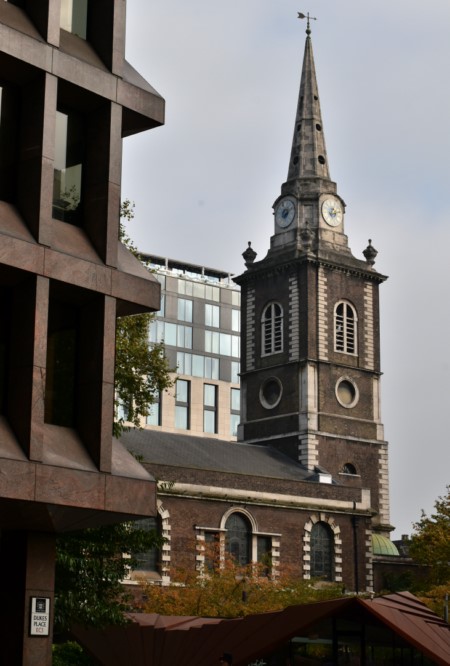
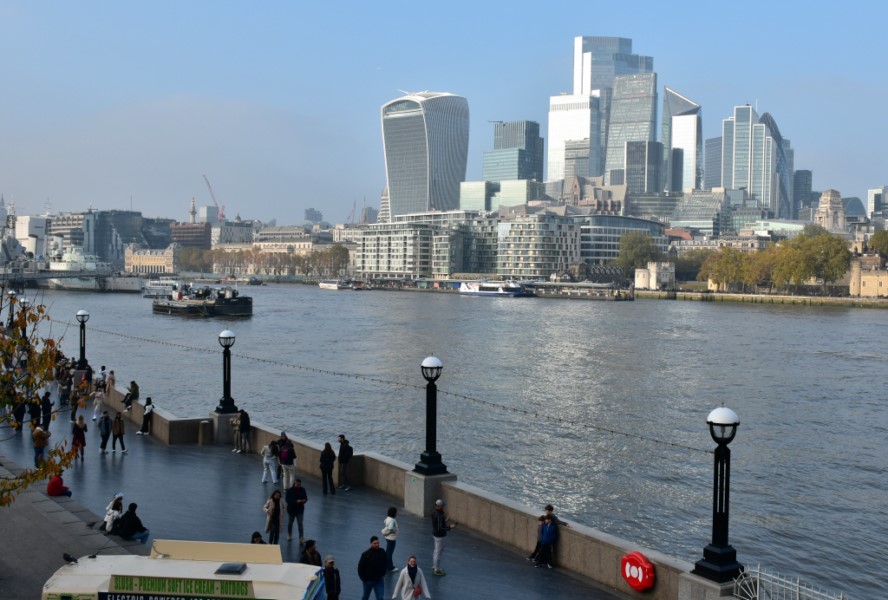
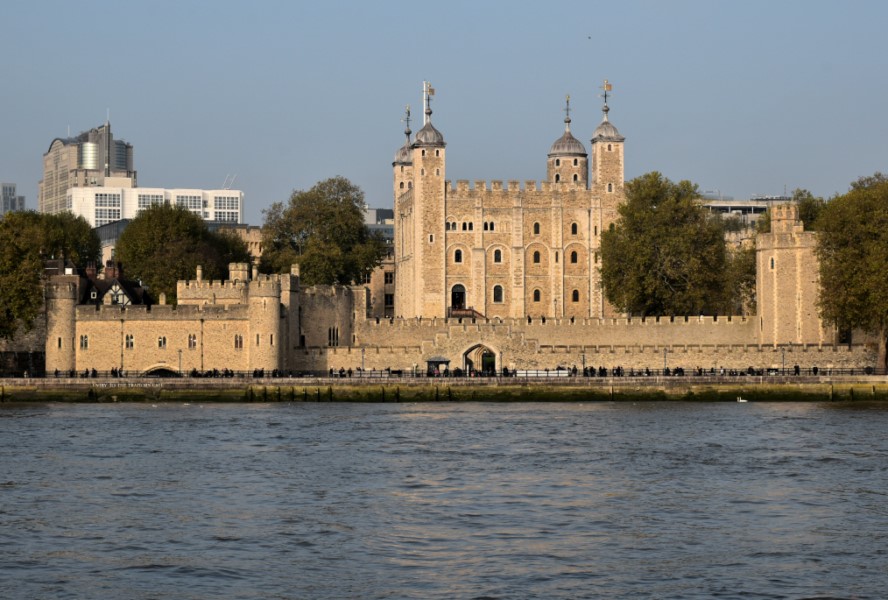
London's City simply overwhelmed me. The maze of streets filled with futuristic skyscrapers resembled ravines, among which finding any historical building required great skill. The weather was not conducive to taking pictures, and everything around looked gray and gloomy. In the afternoon it brightened up a bit, thanks to which I had the opportunity to admire the Tower of London and Tower Bridge in the november sun.


Westminster
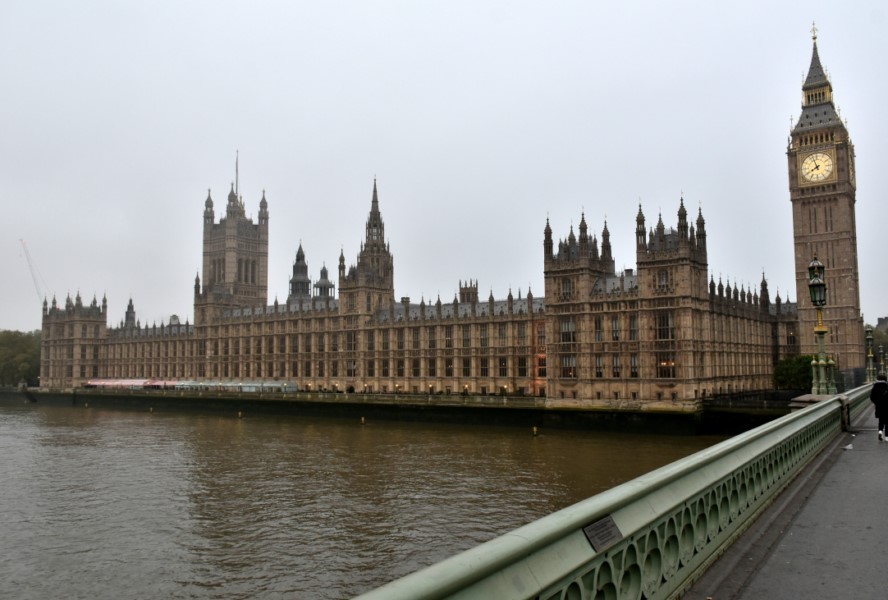

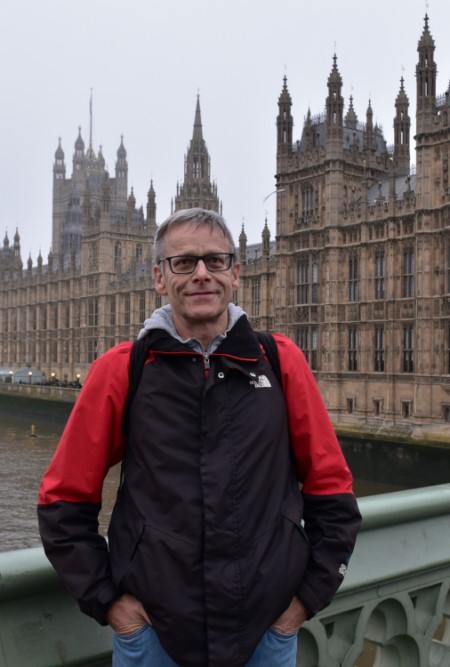
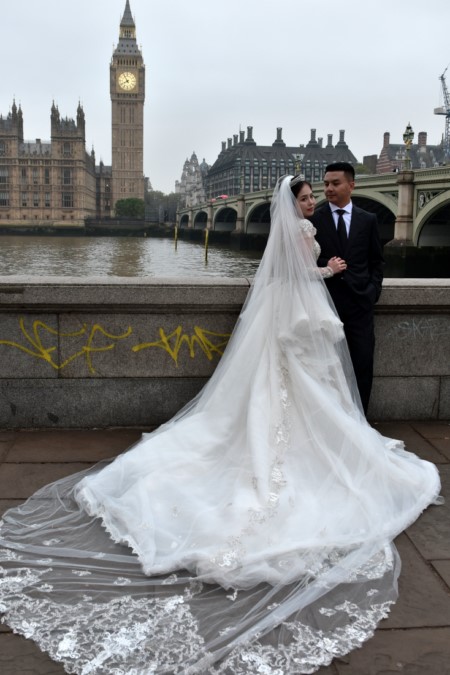
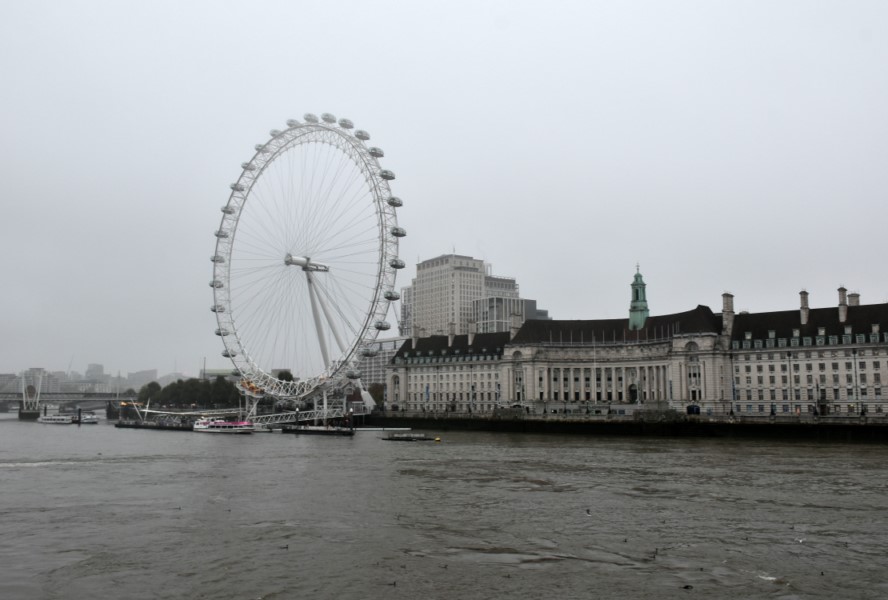
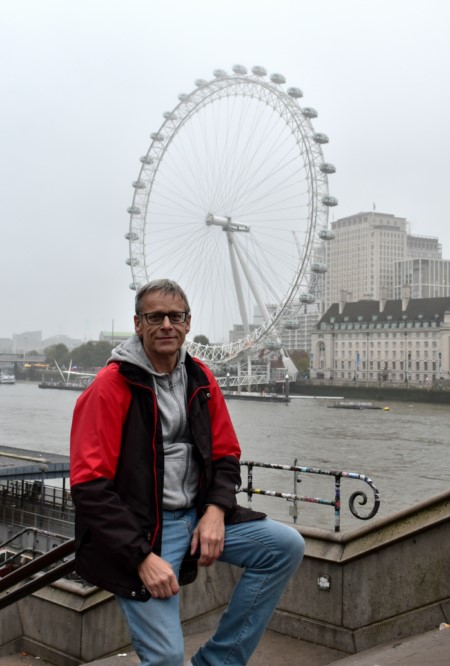
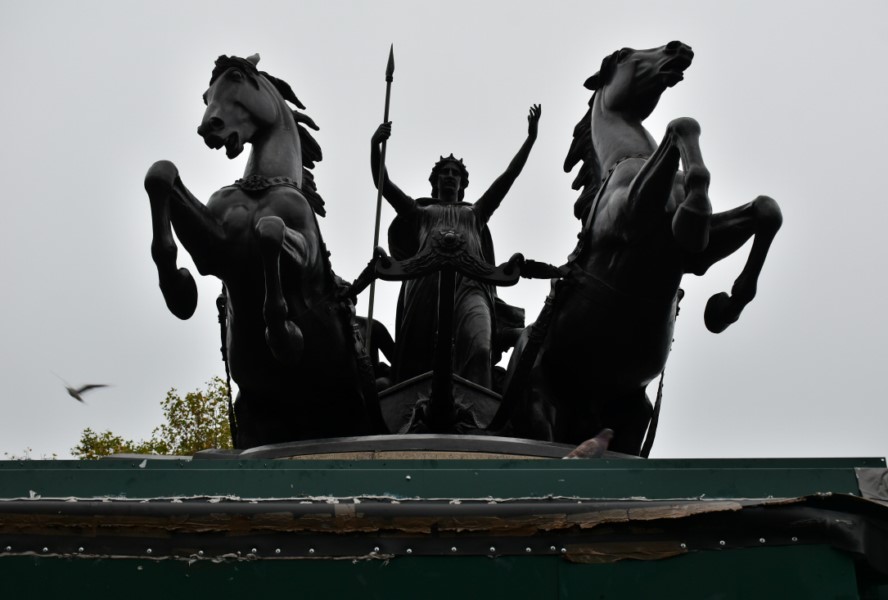
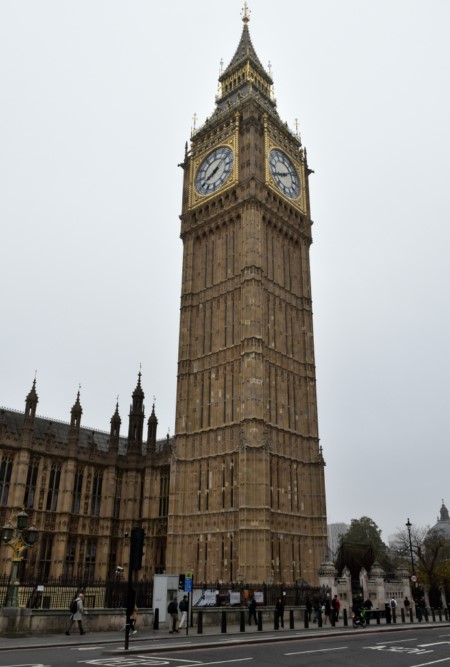
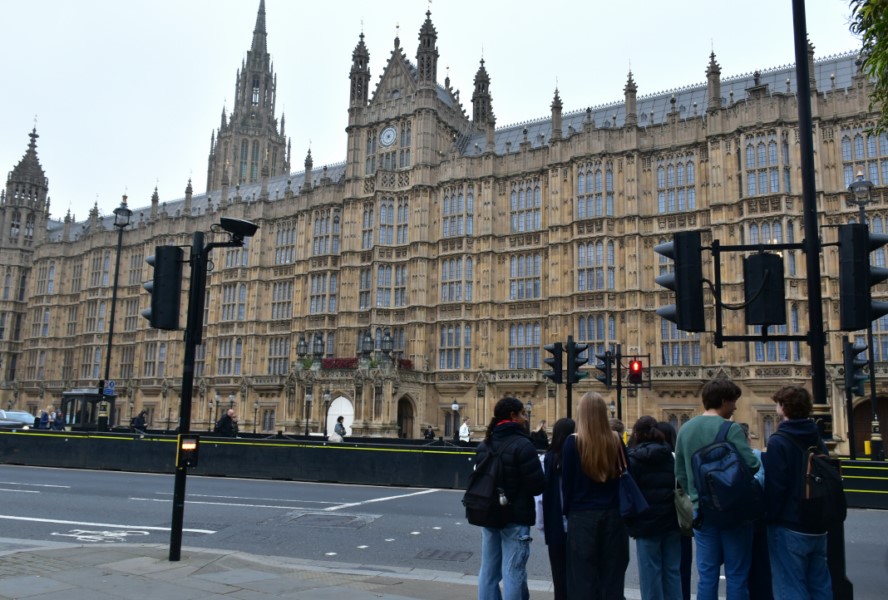
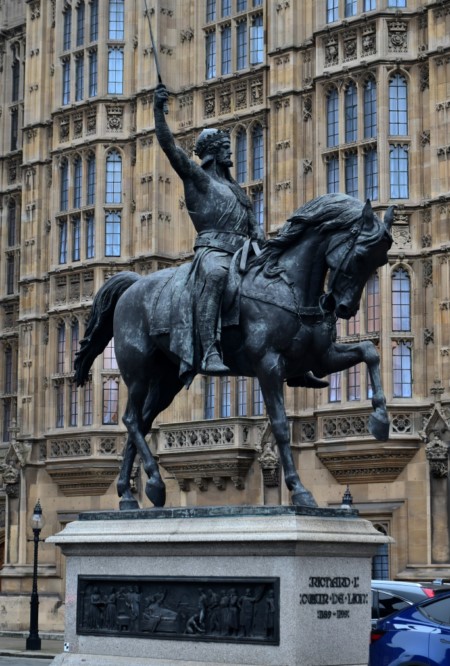
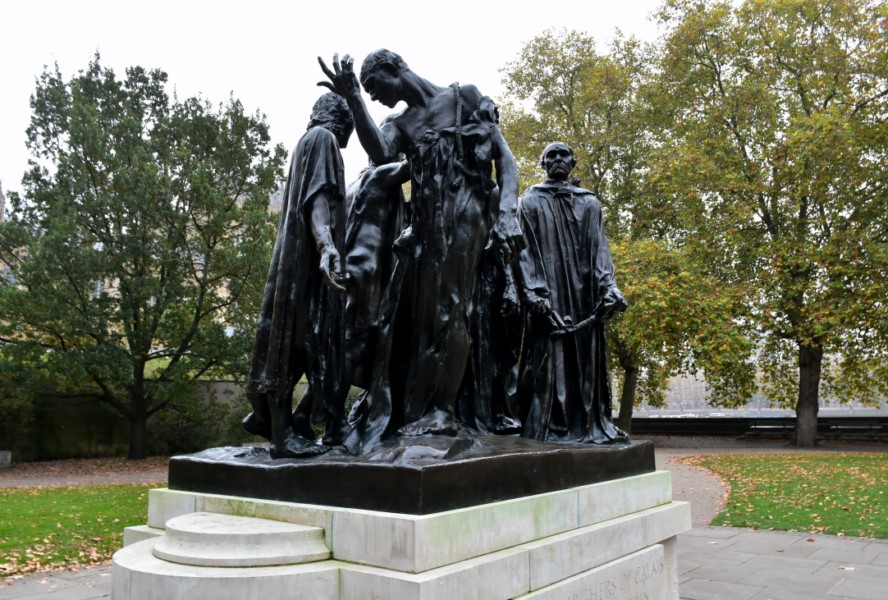
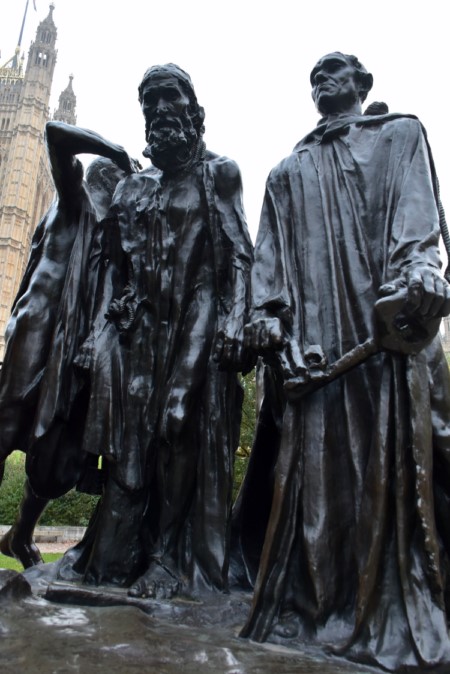
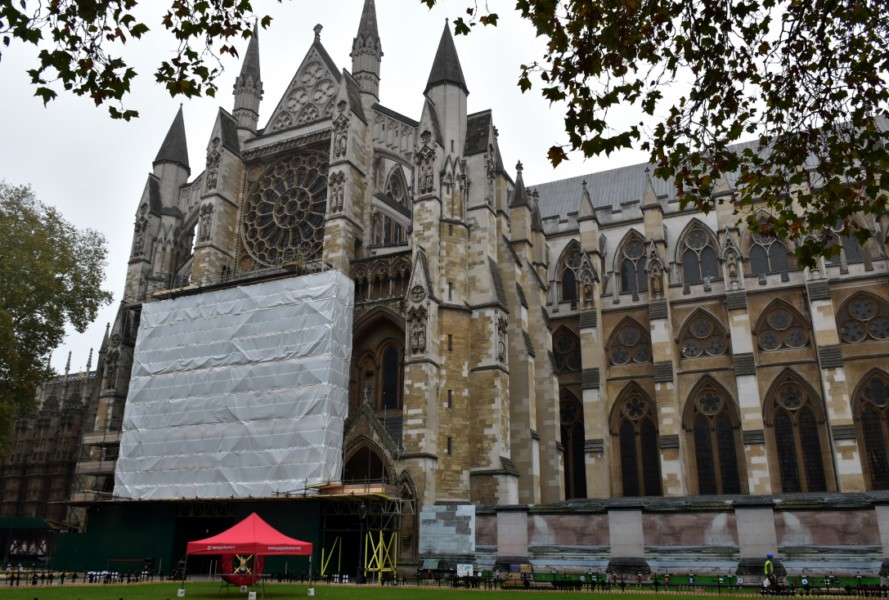
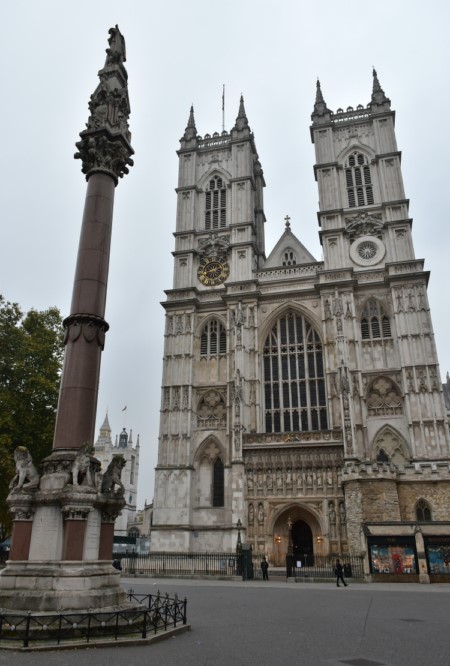
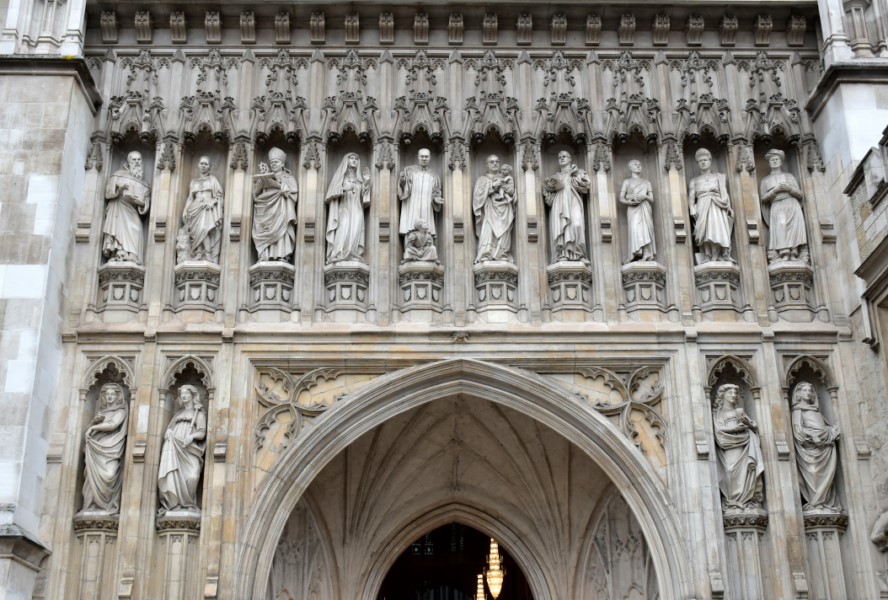
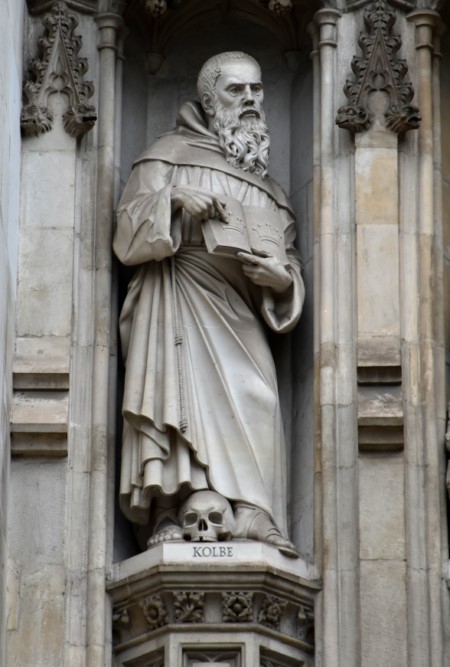
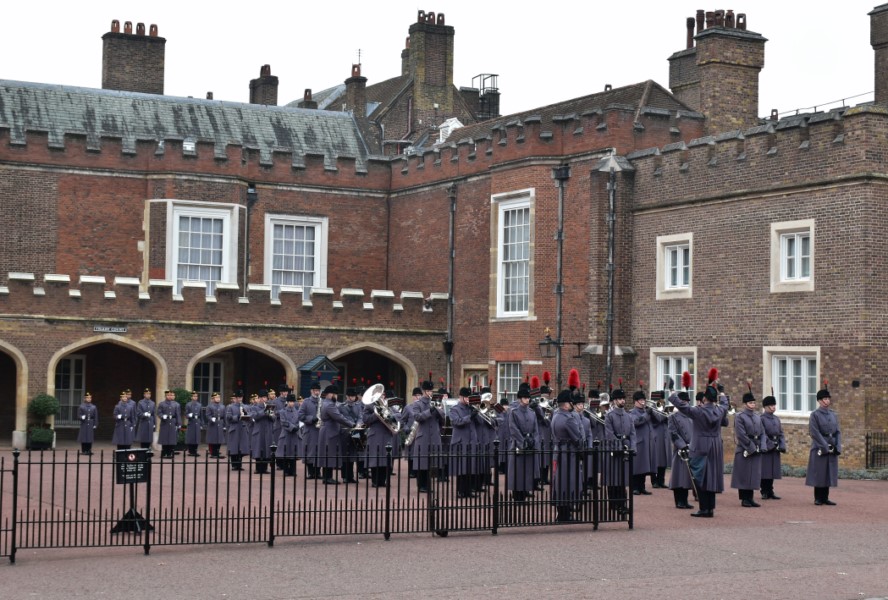
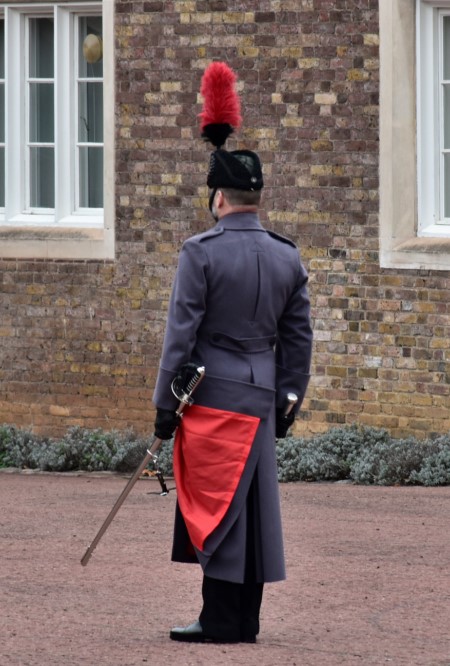
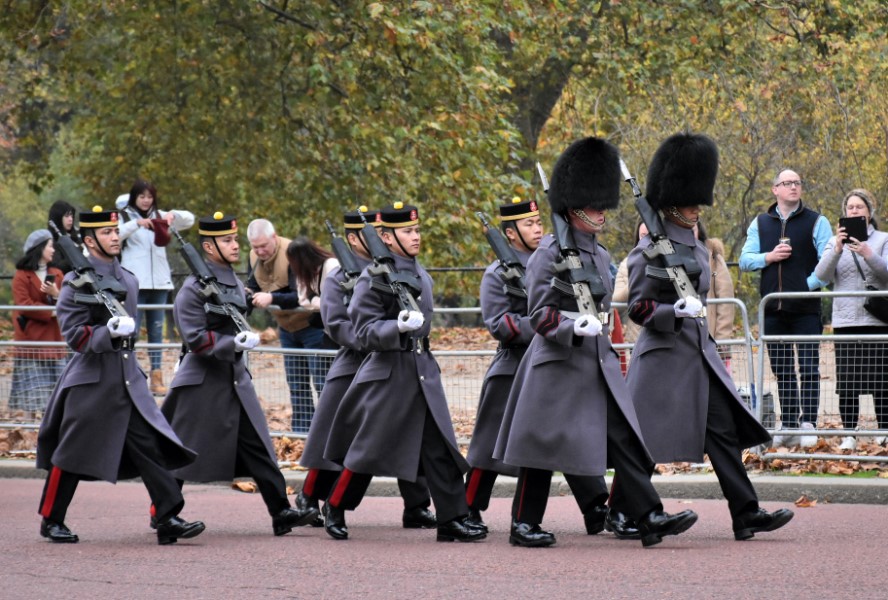
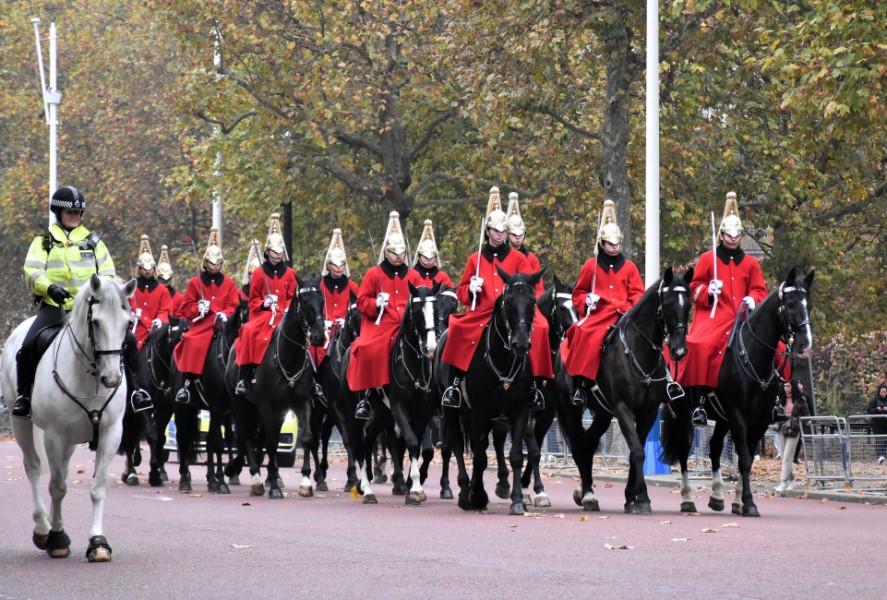
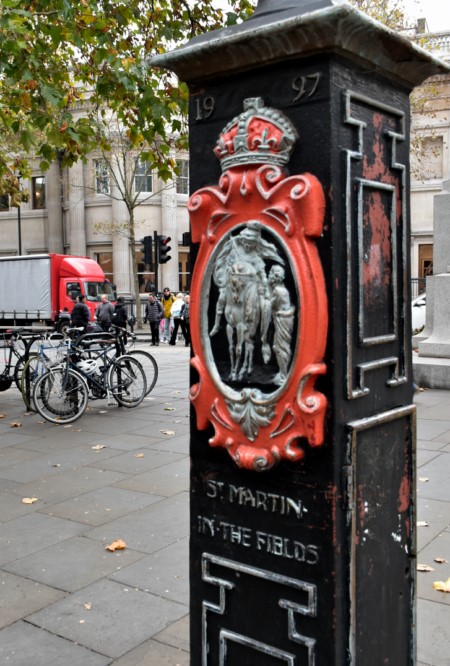
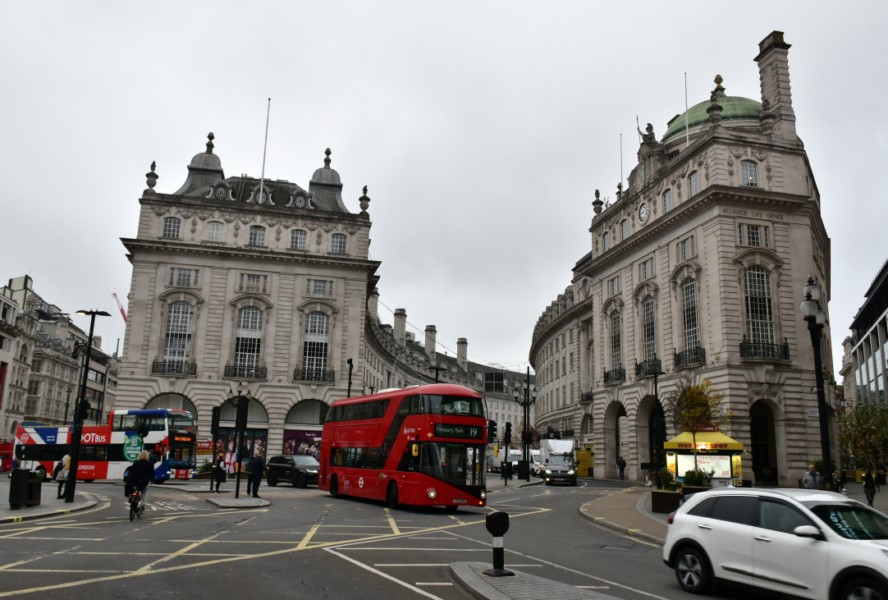
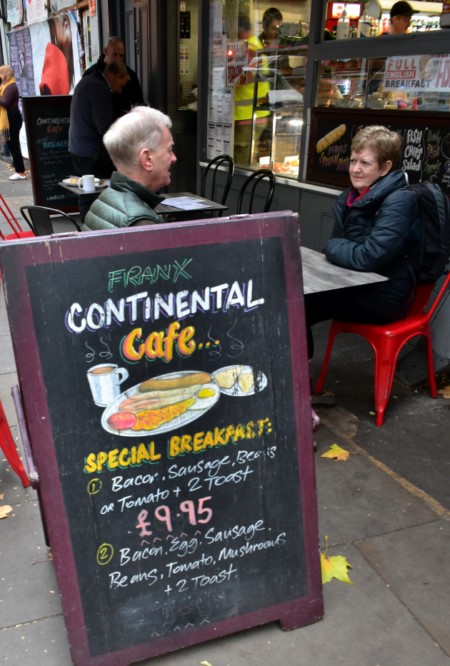
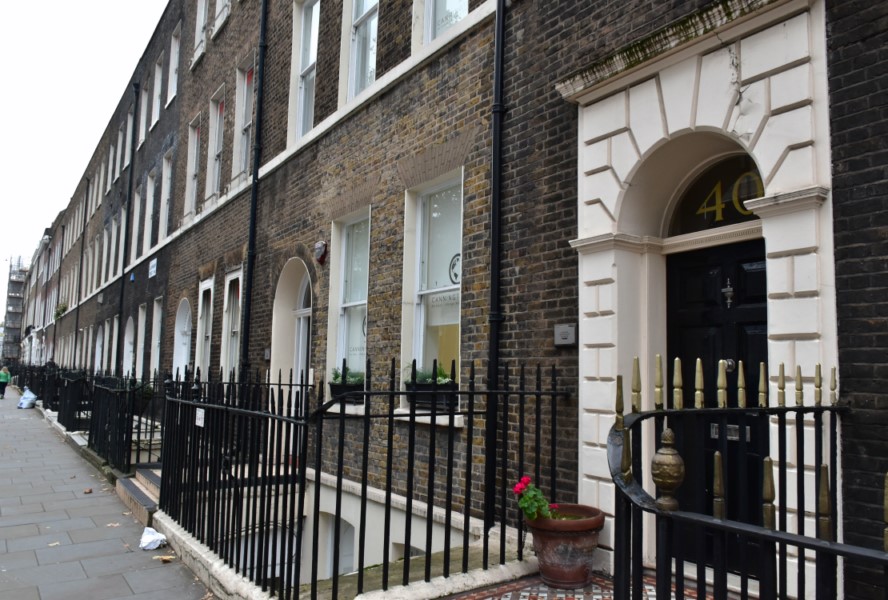
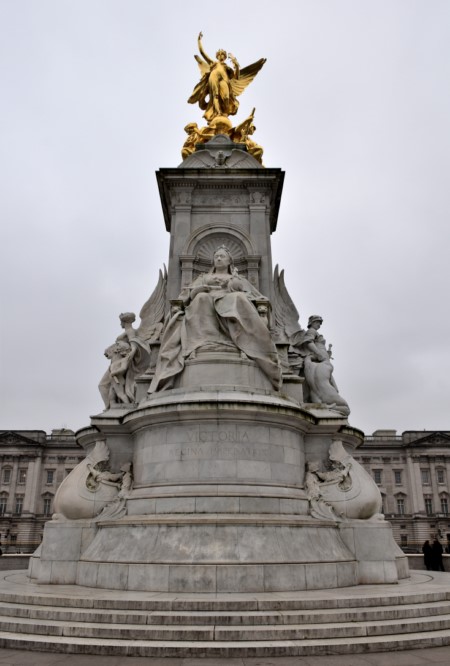
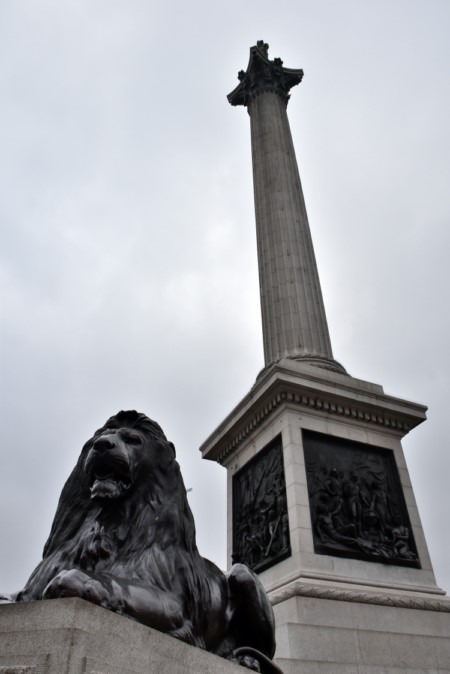
Pałac Westminsterski i Big Ben Pamiątkowa fotka Ślubna sesja zdjęciowa Golden Eye i South Bank Pamiątkowa fotka Pomnik królowej Icenów Boudiki, przywódczyni powstania antyrzymskiego w 60-61 r. Big Ben (Elizabeth Towerr) z 1858 r. Neogotycki Pałac Westminsterski (Houses of Parliament) Pomnik króla Anglii Ryszarda I Lwie Serce (1157-1199) Victoria Tower Gardens, rzeźba Augusta Rodina `Mieszczanie z Calais` (epizod z wojny stuletniej) Ekspresyjne figury mieszczan ze sznurem na szyi Gotyckie Westminster Abbey, wejście północne Fasada zachodnia Figury męczenników z XX wieku Polski męczennik św. Maksymilian Kolbe (1894-1941) Scenka uliczna Winston Churchill (1874-1965) Little Ben Clock, wiktoriański zegar uliczny Horse Guards Parade, plac defilad gwardii konnej Cádiz Memorial Pomnik Gwardii upamiętniający żołnierzy poległych podczas I i II wojny światowej Friary Court, przygotowania orkiestry wojskowej Tamburmajor Przemarsz żołnierzy warty Królewska Gwardia Konna Kawalerzysta Gwardii Konnej Pałac Buckingham, londyńska rezydencja brytyjskich monarchów Turyści oczekujący na ceremonię zmiany warty Victoria Memorial (1911 r.) Posąg królowej Wiktorii (1819-1901) Pamiątkowa fotka Turyści fotografują modele, a złodzieje kradną portfele Ceremonia zmiany warty Ceremonia zmiany warty Lepiej słuchać tej pani Pamiątkowa fotka Powrót do koszar Trafalgar Square, klasycystyczny gmach National Gallery Kolumna Nelsona Relief na płd. fasadzie przedstawiający śmierć Nelsona w bitwie pod Tragalgarem w 1805 r. Staua admirała Horatio Nelsona Latarnia uliczna St. Martin in the Fields Plac Piccadilly Circus Coś na ząb Typowe domy londyńskie w zabudowie szeregowej British Museum tuż przed zamknięciem
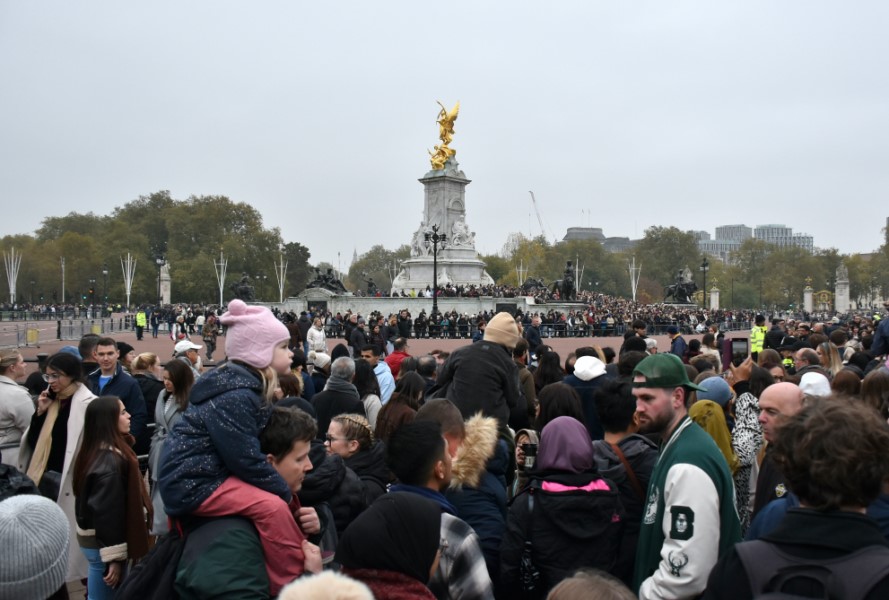
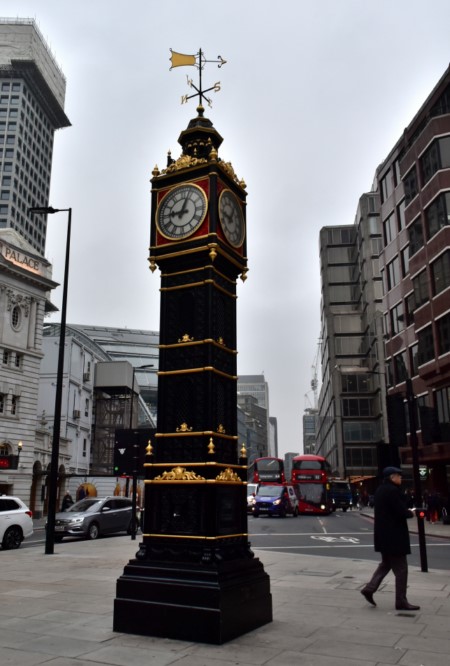
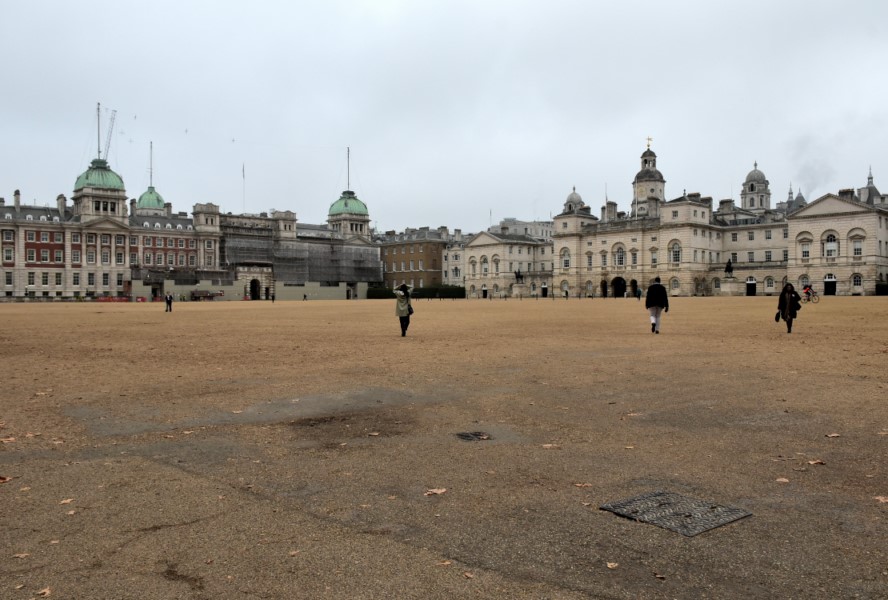
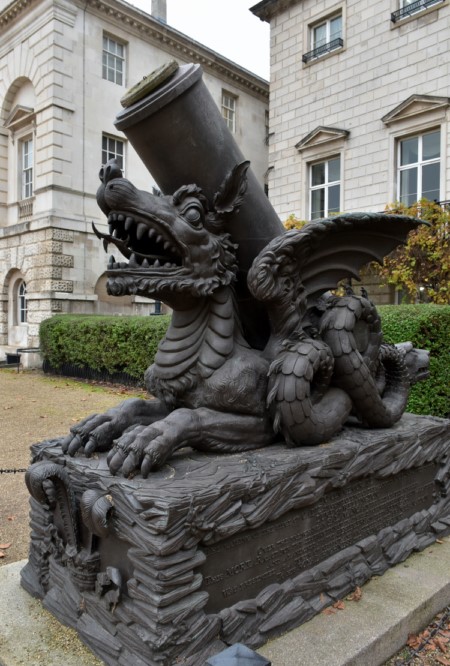
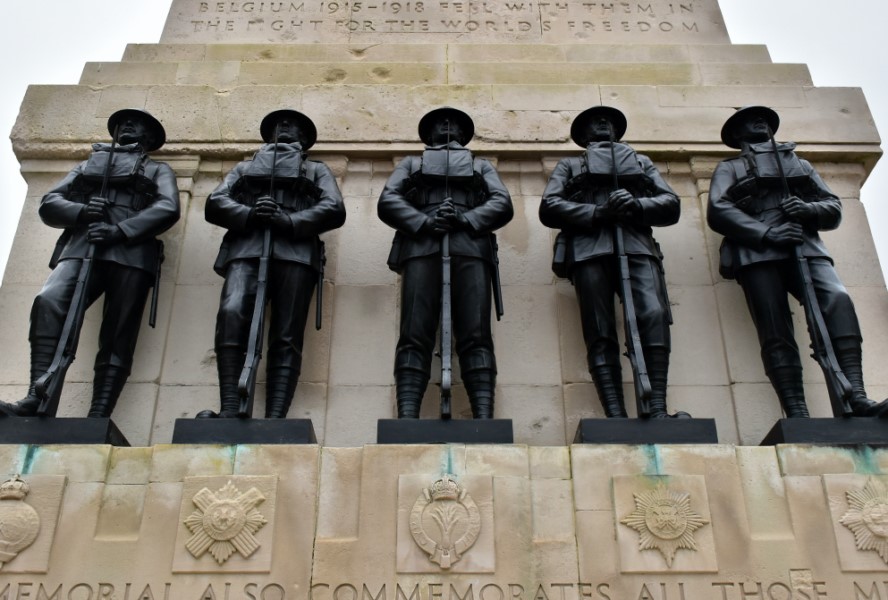
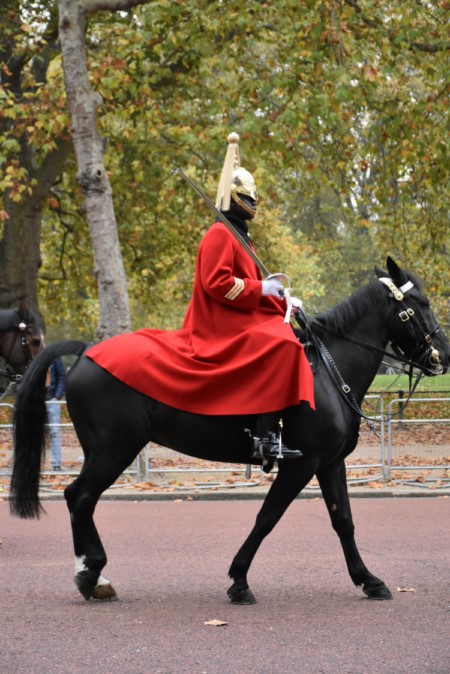
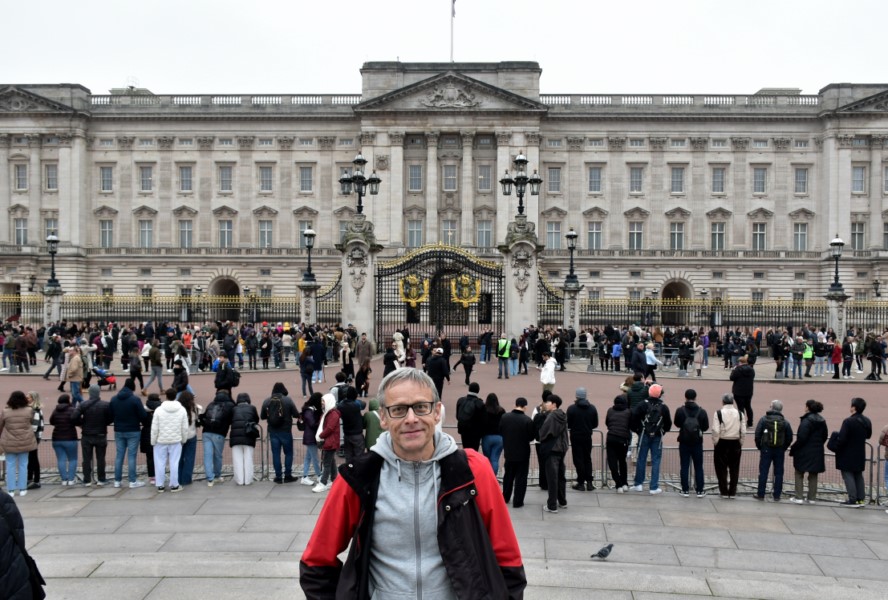
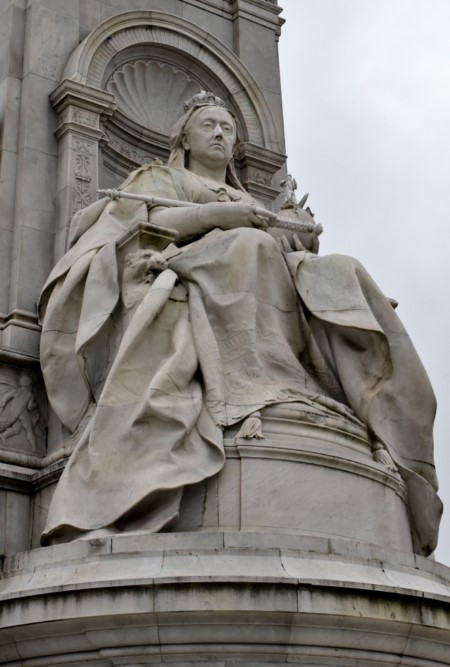
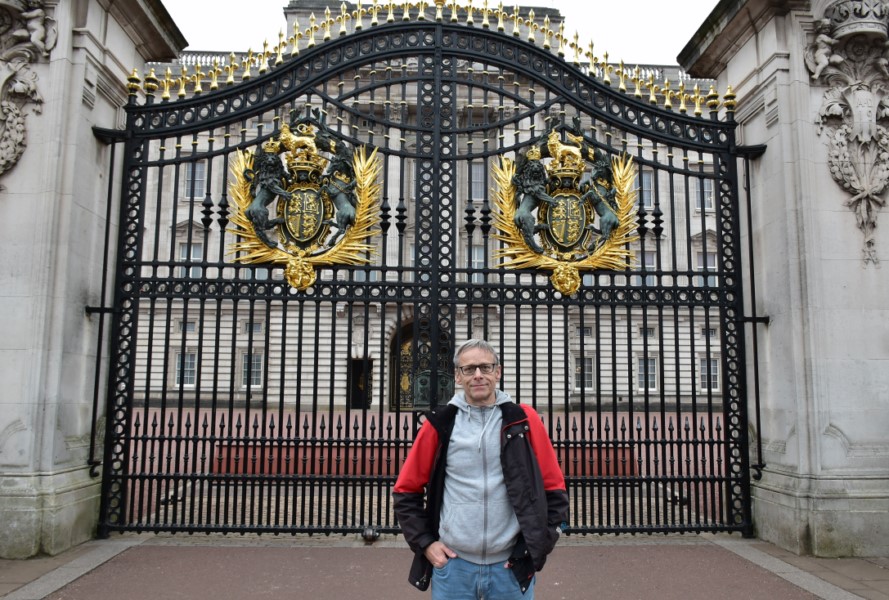
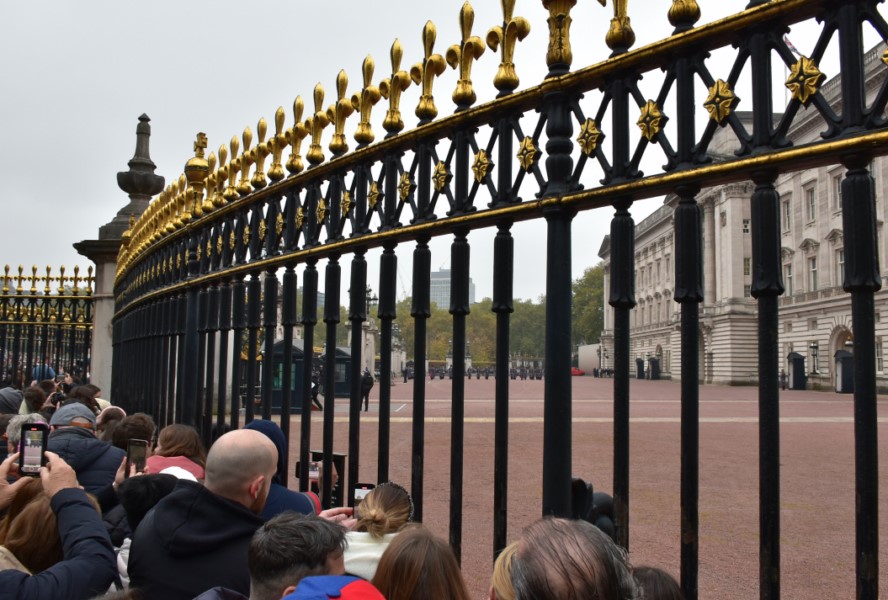
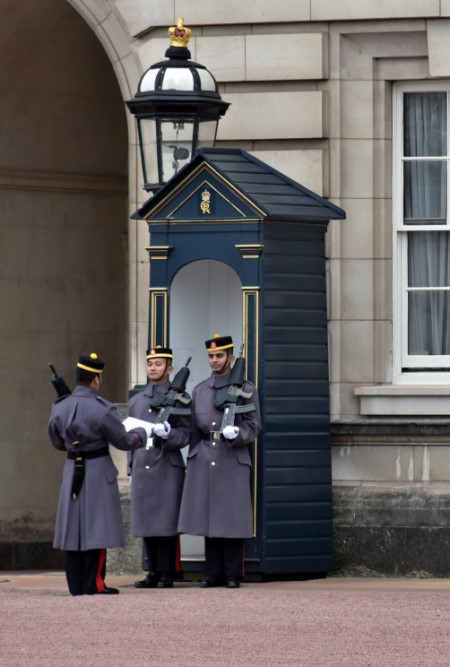
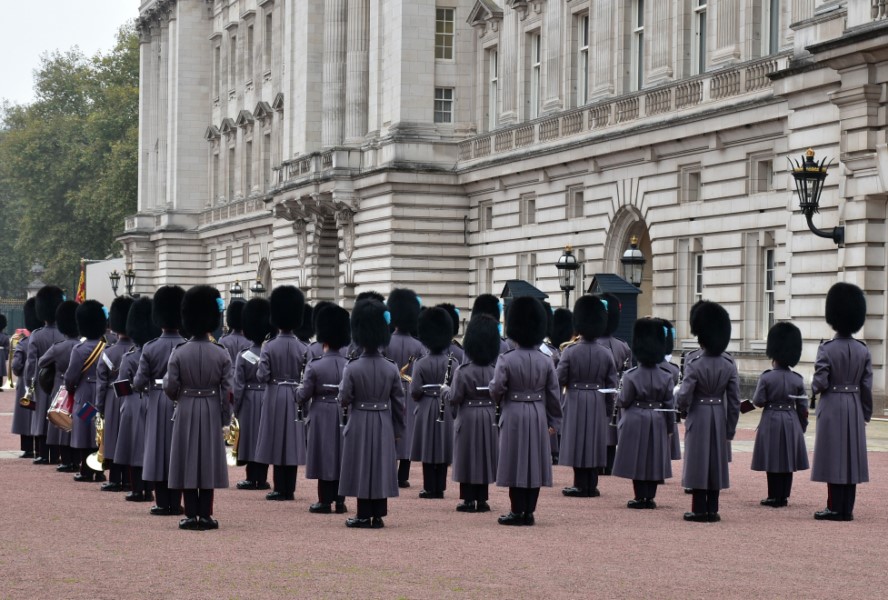
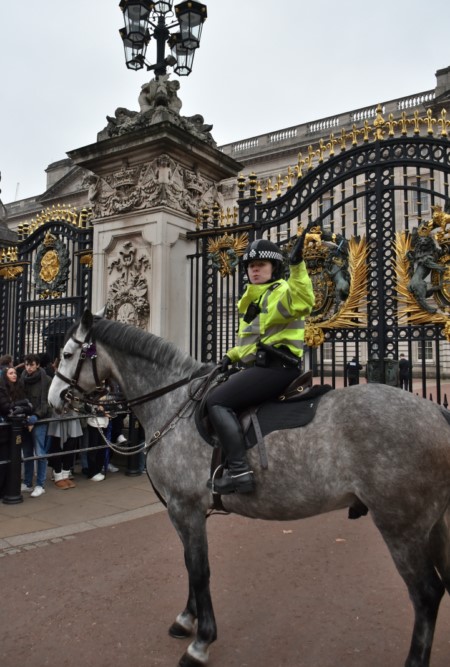
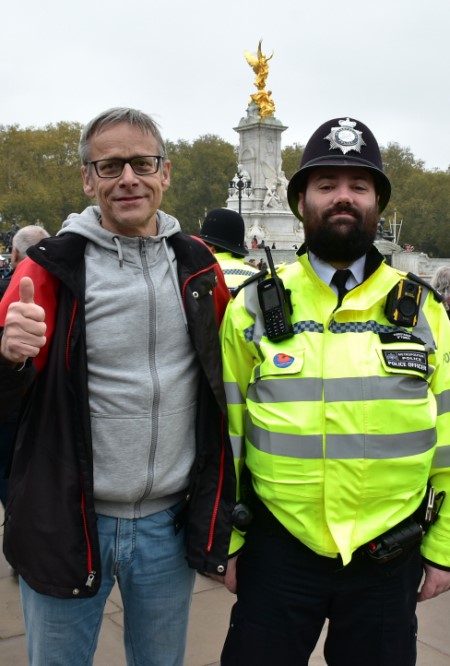
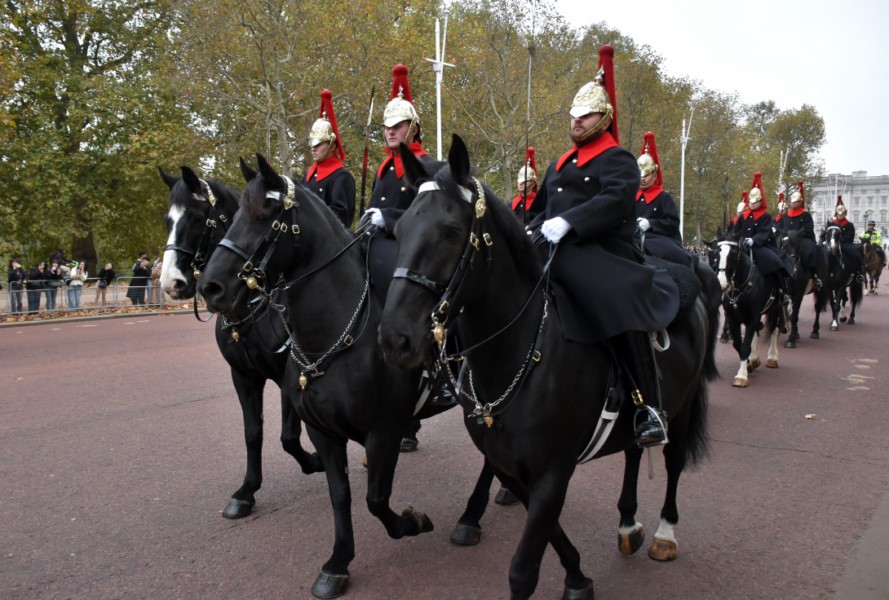
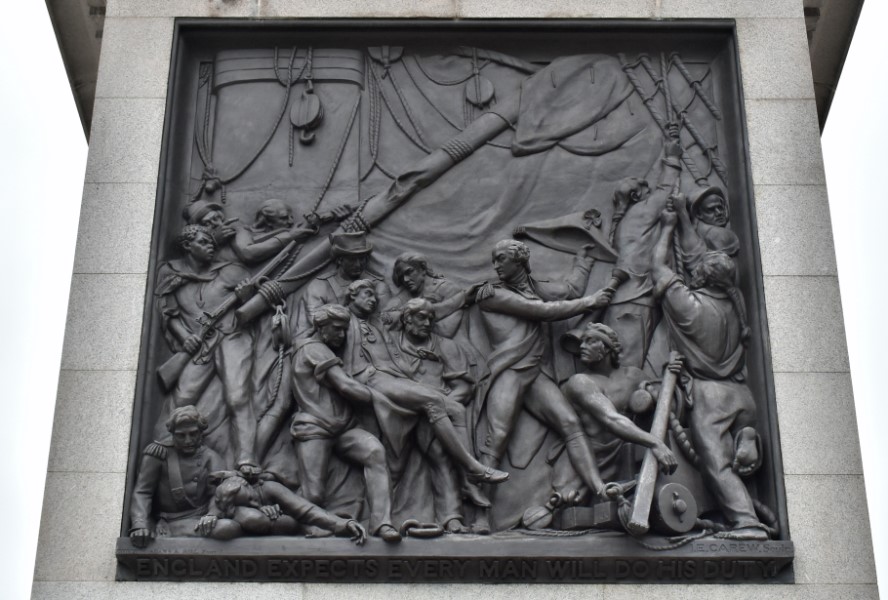
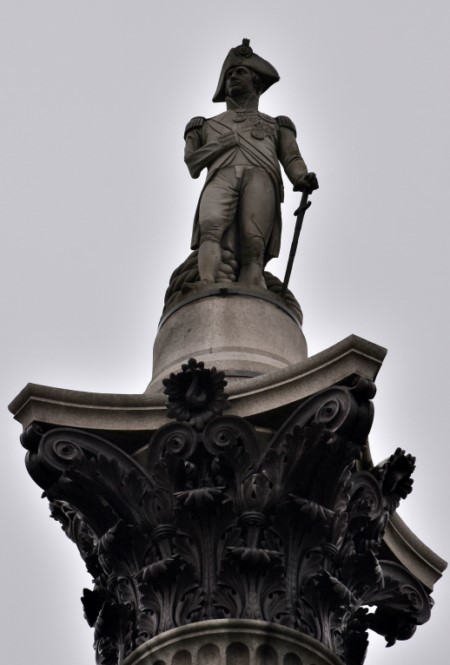
Westminster is the political and royal centre of London, full of open spaces, palaces, public buildings and spectacular events. These include the military parade on Horse Guards Parade on the monarch's birthday, the opening of parliament, Beating the Retreat and the changing of the guard ceremony. Understandably, I focused on this last celebration, but I admit I was a little disappointed.

Museums


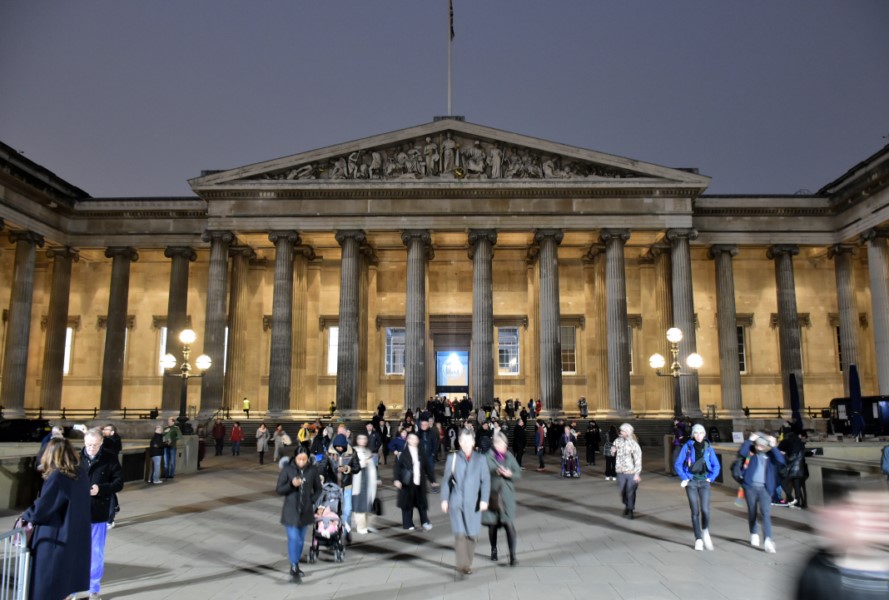
Galeria Narodowa, jedna z sal w Północnym Skrzydle Jan van Eyck, Portret małżonków Arnolfinich (1434) Sandro Botticelli, Wenus i Mars (1485) Leonardo da Vinci, Madonna wśród skał (1486) Caravaggio, Wieczerza w Emaus (1601) Zwiedzający Vincent van Gogh, Dwa kraby (1889) Auguste Renoir, Parasolki (1881–1886) Claude Monet, Japoński mostek i staw lilii wodnych (1899) British Museum, Great Court Posąg Moai z Rapa Nui, bazalt  (1200 r.) Malowany drewniany sarkofag z mumią (X w. p.n.e.) Ramzes II Wielki, granit (1270 p.n.e.) Słynny Kamień z Rosetty (II w. p.n.e.) Lamassu, strażnik bramy w pałacu asyryjskiego władcy Sargona (VIII w. p.n.e.) Pałac w Niniwie, relief przedstawiający polowanie króla Aszurbanipala na lwy (650 r.p.n.e.) Pałac w Niniwie, relief przedstawiający ranną lwicę (650 r. p.n.e.) Gliniany cylinder (pismo klinowe) Cyrusa Wielkiego, Babilon VI w. p.n.e. Fryz celli Partenonu przedstawiający procesję w czasie Panatenajów (święta ku czci Ateny) Detal fryzu przedstawiający młodzieńców na koniach (447-432 p.n.e.) Aleksander Wielki, marmur II-I w.p.n.e. Mauzoleum w Halikarnasie  (jeden z cudów świata starożytnego) Artemizja i Mauzolos, marmur 350 r. p.n.e. Klęcząca Wenus, Rzym II w. Hełm z Sutton Hoo anglosaskiego króla Redwalda (VII w.) Skarb z Fishpool, średniowieczne złote monety (1237 szt.) Relikwiarz Ciernia Świętego, Paryż XIV w. Brązy z Beninu (XVI-XVII w.) Wojownicy Królestwa Beninu
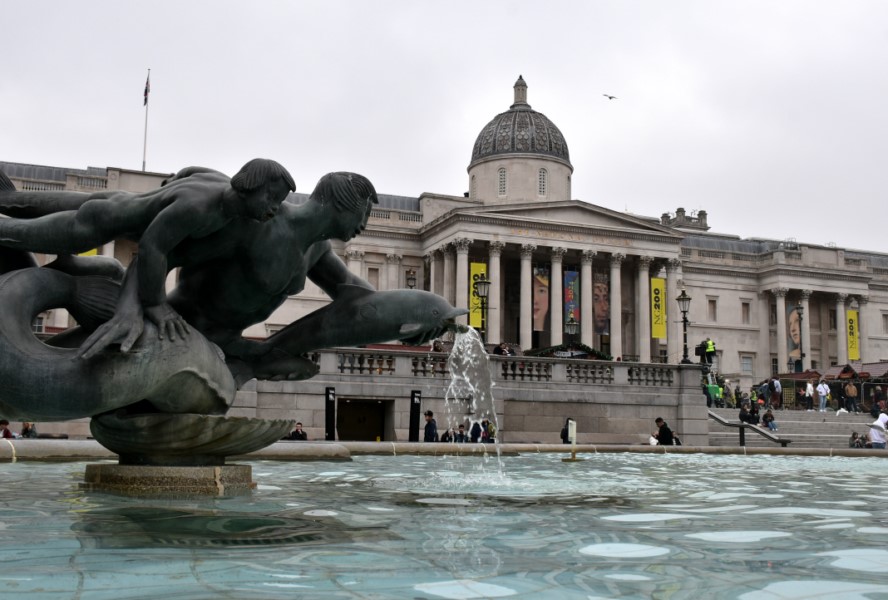
The visit to the National Gallery was a real feast for my eyes, and the collected masterpieces of the greatest European artists simply enchanted me. It was similar with the British Museum, where I had the opportunity to admire artifacts known to me only from reproductions in books. I visited the collection of over 8 million exhibits for two days, and I only managed to see Ancient Egypt, the Middle East, Greece, Rome, Europe and Africa. I hope to return here someday.


Our favorite photos
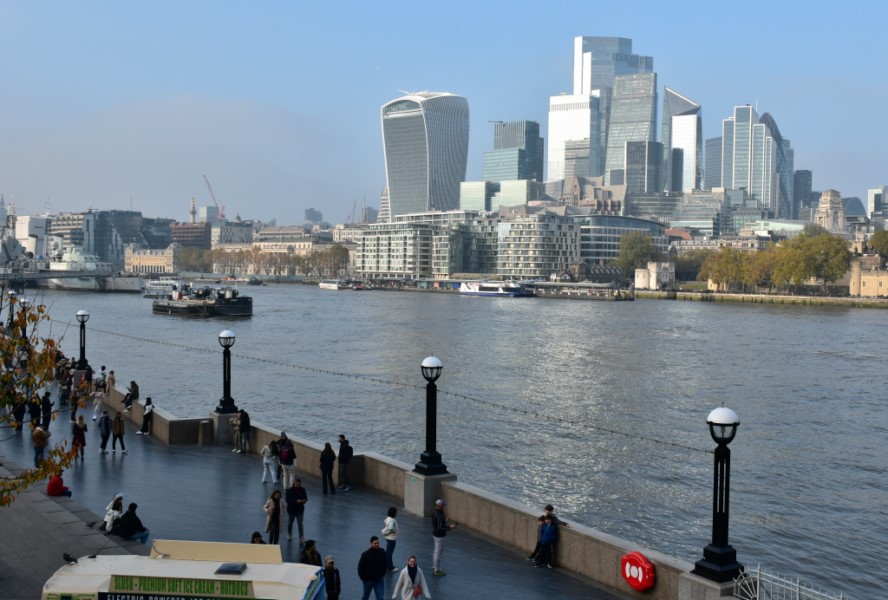
London, Queen's Walk, City skyscrapers

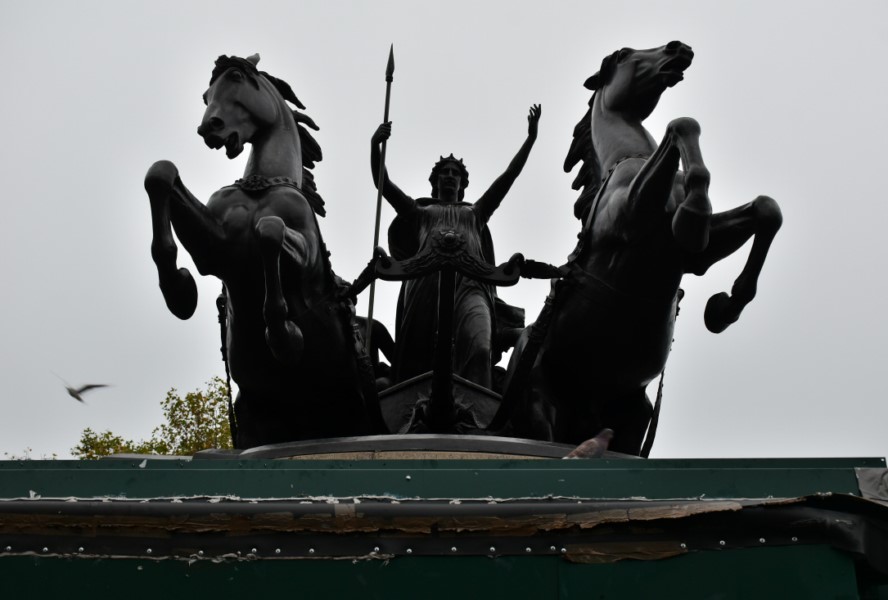
London, statue of the Iceni queen Boudike

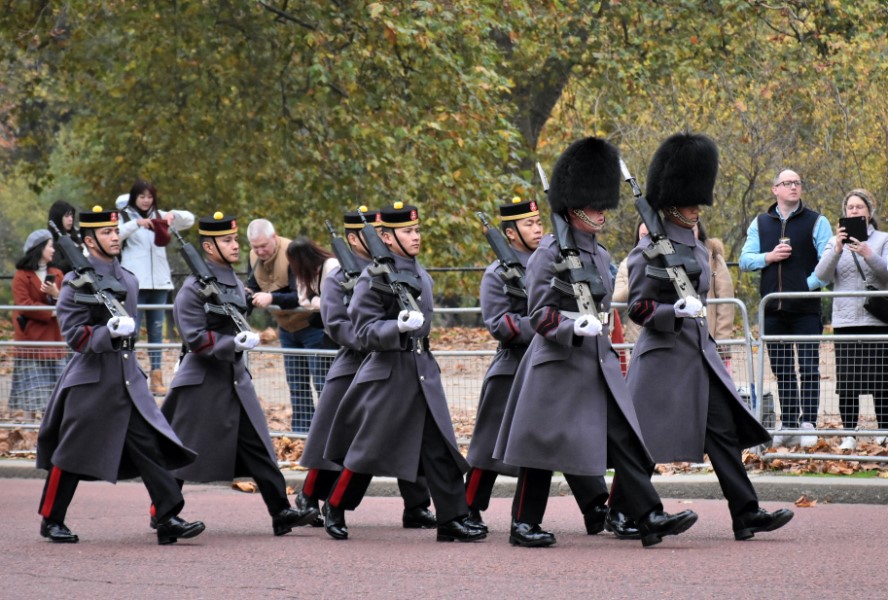
London, march of the guard soldiers

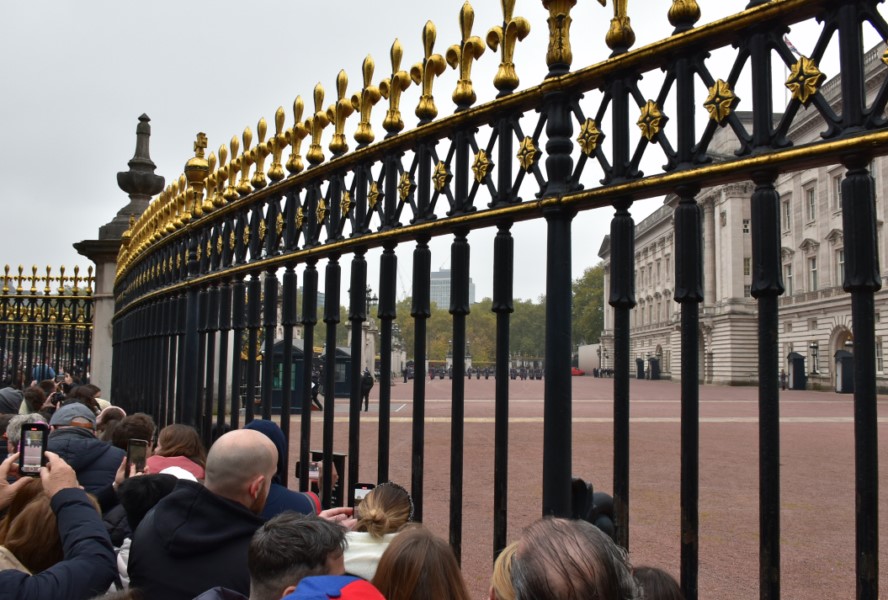
London, Buckingham Palace

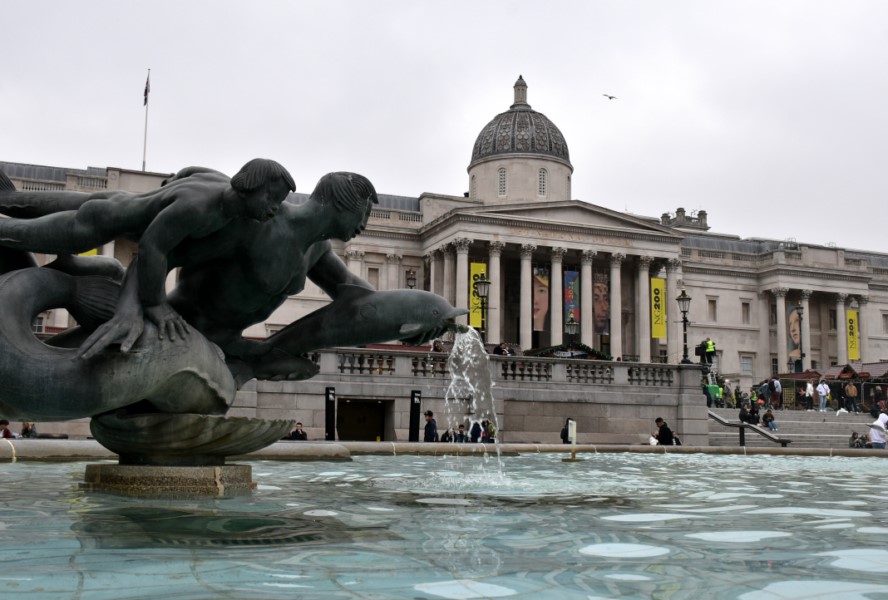
London, Trafalgar Square, National Gallery